
How to Choose a Complete Calcium Carbonate Grinding Production Line
We provide a wide range of mills — including Raymond mill, trapezoidal mill, vertical mill, ultrafine mill, and ball mill, obtained ISO9001 international quality certification, EU CE certification, and Customs Union CU-TR certification. Suitable for processing minerals such as limestone, phosphate, quicklime, kaolin, talc, barite, bentonite, calcium carbonate, dolomite, coal, gypsum, clay, carbon black, slag, cement raw materials, cement clinker, and more.
The discharge range of these mills can be adjusted to meet specific processing needs, typically from 80-400 mesh, 600-3250 mesh, and can achieve the finest particle size of up to 6000 mesh(D50).
If you are looking for a reliable grinding solution to turn stone or minerals into fine powder, please feel free to contact our online customer service.
Introduction
Selecting the right calcium carbonate grinding production line is a critical decision that affects your operational efficiency, product quality, and long-term profitability. Calcium carbonate, widely used in industries like construction, plastics, paints, and pharmaceuticals, requires precise processing to achieve the desired particle size and purity. This guide walks you through the key factors to consider when building or upgrading your grinding line, ensuring you make an informed choice that aligns with your production goals.
Whether you are a small-scale manufacturer or a large industrial operator, understanding the nuances of grinding technology, from input size to capacity and fineness, can save you time and money. We draw on years of field experience to help you navigate this process without the fluff.
Assess Your Raw Material and Output Requirements
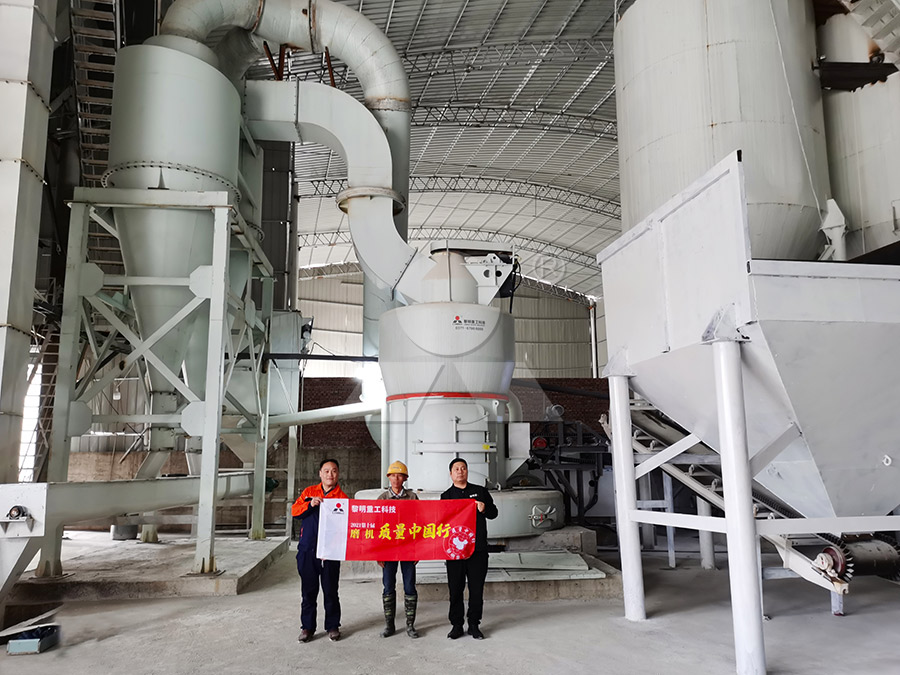
The first step is to evaluate the characteristics of your raw calcium carbonate. Is it limestone, marble, or calcite? The hardness, moisture content, and input size—typically ranging from 0 to 50 mm—directly influence the type of mill you need. For instance, if your feed size is under 20 mm and you aim for ultrafine powder between 325 and 2500 mesh, the MW Ultrafine Grinding Mill is a strong contender. It boasts a capacity of 0.5 to 25 tph and reduces energy consumption by 30% compared to jet mills, making it ideal for fine chemicals or cosmetics.
On the other hand, for coarser outputs or higher throughput, vertical mills like the LUM or LM series offer different advantages. Define your target fineness and capacity upfront—these parameters will dictate the entire line configuration, including crushers, elevators, and classifiers.
Evaluate Grinding Mill Types
Calcium carbonate grinding lines typically use one of three mill types: ball mills, Raymond mills, or vertical roller mills. Each has trade-offs in terms of investment, energy use, and product quality. Ball mills are cost-effective for basic grinding but consume more power and produce coarser powders. Raymond mills handle medium-fine grinding well, while vertical mills excel in energy efficiency and fine powder production.
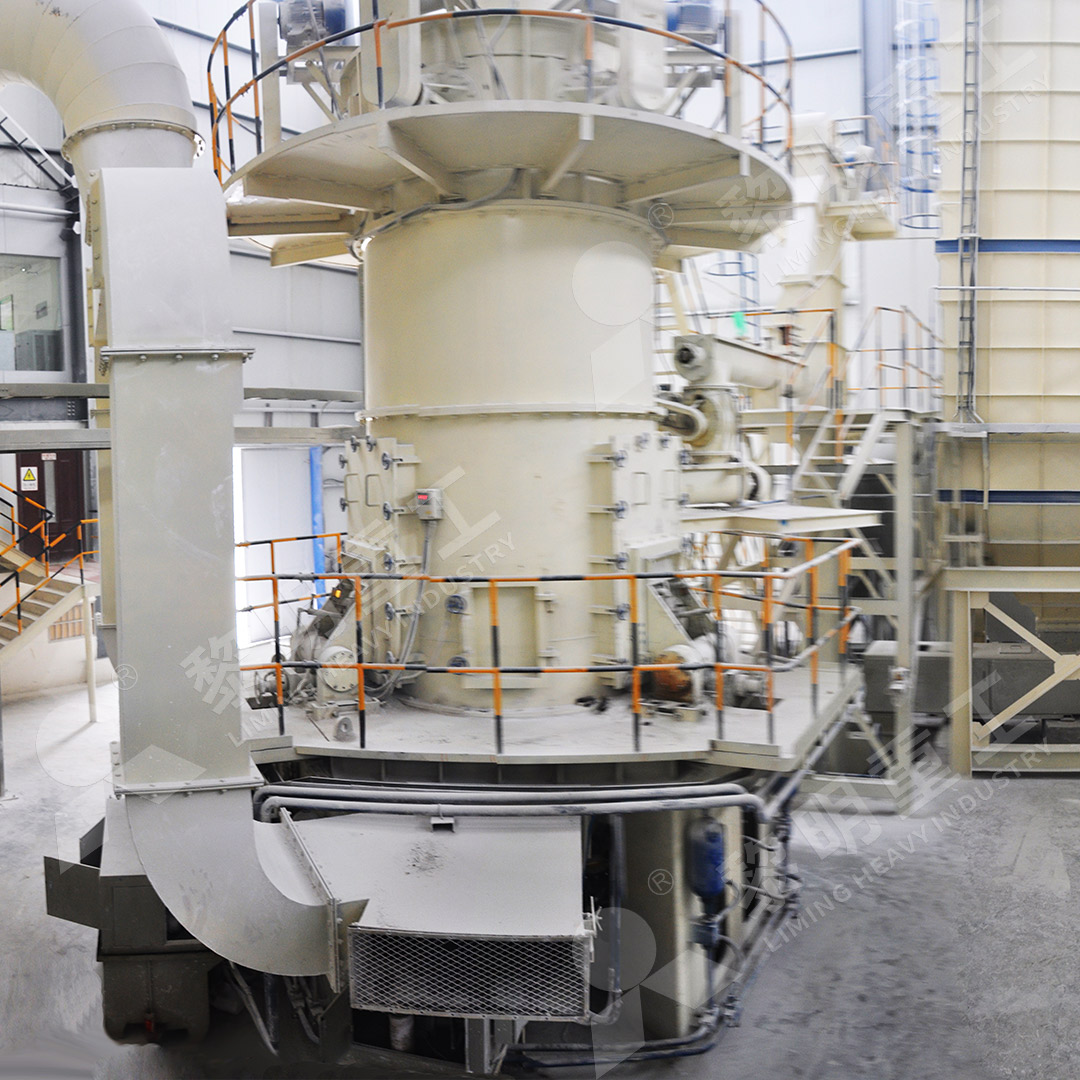
For high-end applications requiring ultra-fine powder with narrow particle distribution, consider the LUM Ultrafine Vertical Grinding Mill. It integrates grinding, classifying, and drying, with a capacity of 5 to 18 tph. Its multi-head powder separator, based on German technology, ensures precise cut points, reducing energy use by up to 50%. This is particularly beneficial for industries like paint and pharmaceuticals where consistency matters.
Focus on Energy Efficiency and Environmental Compliance
Energy costs represent a significant portion of operating expenses in grinding operations. Modern mills incorporate features like pulse dust collectors and mufflers to minimize environmental impact. The MW Ultrafine Grinding Mill, for example, uses a pulse dust collector to eliminate dust pollution and noise reduction systems, meeting strict environmental standards. This not only lowers your carbon footprint but also reduces the risk of regulatory fines.
Look for mills with digitalized controls that optimize power usage. Systems that allow real-time adjustments to grinding pressure and airflow—like those in LIMING’s advanced lines—can cut energy consumption by 30-50% compared to traditional equipment. Over a year, these savings can offset the initial investment.
Consider Maintenance and Operational Stability
Downtime is costly. Choose a mill with robust construction and easy access to wear parts. The MW series eliminates rolling bearings and screws in the grinding chamber, reducing common failure points. Its external lubrication system allows 24-hour continuous operation without shutdown for maintenance. Similarly, the LUM mill features a reversible structure for quick roller shell replacement, minimizing production losses.
Stability also depends on vibration control. Mills with elastic damping structures, like the MTW-Z European Trapezium Mill, handle variable feed rates without compromising separator performance. Test these features during factory visits or request documented case studies from the manufacturer.
Integrate the Complete System
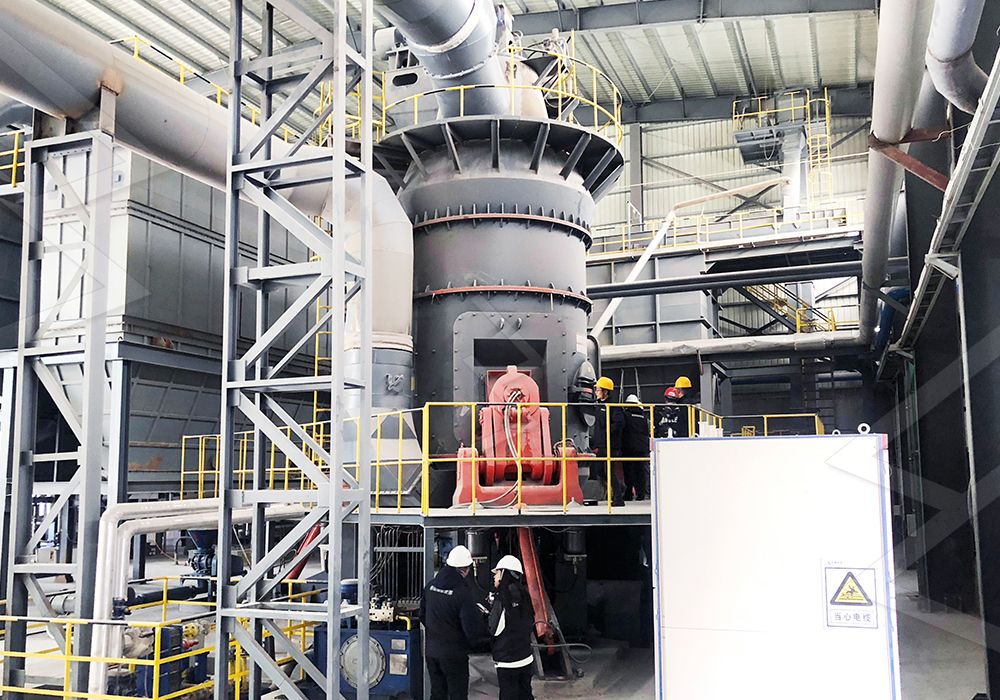
A grinding production line is more than the mill. It includes crushers, feeders, elevators, classifiers, dust collectors, and control panels. Ensure compatibility between components. For example, if you choose the MW Ultrafine Grinding Mill, pair it with a hammer crusher for pre-crushing (input up to 20 mm) and a pulse dust collector for compliance. The system should be automated to handle material flow seamlessly, reducing manual intervention.
Work with a supplier who provides end-to-end support, from process design to spare parts. LIMING offers tens of lines of CNC-machined components and original spare parts, ensuring consistent quality and worry-free operation. Ask about their service network and response times for your region.
Compare Costs and ROI
Finally, calculate total cost of ownership. Include equipment price, installation, energy, maintenance, and expected lifespan. While vertical mills have higher upfront costs, they often deliver better ROI through energy savings and higher product value. For small to medium capacities (under 25 tph), the MW series is cost-effective; for larger outputs (up to 340 tph), the LM series suits heavy-duty applications.
Request a detailed proposal from manufacturers, including performance guarantees. Testimonials from similar industries can reveal real-world performance. Remember, the cheapest option may lead to higher long-term expenses.
Conclusion
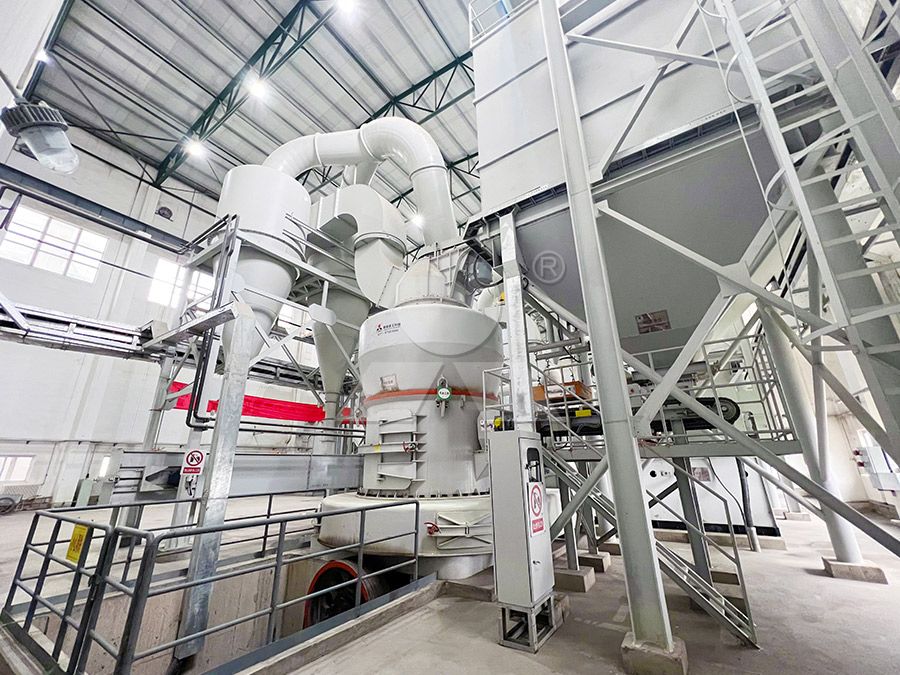
Choosing a calcium carbonate grinding line requires balancing raw material properties, desired fineness, capacity, energy efficiency, and maintenance needs. By focusing on proven technologies like the MW Ultrafine Grinding Mill or LUM Ultrafine Vertical Grinding Mill, you can achieve high-quality output with lower operational costs. Always test equipment with your specific material and rely on reputable suppliers for support.
Frequently Asked Questions (FAQ)
1. What is the typical input size for calcium carbonate grinding?
Most mills handle input sizes from 0 to 50 mm, but finer feeds (0-20 mm) improve efficiency for ultrafine grinding.
2. How do I determine the right fineness for my product?
Consider end-use: 325 mesh for construction, 1250-2500 mesh for paints and plastics. Test multiple samples.
3. Can I use one mill for both coarse and fine grinding?
Some mills, like vertical roller mills, allow adjustable classifiers for fineness ranges, but dedicated lines are more efficient for specific ranges.
4. What maintenance is required for a vertical mill?
Regular checks on roller shells, liners, and seals. Look for mills with external lubrication to reduce downtime.
5. How does dust control affect choice?
Environmental regulations often mandate pulse dust collectors. Verify supplier meets local emission standards.
6. What is the average lifespan of grinding rollers?
With wear-resistant alloys, rollers last 1.7 to 2.5 times longer than traditional materials, depending on feed hardness.
7. Do I need a pre-crusher before the mill?
Yes, for raw blocks larger than 20-50 mm, use a jaw or hammer crusher to reduce feed size for optimal mill performance.
8. Can I automate the entire line?
Yes, modern systems use PLC controls for remote operation, adjusting feed rate and separator speed automatically.
9. What is the power consumption difference between ball mills and vertical mills?
Vertical mills save 30-50% energy due to higher efficiency and shorter grinding time.
10. How do I choose between MW and LUM series?
MW suits smaller capacities (0.5-25 tph) and finer outputs (325-2500 mesh); LUM handles medium capacities (5-18 tph) with better energy savings for ultra-fine products.