
1250 Mesh Marble Powder Grinding Mill – High Efficiency Ultra Fine Marble Grinder
We provide a wide range of mills — including Raymond mill, trapezoidal mill, vertical mill, ultrafine mill, and ball mill, obtained ISO9001 international quality certification, EU CE certification, and Customs Union CU-TR certification. Suitable for processing minerals such as limestone, phosphate, quicklime, kaolin, talc, barite, bentonite, calcium carbonate, dolomite, coal, gypsum, clay, carbon black, slag, cement raw materials, cement clinker, and more.
The discharge range of these mills can be adjusted to meet specific processing needs, typically from 80-400 mesh, 600-3250 mesh, and can achieve the finest particle size of up to 6000 mesh(D50).
If you are looking for a reliable grinding solution to turn stone or minerals into fine powder, please feel free to contact our online customer service.
Introduction to Ultra Fine Marble Grinding
Marble, as a natural stone, has been cherished for centuries in construction, art, and industrial applications. However, the real value of marble often lies in its powdered form, where it serves as a critical raw material in industries ranging from paint and coatings to cosmetics and pharmaceuticals. Achieving a fineness of 1250 mesh, or even finer, requires specialized equipment that can deliver consistent, high-purity output without compromising on efficiency. This is where Liming Heavy Industry’s advanced grinding mills come into play, offering a solution that combines German engineering precision with decades of field-proven experience.
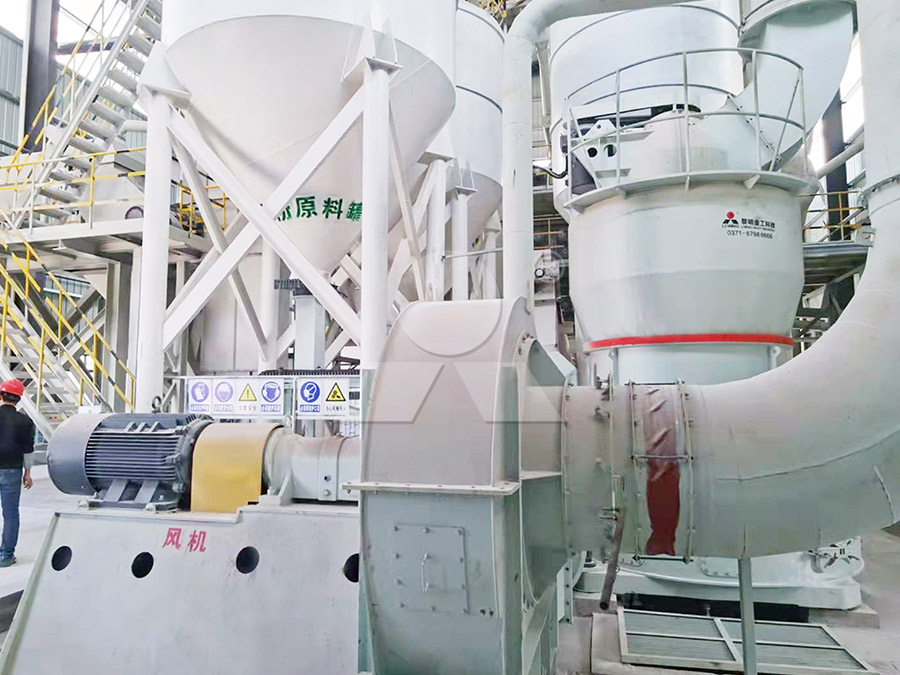
The demand for ultra-fine marble powder has skyrocketed in recent years, driven by the need for brightening agents in paper, fillers in plastics, and extenders in paints. Traditional grinding methods, such as ball mills or jet mills, often fall short when it comes to energy efficiency, fineness control, or operational stability. Liming’s MW Ultrafine Grinding Mill and LUM Ultrafine Vertical Grinding Mill are specifically engineered to bridge this gap, providing marble processors with a tool that can handle input sizes up to 20 mm while achieving a screening rate of d97≤5μm in a single pass.
Why Choose a 1250 Mesh Marble Grinder?
At 1250 mesh, the particle size of marble powder is approximately 10 microns. This level of fineness unlocks numerous high-value applications. In the paint industry, for instance, such fine powder ensures a smooth finish and high opacity. In cosmetics, it provides a silky texture without grittiness. The challenge, however, is that grinding marble to this level consumes significant energy and places immense stress on machine components. Many operators have experienced the frustration of bearing failures, screw loosening, or inconsistent particle sizes, leading to costly downtime.
Liming’s MW Ultrafine Grinding Mill directly addresses these pain points. Its grinding chamber contains no rolling bearings or screws, meaning there are no seals to wear out and no bolts to loosen. The lubricating device is mounted externally on the main shaft, allowing for oil changes without stopping production. This design alone can keep a plant running 24 hours a day, 7 days a week, which is a game-changer for facilities that need to meet tight production deadlines.
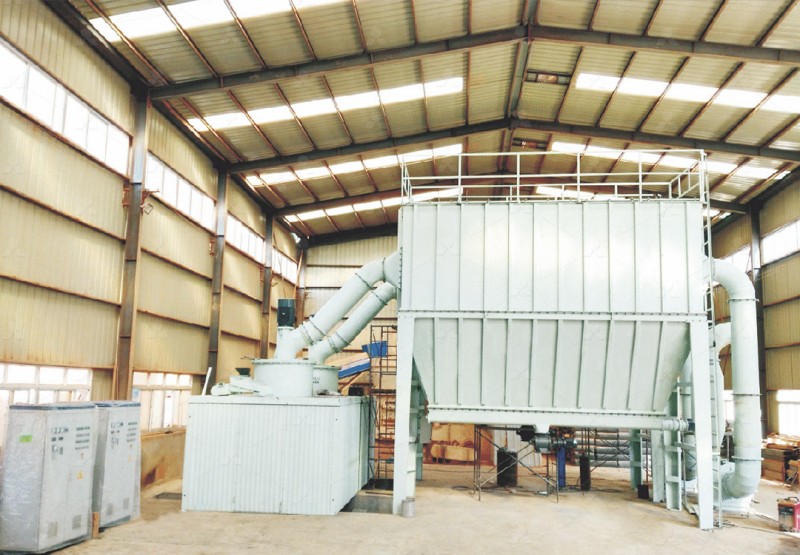
Furthermore, the newly designed grinding curves on the roller and ring in the MW series boost grinding efficiency by 40% compared to jet mills. For a marble processing plant aiming for 1250 mesh, this translates to a capacity of 0.5 to 25 tons per hour, depending on the material’s moisture content and hardness. This is not just a number on a spec sheet; it represents real-world productivity gains that reduce payback periods and improve bottom lines.
The Technology Behind Ultra-Fine Marble Grinding
To truly understand why Liming’s mills excel at 1250 mesh marble grinding, we need to look under the hood. The MW Ultrafine Grinding Mill employs a multi-stage grinding principle. Material enters from the hopper, fed by a vibrating feeder, and falls onto the upper turnplate. Centrifugal force pushes it outward into the raceway of the ring, where dozens of rollers, driven by a reducer, crush the material into a fine powder. This process is repeated across three turnplates, ensuring that every particle is reduced to the desired size.
The cage-type powder selector, a technology licensed from Germany, is the brain of the system. It can be configured with multiple heads to adjust the fineness between 325 and 2500 mesh. For 1250 mesh production, the selector ensures that coarse particles are returned for regrinding while only the finest powder passes through to the cyclone collector. This closed-loop system minimizes waste and guarantees that the final product has a narrow particle size distribution.
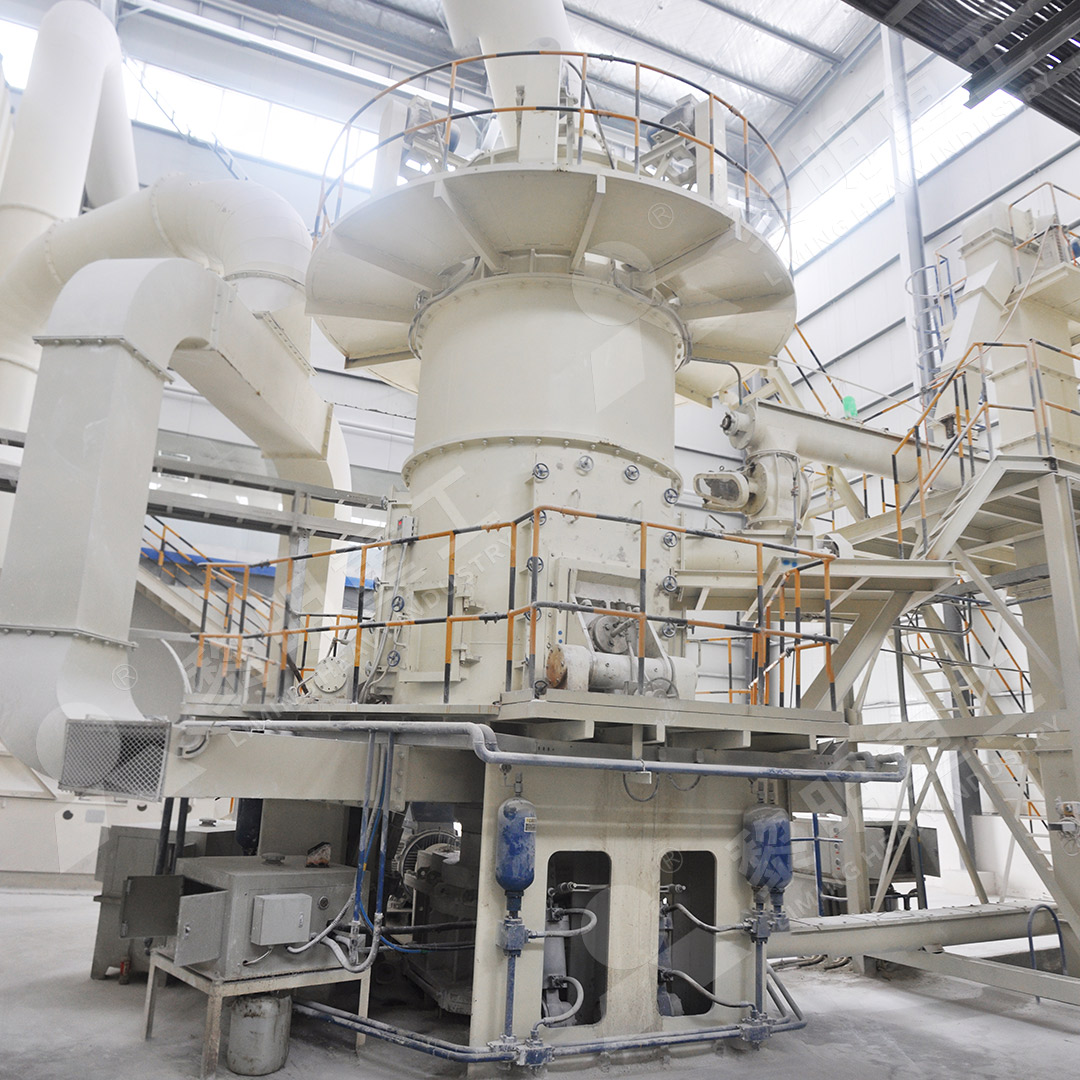
For those who need even higher throughput, our LUM Ultrafine Vertical Grinding Mill is an excellent alternative. It integrates grinding, grading, and drying into a single unit. The vertical design reduces the footprint by up to 50% and cuts energy consumption by 30-50% compared to traditional mills. The double position-limiting technology protects the machine from destructive vibrations, a common issue when grinding hard marble. With an input size of 0-10 mm and a capacity of 5-18 tph, the LUM series is ideal for medium to large-scale operations that demand ultra-fine output with minimal operational hiccups.
Eco-Friendly and Cost-Effective Operations
Environmental regulations are becoming stricter worldwide, and marble grinding plants are not exempt. Dust pollution, in particular, is a major concern. Liming’s MW Ultrafine Grinding Mill is equipped with a high-efficiency pulse dust collector and a muffler system. The dust collector captures 99.9% of airborne particles, ensuring that the air discharged from the plant meets or exceeds national environmental standards. The muffler reduces noise levels, making the working environment safer and more comfortable for operators.
From a cost perspective, the savings are substantial. Because the system recirculates air through a closed loop, the blower consumes only 30% of the energy that a jet mill would require. Additionally, the absence of rolling bearings eliminates the need for frequent seal replacements. Spare parts for the MW and LUM series are readily available, and Liming provides lifetime technical support to guarantee worry-free operation.
Digitalized manufacturing further enhances reliability. Liming’s factory uses tens of lines of numerical control (NC) machine tools for cutting, bending, planing, and milling. This ensures that every core component, from the roller shell to the separator rotor, is machined to micron-level precision. When you invest in a Liming mill, you are buying equipment that has been built with the same attention to detail as a German automobile.
Real-World Performance Data
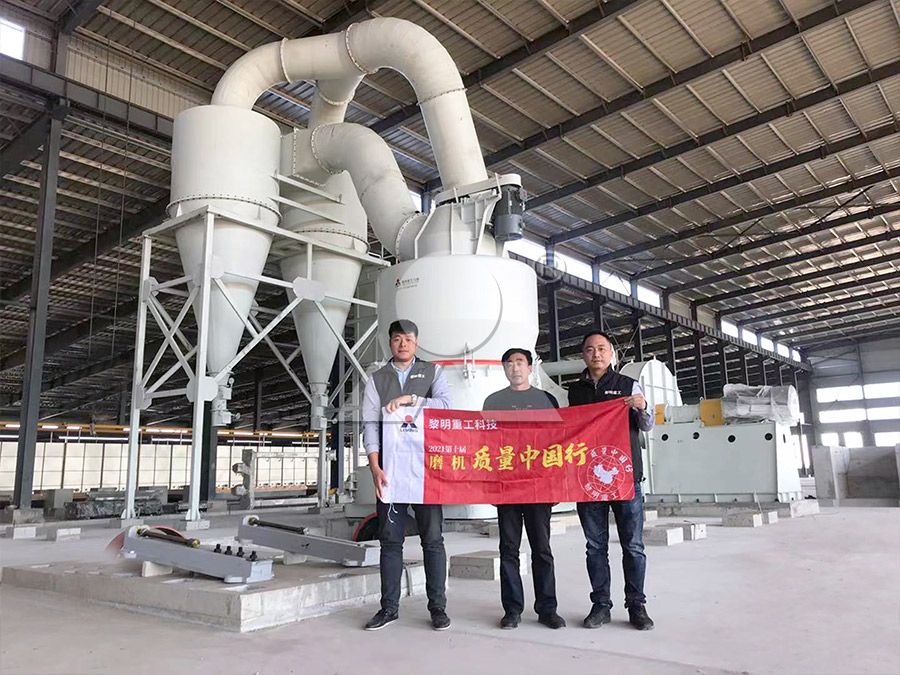
To put the claims into perspective, consider a marble processing plant in southern Italy that upgraded from a ball mill to an MW Ultrafine Grinding Mill. Before the upgrade, they struggled to achieve a consistent 1250 mesh powder, often dealing with iron contamination from the steel balls. The ball mill also required frequent shutdowns for bearing maintenance. After switching to the MW mill, the plant saw a 50% reduction in energy costs per ton of powder produced. The screening rate for 1250 mesh went from 85% to 98% in a single pass. Moreover, the whiteness of the marble powder improved by 3%, opening up new opportunities in the premium cosmetics market.
This case is not unique. From the Middle East to Southeast Asia, processors of calcite, dolomite, and marble are increasingly turning to Liming’s ultra-fine grinding technology. The key differentiator is the combination of high yielding, low energy consumption, and digital precision. Whether you choose the MW series for its no-bearing design or the LUM series for its vertical efficiency, you are investing in a machine that can adapt to your specific needs through adjustable fineness and pressure controls.
Final Recommendation
For marble processors targeting a consistent 1250 mesh output with maximum uptime, we highly recommend the MW Ultrafine Grinding Mill. Its ability to handle input sizes up to 20 mm, coupled with the pulse dust collector and external lubrication system, makes it the most reliable ultra-fine marble grinder on the market today. If your operation requires a larger capacity and you have space constraints, the LUM Ultrafine Vertical Grinding Mill is an equally robust option, offering up to 18 tph with a smaller footprint.
Both machines are backed by Liming’s global network of service engineers and a comprehensive inventory of spare parts. We invite you to contact our technical team for a customized grinding solution tailored to your raw material characteristics and production targets. At Liming, we don’t just sell machines; we deliver grinding solutions that work.
Frequently Asked Questions (FAQ)
- Q: What is the specific energy consumption of the MW Ultrafine Grinding Mill when grinding marble to 1250 mesh? A: The system energy consumption is approximately 30% of a jet mill. For marble at 1250 mesh, expect around 50-70 kWh per ton, depending on feed moisture and hardness.
- Q: Can the MW mill handle wet marble or marble with high moisture content? A: The standard MW mill is designed for dry grinding. For materials with moisture above 6%, we recommend using hot air in the grinding chamber or pairing the mill with a rotary dryer upstream.
- Q: How often do the grinding rollers and rings need to be replaced? A: With normal operation for marble (Mohs hardness 3-4), the wear parts can last 1,500 to 2,500 hours. Liming provides wear-resistant alloy parts that offer 1.7-2.5 times the life of standard high-manganese steel parts.
- Q: Is it possible to switch between different fineness settings, such as from 800 mesh to 1250 mesh, without changing parts? A: Yes. The cage-type powder selector can be adjusted by changing the rotor speed and the number of blades. This can be done during operation, although we recommend a short stoppage for fine-tuning the classifier settings.
- Q: What is the required floor area for installing an MW Ultrafine Grinding Mill with a capacity of 10 tph? A: The complete system, including the mill, dust collector, blower, and feeder, requires approximately 100-150 square meters. The layout can be optimized for your plant.
- Q: Does Liming provide training for plant operators? A: Absolutely. We offer on-site installation supervision, commissioning, and operator training for all our machines. This typically takes 5-7 days and covers safety, operation, and preventive maintenance.
- Q: What is the noise level during operation? A: With the muffler and acoustic enclosure, the noise level is below 85 dB(A) at a distance of 1 meter from the mill. Without the enclosure, it can reach 95 dB(A).
- Q: Can the mill be used for other materials after processing marble? A: Yes. The mill is designed for non-flammable, non-explosive materials with Mohs hardness less than 9. Common materials include limestone, barite, talc, calcite, and dolomite. A thorough cleaning of the grinding chamber is recommended when switching between materials that have different colors or contamination risks.
- Q: How does the external lubrication system work? A: The main shaft uses a forced oil circulation system. Oil is pumped from an external tank through the shaft bearings and returns to the tank for filtration and cooling. This system allows for oil changes and filter replacements while the mill is running, minimizing downtime.
- Q: What warranty does Liming offer on the MW and LUM mills? A: Standard warranty is 12 months from commissioning or 18 months from the date of shipment, whichever comes first. Extended warranties are available for purchase. The warranty covers manufacturing defects in materials and workmanship.