
Grinding Equipment for Fly Ash and Slag Processing: Optimizing Performance and Sustainability
We provide a wide range of mills — including Raymond mill, trapezoidal mill, vertical mill, ultrafine mill, and ball mill, obtained ISO9001 international quality certification, EU CE certification, and Customs Union CU-TR certification. Suitable for processing minerals such as limestone, phosphate, quicklime, kaolin, talc, barite, bentonite, calcium carbonate, dolomite, coal, gypsum, clay, carbon black, slag, cement raw materials, cement clinker, and more.
The discharge range of these mills can be adjusted to meet specific processing needs, typically from 80-400 mesh, 600-3250 mesh, and can achieve the finest particle size of up to 6000 mesh(D50).
If you are looking for a reliable grinding solution to turn stone or minerals into fine powder, please feel free to contact our online customer service.
Introduction
The industrial processing of fly ash and slag represents a significant challenge in modern material handling. These by-products, generated from coal-fired power plants and steel production, require sophisticated grinding solutions to transform them into valuable components for cement, concrete, and construction materials. Over the past decade, the demand for high-efficiency grinding equipment has surged, driven by stricter environmental regulations and the need for cost-effective resource recovery. This article explores the technical nuances of grinding fly ash and slag, focusing on equipment selection, operational parameters, and the latest advancements in mill technology. We will examine how specific machine designs address the unique physical properties of these materials, including abrasiveness, moisture content, and particle size distribution.
Understanding Material Characteristics
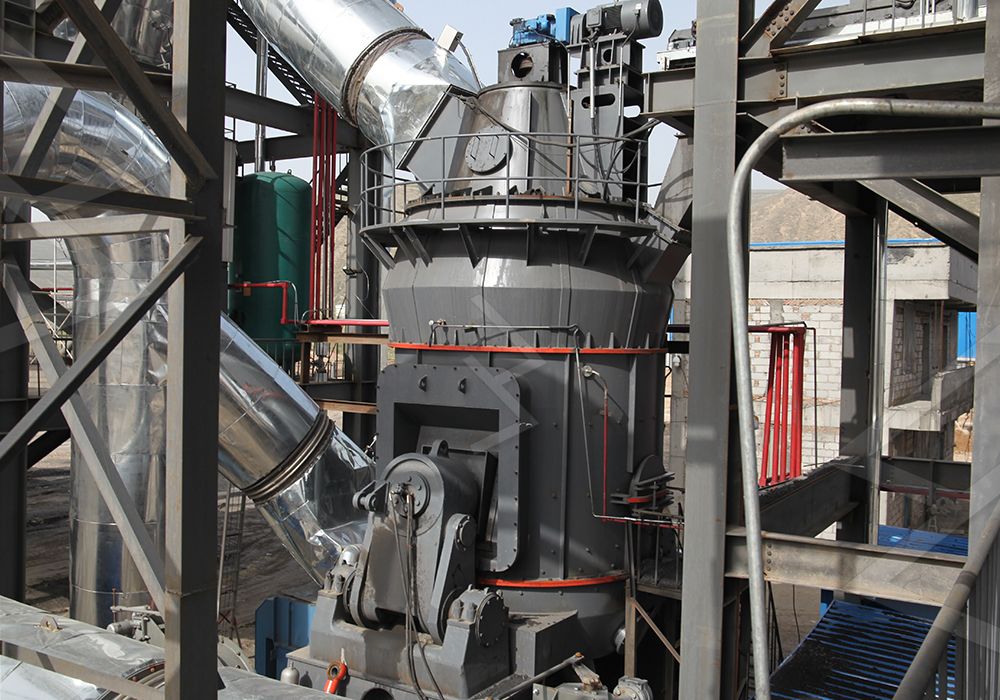
Fly ash typically consists of fine, glassy particles with a high silica and alumina content, while slag is denser and more crystalline. Both materials exhibit significant variability in hardness and grindability. For effective processing, grinding equipment must handle input sizes ranging from 0 to 70 mm, depending on the pre-crushing stage. The moisture content in slag can reach up to 20%, necessitating integrated drying capabilities. Our experience with industrial applications shows that vertical roller mills excel in these scenarios due to their ability to combine grinding, drying, and classification in a single unit. The choice between a ball mill system and a vertical mill often hinges on the required fineness and production scale.
Core Technologies in Grinding Mills
Modern grinding mills employ several key technologies to enhance performance. The grinding roller and ring geometry significantly affect energy consumption and throughput. For instance, the LUM Ultrafine Vertical Grinding Mill utilizes a unique roller shell and lining plate curve design that promotes material layer formation, reducing energy waste and improving product whiteness. This mill incorporates double position-limiting technology to prevent destructive vibrations, a common issue when processing heavy slag. The PLC control system allows operators to fine-tune grinding pressure and separator speed, adapting to real-time feed variations. Another notable innovation is the multi-head powder separator, which achieves precise particle size cut points between 325 and 2500 mesh. This level of control is critical for fly ash used in high-performance concrete admixtures.
Operational Efficiency and Environmental Compliance
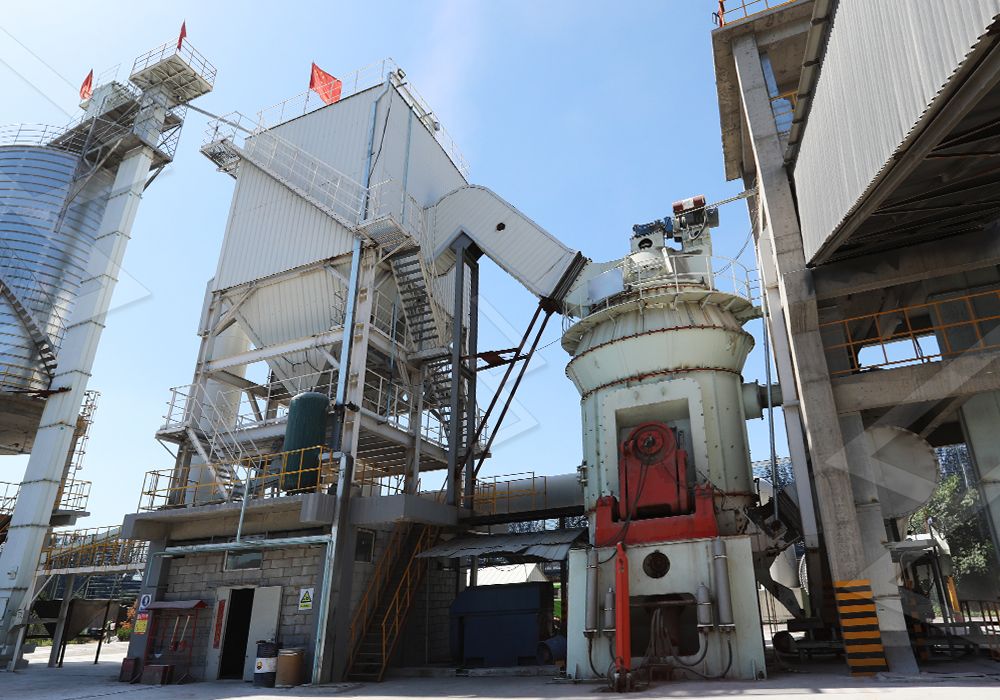
Energy consumption remains a primary concern for grinding operations. Traditional ball mills can consume up to 40-50 kWh per ton of material processed, whereas advanced vertical mills reduce this figure by 30% to 50%. The LM Vertical Grinding Mill, for example, integrates crushing, drying, grinding, and classifying, cutting the occupied area by half compared to ball mill systems. Its sealed, negative-pressure operation ensures no dust leakage, meeting stringent environmental standards. The pulse dust collector and muffler systems further minimize airborne particulates and noise, making these mills suitable for urban or ecologically sensitive locations. We recommend the LUM Ultrafine Vertical Grinding Mill for applications requiring high-purity products, as its design minimizes iron contamination from mechanical wear.
Case Study: Processing Steel Slag with Vertical Mills
Steel slag presents unique challenges due to its high abrasiveness and density. In a recent installation, a client processing blast furnace slag achieved a throughput of 18 tons per hour using the LUM mill with an input size of 0-10 mm. The mill’s hydraulic system maintained consistent roller pressure, ensuring uniform grinding even as the slag’s moisture content fluctuated. The reversible structure of the grinding roller assembly allowed for rapid maintenance, reducing downtime by 40% compared to conventional designs. The final product fineness was adjustable between 325 and 2500 mesh, meeting specifications for both cement additive and soil stabilization applications. This setup also incorporated a hot air generator for in-situ drying, eliminating the need for a separate pre-drying step.
Automation and Digital Precision
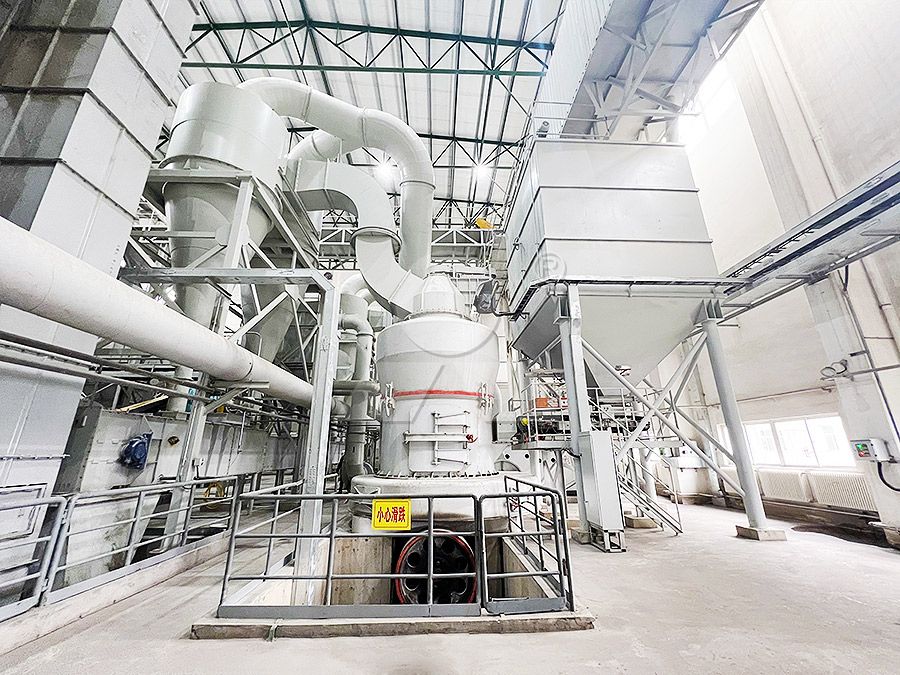
The modern grinding mill is increasingly a digital machine. Computer numerical control (CNC) machining of core components ensures tight tolerances, extending wear part life and maintaining consistent performance over time. The LM Vertical Mill features an expert-level automatic control system that can switch between remote and local operation modes. This allows plant managers to monitor vibration levels, motor loads, and product fineness in real time, adjusting parameters via a single interface. Such automation reduces labor costs and human error. For fly ash and slag processing, where feed quality can vary hourly, this adaptability is invaluable. The system also logs historical data for predictive maintenance, alerting operators to potential bearing wear or separator imbalance before a breakdown occurs.
Maintenance and Wear Part Management
Wear part longevity directly impacts the total cost of ownership for grinding equipment. In traditional mills, grinding rollers and rings made from high manganese steel may require replacement every 6-12 months. Our mills utilize wear-resistant alloys developed in collaboration with metallurgical institutes, extending service life by up to 2.5 times. The MTW-Z European Trapezium Mill employs a dilute oil lubrication system for the grinding roller, eliminating the need for frequent grease refills. The split shovel blade design further reduces replacement costs. For slag grinding, the abrasiveness accelerates wear on the millstone liner and roller shell. The reversible structure in LUM mills allows operators to flip the roller sleeve, effectively doubling its usable life. This proactive design philosophy minimizes downtime and ensures predictable maintenance schedules.
Conclusion
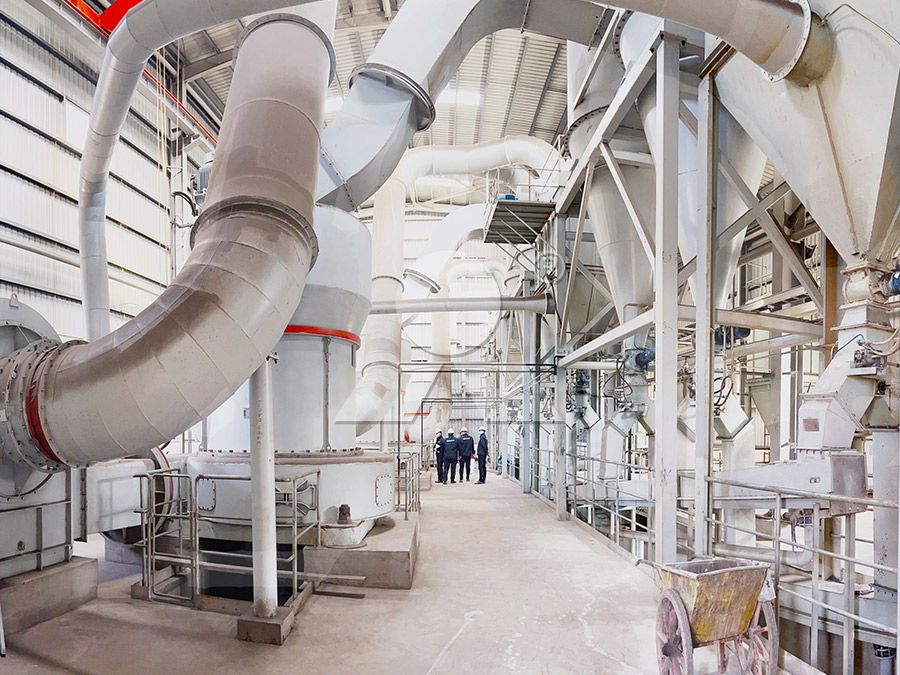
Grinding fly ash and slag requires a strategic approach that balances throughput, energy efficiency, and final product quality. The LUM Ultrafine Vertical Grinding Mill and LM Vertical Grinding Mill offer robust solutions, combining advanced roller technology, automated controls, and environmental safeguards. These machines are engineered to handle the harshest industrial conditions while delivering consistent results. As the construction industry increasingly adopts supplementary cementitious materials, the role of efficient grinding equipment will only grow. By investing in modern mill technology, operators can turn waste streams into profitable products while reducing their carbon footprint.
Frequently Asked Questions (FAQ)
1. What is the typical input size for slag grinding in vertical mills?
For vertical mills like the LUM and LM series, the input size typically ranges from 0-10 mm for ultrafine grinding up to 0-70 mm for standard applications. Pre-crushing with a jaw crusher is recommended for larger lumps.
2. How does moisture content affect the grinding process?
High moisture content (above 10%) can cause material sticking and reduced throughput. The LM Vertical Mill integrates a hot air drying system that handles moisture up to 20% without requiring a separate dryer. For lower moisture materials, standard air flow is sufficient.
3. Can the same mill process both fly ash and slag?
Yes, with appropriate adjustments. The LUM Ultrafine Vertical Grinding Mill can process both materials by changing the grinding pressure and separator speed. However, slag requires more robust wear parts due to its abrasiveness. We recommend specific roller shell materials for slag-only applications.
4. What is the achievable fineness range for fly ash grinding?
Fly ash can be ground to a fineness between 325 mesh (45 microns) and 2500 mesh (5 microns). The LUM mill achieves d97≤5μm in a single pass, suitable for high-end concrete admixtures and filler applications.
5. How do vertical mills compare to ball mills in terms of energy consumption?
Vertical mills typically consume 30-50% less energy than ball mills for the same throughput. For example, the LM Vertical Mill saves 30-40% energy compared to a ball mill system, while the LUM mill uses only 30% of the energy of a jet mill.
6. What maintenance is required for the grinding rollers?
Grinding rollers require periodic inspection for wear. The LUM mill features a reversible structure that allows the roller sleeve to be flipped, extending its life. Oil levels in the dilute lubrication system should be checked monthly. Full roller replacement is typically needed after 12-18 months of continuous operation, depending on material abrasiveness.
7. Is the dust collector system standard on these mills?
Yes. All LIMING mills, including the MTW-Z and LUM series, are equipped with efficient pulse dust collectors and mufflers as standard equipment. This ensures compliance with international environmental standards for particulate emissions.
8. Can the mill be operated remotely?
Yes. The LM Vertical Mill and LUM mill both include PLC-based control systems with remote monitoring and control capabilities. Operators can adjust parameters, view performance data, and receive alerts from a central control room or mobile device.
9. What sizes of steel balls are used in ball mill grinding systems?
In ball mill systems, steel ball sizes typically range from 30 mm to 100 mm, depending on the feed size and desired fineness. However, for fly ash and slag, vertical mills are generally preferred due to lower wear and higher efficiency.
10. How long does it take to install a complete grinding system?
Installation time varies by model. A standard LM Vertical Mill system can be installed and commissioned within 4-6 weeks, including foundation work, electrical connections, and initial testing. Smaller units like the Raymond mill may be operational in 2-3 weeks.