
Superfine Limestone Grinding Mill Price – Get Latest Cost & Quotes from Top Manufacturers
We provide a wide range of mills — including Raymond mill, trapezoidal mill, vertical mill, ultrafine mill, and ball mill, obtained ISO9001 international quality certification, EU CE certification, and Customs Union CU-TR certification. Suitable for processing minerals such as limestone, phosphate, quicklime, kaolin, talc, barite, bentonite, calcium carbonate, dolomite, coal, gypsum, clay, carbon black, slag, cement raw materials, cement clinker, and more.
The discharge range of these mills can be adjusted to meet specific processing needs, typically from 80-400 mesh, 600-3250 mesh, and can achieve the finest particle size of up to 6000 mesh(D50).
If you are looking for a reliable grinding solution to turn stone or minerals into fine powder, please feel free to contact our online customer service.
Understanding Superfine Limestone Grinding: Technology, Cost, and Selection
When it comes to processing limestone into ultra-fine powder, the equipment you choose directly impacts your production efficiency, operating costs, and final product quality. Over the past decade, the demand for superfine limestone powder—typically between 325 mesh and 2500 mesh—has surged across industries like paint, cosmetics, pharmaceuticals, and food additives. This has pushed manufacturers to develop more advanced, energy-efficient, and environmentally friendly grinding solutions. In this article, we break down the key factors that influence superfine limestone grinding mill prices, highlight the latest technological advancements, and provide actionable insights to help you get accurate quotes from top manufacturers.
The Economics Behind the Price Tag
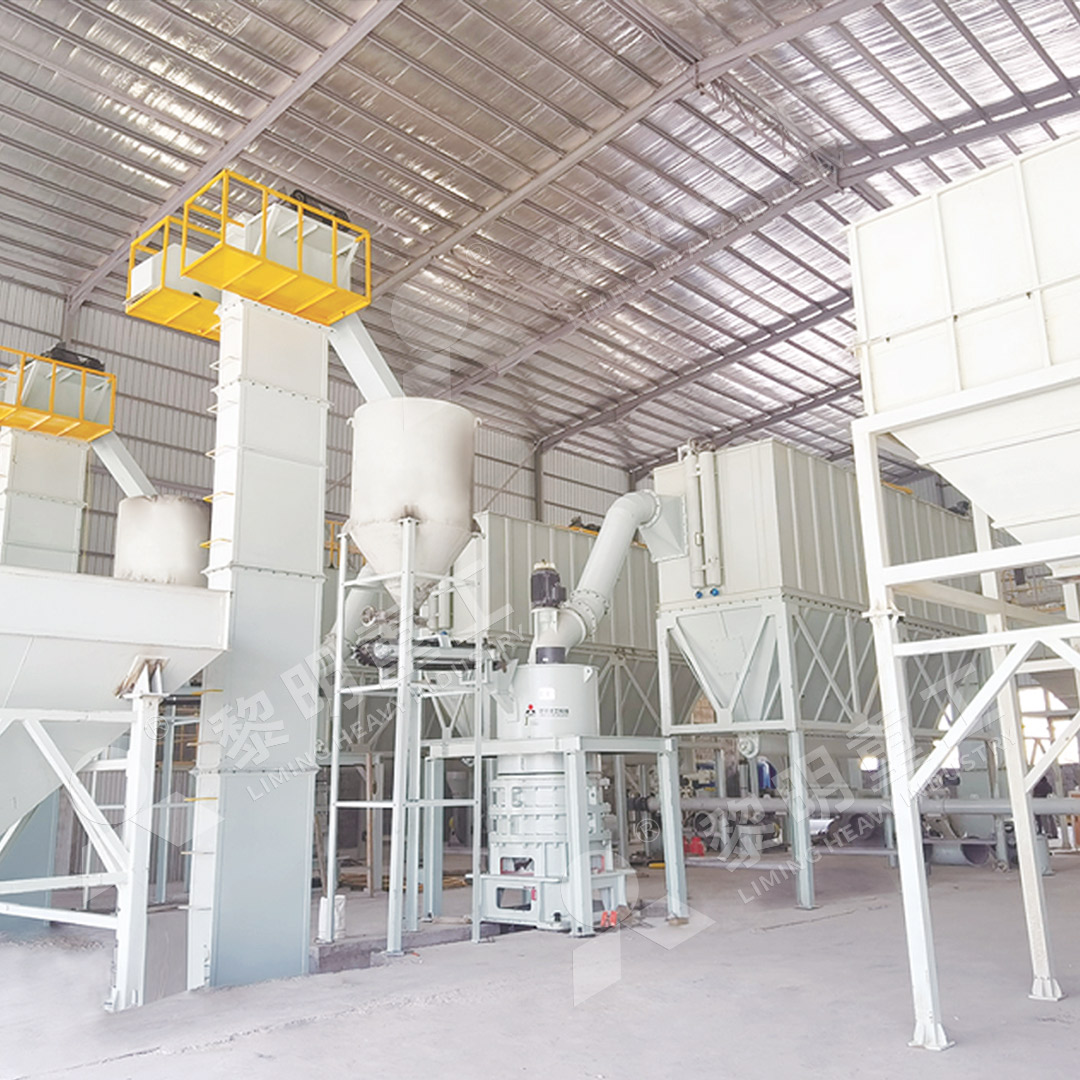
Many buyers focus solely on the initial purchase price when evaluating a superfine limestone grinding mill. However, the real cost of ownership includes energy consumption, maintenance downtime, spare parts availability, and the mill’s ability to consistently meet fineness specifications. A cheaper mill that consumes 40% more electricity or requires frequent bearing replacements will quickly become a costly mistake. Top manufacturers now integrate features that lower total cost of ownership. For example, machines with no rolling bearings or screws inside the grinding chamber eliminate common failure points, while external lubrication systems allow 24-hour continuous operation without shutdowns. These design choices reduce maintenance costs and improve uptime, making a higher upfront price well worth it.
Key Technological Advancements in Superfine Limestone Grinding
Modern superfine grinding mills have come a long way from traditional ball mills and jet mills. One major breakthrough is the use of multi-head cage-type powder selectors based on German technology. These selectors deliver precise particle size control, achieving a screening rate of d97≤5μm in a single pass. Another game-changer is the integration of efficient pulse dust collectors and silencers, ensuring the entire milling system meets stringent environmental standards. No dust pollution, low noise—these features are no longer optional; they are expected in any reputable grinding mill today.
Energy efficiency is another area where innovation shines. For instance, newly designed grinding curves for rollers and rings can boost production capacity by 40% compared to jet mills and stirred mills, while consuming only 30% of the energy. This is not just marketing hype; it is the result of precise engineering that optimizes the grinding zone and minimizes wasted energy. When you request a quote, ask about specific energy consumption figures and compare them across different mill types.
Our Recommendation: MW Ultrafine Grinding Mill for Superfine Limestone
If you are looking for a proven solution that balances performance, reliability, and cost, we strongly recommend the MW Ultrafine Grinding Mill. This machine is purpose-built for customers who need ultra-fine powder from limestone and similar materials. It accepts feed sizes up to 20 mm and delivers capacities ranging from 0.5 to 25 tons per hour. The MW series features a cage-type powder selector that adjusts fineness between 325 and 2500 meshes with high precision. Its grinding chamber contains no rolling bearings or screws, eliminating common mechanical failures. The pulse dust collector ensures eco-friendly operation, while the digitalized manufacturing process guarantees consistent quality for core components. With sufficient spare parts supply and technical support from LIMING, the MW Ultrafine Grinding Mill offers worry-free operation for years to come.
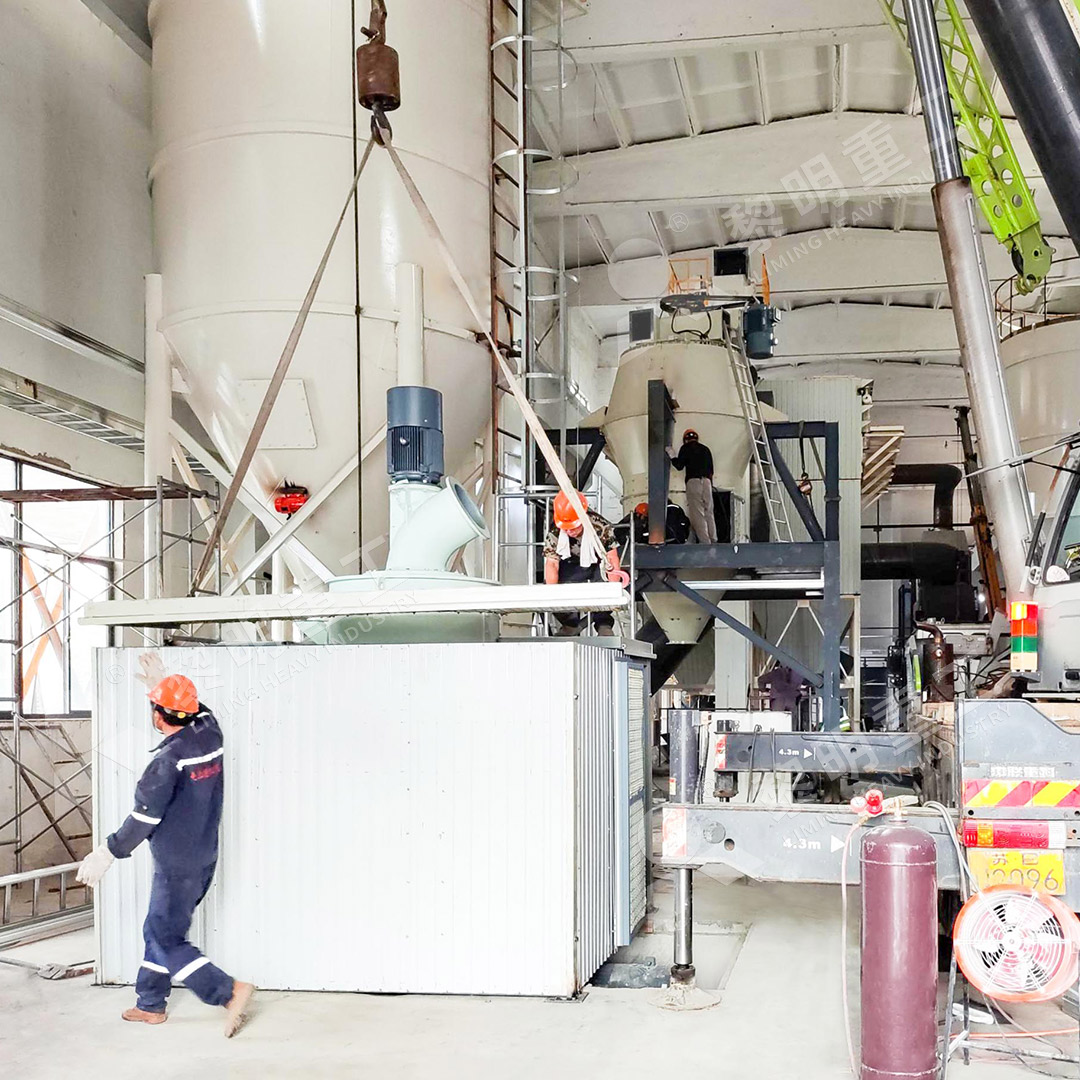
For those who require an even more compact design with advanced vertical technology, the LUM Ultrafine Vertical Grinding Mill is another excellent choice. It integrates grinding, grading, and conveying into a single system, with input sizes up to 10 mm and capacities from 5 to 18 tph. The LUM mill incorporates Taiwan grinding roller technology and German powder separation, delivering high yielding rates and low iron content in the final product. Its reversible structure simplifies maintenance, allowing operators to quickly replace roller shells and liner plates, reducing downtime significantly.
How to Get Accurate Quotes from Top Manufacturers
Price quotes for superfine limestone grinding mills vary widely based on specifications, customization, and after-sales service. To ensure you receive a competitive and accurate quote, follow these steps:
- Define your fineness requirement clearly. Specify the target mesh size or d97 value. For example, d97≤10μm or 1250 mesh. This directly impacts the machine configuration and price.
- Provide input material characteristics. Moisture content, hardness, and feed size distribution affect mill design and energy consumption.
- State your capacity needs. Be realistic about peak and average throughput. Oversizing a mill wastes capital; undersizing leads to bottlenecks.
- Ask about after-sales support. Check availability of original spare parts, technical service response time, and warranty terms. A slightly higher price from a manufacturer with a strong service network is often a better long-term investment.
- Request a site visit or test run. Reputable manufacturers often allow you to test your material on their machines. This provides concrete proof of performance before you commit.
Comparing Mill Types for Superfine Limestone
Beyond the MW and LUM series, there are other mills suitable for limestone grinding, each with distinct advantages. The LM Vertical Grinding Mill excels in handling larger feed sizes up to 70 mm and offers capacities up to 340 tph, making it ideal for cement plants and power plant desulfurization. The MTW European Trapezium Mill and its upgraded MTW-Z version feature low-maintenance dilute oil lubrication and elastic volute damping structures, reducing vibration and operating costs. For smaller operations, the classic Raymond Mill remains a cost-effective entry-level option. However, for true superfine applications with high added value, the MW and LUM series are unmatched in terms of fineness precision and energy efficiency.
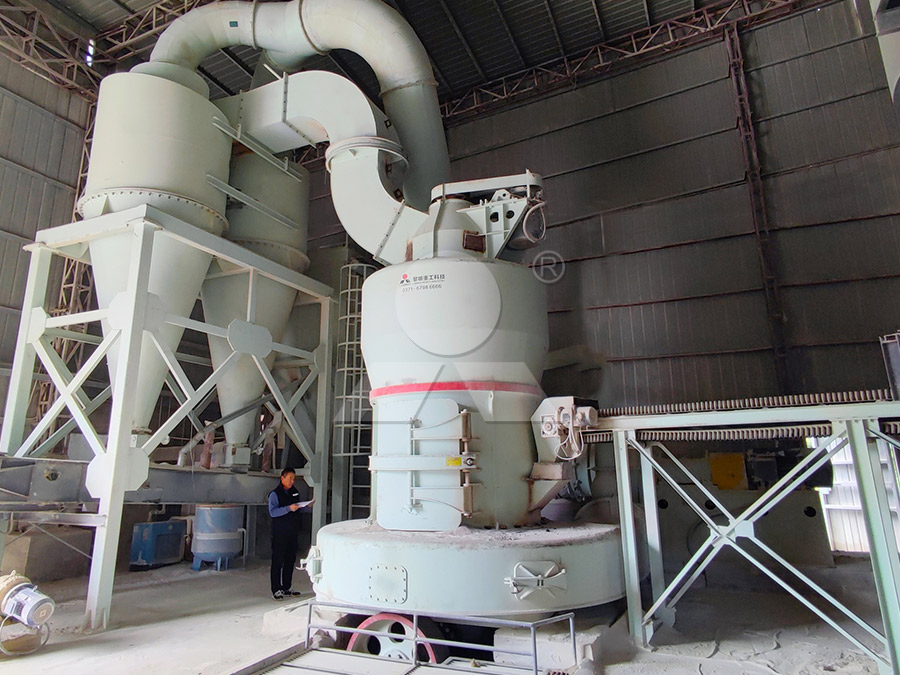
When you contact manufacturers, ask about the specific grinding curves, powder selector type, and dust collection system. These details separate a mediocre mill from a high-performance one. Also inquire about digitalized manufacturing processes. Companies that use numerical control machine tools for cutting, bending, and milling achieve tighter tolerances and more consistent quality, especially in core parts like rollers and rings.
Final Thoughts on Price and Value
The price of a superfine limestone grinding mill can range from tens of thousands to several hundred thousand dollars, depending on capacity and features. However, focusing on price alone is a mistake. Look at the total cost of ownership, including energy savings, maintenance intervals, and product quality consistency. A mill that produces a more uniform particle size distribution can command a premium price in the market, offsetting higher equipment costs. Always request a detailed quotation that breaks down the machine cost, optional features, shipping, installation, and training. Reputable manufacturers like LIMING will provide transparent pricing and support you in selecting the right configuration for your specific application.
FAQs – Superfine Limestone Grinding Mill Price and Selection
- What is the typical price range for a superfine limestone grinding mill?
Prices vary widely based on capacity, fineness requirements, and features. Small Raymond mills may start around $10,000, while high-capacity vertical mills can exceed $200,000. The MW Ultrafine Grinding Mill typically falls in the mid-to-upper range, reflecting its advanced technology and energy efficiency. - How do I determine the right mill capacity for my limestone grinding needs?
Calculate your required daily or hourly production tonnage. Add a 10-20% safety margin for peak demand. Also consider your material’s grindability; harder limestone reduces capacity. Request a capacity table from the manufacturer for the specific mill model you are considering. - Can the MW Ultrafine Grinding Mill process materials other than limestone?
Yes. It is suitable for calcite, dolomite, barite, marble, talc, gypsum, and many other non-metallic minerals with Mohs hardness under 7 and moisture below 6%. Always check with the manufacturer for your specific material. - What maintenance is required for the MW Ultrafine Grinding Mill?
Routine maintenance includes checking the pulse dust collector filters, lubricating the external main shaft bearings, and inspecting grinding rollers and rings for wear. The absence of rolling bearings and screws inside the chamber reduces maintenance frequency. Follow the manufacturer’s recommended schedule. - How does the LUM Ultrafine Vertical Grinding Mill differ from the MW series?
The LUM series uses a vertical configuration with a rotating grinding table and stationary rollers, while the MW series uses a horizontal multi-turnplate design. LUM is more compact and offers higher capacity per unit footprint, but MW provides finer fineness control down to 2500 mesh. Your choice depends on space and product fineness priorities. - Are there any environmental concerns with superfine limestone grinding?
Modern mills like the MW and LUM series are equipped with efficient pulse dust collectors and noise reduction systems. They operate under negative pressure, preventing dust leakage. The entire system complies with international environmental standards, making them suitable for installation even in regulated areas. - How long does it take to receive a quote and delivery?
Most top manufacturers can provide a detailed quote within 2-5 business days after receiving your material specifications and capacity requirements. Delivery times vary from 4 to 12 weeks depending on customization and order volume. Always confirm lead times in writing.