
White Cement 6R Raymond Mill: High-Efficiency Grinding for Ultra-Fine Powder Production
We provide a wide range of mills — including Raymond mill, trapezoidal mill, vertical mill, ultrafine mill, and ball mill, obtained ISO9001 international quality certification, EU CE certification, and Customs Union CU-TR certification. Suitable for processing minerals such as limestone, phosphate, quicklime, kaolin, talc, barite, bentonite, calcium carbonate, dolomite, coal, gypsum, clay, carbon black, slag, cement raw materials, cement clinker, and more.
The discharge range of these mills can be adjusted to meet specific processing needs, typically from 80-400 mesh, 600-3250 mesh, and can achieve the finest particle size of up to 6000 mesh(D50).
If you are looking for a reliable grinding solution to turn stone or minerals into fine powder, please feel free to contact our online customer service.
Introduction to White Cement 6R Raymond Mill
In the competitive landscape of industrial grinding, the White Cement 6R Raymond Mill stands out as a robust solution for achieving ultra-fine powder outputs. Designed for high-efficiency operations, this mill is particularly adept at processing white cement and other materials requiring precise fineness. The 6R series, an evolution of traditional Raymond designs, incorporates advanced features that enhance productivity while minimizing environmental impact. Operators in cement, chemicals, and metallurgy sectors will find this machine reliable for consistent, high-grade powder production.
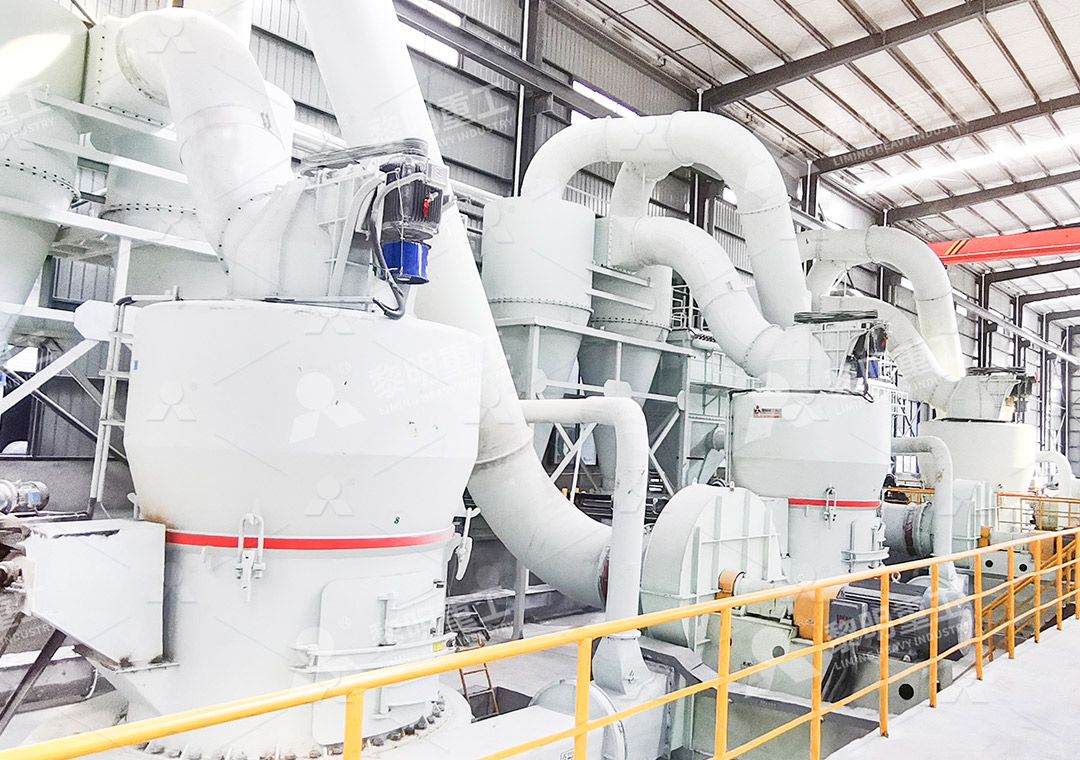
This mill leverages a multi-roller grinding system, typically with six rollers, to achieve superior grinding efficiency. The design reduces energy consumption while increasing throughput, making it suitable for continuous industrial use. Unlike older models, the 6R version integrates modern dust collection and noise reduction systems, aligning with stringent environmental standards. For those seeking alternatives, the MW Ultrafine Grinding Mill from LIMING offers similar ultra-fine capabilities with a capacity range of 0.5-25 tph and adjustable fineness between 325-2500 mesh, ideal for high-precision applications in cosmetics and pharmaceuticals.
Key Features and Technical Advantages
Enhanced Grinding Efficiency
The 6R Raymond Mill uses optimized grinding curves for rollers and rings, directly boosting material breakdown. This design reduces energy waste, achieving up to 40% higher capacity than jet mills and double the yield of ball mills under same power conditions. The system uses only 30% of the energy required by jet mills, making it cost-effective for long-term operations.
Precision Fineness Control
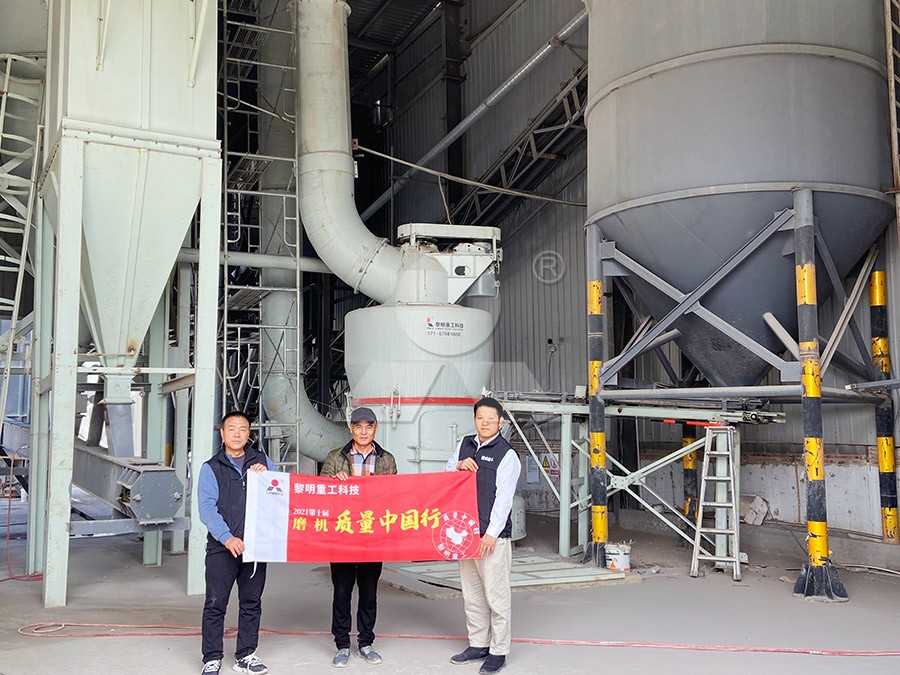
Fineness adjustability ranges from 325 to 2500 mesh, with a screening rate achieving d97≤5μm in a single pass. This precision is enabled by a German-engineered cage-type powder selector, which can be configured for varying yield and particle size requirements. Such accuracy is critical for white cement, where purity and consistency affect final product quality. Another excellent choice for ultra-fine grinding is the LUM Ultrafine Vertical Grinding Mill, which features multi-head powder separating technology and reduces energy consumption by 30-50% compared to common mills, with a capacity of 5-18 tph.
Durable, Maintenance-Friendly Design
The grinding chamber contains no rolling bearings or screws, eliminating common failure points like seal damage or loosening. A lubricating device mounted externally on the main shaft allows non-stop lubrication, enabling 24-hour continuous production. This design significantly cuts downtime and maintenance costs.
Eco-Friendly Operation
Equipped with an efficient pulse dust collector and muffler, the mill ensures dust-free operation with minimal noise. The system meets international environmental standards, making it suitable for urban or regulated industrial sites.
Working Principle
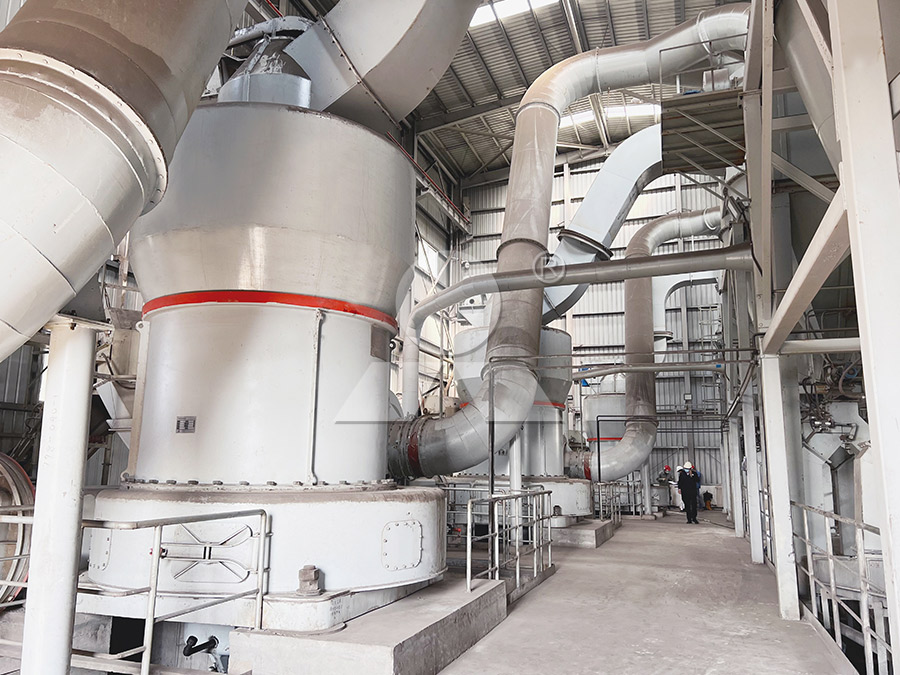
The mill’s motor drives the main shaft and turnplates via a reducer. Rollers rotate against a ring’s raceway through pins. Crushed material from a hammer crusher feeds into a hopper, then a vibrating feeder delivers it evenly to the upper turnplate’s center. Centrifugal force pushes material to the ring’s raceway for initial grinding. After the first pass, material moves to second and third turnplates. A blower draws external air, carrying the ground powder into the separator. Coarse particles return for regrinding, while fine powder collects in a cyclone collector, exiting via a discharge valve. Air with residual dust passes through a filter before release.
Applications and Industry Benefits
White cement producers benefit significantly from this mill’s ability to maintain whiteness and low iron content. The short material residence time (2-3 minutes) reduces contamination and allows rapid quality adjustments. Other applications include calcium carbonate, talc, barite, gypsum, and kaolin processing. Industries such as paint, cosmetics, food additives, and desulfurization also use this equipment for consistent powder quality. The mill’s digital control system enables remote and local operation, improving labor efficiency.
Comparison with Other LIMING Mills
The 6R Raymond Mill competes with LIMING’s MTW-Z European Trapezium Mill (capacity 3-55 tph) and LM Vertical Grinding Mill (capacity 3-340 tph). While the 6R excels in ultra-fine white cement, the MTW-Z offers lower maintenance via dilute oil lubrication and elastic volute damping. The LM vertical mill integrates crushing, drying, and classifying, reducing footprint by 50% compared to ball mills. For high-capacity slag grinding, the LM Vertical Slag Mill (7-100 tph) provides specialized wear-resistant components. Choosing between them depends on capacity needs, material hardness, and space constraints.
Conclusion
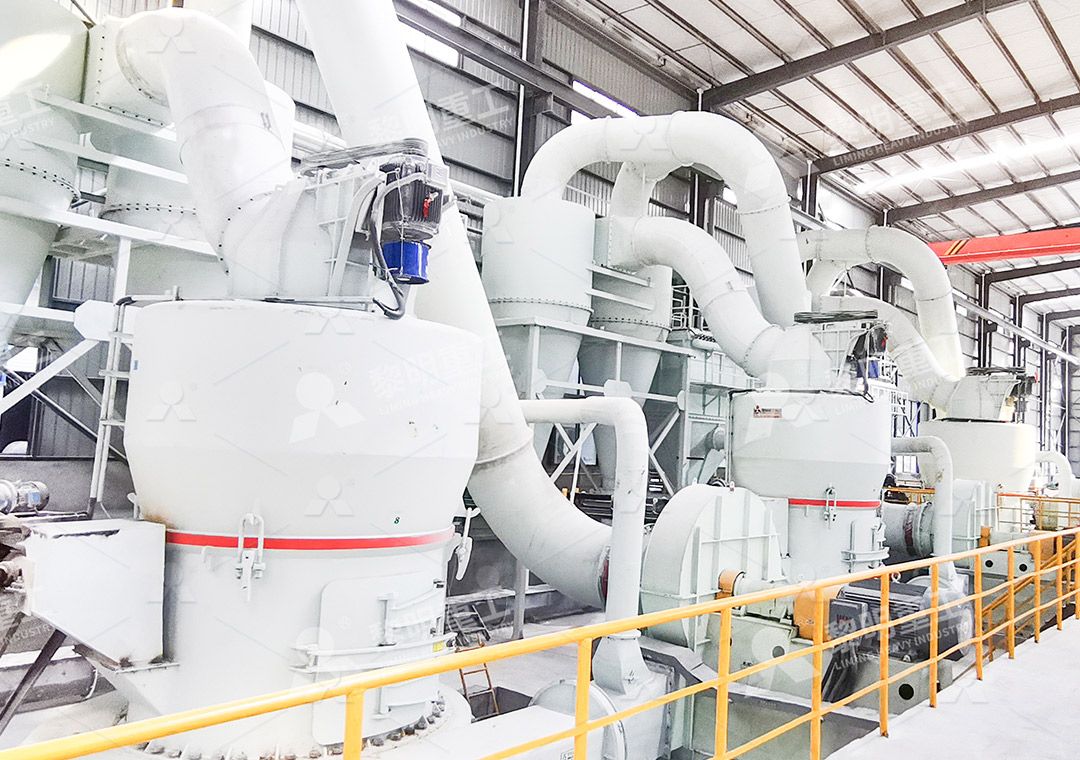
The White Cement 6R Raymond Mill delivers high-efficiency grinding for ultra-fine powder, combining energy savings, precision, and eco-friendly design. Its robust construction ensures long service life with minimal maintenance. For specialized ultra-fine needs, the MW Ultrafine Grinding Mill and LUM Ultrafine Vertical Grinding Mill offer complementary features. LIMING’s commitment to digital manufacturing and spare parts support ensures worry-free operations across all models.
Frequently Asked Questions (FAQs)
- What fineness can the White Cement 6R Raymond Mill achieve? The mill adjusts between 325 and 2500 mesh, with d97≤5μm achievable in one pass using the cage-type separator.
- Is the mill suitable for white cement without contamination? Yes, the short grinding time and direct roller-to-ring contact minimize iron content, preserving whiteness and purity.
- What is the typical capacity range? Capacity varies by model, but the 6R series generally handles 0.6-5 tph for standard Raymond mills, while LIMING offers higher capacities in the MW and LUM series.
- How does energy consumption compare to ball mills? The 6R mill uses 30% less energy than jet mills and can double ball mill yield, with system energy consumption at only 30% of jet mills.
- What maintenance is required? No rolling bearings or screws inside the chamber reduce failures. External lubrication allows non-stop oiling, and reversible structures in some models ease roller replacement.
- Can it process materials other than white cement? Yes, it handles limestone, calcite, dolomite, gypsum, barite, marble, talc, coal powder, and various chemical and mineral products.
- Is dust emission controlled? Yes, an efficient pulse dust collector and muffler ensure no dust pollution and low noise, meeting environmental standards.
- What is the input size requirement? Typical input size is less than 25 mm, similar to standard Raymond mills, with pre-crushing via jaw crusher for larger lumps.
- Are spare parts readily available? LIMING provides original spare parts and technical services for all produced machines, ensuring worry-free operation.
- How does the MW Ultrafine Grinding Mill differ from the 6R? The MW offers higher capacity (0.5-25 tph) and adjustable fineness to 2500 mesh with a German-designed separator, but has a different grinding chamber design without roller bearings or screws.