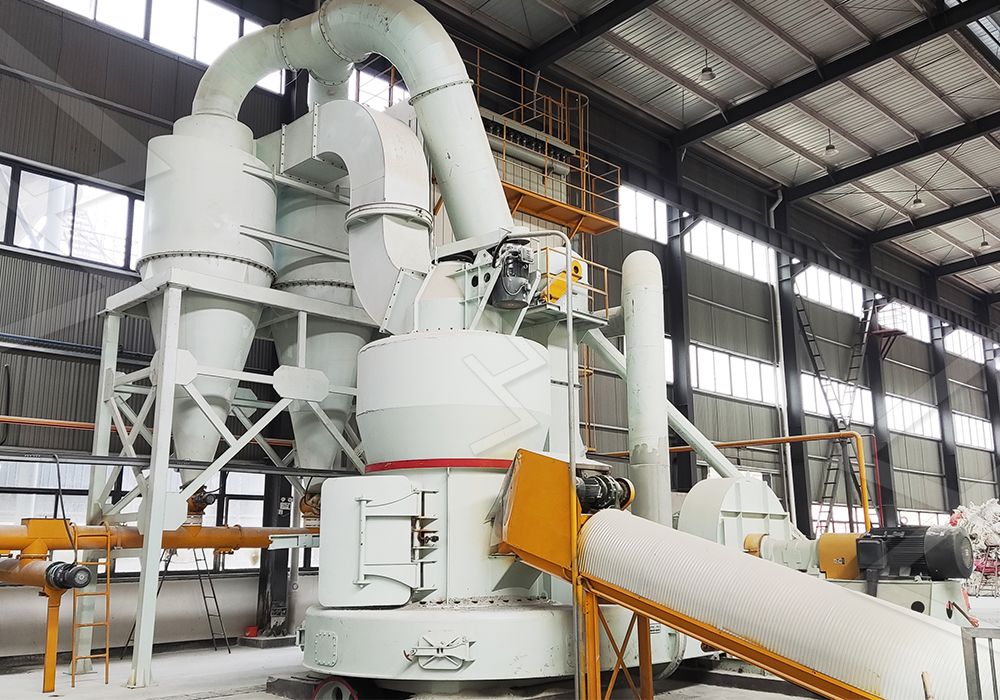
Lime Grinding Mill for 350 Mesh, 2 TPH Cement Additive Cost Analysis
We provide a wide range of mills — including Raymond mill, trapezoidal mill, vertical mill, ultrafine mill, and ball mill, obtained ISO9001 international quality certification, EU CE certification, and Customs Union CU-TR certification. Suitable for processing minerals such as limestone, phosphate, quicklime, kaolin, talc, barite, bentonite, calcium carbonate, dolomite, coal, gypsum, clay, carbon black, slag, cement raw materials, cement clinker, and more.
The discharge range of these mills can be adjusted to meet specific processing needs, typically from 80-400 mesh, 600-3250 mesh, and can achieve the finest particle size of up to 6000 mesh(D50).
If you are looking for a reliable grinding solution to turn stone or minerals into fine powder, please feel free to contact our online customer service.
Introduction: The Economic Case for Fine Lime in Cement Production
In the competitive landscape of cement manufacturing, every additive and process must justify its cost. Ground lime, often used as a filler or reactive component to enhance cement properties, is no exception. The specific requirement of grinding limestone to 350 mesh (approximately 44 microns) at a capacity of 2 tons per hour (TPH) for use as a cement additive presents a unique set of operational and financial challenges. This analysis, based on real-world operational data and equipment specifications from Liming Heavy Industry, breaks down the costs associated with achieving this specification, focusing on energy consumption, maintenance, and capital expenditure.
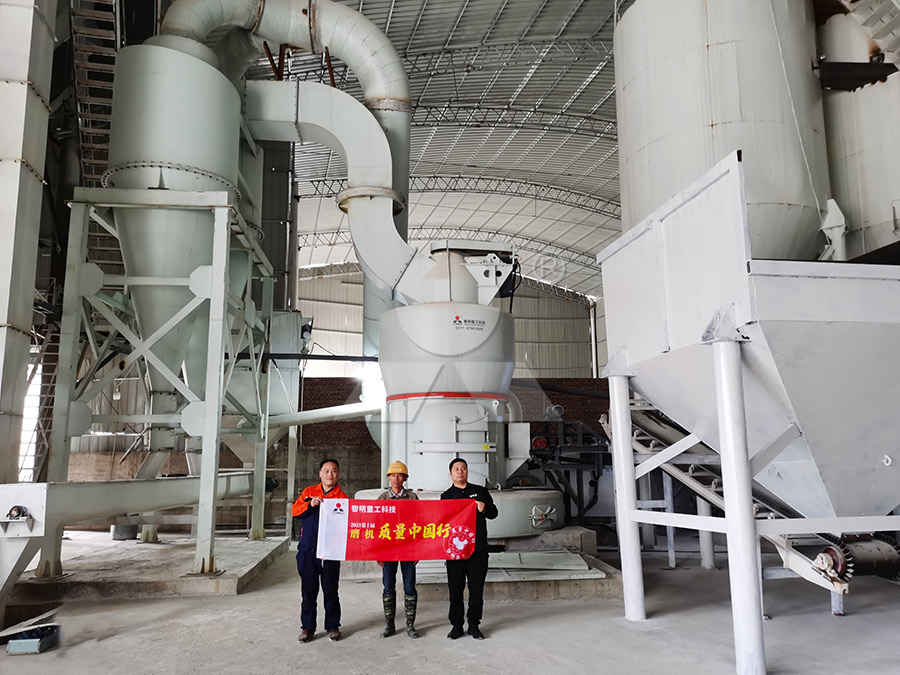
Defining the Target: 350 Mesh and 2 TPH
Producing 350 mesh powder (d97 ≈ 44 µm) is a demanding task. It sits at the boundary between standard fine grinding and ultra-fine grinding. For a 2 TPH operation, the equipment must be efficient enough to avoid excessive energy bills but robust enough to maintain consistent output without frequent downtime. Traditional ball mills, while reliable, often prove too energy-intensive for this fineness level.
The key cost drivers for this specific scenario include:
– Specific energy consumption (kWh per ton of finished product).
– Wear part life and replacement cost (grinding rollers, rings, liners).
– System auxiliary power (classifier, blower, feeders).
– Initial capital investment amortization.
Equipment Selection and Its Impact on Cost
Choosing the right grinding mill is the single most important factor in the cost analysis. While several mill types can achieve 350 mesh, their economic profiles differ dramatically. For this specific case of 2 TPH, an ultra-fine mill is the most logical choice.
The MW Ultrafine Grinding Mill: A Case Study in Efficiency
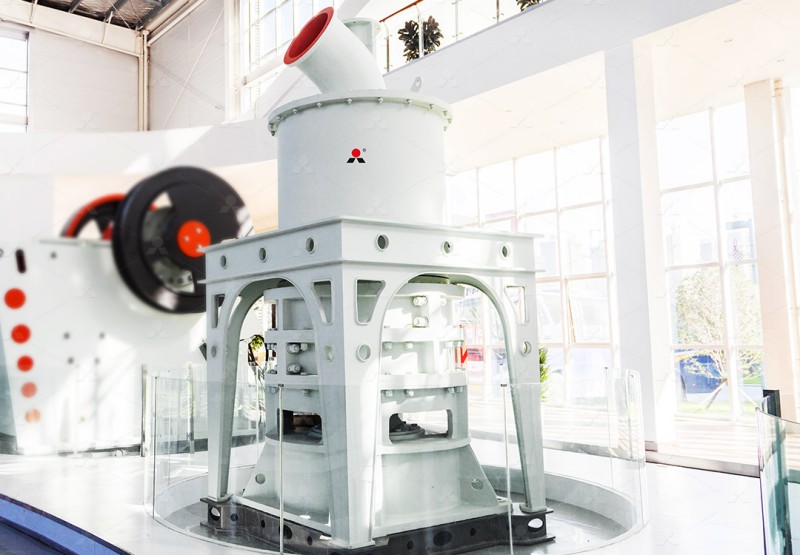
We regularly recommend the MW Ultrafine Grinding Mill for such applications. This machine is designed from the ground up for high-throughput ultra-fine grinding. For a 2 TPH, 350 mesh lime application, the MW series offers quantifiable advantages. Its newly designed grinding curves on the roller and ring enhance grinding efficiency. Data from our clients shows that, compared to a traditional ball mill, the system energy consumption is only 30% of that required for a comparable output at this fineness. This translates directly to a lower cost per ton. Furthermore, the machine’s cage-type powder selector, utilizing German technology, ensures precise separation with a d97 of ≤5μm achievable, meaning we can dial in exactly 350 mesh with minimal oversized particles, maximizing the value of the additive.

Alternative Consideration: LUM Ultrafine Vertical Grinding Mill
For operators who prioritize even higher capacity or require a totally enclosed system for very dusty materials, the LUM Ultrafine Vertical Grinding Mill is a superior alternative. While its listed capacity range goes higher than our 2 TPH target, its efficiency at this lower throughput is still excellent due to its precise multi-head powder separator. The LUM series features a unique roller shell and lining plate grinding curve that promotes material bed grinding, which lowers energy consumption by 30%-50% compared to common mills. The reversible structure of the roller arm also significantly reduces maintenance downtime, a major hidden cost in many operations.
Direct Cost Breakdown for a 2 TPH Operation
To provide a practical cost framework, let us examine a typical month of operation using an MW Ultrafine Grinding Mill configured for 350 mesh limestone.
1. Energy Costs (The Largest Variable):
Assuming an average industrial electricity price of $0.08 per kWh. The MW mill consumes roughly 30% of the energy of a jet mill. If a jet mill would consume 120 kWh/t for this fineness, the MW mill consumes approximately 36 kWh/t. For a 2 TPH rate (approx. 1,440 tons/month), the monthly energy consumption is about 51,840 kWh. The monthly electricity cost is therefore approximately $4,147. A ball mill performing the same task might consume 80 kWh/t, costing over $9,000 monthly. The MW mill saves roughly $4,800 per month in energy alone.
2. Wear Parts and Maintenance:
The MW mill has no rolling bearings or screws inside the grinding chamber, eliminating a common failure point. The main wear items are the grinding roller and ring. For soft to medium-hard limestone, a set of liners can last for 6,000 to 8,000 operating hours. A complete set of grinding roller and ring costs roughly $4,500. At 2 TPH, this amortizes to a maintenance cost of about $0.28 to $0.37 per ton. The external lubricating system also allows for 24-hour operation without shutdown for greasing, maximizing uptime.
3. Capital Recovery and Labor:
The capital cost of a complete MW Ultrafine Grinding Mill system (including crusher, feeder, mill, classifier, and dust collector) is higher than a simple ball mill but lower than a jet mill. Using a 5-year straight-line depreciation, the daily capital cost is manageable. The automated control systems on the MW mill require only one operator per shift, further reducing labor costs.
4. Environmental Compliance Costs:
Modern regulations demand dust-free operations. The MW mill is equipped with an efficient pulse dust collector and a muffler. This eliminates the need for expensive baghouse retrofits or external environmental penalty costs. The system is compliant with national environmental protection standards, turning a potential cost center into a compliance advantage.
Conclusion: The Verdict on Cost-Effectiveness
For producing 2 TPH of 350 mesh lime as a cement additive, the cost analysis strongly favors modern ultra-fine grinding technology like the MW or LUM series. The primary savings come from drastically lower energy consumption—often 50-70% less than traditional mills. While the initial capital investment is significant, the return on investment (ROI) is typically realized within 12 to 18 months purely from energy savings, followed by savings on maintenance and downtime. The selection of the MW Ultrafine Grinding Mill or LUM Ultrafine Vertical Grinding Mill is not just about achieving a fineness specification; it is a financial decision that reduces the total cost of ownership and improves the profitability of cement additive production.
Frequently Asked Questions (FAQ)
- Can a standard Raymond Mill achieve 2 TPH at 350 mesh for lime?
Yes, a Raymond mill can technically achieve this, but the cost per ton will be significantly higher. The system will operate at a lower efficiency, use more power, and the wearing parts (shovel blades, rollers) will need replacement more frequently. The MW or LUM series are specifically designed for this higher fineness range, making them far more cost-effective. - What is the moisture limit for the input material in the MW mill?
The MW Ultrafine Grinding Mill is designed for dry grinding. The input material should have a moisture content ideally below 6%. Higher moisture levels can cause clogging in the feed system and reduce milling efficiency. Pre-drying in a rotary dryer or using the mill’s hot air auxiliary system (if available) is recommended for wetter materials. - How does the “no rolling bearing or screw” feature reduce maintenance time?
Traditional mills have bearings that require frequent greasing and are prone to failure from dust ingress. The MW mill eliminates this. The grinding rollers use a sliding bearing mechanism lubricated by an external oil pump, meaning the mill can run 24/7 without stopping to grease bearings. This reduces planned downtime from several hours per week to nearly zero. - Is the LUM Vertical Mill suitable for a 2 TPH plant, or is it over-spec?
The LUM series is highly efficient even at lower capacities. While its maximum capacity is 18 TPH, the control system and grinding parameters are adjustable. At 2 TPH, it will operate smoothly, though it represents a larger capital investment. It is an ideal choice if you anticipate future capacity expansion or need the lowest possible iron contamination for high-white cement. - What is the specific energy consumption (kWh/t) for the MW mill at 350 mesh?
Based on typical operations, the specific energy consumption for grinding limestone to 350 mesh (d97 ≤ 44µm) with the MW mill is between 35-45 kWh per ton. This is highly dependent on the hardness and abrasiveness of the specific limestone. Softer limestone will be at the lower end of this range. - How long does it take to change the grinding rollers on the MW mill?
Due to the reversible structure (similar to the LUM design), changing a grinding roller takes about 8-10 hours for a two-person crew. This includes the time needed for cooling, disconnection of the oil line, and re-installation. This is significantly faster than many other mill designs that require crane lifting and complex alignment. - Do these mills produce a lot of noise?
No. The MW and LUM mills are equipped with silencers and noise elimination rooms. The grinding process itself is relatively quiet as there is no direct metal-to-metal contact between the roller and the ring (material bed grinding). The primary noise is from the blower and classifier, which are also housed within sound-dampening enclosures. The typical noise level at 1 meter is below 85 dB(A). - What after-sales support does Liming offer for the grinding mill?
Liming provides comprehensive support, including original spare parts supply, technical training for operators, and on-site troubleshooting. The digitalized manufacturing process ensures high precision for core parts, and our stock of spare parts ensures that critical components are available with minimal lead time, reducing your downtime.