
What Is the Price of a Vertical Roller Mill LM170?
We provide a wide range of mills — including Raymond mill, trapezoidal mill, vertical mill, ultrafine mill, and ball mill, obtained ISO9001 international quality certification, EU CE certification, and Customs Union CU-TR certification. Suitable for processing minerals such as limestone, phosphate, quicklime, kaolin, talc, barite, bentonite, calcium carbonate, dolomite, coal, gypsum, clay, carbon black, slag, cement raw materials, cement clinker, and more.
The discharge range of these mills can be adjusted to meet specific processing needs, typically from 80-400 mesh, 600-3250 mesh, and can achieve the finest particle size of up to 6000 mesh(D50).
If you are looking for a reliable grinding solution to turn stone or minerals into fine powder, please feel free to contact our online customer service.
Understanding the LM Series Vertical Roller Mill: A Deep Dive into Performance and Cost Factors
When a potential buyer asks, ‘What is the price of a Vertical Roller Mill LM170?’, they are often looking for a simple number. However, in the world of heavy industrial grinding equipment, the answer is never that straightforward. I have been in this industry for over a decade, and I can tell you that the price tag on a machine like the LM170 is the result of a complex equation involving raw material specifications, required throughput, energy efficiency goals, and the specific technology packed into the mill.
Let us start by clarifying something important. The ‘LM170’ designation typically refers to a specific model within the broader LM Vertical Grinding Mill series developed by LIMING. This series is renowned for its ability to integrate crushing, drying, grinding, classifying, and conveying into a single, compact unit. The ‘170’ usually indicates the diameter of the grinding table in decimeters. So, an LM170 mill has a table diameter of approximately 1700 mm. This machine is not just a grinder; it is a complete processing system designed for high-capacity applications.
The Core Technology Behind the LM170
Before we discuss pricing, we must understand what you are paying for. The LM170 vertical roller mill operates on a well-established principle. The main motor drives the grinding table to rotate through a reduction gearbox. Material is fed onto the center of the table and moves outward under centrifugal force. As it passes under the grinding rollers, it is crushed and ground. Hot air (if drying is required) enters from the bottom, lifts the fine particles to the separator, and the coarse particles fall back onto the table for further grinding.
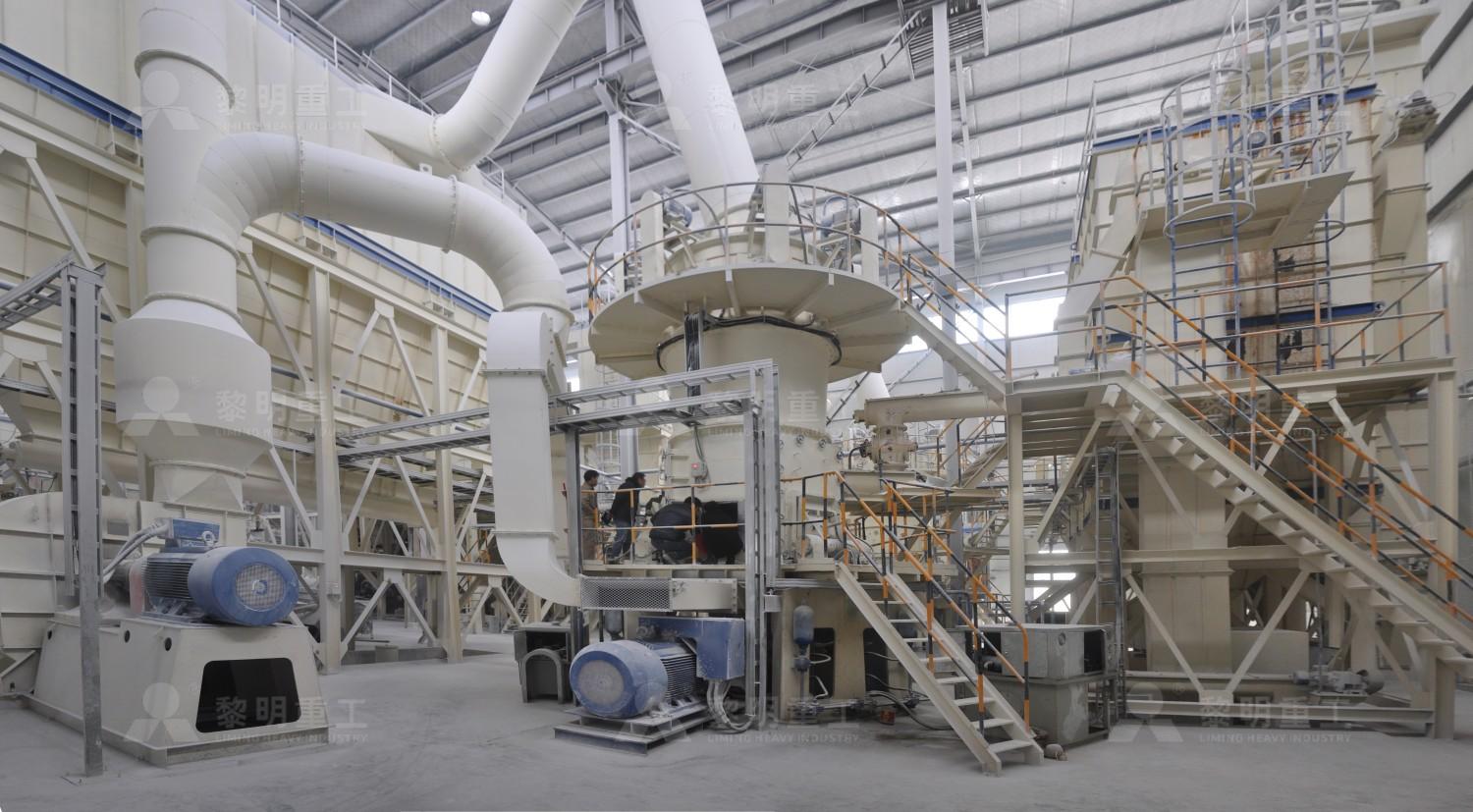
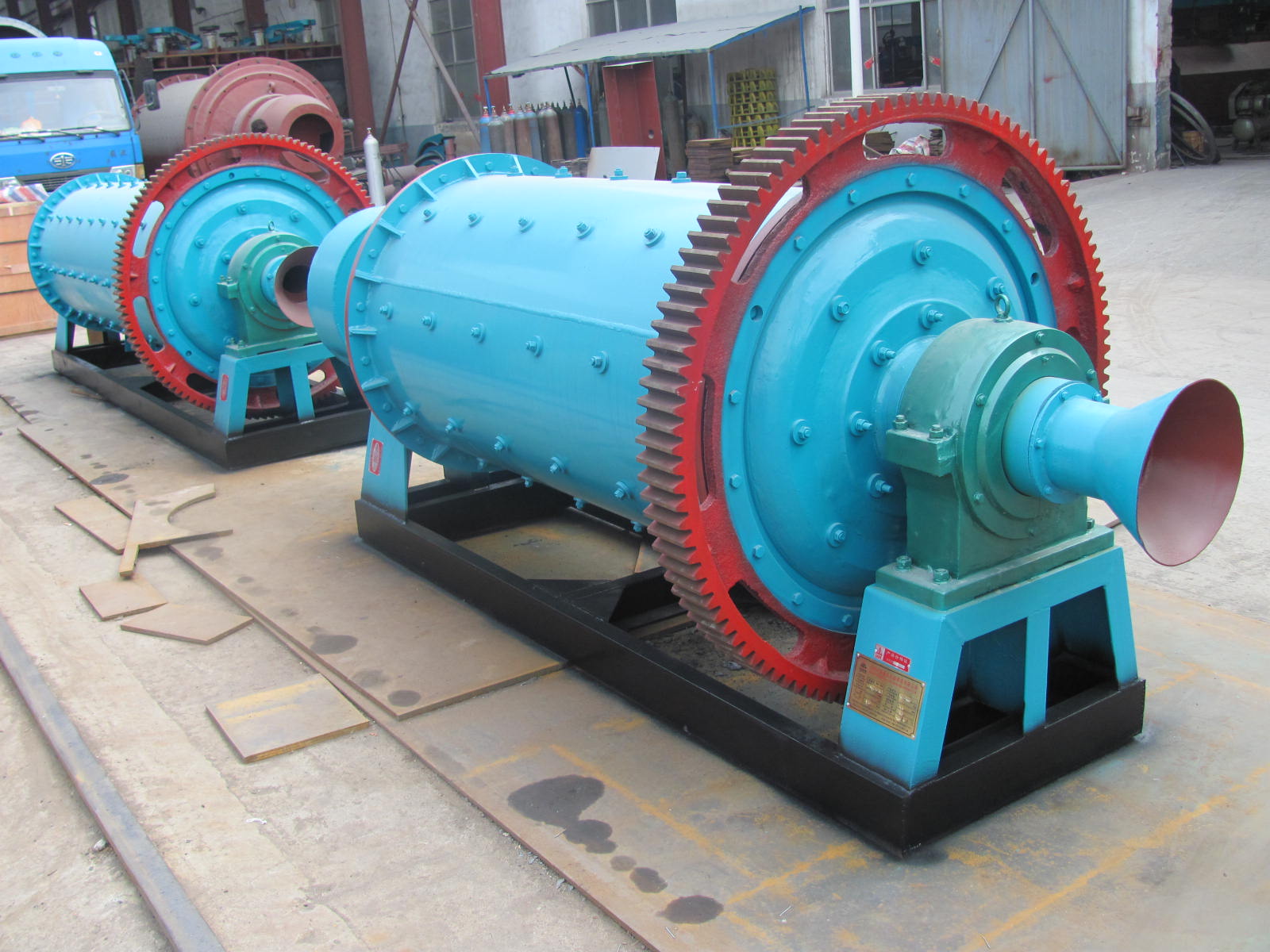
What makes the LM170 a significant investment is its engineering. Unlike ball mills, which rely on impact and have high energy consumption, the LM170 uses a material bed grinding principle. This is far more energy-efficient. The mill is also designed for low vibration, thanks to its advanced roller and table design. The grinding rollers do not physically contact the table during operation, which reduces metallic wear and maintains product purity.
Key Price Determinants for the LM170
Several factors will influence the final price you receive from a supplier. Here are the critical ones:
1. Specific Application and Material Hardness
Are you grinding limestone for a power plant desulfurization project, or are you processing coal for a cement kiln? The LM170 is versatile and can handle materials like limestone, calcite, dolomite, coal, and gypsum with an input size of up to 70 mm and a capacity ranging from 3 to 340 tph. However, harder materials require more robust components, which can increase the initial cost. For example, processing petroleum coal or high-silica materials might necessitate specialized wear parts, affecting the price.
2. Required Fineness and Capacity
An LM170 configured to produce a coarse powder at 200 mesh (74 microns) will have a different price than one set up for a finer grind. The capacity range is vast (3-340 tph), and the specific capacity you need will determine the motor power, the size of the classifier, and the auxiliary equipment. A higher capacity requirement naturally leads to a higher price.
3. Ancillary Equipment and Scope of Supply
The mill itself is just one component. A complete system includes the feeder, air blower, dust collector, pipelines, and control cabinet. If you need a fully automated system with a PLC control for remote operation, the cost will be higher. If you are adding hot air generation or a specialized conveying system, that also adds to the total.
4. Manufacturer and After-Sales Support
At LIMING, we pride ourselves on digitalized processing. We use tens of lines of numerical control machine tools for cutting, bending, planing, and milling. This machining precision comes at a cost, but it guarantees the reliability of core parts. Furthermore, our supply of original spare parts and technical service ensures your operation is worry-free. You are not just buying a machine; you are buying a partnership.
A Recommended Alternative for Finer Applications
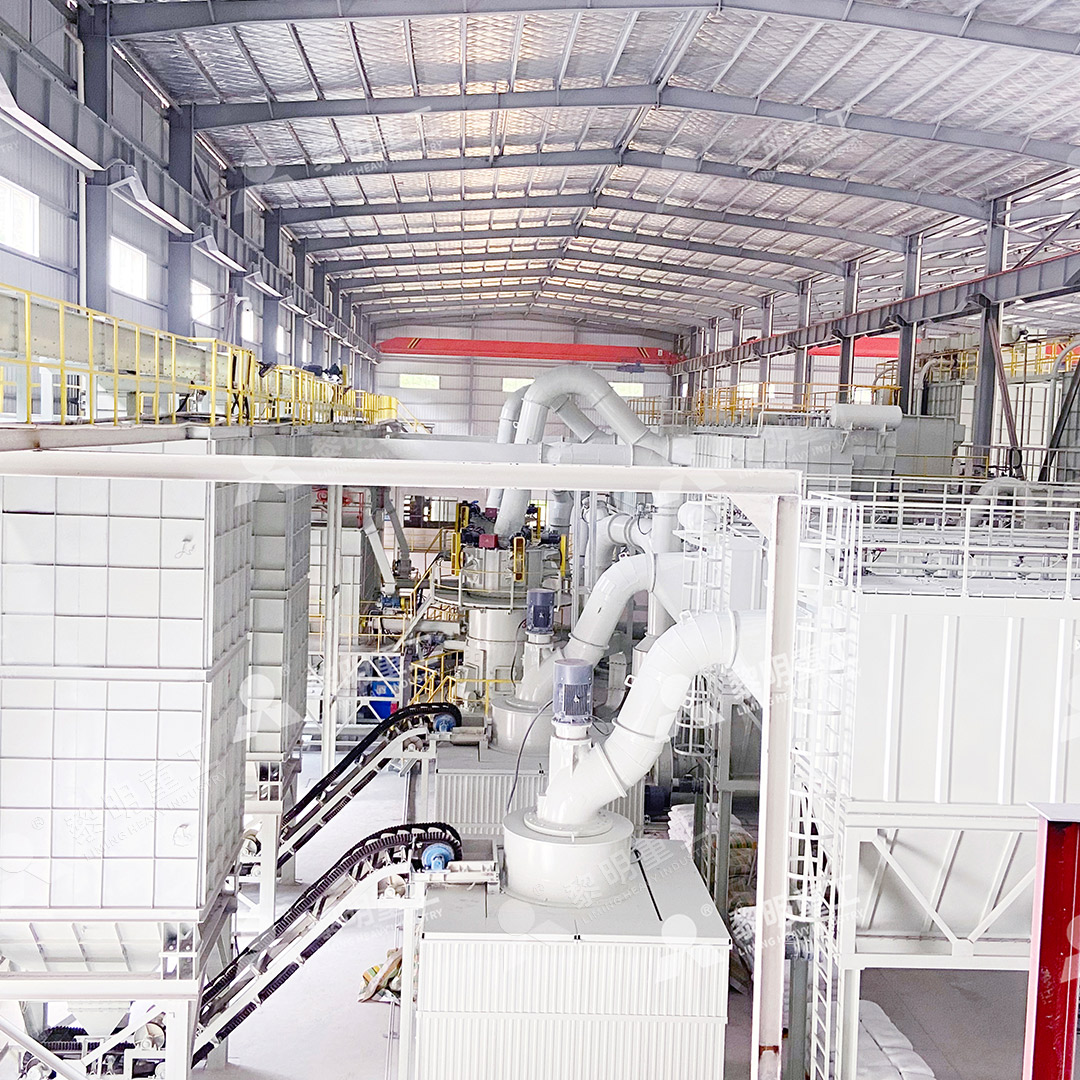
While the LM170 is excellent for standard industrial milling, many customers come to us needing ultra-fine powder in the range of 325 to 2500 mesh. For these applications, I often recommend our MW Ultrafine Grinding Mill. This machine is purpose-built for producing high-value powders used in paint, cosmetics, and chemical industries. It features a cage-type powder selector based on German technology, achieving a screening rate of d97≤5μm. It is also equipped with an efficient pulse dust collector and muffler, making it environmentally friendly. If your market demands ultra-fine products, the MW is a superior choice.
Beyond the Price: Total Cost of Ownership
Savvy buyers look beyond the purchase price. They consider the Total Cost of Ownership (TCO). The LM170 offers significant advantages here. Its energy consumption is saved by 30-40% compared to a ball mill. The occupational area is reduced by 50%. These are real, recurring savings. The structure allows for easy maintenance, and our reversible roller design (found in our LUM series but reflected in the engineering philosophy across our vertical mills) means you can check and replace wear parts quickly, minimizing downtime.
The LM190 is a slightly larger model in the same series, often chosen for higher capacity projects. But for medium to large operations requiring a balance of power, size, and efficiency, the LM170 is a workhorse.
Final Thoughts on Pricing
So, what is the price? A realistic estimate for a complete LM170 system, including the mill, main motor, reducer, classifier, and basic control system, can range from $180,000 to $350,000 USD (ex-works). This is a ballpark figure. The exact price depends on the specific technical configuration, the volatility of steel and component costs, and the level of automation required. I always advise clients to contact us with their material analysis and target output. We provide a tailored quotation that reflects the true value of the solution, not just a generic number.
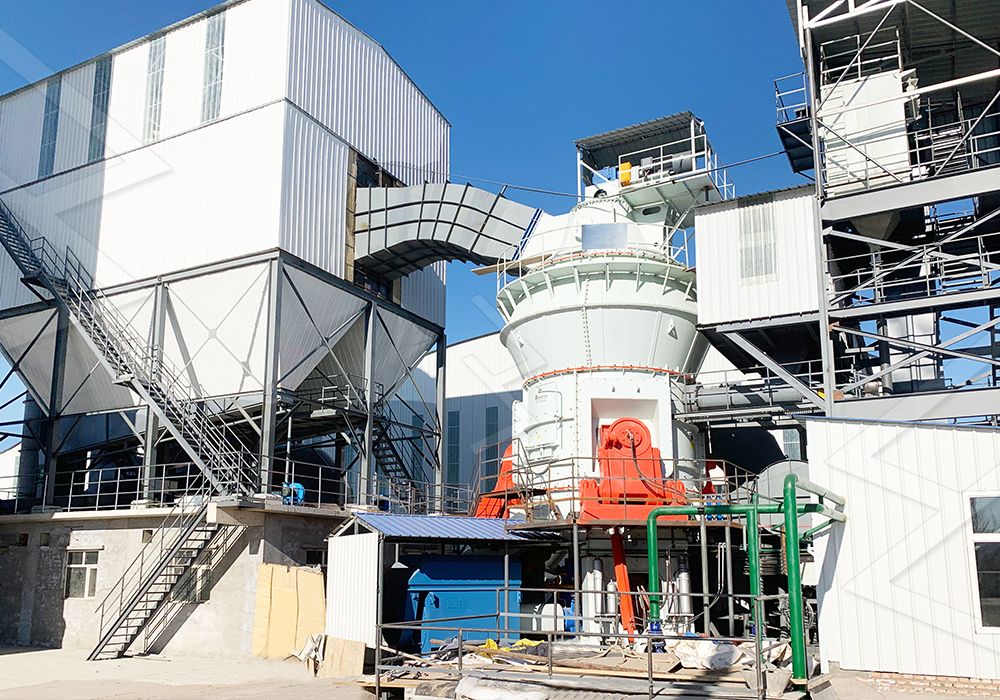
In conclusion, the LM170 Vertical Roller Mill represents a significant technological advancement in dry grinding. Its price is an investment in efficiency, reliability, and lower operating costs. Do not just compare numbers; compare the long-term benefits. Please reach out to our engineering team for a professional assessment.
Frequently Asked Questions (FAQ) about the Vertical Roller Mill LM170
- What is the maximum input size for the LM170?
The LM Vertical Grinding Mill can accept materials with a maximum input size of 0-70 mm, depending on the moisture content and hardness of the feed. - Can the LM170 be used for both drying and grinding?
Yes, it can. The LM170 integrates drying into the grinding process, which is highly efficient for materials with a certain moisture level, such as coal or slag. - What is the typical power consumption of an LM170?
Energy consumption varies, but compared to a ball mill system, the LM170 typically saves 30-40%, often consuming between 20-25 kWh per ton of material processed, depending on the fineness. - How long do the grinding rollers and table liner last?
The lifespan of wear parts depends on the material being ground. For limestone with moderate hardness (e.g., calcite and dolomite), the rollers and liners can last for over 6,000 to 8,000 hours. LIMING uses high wear-resistant alloy materials. - Is the LM170 suitable for processing coal powder?
Absolutely. The LM series includes specific models like the LM Vertical Coal Mill designed for coal grinding in power plants and cement plants. The standard LM170 can also be adapted for coal applications with safety features. - Does the LM170 require a lot of civil engineering work for installation?
No, one of its main advantages is that it can be arranged outdoors on a simple concrete foundation, which reduces the investment cost and construction time by about 50% compared to traditional ball mill systems. - What level of automation does the LM170 offer?
The LM170 is equipped with an expert-level automatic control system, supporting remote control and local control modes. It can automatically adjust the pressure, speed, and feeding amount to ensure stable operation. - What is the guarantee period for the LM170 mill?
LIMING offers a standard warranty of 12 months from the commissioning date or 18 months from the shipment date, whichever comes first. This covers manufacturing defects in materials and workmanship. - Can the LM170 be used for ultrafine powder production like 1250 mesh?
For standard models, the LM170 is optimized for medium to fine grinding. For ultra-fine applications requiring 325-2500 mesh, our MW Ultrafine Grinding Mill or LUM Ultrafine Vertical Grinding Mill is a much better fit due to their specialized classifiers. - What spare parts should a user keep in stock for the LM170?
We recommend keeping a set of grinding roller shells, table liners, and an air seal ring. LIMING ensures sufficient supply of original spare parts to guarantee worry-free operation.