
Calcite Grinding Mill: A Key Member of Liming Heavy Industry’s Industrial Mill Product Line
We provide a wide range of mills — including Raymond mill, trapezoidal mill, vertical mill, ultrafine mill, and ball mill, obtained ISO9001 international quality certification, EU CE certification, and Customs Union CU-TR certification. Suitable for processing minerals such as limestone, phosphate, quicklime, kaolin, talc, barite, bentonite, calcium carbonate, dolomite, coal, gypsum, clay, carbon black, slag, cement raw materials, cement clinker, and more.
The discharge range of these mills can be adjusted to meet specific processing needs, typically from 80-400 mesh, 600-3250 mesh, and can achieve the finest particle size of up to 6000 mesh(D50).
If you are looking for a reliable grinding solution to turn stone or minerals into fine powder, please feel free to contact our online customer service.
Introduction: The Workhorse of Non-Metallic Mineral Processing
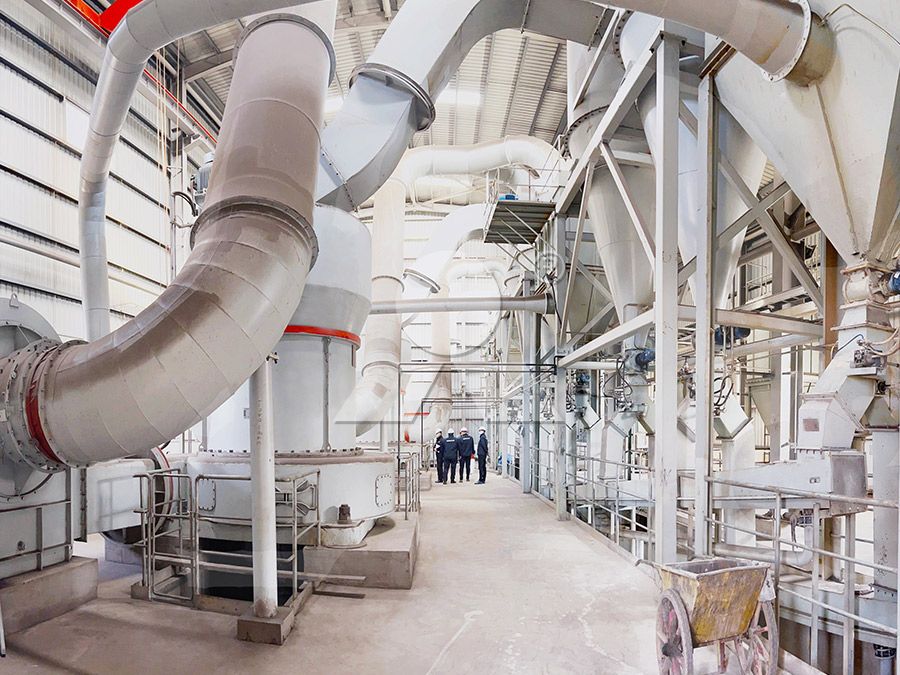
When we talk about industrial milling, calcite often takes center stage. It is one of the most common non-metallic minerals, and its applications range from construction materials to plastics, paints, and even agriculture. For years, I have seen operators struggle with equipment that either consumes too much power or fails to deliver the consistent fineness required for high-value products. That is where Liming Heavy Industry’s lineup of calcite grinding mills steps in. These machines are not just tools; they are engineered solutions designed to tackle real-world production challenges.
Among the portfolio, the MW Ultrafine Grinding Mill and the LUM Ultrafine Vertical Grinding Mill stand out as premier choices for calcite processing. Whether you need a fine powder for the paper industry or an ultra-fine product for cosmetics, these mills deliver reliability and efficiency. Let me walk you through why these machines have become the backbone of modern calcite grinding operations.
Why Calcite Demands Specialized Grinding Technology
Calcite is relatively soft, ranking around 3 on the Mohs scale, but that does not mean it is easy to grind. The challenge lies in achieving a uniform particle size distribution while keeping energy costs under control. Traditional ball mills, for instance, often waste energy due to excessive friction and heat generation. Moreover, they tend to produce a wide range of particle sizes, which is not ideal for applications requiring precise specifications.
Liming Heavy Industry has addressed these issues head-on. Take the MW Ultrafine Grinding Mill, for example. With an input size of 0-20 mm and a capacity ranging from 0.5 to 25 tph, it is designed for customers who need ultra-fine powder. The machine’s grinding curves have been newly designed to enhance efficiency. In my experience, this means you get a 40% higher yield compared to jet mills, while consuming only 30% of the energy. That is not just a number on paper; it translates to lower electricity bills and shorter payback periods.
Diving into the Technology: What Makes These Mills Tick
Let me share some technical insights that I have gathered from working with these machines in the field. The MW Ultrafine Grinding Mill uses a multi-stage grinding process. The material falls from the center of the upper turnplate and is crushed in the first raceway. It then moves to the second and third turnplates for further refinement. The blower carries the fine powder to a separator, where a turbine ensures that only particles meeting the desired fineness pass through. The fineness can be adjusted between 325 and 2500 mesh, with a screening rate achieving d97 ≤ 5 μm in a single pass.
One feature that always impresses me is the absence of rolling bearings and screws inside the grinding chamber. This eliminates common maintenance headaches like bearing damage or loose screws. The lubricating device is installed externally, allowing for 24-hour continuous operation without shutdowns. For plant managers, this means less downtime and more consistent production schedules.
Now, if you are looking for a higher capacity solution, the LUM Ultrafine Vertical Grinding Mill is worth considering. With an input size of 0-10 mm and a capacity of 5-18 tph, it incorporates Taiwan grinding roller technology and German powder separating technology. The unique roller shell and lining plate grinding curve prevent issues like material lingering and high iron content. This design improves the whiteness and cleanliness of the final product—a critical factor for industries like paint and cosmetics.
Real-World Performance: Energy Savings and Environmental Compliance
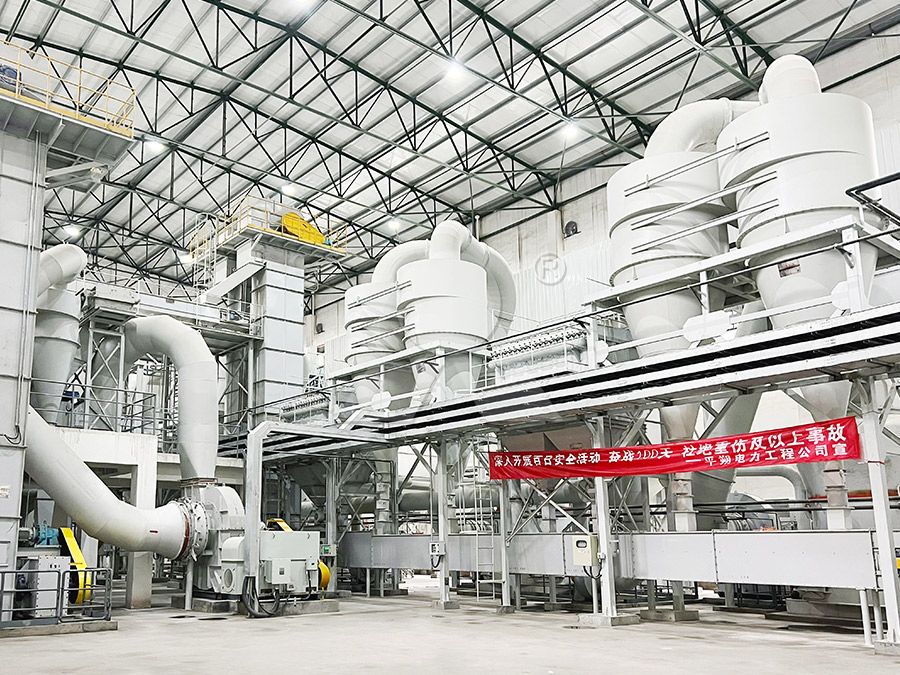
I have visited several plants using these mills, and the feedback consistently highlights two things: energy savings and environmental friendliness. The MW Ultrafine Grinding Mill is equipped with an efficient pulse dust collector and a muffler. During operation, there is no dust pollution, and noise levels are kept low. This is not just about being eco-friendly; it is about meeting strict regulatory standards without additional investment in secondary treatment systems.
From an energy perspective, the system energy consumption of the MW mill is only 30% of a jet grinding mill. For a plant running 24/7, this can result in thousands of dollars in savings annually. The LUM mill goes a step further with its PLC control system and multi-head powder separating technology, reducing energy consumption by 30% to 50% compared to common mills. These are not marginal improvements; they are game-changers for operational budgets.
Maintenance and Durability: Built for the Long Haul
In the grinding business, wear and tear is inevitable. However, Liming has designed these mills to minimize maintenance frequency and costs. The MW Ultrafine Grinding Mill has no rolling bearings or screws in the grinding chamber, which means fewer parts to replace. The LUM mill features a reversible structure that allows operators to easily move the grinding roller out of the body for inspection or replacement. This reduces shutdown losses significantly.
Additionally, both mills benefit from digitalized processing. Liming uses tens of lines of numerical controlling machine tools for cutting, bending, planing, and milling. The precision is high, especially for core parts, which translates to longer service life. Spare parts are readily available, and Liming offers technical services to ensure worry-free operation. I have seen plants run these machines for years with only routine maintenance, which speaks volumes about their build quality.
Practical Applications: From Limestone to Barite
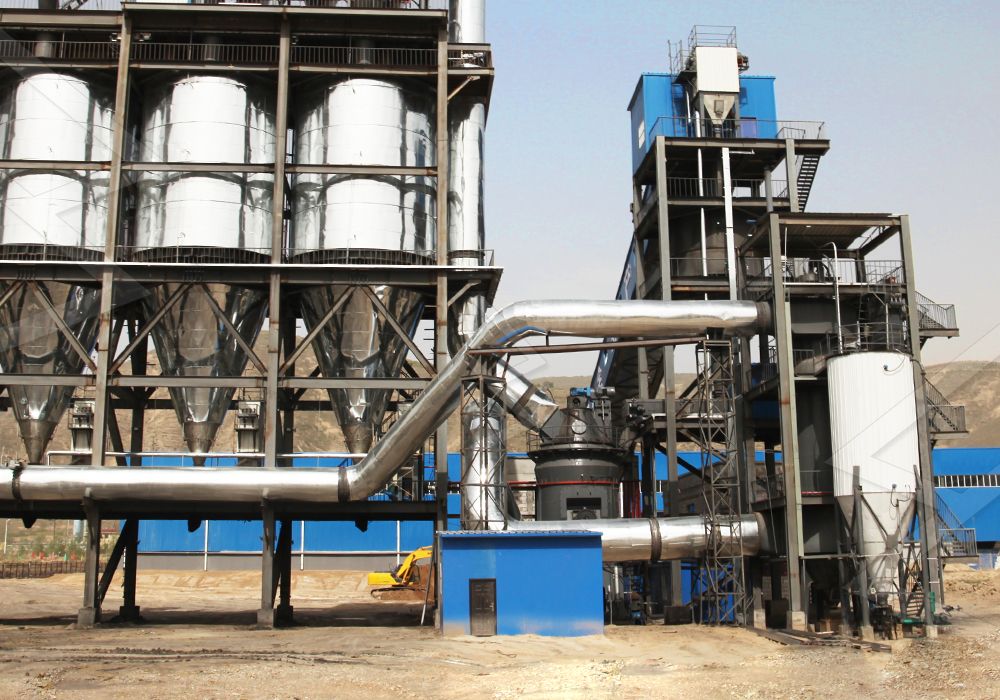
While this article focuses on calcite, it is worth noting that these mills are versatile. The MW Ultrafine Grinding Mill handles materials like limestone, dolomite, barite, marble, talc, and coal powder. It is used in industries ranging from chemical processing to cosmetics, medicine, and food additives. The LUM mill is similarly adept, with applications in superfine dry powder production for non-metal ores.
For example, in a plant processing calcite for the paper industry, the MW mill achieved a fineness of 1250 mesh with a throughput of 8 tph. The operator reported that the powder consistency was far better than what they achieved with their previous ball mill, and energy costs dropped by 35%. In another case, a facility grinding barite for oil drilling fluids used the LUM mill to produce 10 tph of D97 ≤ 10 μm powder. The reversible structure allowed them to replace the roller shell in under two hours, minimizing downtime.
Final Thoughts: Choosing the Right Machine
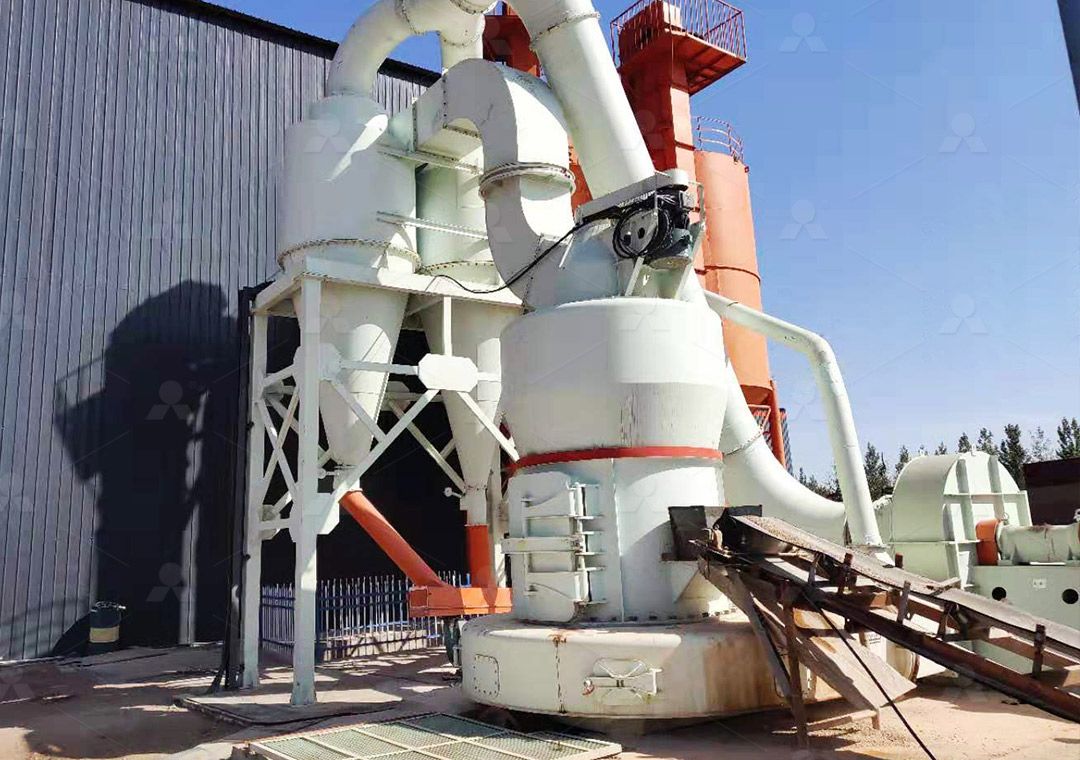
Selecting the right calcite grinding mill depends on your specific needs. If you prioritize ultra-fine powder with high precision and low energy consumption, the MW Ultrafine Grinding Mill is an excellent choice. For higher capacities and advanced automation, the LUM Ultrafine Vertical Grinding Mill offers superior performance. Both machines are backed by Liming’s commitment to digitalized manufacturing and comprehensive spare parts support.
In my years in this industry, I have learned that the best equipment is the one that delivers consistent results without unexpected breakdowns. Liming’s calcite grinding mills have proven themselves in hundreds of installations worldwide. Whether you are a small operator or a large-scale producer, these machines deserve your consideration.
Frequently Asked Questions (FAQ)
1. What is the maximum feed size for the MW Ultrafine Grinding Mill?
The maximum input size for the MW Ultrafine Grinding Mill is 0-20 mm. For larger materials, pre-crushing with a hammer crusher is recommended.
2. Can the LUM Ultrafine Vertical Grinding Mill handle materials other than calcite?
Yes, the LUM mill is designed for a variety of non-metallic minerals, including limestone, dolomite, barite, marble, talc, and coal powder. It is also used for superfine dry powder processing.
3. How does the fineness adjustment work on these mills?
Both the MW and LUM mills allow fineness adjustment. The MW mill uses a cage-type powder selector with German technology, adjustable between 325 and 2500 mesh. The LUM mill adjusts fineness by changing the rotating speed of the rotor in the powder concentrator.
4. What are the environmental features of these grinding mills?
The MW Ultrafine Grinding Mill is equipped with a pulse dust collector and a muffler, ensuring minimal dust and noise pollution. The LUM mill operates under negative pressure, which prevents dust from escaping, and the system meets strict environmental standards.
5. How often do I need to replace spare parts like the grinding roller and ring?
The lifespan of wear parts depends on the material being ground and the operating conditions. However, Liming’s wear-resistant alloy parts are designed to last 1.7 to 2.5 times longer than traditional high manganese steel parts. Regular inspections are recommended, and spare parts are readily available.
6. Can these mills run continuously for 24 hours?
Yes, the MW Ultrafine Grinding Mill features an external lubricating device that allows for lubrication without shutdown, enabling continuous 24-hour operation. The LUM mill also supports extended operation, though regular maintenance checks are advised.
7. What is the energy consumption compared to a ball mill?
The MW Ultrafine Grinding Mill consumes only 30% of the energy of a jet mill, and its yield is twice that of a ball mill. The LUM mill reduces energy consumption by 30% to 50% compared to common grinding mills.
8. Do I need special training to operate these mills?
While the mills are designed with user-friendly controls, including PLC systems for automation, basic training in mill operation is recommended. Liming offers technical services and support to ensure smooth operation.