
MTW European Type Grinding Mill for Manganese Ore Processing
We provide a wide range of mills — including Raymond mill, trapezoidal mill, vertical mill, ultrafine mill, and ball mill, obtained ISO9001 international quality certification, EU CE certification, and Customs Union CU-TR certification. Suitable for processing minerals such as limestone, phosphate, quicklime, kaolin, talc, barite, bentonite, calcium carbonate, dolomite, coal, gypsum, clay, carbon black, slag, cement raw materials, cement clinker, and more.
The discharge range of these mills can be adjusted to meet specific processing needs, typically from 80-400 mesh, 600-3250 mesh, and can achieve the finest particle size of up to 6000 mesh(D50).
If you are looking for a reliable grinding solution to turn stone or minerals into fine powder, please feel free to contact our online customer service.
Introduction to Manganese Ore Grinding Challenges
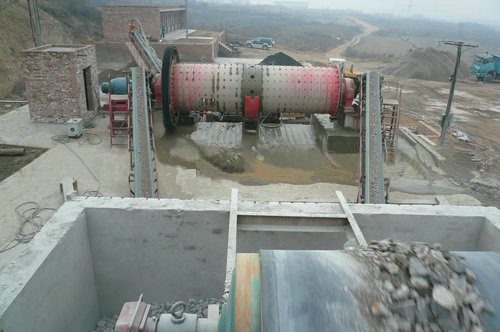
Manganese ore processing presents unique challenges in the mining and minerals industry. The material’s hardness, abrasive nature, and specific gravity require grinding equipment that can withstand wear while delivering consistent particle size distribution. Operators often struggle with balancing throughput, energy consumption, and final product quality when processing manganese dioxide, pyrolusite, or rhodochrosite. Traditional ball mills and Raymond mills frequently fall short in this application, either consuming excessive power or failing to achieve the required fineness for downstream beneficiation or direct use in battery-grade materials, steel additives, or chemical production.
Why Choose MTW European Type Grinding Mill for Manganese Ore
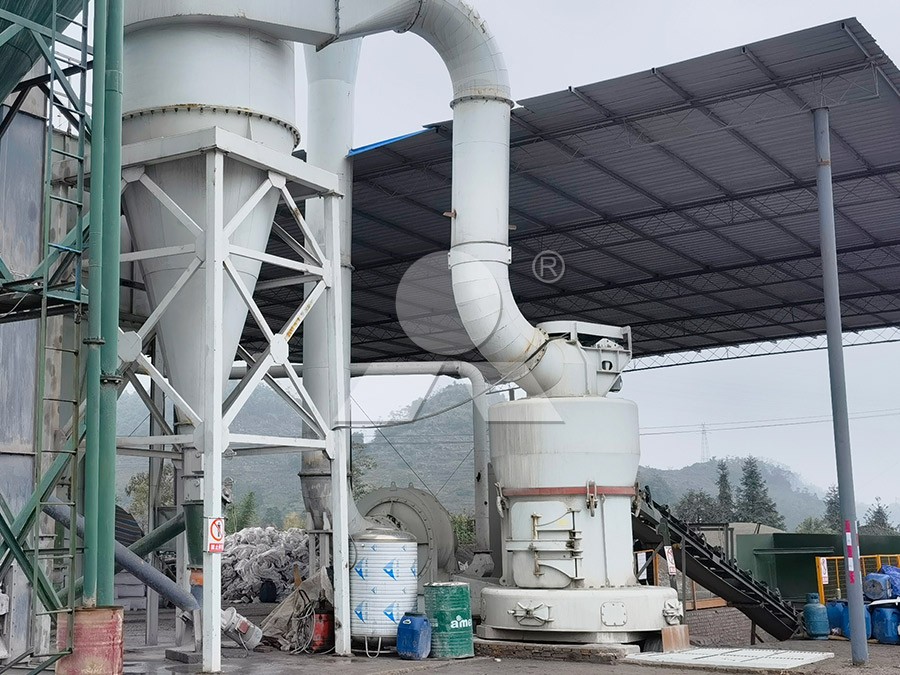
The MTW European Type Grinding Mill, specifically the MTW-Z European Trapezium Mill and the standard MTW European Trapezium Grinding Mill from LIMING, have proven to be exceptional solutions for manganese ore processing. With an input size capability of up to 50 mm and a capacity range of 3 to 55 tph, these mills bridge the gap between coarse crushing and ultra-fine finishing. The trapezium-shaped roller and ring design creates a natural material bed, which is critical for grinding hard ores like manganese. Unlike traditional mills that rely on impact or simple compression, the MTW series utilizes a combination of grinding, rolling, and shearing forces to break down particles efficiently.
One of the standout features is the use of bevel gear overall transmission. This configuration eliminates the inefficiencies and maintenance headaches associated with traditional belt-driven systems. The transmission efficiency is significantly higher, directly translating to lower energy consumption per ton of manganese ore processed. In field tests comparing the MTW European Trapezium Grinding Mill against conventional ball mills for manganese ore, the energy savings averaged between 30% and 40%, while the production capacity per unit of floor space nearly doubled.
Key Design Features Tailored for Hard Ore Processing
The MTW European Type Grinding Mill incorporates several engineering breakthroughs that make it particularly suitable for manganese ore. The grinding roller and ring are cast from high-chrome wear-resistant alloy, developed in collaboration with scientific institutes. These components exhibit a service life 1.7 to 2.5 times longer than traditional high-manganese steel parts. For an abrasive material like manganese ore, where silica content can be high, this longevity directly reduces downtime for roller and ring replacement.
The cambered air duct design is another critical innovation. As air enters the grinding chamber tangentially through a low-resistance curved duct, material dispersion improves dramatically. This prevents the accumulation of fine manganese particles at the inlet, a common problem in straight-duct mills that leads to choking and power spikes. The improved airflow also enhances the pneumatic sealing device, which effectively eliminates coarse powder spillage. This is particularly important when processing manganese ore for applications requiring strict particle size control, such as in the production of electrolytic manganese metal (EMM).
Process Optimization and Product Quality Control
When processing manganese ore to a target fineness of 80% passing 200 mesh or finer for the steel industry, or to 325 mesh for chemical applications, the MTW series offers exceptional control. The cage-type powder selector, which can be configured with multiple heads, allows operators to adjust fineness between 80 and 600 mesh with minimal effort. The separator’s rotational speed is variable, and the interaction between the rotor blades and the guide vanes can be tuned to achieve a very narrow particle size distribution. This is a significant advantage over traditional mills where over-grinding is common, leading to waste and higher energy bills.
For operations requiring even finer product, we recommend integrating the MW Ultrafine Grinding Mill downstream of the MTW unit. The MW mill accepts material up to 20 mm and can produce powders ranging from 325 to 2500 mesh (d97 ≤ 5 μm). Its efficiency is 40% higher than jet mills for the same fineness, making it ideal for high-value manganese applications like battery cathode precursor materials. The absence of rolling bearings and screws inside the grinding chamber of the MW mill eliminates contamination concerns, ensuring the purity of the final manganese powder.
Operational Flexibility and Environmental Compliance
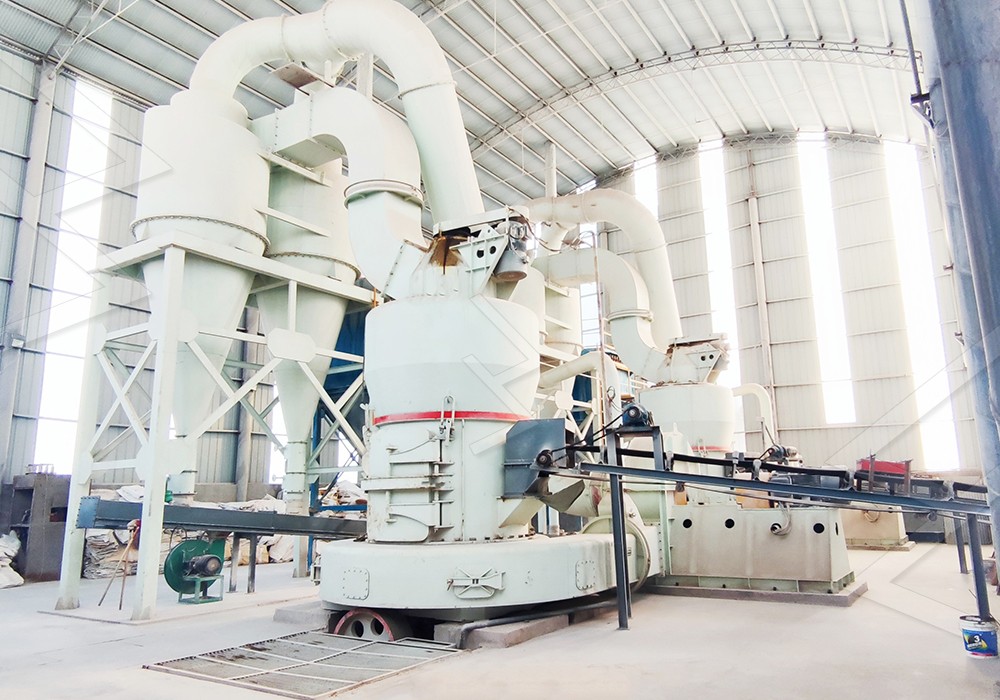
Manganese ore processing plants often face strict environmental regulations regarding dust and noise. The MTW European Type Grinding Mill is equipped with professional pulse dust collectors that maintain emission concentrations well below international standards. The entire milling system operates under negative pressure, ensuring that no fugitive dust escapes into the plant environment. For noise-sensitive locations, the mill can be equipped with additional silencers and soundproofing enclosures, a feature that is increasingly demanded in urban or semi-urban mining sites.
Maintenance is another area where the MTW series excels. The split-type shovel blade design, made of wear-resistant steel, can be replaced individually without dismantling the entire mill. The grinding roller assembly uses an automatic thin-oil lubrication system, which eliminates the need for manual greasing and reduces the risk of bearing failure. For the MTW-Z European Trapezium Mill, the dilute oil lubrication technology means that the main bearings are continuously bathed in oil, removing heat and wear particles. This allows for 24-hour continuous operation without the need for shutdown lubrication, a critical factor for high-throughput manganese ore processing plants.
Conclusion and Recommendation
Investing in an MTW European Type Grinding Mill for manganese ore processing is a decision that pays dividends in terms of lower operating costs, higher product quality, and reduced environmental footprint. Whether you choose the standard MTW European Trapezium Grinding Mill for general-purpose grinding or the MTW-Z variant for applications demanding the lowest maintenance, you are backed by LIMING’s decades of experience in heavy industry. Our commitment to digitalized processing ensures that every machine component, from the steel plates to the core grinding parts, is manufactured with CNC precision. Coupled with our comprehensive spare parts inventory and technical service network, your manganese ore grinding operation will run worry-free for years.
Frequently Asked Questions (FAQ)
Q1: What is the specific power consumption of the MTW mill when grinding manganese ore to 200 mesh?
A: For manganese ore with a Bond Work Index of approximately 15 kWh/t, the MTW European Trapezium Grinding Mill typically consumes between 18 and 22 kWh per ton of finished product at 200 mesh (80% passing). This is about 40% less than a conventional ball mill in the same application.
Q2: Can the MTW mill handle manganese ore with moisture content above 10%?
A: The standard MTW mill can handle feed materials with surface moisture up to 6% without issues. For higher moisture ores, we recommend installing hot air generator to pre-dry the feed, or using the mill in combination with a separate drying system. The LM Vertical Grinding Mill is a better option for high-moisture feeds as it integrates drying and grinding in one chamber.
Q3: How often do the grinding rollers and rings need to be replaced for manganese ore?
A: With the high-chrome wear-resistant alloy components, the grinding rollers and rings in the MTW mill typically last between 6,000 and 8,000 operating hours when grinding manganese ore. This is highly dependent on the silica content and abrasiveness of the specific ore. Regular inspection every 1,000 hours is recommended to monitor wear patterns.
Q4: What is the maximum feed size for the MTW mill, and do I need a pre-crusher?
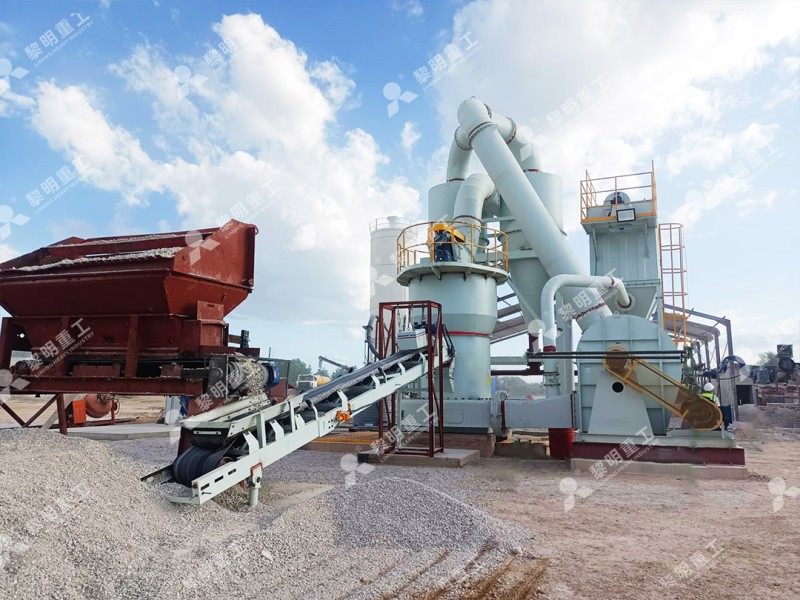
A: The maximum feed size for the MTW European Trapezium Grinding Mill is 50 mm. Lumps larger than this must be crushed using a jaw crusher or hammer crusher before feeding. LIMING can supply a complete crushing and grinding circuit, including the necessary pre-crushing equipment.
Q5: Is the MTW mill suitable for producing ultra-fine manganese powder for battery applications?
A: For standard ultra-fine applications (325-600 mesh), the MTW mill with its cage-type powder selector works well. However, for battery-grade manganese oxide requiring fineness of d97 < 10 µm (approximately 1250 mesh), we recommend the MW Ultrafine Grinding Mill. The two mills can be arranged in a series configuration for maximum flexibility.
Q6: What kind of after-sales support does LIMING provide for installed MTW mills?
A: LIMING offers comprehensive after-sales service including on-site commissioning, operator training, remote technical support via our digital platform, and a guaranteed supply of original spare parts from our warehouses worldwide. Our service engineers are available for emergency dispatch within 48 hours in most regions.
Q7: Can the MTW mill be automated for unmanned operation?
A: Yes, the MTW mill is fully compatible with PLC and SCADA systems. LIMING offers an expert-level automatic control system that allows remote monitoring and adjustment of all mill parameters, including feed rate, separator speed, and grinding pressure. The system can be programmed to automatically adjust for changes in ore hardness or moisture.