
6R Raymond Mill from China Liming Heavy Industry – High-Capacity Powder Grinding Solution
We provide a wide range of mills — including Raymond mill, trapezoidal mill, vertical mill, ultrafine mill, and ball mill, obtained ISO9001 international quality certification, EU CE certification, and Customs Union CU-TR certification. Suitable for processing minerals such as limestone, phosphate, quicklime, kaolin, talc, barite, bentonite, calcium carbonate, dolomite, coal, gypsum, clay, carbon black, slag, cement raw materials, cement clinker, and more.
The discharge range of these mills can be adjusted to meet specific processing needs, typically from 80-400 mesh, 600-3250 mesh, and can achieve the finest particle size of up to 6000 mesh(D50).
If you are looking for a reliable grinding solution to turn stone or minerals into fine powder, please feel free to contact our online customer service.
6R Raymond Mill from China Liming Heavy Industry – High-Capacity Powder Grinding Solution
When you walk onto a busy mineral processing site, the first thing that hits you is the dust, the noise, and the sheer scale of the operation. But if you step closer to a 6R Raymond Mill from Liming Heavy Industry, you might notice something different. It is compact, efficient, and surprisingly quiet for a machine that can churn out tons of powder every hour. This is not your grandfather’s Raymond mill. It is a modern workhorse built for high-capacity grinding, and it has become a go-to solution for many industries around the world.
Let me take you through what makes this mill stand out, why it matters for your business, and how it compares to other options on the market. But before we dive deep, I want to mention that if you need ultra-fine powder with extreme precision, you should also check out our MW Ultrafine Grinding Mill. That machine can handle input sizes up to 20 mm and deliver capacities from 0.5 to 25 tph, with fineness adjustable between 325 and 2500 mesh. It is perfect for applications in chemicals, paint, cosmetics, and pharmaceuticals. But for now, let’s focus on the 6R Raymond Mill.
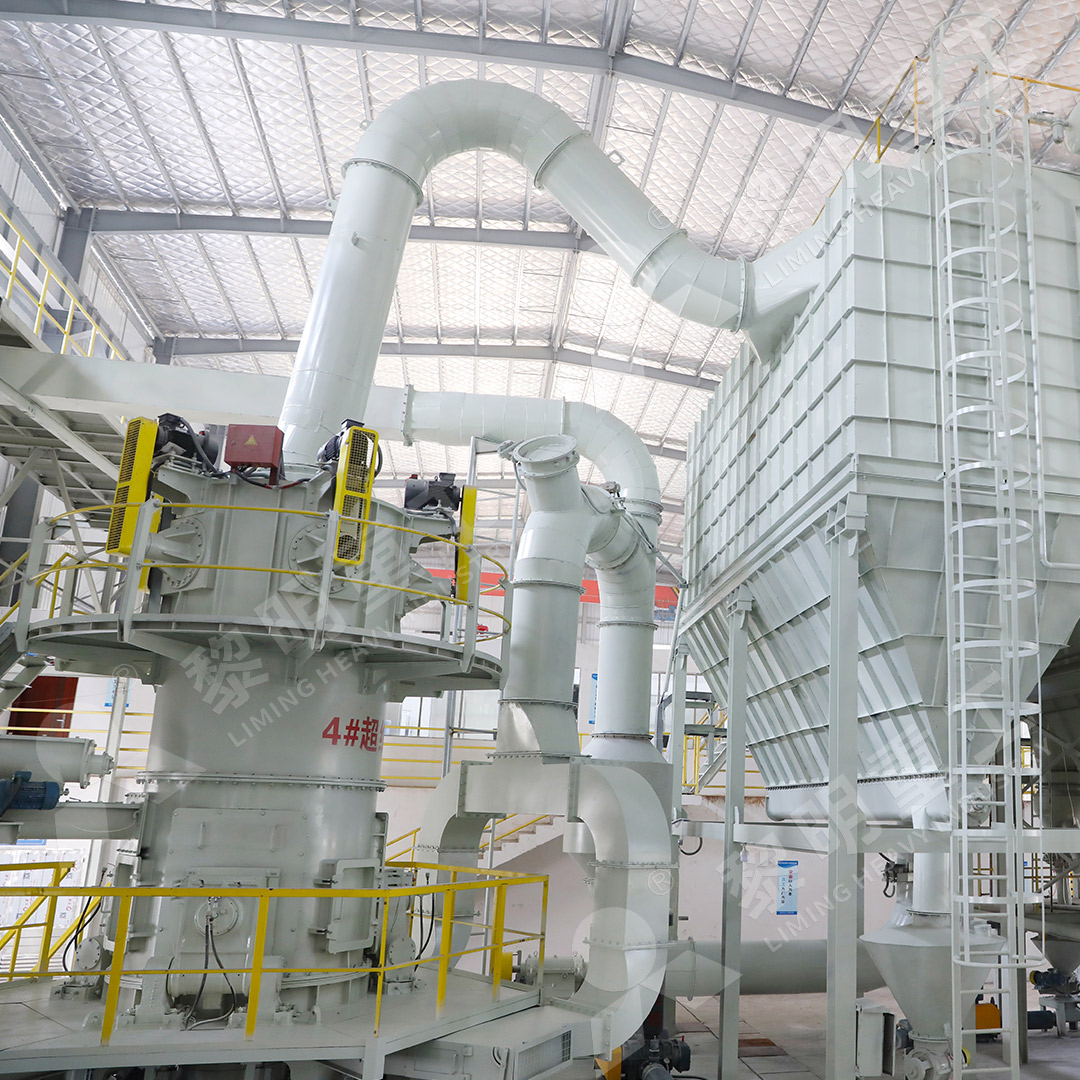
Why the 6R Raymond Mill is a Game Changer
Traditional Raymond mills have been around for decades. They are reliable, but they often struggle with capacity, energy consumption, and maintenance. The 6R Raymond Mill from Liming Heavy Industry addresses these pain points head-on. First, it is designed for high capacity. With an input size of less than 25 mm, it can handle materials like limestone, calcite, dolomite, gypsum, barite, marble, talc, and coal powder. The capacity ranges from 0.6 to 5 tph, which is solid for mid-sized operations.
But the real magic is in the grinding mechanics. The 6R version uses larger rollers and a reinforced grinding ring compared to smaller R-series models. This means more surface area for grinding, better material flow, and less downtime. The machine also features an improved shovel blade design that scoops material more efficiently, reducing the risk of clogging. All of this translates into higher throughput and lower energy costs.
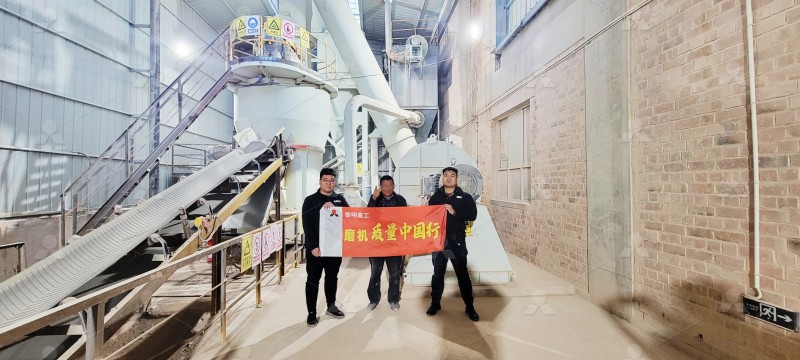
Built to Last, Easy to Maintain
One of the biggest headaches in any grinding operation is maintenance. Rollers wear out, bearings fail, and screws loosen. Liming Heavy Industry has tackled these issues with a design that minimizes moving parts and puts lubrication points where you can actually reach them. The grinding chamber has no rolling bearings or screws inside, so you don’t have to worry about bearing seal failures or loose bolts damaging the machine. The lubricating device is mounted externally on the main shaft, allowing you to grease the system without shutting down. That means 24-hour continuous operation is not just a dream—it is a reality.
Another clever feature is the elastic volute damping structure. This reduces vibration transfer from the base to the main body, protecting the classifier and preventing cracks in the volute. Combine that with digital machining precision on all core parts, and you get a machine that stays accurate over years of use. If you are looking for an even more maintenance-friendly option, consider the LUM Ultrafine Vertical Grinding Mill. It uses a reversible structure that lets you swing the rollers out for quick inspection and replacement of wear parts, cutting downtime by hours. The LUM mill handles input sizes up to 10 mm and delivers 5 to 18 tph, with a multi-head powder separator that gives you precise control over fineness.
Environmental Responsibility Built In
Nobody wants to run a mill that spews dust into the air. It is bad for the environment, bad for your workers, and bad for your reputation. The 6R Raymond Mill comes equipped with an efficient pulse dust collector and a muffler system. The dust collector captures fine particles before they can escape, and the muffler reduces noise levels. The entire system operates under negative pressure, which means no dust leaks out. This is not just a nice-to-have; it is increasingly a must-have as environmental regulations tighten around the world. Whether you are grinding coal for a power plant or limestone for a cement factory, you can operate this mill with a clear conscience.
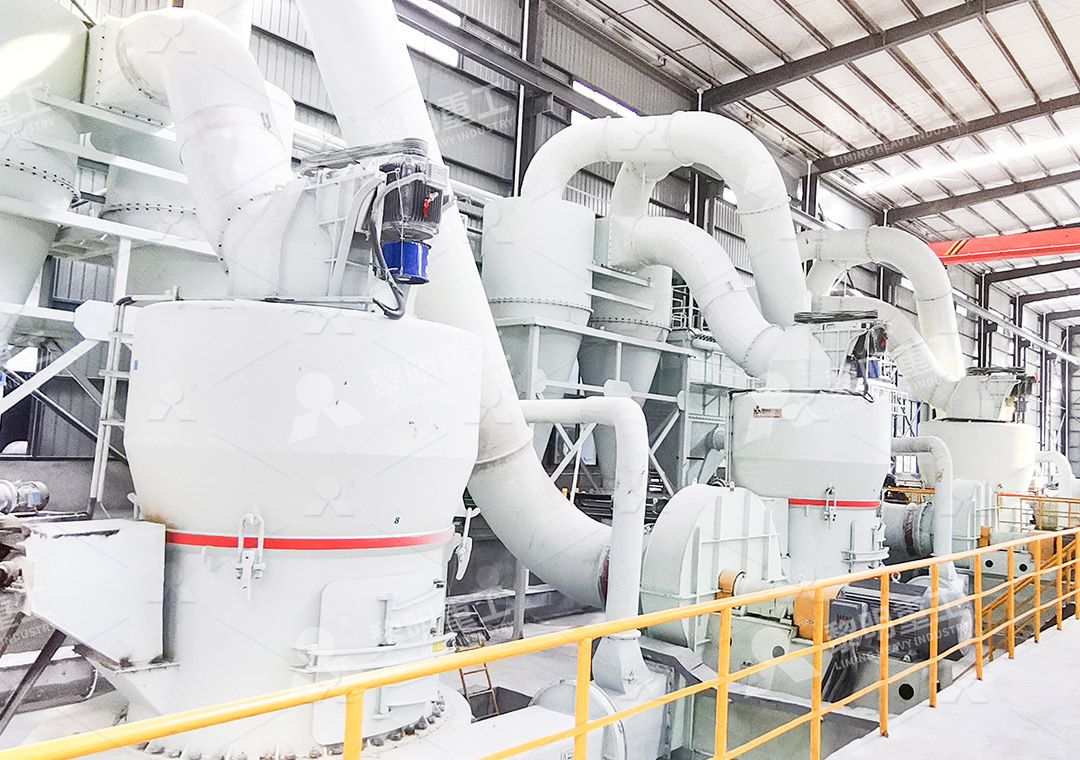
Working Principle: Simple but Effective
You do not need a PhD in mechanical engineering to run this machine. The raw material is first crushed by a jaw crusher to the required size—usually less than 25 mm. Then it is elevated into a hopper and fed evenly into the grinding chamber via an electromagnetic vibrating feeder. Inside the chamber, rollers oscillate outward under centrifugal force, pressing against the grinding ring. A shovel scoops up the material and sends it between the roller and ring, where it gets crushed into powder.
The air blower then carries the ground material up to the separator. Fine powder passes through and goes into the cyclone collector, where it is discharged as the final product. Coarse particles fall back into the chamber for re-grinding. The air flow is sealed and recirculated, making the system closed-loop and efficient. This whole process is automated and can be controlled remotely if you opt for the PLC upgrade. It is simple, reliable, and gets the job done without fuss.
Which Mill Is Right for You?
Choosing a grinding mill is not a one-size-fits-all decision. If you need to handle larger input sizes—up to 70 mm—and want to integrate drying, grinding, and classifying in one machine, look at the LM Vertical Grinding Mill. It has a capacity of 3 to 340 tph and can be set up outdoors to save space. Alternatively, if you are working with ultra-fine powders for high-value applications like cosmetics or food additives, the MW Ultrafine Grinding Mill we mentioned earlier is your best bet.
But for general-purpose high-capacity grinding with low operating costs and easy maintenance, the 6R Raymond Mill hits the sweet spot. It is the kind of machine that pays for itself within the first year. And with Liming Heavy Industry’s commitment to spare parts availability and technical support, you are never left in the lurch.
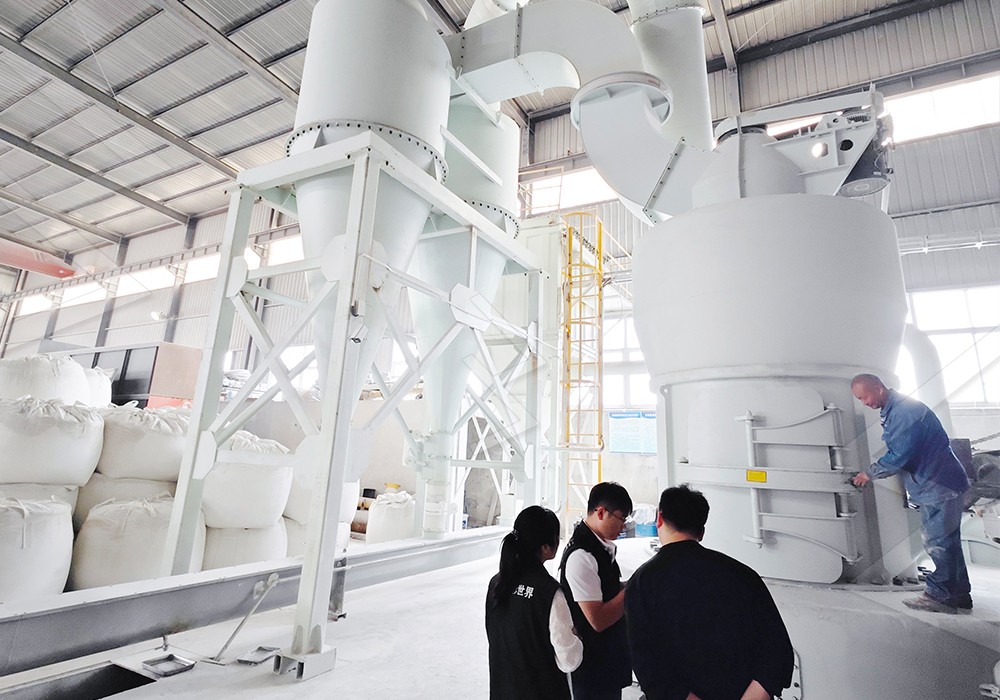
Final Thoughts
In a world where efficiency and sustainability go hand in hand, the 6R Raymond Mill from Liming Heavy Industry offers a practical, proven solution. It is not flashy, but it is tough. It is not cheap, but it delivers value. Whether you are scaling up a new operation or upgrading an existing one, this mill deserves a spot on your shortlist. And if you ever need more specialized equipment, our team can guide you through the entire range—from ball mills to ultrafine vertical mills—to find the perfect match for your material and throughput requirements.
So, if you are tired of machines that promise the world but fail to deliver, give the 6R Raymond Mill a closer look. It might just be the workhorse you have been waiting for.
Frequently Asked Questions (FAQs)
1. What is the typical input size for the 6R Raymond Mill?
The recommended input size is less than 25 mm. Larger feed can cause blockages or reduce grinding efficiency.
2. How much capacity can I expect from this mill?
The 6R Raymond Mill delivers a capacity range of 0.6 to 5 tph, depending on material hardness, moisture content, and required fineness.
3. Can it handle sticky or high-moisture materials?
It works best with materials having less than 10% moisture content. For wetter materials, pre-drying or selecting a mill with integrated drying, like the LM Vertical Grinding Mill, is recommended.
4. What is the fineness range of the finished powder?
The standard fineness range is between 80 and 325 mesh. For finer grades, consider using the MW Ultrafine Grinding Mill, which reaches up to 2500 mesh.
5. Does the mill produce dust or noise?
No. The system is equipped with a pulse dust collector and muffler, meeting national environmental standards. Dust emission is minimal.
6. How often do I need to replace wear parts?
It depends on the abrasiveness of the material. On average, grinding rollers and rings last between 6 and 12 months under normal operation. Spare parts are always in stock from Liming.
7. Can I run the mill continuously for 24 hours?
Yes. The external lubricating system allows for oiling without shutdown, so continuous operation is fully supported.
8. Is automation available for this model?
Yes. An optional PLC control system enables remote monitoring and automatic adjustment of operating parameters.
9. How does the 6R Raymond Mill compare to a ball mill?
The 6R Raymond Mill generally has lower energy consumption, a smaller footprint, and easier maintenance. Ball mills are better for very coarse grinding or when you need a different particle shape.