
Vertical Roller Mill for Sale in Heilongjiang China
We provide a wide range of mills — including Raymond mill, trapezoidal mill, vertical mill, ultrafine mill, and ball mill, obtained ISO9001 international quality certification, EU CE certification, and Customs Union CU-TR certification. Suitable for processing minerals such as limestone, phosphate, quicklime, kaolin, talc, barite, bentonite, calcium carbonate, dolomite, coal, gypsum, clay, carbon black, slag, cement raw materials, cement clinker, and more.
The discharge range of these mills can be adjusted to meet specific processing needs, typically from 80-400 mesh, 600-3250 mesh, and can achieve the finest particle size of up to 6000 mesh(D50).
If you are looking for a reliable grinding solution to turn stone or minerals into fine powder, please feel free to contact our online customer service.
Vertical Roller Mill for Sale in Heilongjiang China: A Practical Guide for Buyers
Heilongjiang, with its rich industrial base spanning mining, power generation, building materials, and chemical processing, presents a unique set of challenges for grinding operations. The province’s cold climate and diverse material requirements demand equipment that is not only efficient but also robust and reliable. When you search for a ‘vertical roller mill for sale in Heilongjiang China,’ you are likely looking for a machine that can handle tough conditions without constant downtime. This article provides a professional, no-nonsense look at what to consider and why modern vertical roller mill (VRM) technology, particularly solutions from LIMING Heavy Industry, is changing the game for operators in this region.
Why a Vertical Roller Mill is the Right Choice for Heilongjiang
Traditional ball mills have long been the standard, but they come with significant drawbacks: high energy consumption, large footprint, and excessive noise. For a modern operation in Heilongjiang, these issues translate directly into higher operating costs and potential environmental compliance headaches. A vertical roller mill addresses these problems head-on.
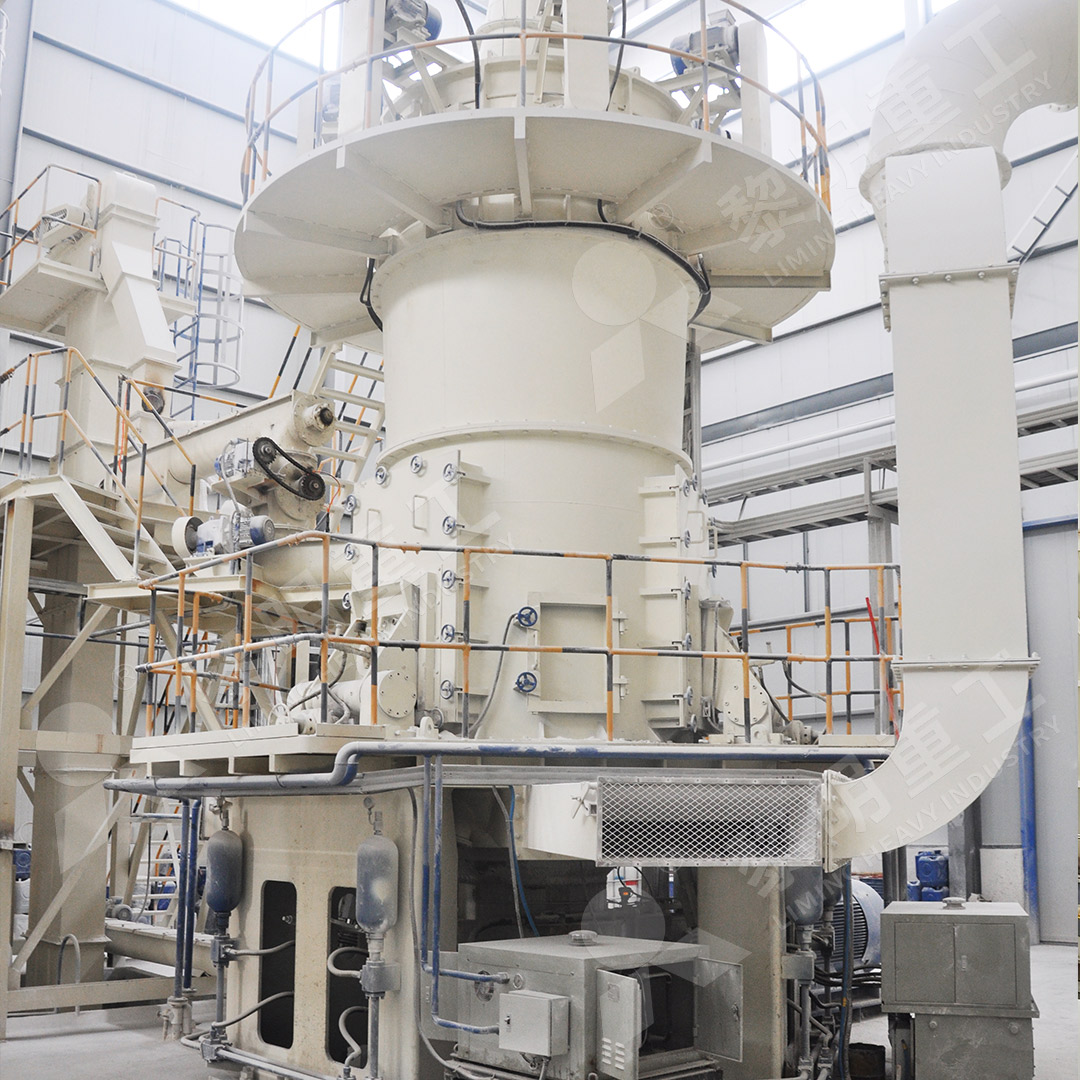
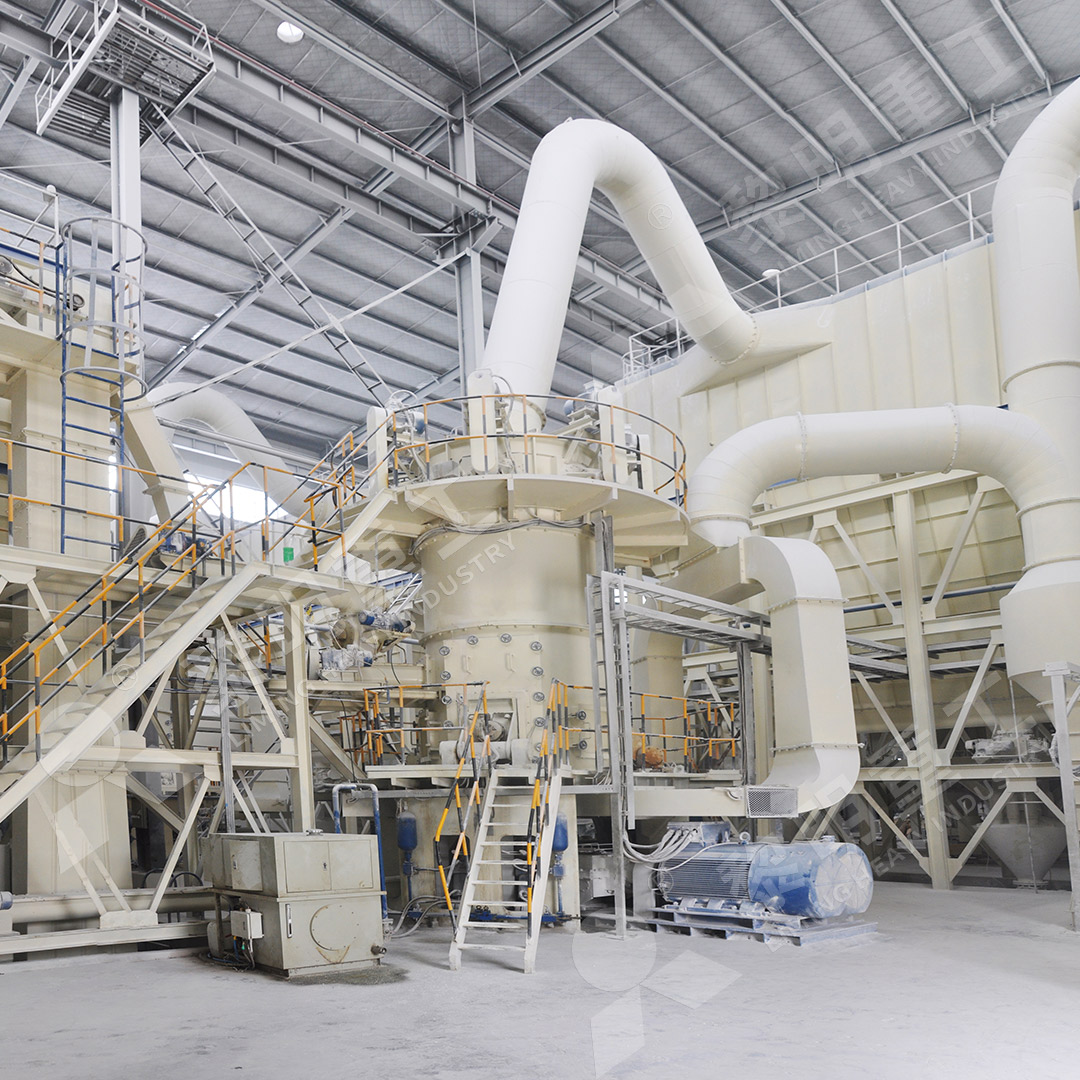
The core advantage of a VRM is its integration of crushing, grinding, classifying, and drying into a single, compact unit. This integrated design reduces the overall investment in auxiliary equipment and simplifies the process flow. For a plant in Harbin or Daqing, this means a smaller building footprint and lower capital expenditure. Furthermore, the energy savings are substantial. Compared to a traditional ball mill system, a well-designed vertical mill can save 30% to 50% in energy consumption. In a region where winter heating and power costs can be high, this efficiency is not a luxury—it is a financial necessity.
Tackling the Heilongjiang Cold and Material Variety
Heilongjiang’s climate presents a real test for machinery. Equipment must be able to start reliably in sub-zero temperatures and handle materials that may have higher moisture content due to seasonal conditions. The LUM Ultrafine Vertical Grinding Mill is engineered with this in mind. Its advanced hydraulic system and robust main shaft design ensure stable operation even when conditions are less than ideal. The double position-limiting technology prevents damaging contact between the roller and millstone, a critical feature when processing hard or variable feed materials common in local mining operations.
Whether you are grinding limestone for desulfurization in a power plant, producing fine powder for the paint industry, or processing coal for a steel mill, the versatility of the LUM mill is a major asset. The ability to adjust product fineness between 325 and 2500 mesh (d97≤5μm) means a single machine can service multiple production lines with different specifications. This flexibility is a direct result of the German powder-separating technology integrated into the unit, allowing for precise control over the final product quality.
Cutting Through the Hype: What Really Matters in a Grinding Mill
When evaluating equipment for purchase, sales brochures can be overwhelming. You need to look past the general claims and focus on engineering details that affect your daily operations. One such detail is the design of the grinding chamber. Many mills suffer from bearing failures or screw loosening, leading to unscheduled maintenance. The MW Ultrafine Grinding Mill tackles this directly. The grinding chamber contains no rolling bearings or screws. This seemingly simple design choice eliminates the most common sources of mechanical failure in traditional mills. The lubricating device is installed externally, allowing for 24-hour continuous operation without shutdown for greasing. This is a practical feature for a busy plant where every hour of downtime is lost revenue.
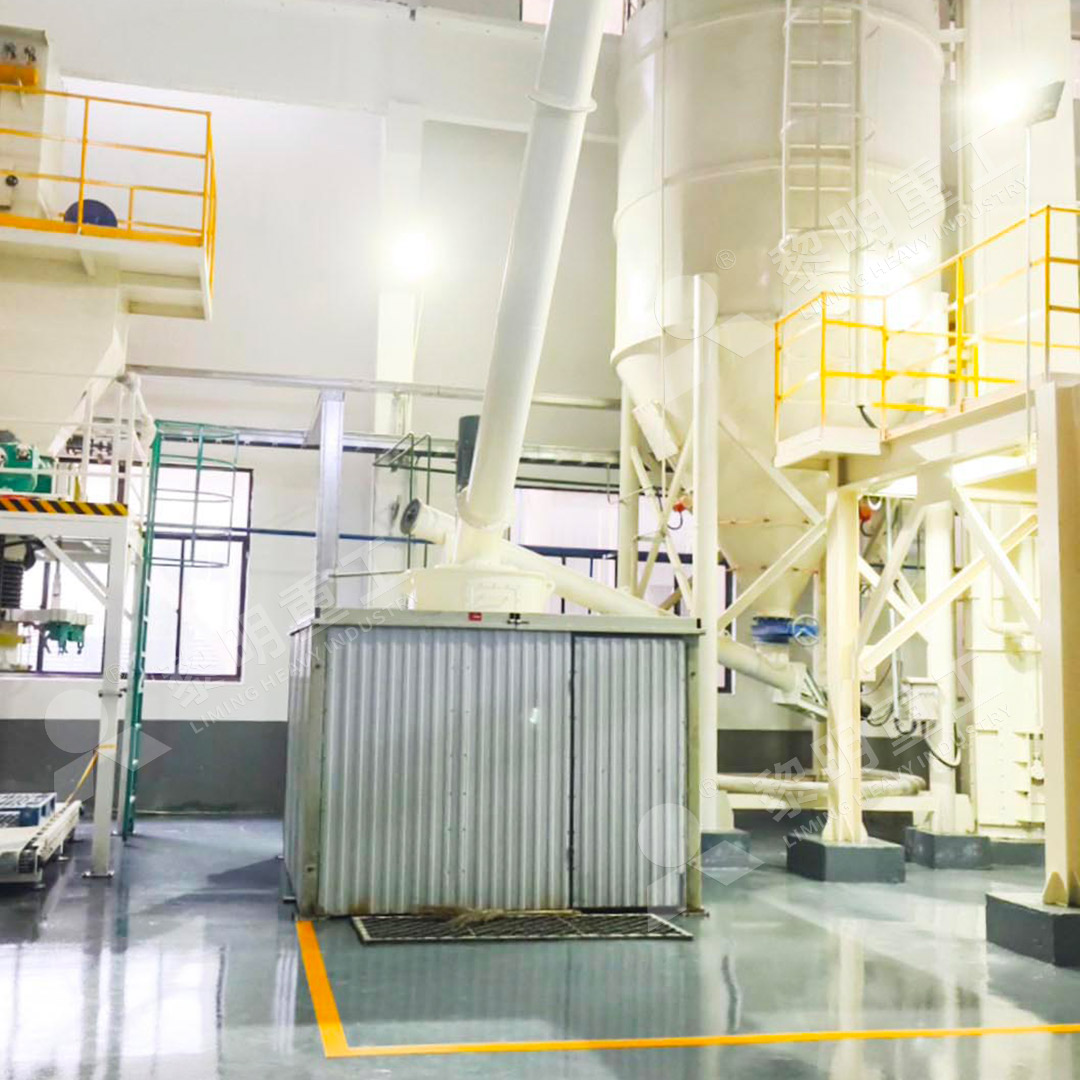
Another critical aspect is the environmental impact. Heilongjiang has strict environmental regulations. The MW mill incorporates an efficient pulse dust collector and a muffler as standard equipment. The entire system operates under negative pressure, meaning no dust escapes into the workshop or outside environment. This is not just about compliance; it is about creating a safer, cleaner working environment for your team and avoiding potential fines. The days of the dusty, noisy grinding workshop are over. Modern mills, like those from LIMING, are designed to be clean neighbors.
Making the Right Investment: LUM vs. MW for Your Application
Choosing between the LUM Ultrafine Vertical Grinding Mill and the MW Ultrafine Grinding Mill depends on your specific needs. Here is a straightforward comparison based on real-world application.
For high-capacity integrated grinding and classifying with a focus on large-scale production of fine and ultrafine powders (like in a large calcium carbonate plant or a power plant desulfurization system), the LUM Ultrafine Vertical Grinding Mill is the optimal choice. Its capacity range of 5-18 tph and its ability to handle input sizes up to 10 mm make it a workhorse for continuous, high-throughput operations. The reversible structure for the heavy grinding roller dramatically simplifies maintenance, reducing the time required for roller shell and liner plate replacement. This is a huge advantage when you need to maximize uptime.
For applications requiring extremely high fineness and lower throughput, or for customers with space or investment constraints who still demand top performance, the MW Ultrafine Grinding Mill is an excellent solution. With a capacity of 0.5-25 tph and the ability to handle input sizes up to 20 mm, it is incredibly versatile. Its key feature is its energy efficiency—consuming only 30% of the energy of a jet mill while achieving the same fineness (325-2500 mesh). This makes it ideal for high-value product processing in the chemical, cosmetic, and food additive industries. The worry-free operation due to the lack of bearings and screws in the grinding chamber is a major selling point for plants that may not have extensive on-site mechanical support.
Operational Stability and Digital Precision in Manufacturing
One of the most overlooked aspects of mill performance is the precision of its manufacture. LIMING Heavy Industry operates tens of lines of numerical control machine tools. The core parts of their mills, from the steel plates to the grinding rollers, are machined with digital precision. This is not just a marketing point; it ensures that every part fits correctly, the machine runs true, and the vibration is minimized from day one. This digitalized processing translates into longer equipment life and more consistent product quality.
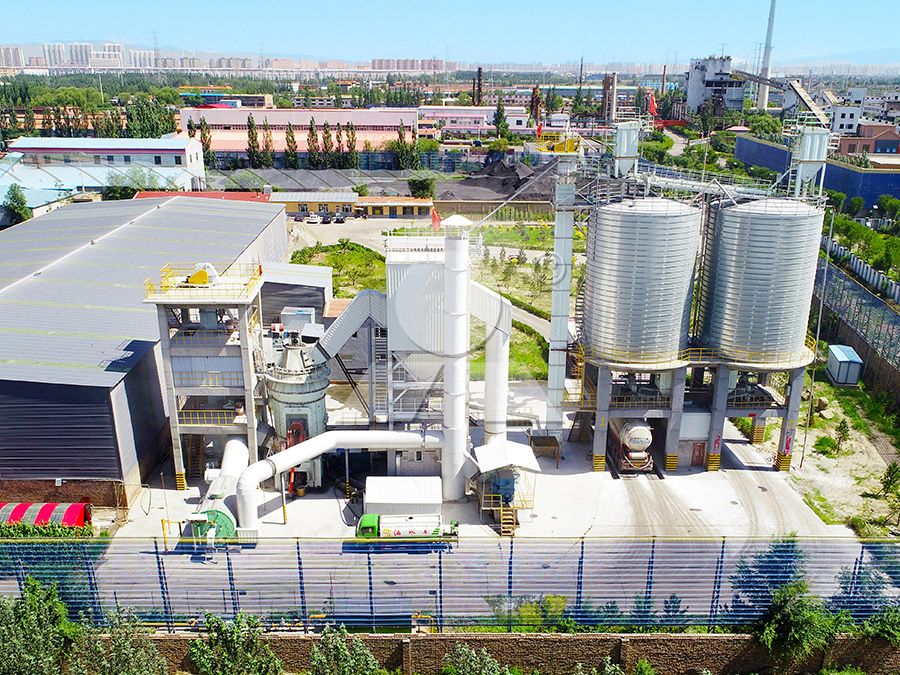
Furthermore, having a reliable supply of original spare parts is crucial for any plant in Heilongjiang. Logistics in the winter can be challenging. LIMING’s commitment to producing and stocking genuine spare parts ensures that you are not left waiting for a critical component. This worry-free operation promise is backed by a company whose business covers both production and sales, taking full responsibility for the machines they manufacture. When you buy a mill from LIMING, you are buying a partnership, not just a piece of equipment.
Conclusion: Find the Right Vertical Roller Mill for Sale in Heilongjiang
The decision to purchase a vertical roller mill is a major capital investment. For operators in Heilongjiang, the choice must go beyond price. You need a machine that offers low energy consumption, high reliability in cold weather, and the ability to produce a consistent, high-quality product. Both the LUM Ultrafine Vertical Grinding Mill and the MW Ultrafine Grinding Mill from LIMING Heavy Industry are engineered to meet these demands. They represent the cutting edge of grinding technology, designed for the real-world conditions of modern industrial production. If you are searching for a vertical roller mill for sale in Heilongjiang, China, we invite you to compare the specifications and features detailed here and contact LIMING for a consultation tailored to your specific material and capacity requirements.
Frequently Asked Questions (FAQ)
- Q: What is the maximum moisture content my feed material can have for a vertical roller mill?
A: For most LIMING vertical roller mills, including the LUM and MW series, they can handle materials with a moisture content up to 5% without external drying. If the moisture is higher, an integrated hot air generator can be used to dry the material during the grinding process. The mill’s air flow system effectively handles moisture removal. - Q: How often do I need to replace the grinding rollers and rings in an MW Ultrafine Grinding Mill?
A: The lifespan of the wear parts depends heavily on the material being ground and its abrasiveness. However, due to our newly designed grinding curves and high-quality wear-resistant alloy steel, the service life is typically 1.7 to 2.5 times longer than traditional high-manganese steel parts. A standard replacement schedule is often between 6 to 12 months under normal conditions. The split structure of some parts also reduces replacement costs. - Q: Can I use the LUM Ultrafine Vertical Grinding Mill for products requiring a very high degree of whiteness, like paint fillers?
A: Yes, absolutely. The LUM mill is designed to minimize iron contamination. Because the grinding roller and millstone do not make direct metal-to-metal contact, and the short grinding time reduces repeated grinding, the iron content in the final product is very low. This ensures the high whiteness and cleanliness required for applications in the paint, cosmetic, and chemical industries. - Q: Is it difficult to change the fineness of the product on the MW mill?
A: No. The MW Ultrafine Grinding Mill uses a cage-type powder selector based on German technology. This allows for precise and easy adjustment of the fineness between 325 and 2500 mesh. You can adjust the rotating speed of the separator’s turbine to achieve the exact particle size you need, with a screening rate of d97≤5μm possible. - Q: What kind of after-sales support does LIMING offer for buyers in Heilongjiang?
A: LIMING provides comprehensive technical services, including on-site installation guidance, commissioning, and operator training. We have a dedicated engineering team available to solve problems. Crucially, we guarantee the supply of original spare parts to ensure your machine runs without worry. Our business model means we take full responsibility for every machine we produce, which is a promise we stand by. - Q: What are the key advantages of the LUM mill’s ‘reversible structure’ for maintenance?
A: The reversible structure is designed to make maintenance of the heavy grinding roller safe and fast. Using a hydraulic system, the roller assembly can be swung completely out of the mill body. This gives the maintenance team ample space to inspect, replace the roller shell, or service the liner plate without needing complex internal jacking or rigging. This significantly reduces maintenance downtime compared to traditional designs.