
Deep Xiang Ultra-Fine Column Mill for Limestone Powder Grinding
We provide a wide range of mills — including Raymond mill, trapezoidal mill, vertical mill, ultrafine mill, and ball mill, obtained ISO9001 international quality certification, EU CE certification, and Customs Union CU-TR certification. Suitable for processing minerals such as limestone, phosphate, quicklime, kaolin, talc, barite, bentonite, calcium carbonate, dolomite, coal, gypsum, clay, carbon black, slag, cement raw materials, cement clinker, and more.
The discharge range of these mills can be adjusted to meet specific processing needs, typically from 80-400 mesh, 600-3250 mesh, and can achieve the finest particle size of up to 6000 mesh(D50).
If you are looking for a reliable grinding solution to turn stone or minerals into fine powder, please feel free to contact our online customer service.
Redefining Ultra-Fine Grinding for Limestone: The Deep Xiang Column Mill Approach
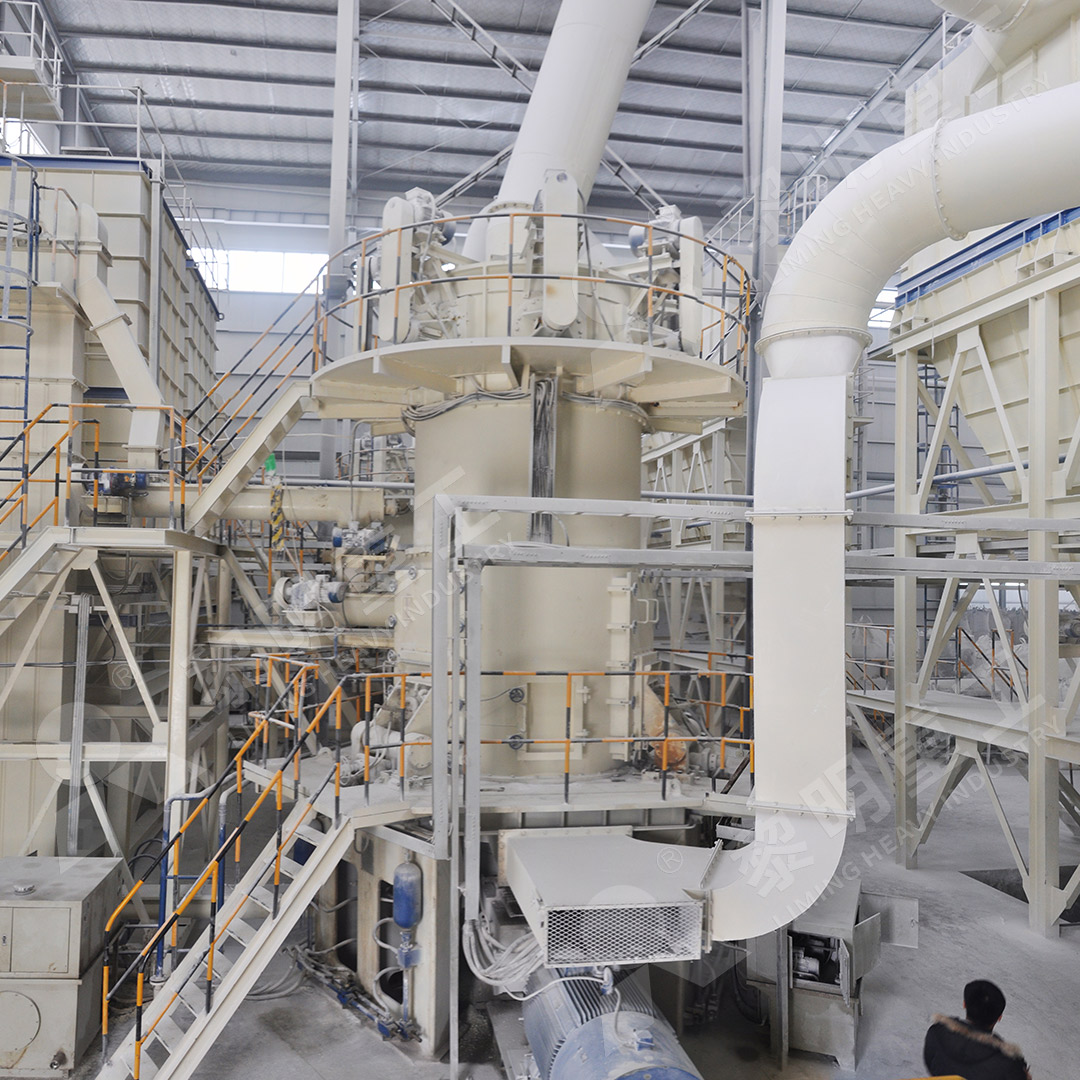
When it comes to grinding limestone into ultra-fine powder, manufacturers face a constant battle against inefficiency, high energy consumption, and inconsistent product quality. Traditional ball mills and jet mills often fall short, either guzzling power or struggling to reach the fine mesh sizes demanded by modern industries like paint, cosmetics, and pharmaceuticals. After years of working with mineral processors around the globe, LIMING has developed a tailored solution that addresses these pain points head-on: the Deep Xiang Ultra-Fine Column Mill. While this specific nomenclature reflects our advanced column-style design philosophy, the underlying technology is best exemplified by our flagship MW Ultrafine Grinding Mill and LUM Ultrafine Vertical Grinding Mill, which have become industry standards for high-yield, low-energy ultra-fine grinding.
The Core Challenge: Achieving d97≤5μm with Industrial Reliability
Limestone, being relatively soft but highly abrasive due to its calcite content, presents a unique challenge. You need a mill that can grind down to 325-2500 mesh without introducing excessive iron contamination, and you need it to run 24/7 without frequent breakdowns. The Deep Xiang design philosophy, implemented in the MW Ultrafine Grinding Mill, eliminates the traditional weak points. There are no rolling bearings or screws inside the grinding chamber. This isn’t just a minor design tweak; it completely eradicates the common problems of bearing seal failure and loose screw damage that plague conventional mills. The lubricating device is mounted externally on the main shaft, allowing for lubrication without stopping production. This means you can run continuous shifts without worrying about catastrophic mechanical failure.
How the Deep Xiang Column Mill Works for Limestone
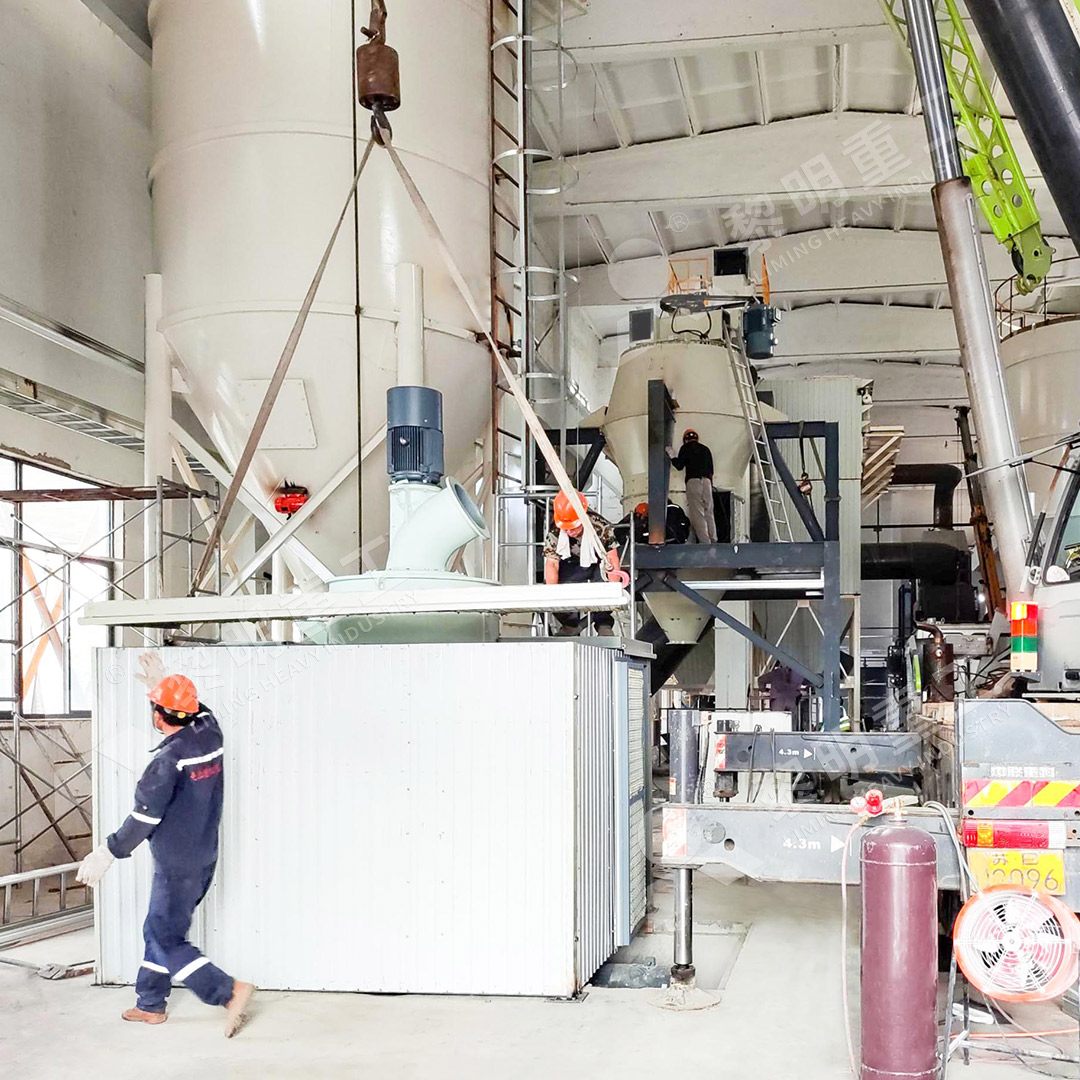
Let’s walk through the working principle as applied specifically to limestone. First, the raw limestone, with a particle size of 0-20 mm, is fed into the mill. The motor drives the main shaft and turnplates via a reducer. Dozens of rollers rotate against the raceway of the ring. The centrifugal force pushes the limestone into the raceway where it is crushed into powder across multiple stages. After the third turnplate, a powerful blower carries the fine powder into the high-precision cage-type powder separator. This is where the magic happens. The German-engineered separator ensures that coarse powder drops back for regrinding, while the fine powder—meeting your exact mesh specification—is collected by the cyclone collector. The air current, now mostly clean, passes through a muffler and a highly efficient pulse dust collector. The result? A closed-loop system that produces ultra-fine powder with zero dust pollution and low noise.
Quantifiable Efficiency Gains
The numbers don’t lie. When comparing the Deep Xiang column mill system to traditional technology, the advantages are stark. For the same fineness and power input, the MW Ultrafine Grinding Mill yields 40% more production than a jet mill or stirred mill. Compared to a ball mill, the yield is twice as high. But the real eye-opener is energy consumption: the system uses only 30% of the energy required by a jet mill. If you are processing limestone for flue gas desulfurization or for filler in paper production, these savings translate directly to your bottom line. The adjustable fineness between 325 and 2500 mesh (achieving d97≤5μm in a single pass) means you can switch between different product specifications quickly without changing the machine setup.
Why Choose the LUM Ultrafine Vertical Grinding Mill for Limestone?
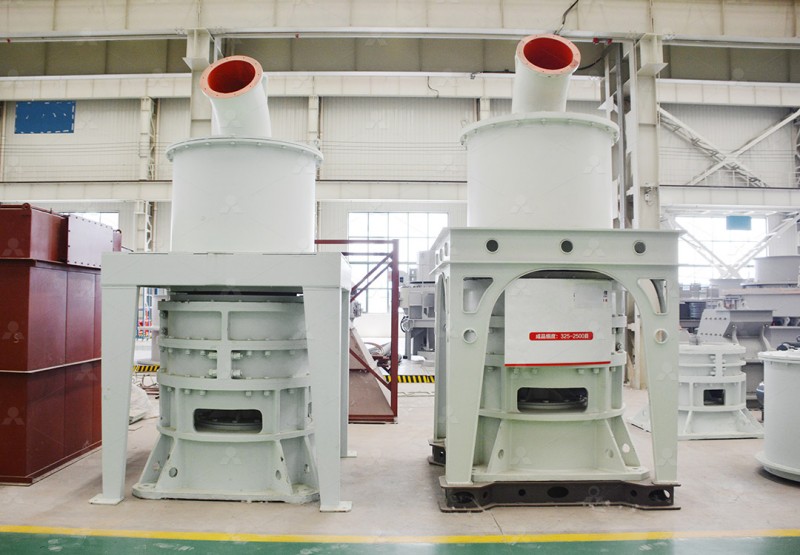
For operations that require even higher throughput and better product quality, the LUM Ultrafine Vertical Grinding Mill is our recommended upgrade. This mill integrates Taiwan grinding roller technology with German powder-separating technology. The specific challenge with limestone is its tendency to build up iron content during grinding, which ruins the whiteness for applications like paint and food-grade additives. LUM’s unique roller shell and lining plate grinding curve minimizes material lingering time and direct metal-to-metal contact. This significantly reduces iron contamination and improves whiteness. The double position-limiting technology (electronic and mechanical) prevents the destructive impact of roller-to-millstone contact, ensuring stable operation even when processing limestone with varying hardness. The reversible structure allows for quick maintenance; operators can move the heavy grinding roller out of the machine body for checking and replacing the liner plate without specialized tools, drastically reducing downtime.
Eco-Friendly Operation in the Real World
Environmental regulations are getting stricter. The Deep Xiang column mill system is designed to meet and exceed national environmental protection standards. The efficient pulse dust collector ensures that no dust escapes during the entire milling process. Combined with the silencer and noise elimination room, the system operates well below typical industrial noise limits. This isn’t just about compliance; it’s about creating a safer, cleaner working environment for your operators. The digitalized processing, using numerical control machine tools for every stage of steel plate cutting and assembly, ensures that every mill we ship has the same high precision as the last. Whether you choose the MW or the LUM series, you get a machine that is built to last and backed by LIMING’s commitment to spare parts availability for life.
Technical Specifications at a Glance
For those making the purchasing decision, here are the key specs for our recommended models:
MW Ultrafine Grinding Mill: Input Size 0-20 mm, Capacity 0.5-25 tph, Fineness 325-2500 mesh.
LUM Ultrafine Vertical Grinding Mill: Input Size 0-10 mm, Capacity 5-18 tph, optimized for superfine dry powder of limestone and marble.
Both models feature the heavy-duty design that LIMING is known for, with a sufficient supply of original spare parts to ensure worry-free operation.
Final Thoughts on the Deep Xiang Column Mill
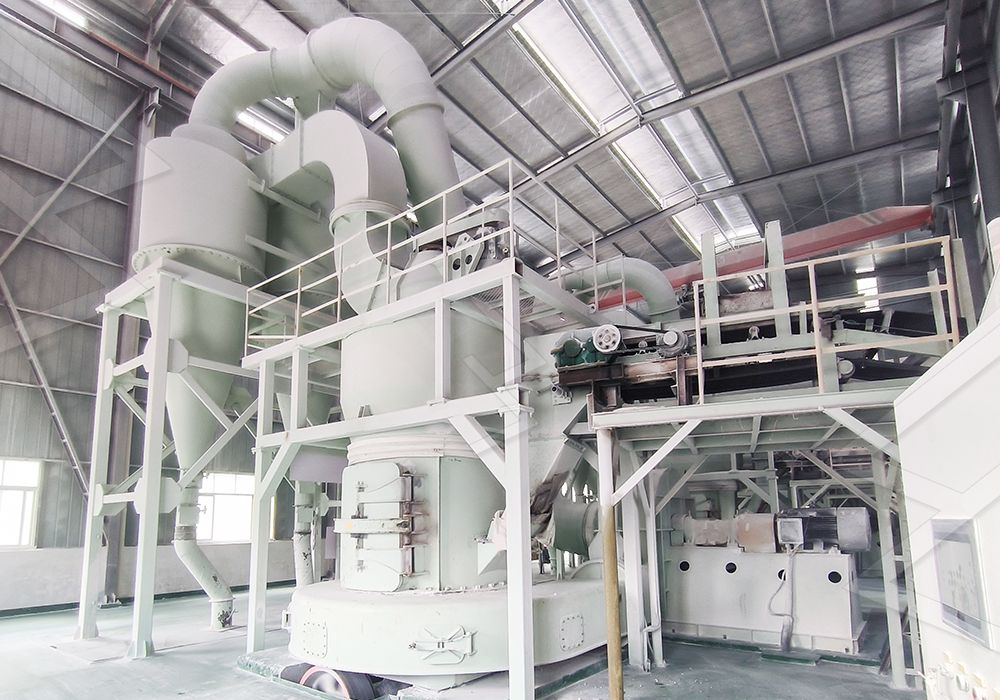
The reality is that ultra-fine limestone grinding is a specialized field. A general-purpose mill won’t cut it if you need high yield, low energy consumption, and consistent quality. The Deep Xiang column mill concept, realized through the MW and LUM series, offers a proven solution. It handles the abrasiveness of limestone, meets the strictest fineness requirements, and does so with a level of reliability that keeps your production line moving. Whether you are expanding an existing plant or building a new one, these mills are built to deliver the long-term value that serious mineral processors require.
Frequently Asked Questions (FAQ)
-
What is the maximum feed size for the Deep Xiang column mill when grinding limestone?
For the MW Ultrafine Grinding Mill, the maximum feed size is 20 mm. For the LUM Ultrafine Vertical Grinding Mill, it is 10 mm. It is recommended to use a hammer crusher or jaw crusher to pre-crush larger limestone blocks before feeding. -
Can this mill produce limestone powder fine enough for use in cosmetics or food additives?
Yes. The MW Ultrafine Grinding Mill can achieve a fineness of d97≤5μm (approximately 2500 mesh) in a single pass. Combined with the low iron content design, the output is suitable for high-purity applications like cosmetics and food-grade calcium carbonate. -
How does the energy consumption of this column mill compare to a traditional ball mill for limestone?
The Deep Xiang system consumes only 30% of the energy of a jet mill and approximately 50-60% less energy than a ball mill for the same output and fineness. The LUM series specifically reduces energy consumption by 30%-50% compared to common grinding mills. -
What maintenance is required, and how often do I need to replace the wearing parts?
There are no rolling bearings or screws inside the grinding chamber to replace frequently. The main wearing parts are the grinding roller shells and the grinding ring. Depending on the abrasiveness of your limestone and operating hours, these typically need inspection every 6-12 months. The LUM series features a reversible structure for easy roller removal and liner replacement. -
Does the machine produce a lot of noise or dust pollution?
No. The system is fully enclosed and operates under negative pressure. It is equipped with an efficient pulse dust collector and a muffler/silencer, ensuring it meets national environmental standards. There is no visible dust emission during normal operation. -
Can I adjust the fineness of the powder while the machine is running?
Yes. The cage-type powder separator allows for stepless adjustment of fineness between 325 and 2500 mesh. By adjusting the rotating speed of the rotor, you can change the product fineness quickly without stopping the main grinding process. -
What is the lead time for spare parts from LIMING?
LIMING maintains a sufficient supply of original spare parts for all our models. For standard wearing parts like roller shells and rings, we typically ship within 24-48 hours of order confirmation, ensuring your production downtime is minimized.