
Ultrafine Coal Ash Grinding Mill for Efficient Powder Processing
We provide a wide range of mills — including Raymond mill, trapezoidal mill, vertical mill, ultrafine mill, and ball mill, obtained ISO9001 international quality certification, EU CE certification, and Customs Union CU-TR certification. Suitable for processing minerals such as limestone, phosphate, quicklime, kaolin, talc, barite, bentonite, calcium carbonate, dolomite, coal, gypsum, clay, carbon black, slag, cement raw materials, cement clinker, and more.
The discharge range of these mills can be adjusted to meet specific processing needs, typically from 80-400 mesh, 600-3250 mesh, and can achieve the finest particle size of up to 6000 mesh(D50).
If you are looking for a reliable grinding solution to turn stone or minerals into fine powder, please feel free to contact our online customer service.
Introduction to Ultrafine Coal Ash Grinding Technology
Coal ash, a byproduct of coal combustion in power plants, has become a valuable resource in construction, cement manufacturing, and chemical industries. However, processing coal ash into ultrafine powder requires specialized equipment that can handle varying feed sizes, deliver consistent fineness, and operate with minimal environmental impact. The MW Ultrafine Grinding Mill and LUM Ultrafine Vertical Grinding Mill from LIMING Heavy Industry are engineered to meet these demands, offering efficient powder processing solutions for coal ash and similar materials.
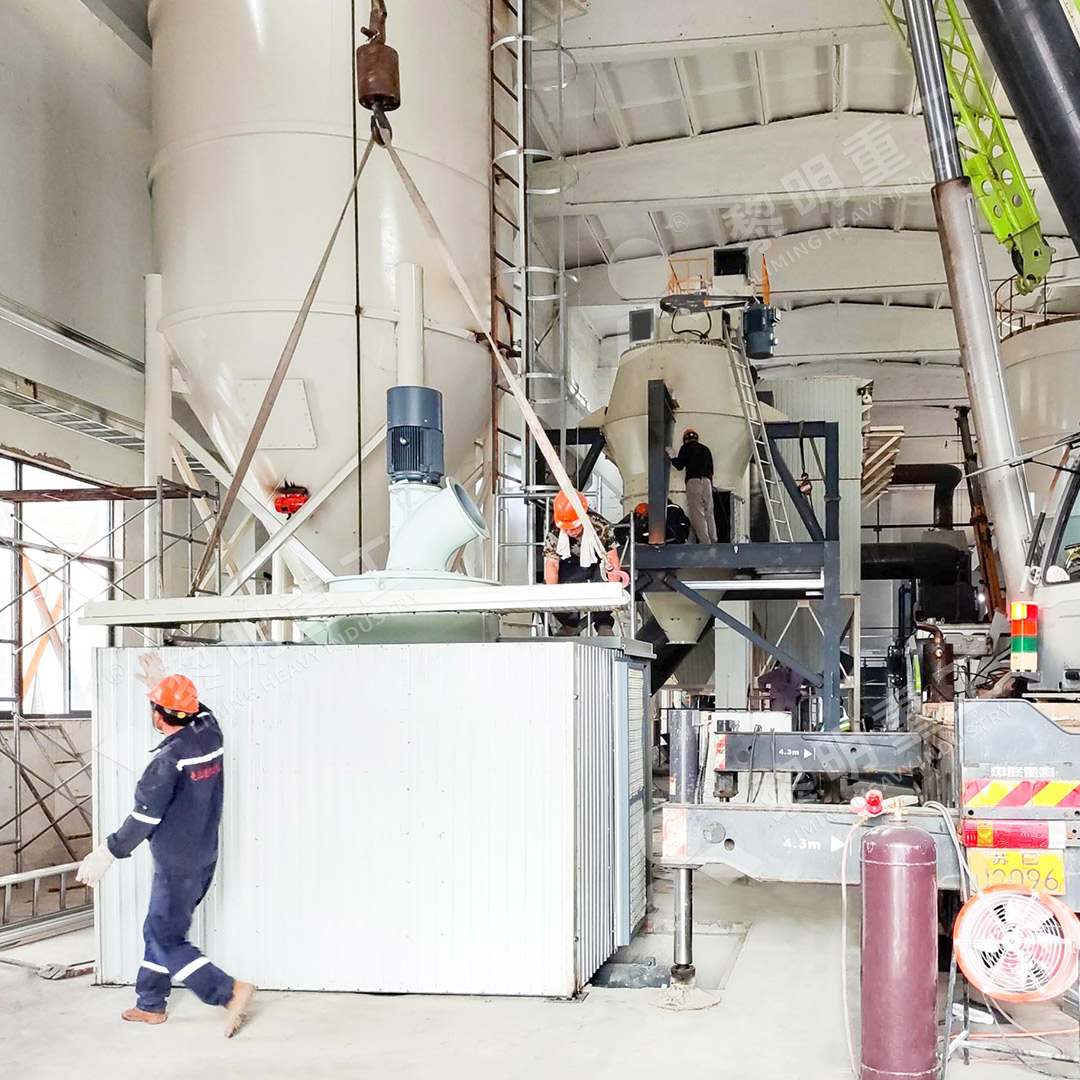
Why Ultrafine Grinding Matters for Coal Ash
Coal ash, including fly ash and bottom ash, contains silica, alumina, and calcium compounds. When ground to ultrafine particles (325-2500 meshes, or d97≤5μm), it becomes a high-value additive for concrete, plastics, and paints. Ultrafine coal ash improves workability, reduces water demand, and enhances compressive strength in cementitious mixtures. The challenge lies in achieving this fineness without excessive energy consumption or equipment wear. Traditional ball mills or jet mills often fall short in efficiency or require frequent maintenance.
Key Features of LIMING’s Ultrafine Grinding Mills
Both the MW Ultrafine Grinding Mill and LUM Ultrafine Vertical Grinding Mill incorporate advanced design principles to address common grinding issues. Here are the standout features:
- Higher Yielding, Lower Energy Consumption: The MW mill uses newly designed grinding curves that boost production capacity by 40% over jet or stirred mills, while consuming only 30% of the energy. The LUM mill achieves 30%-50% energy savings compared to conventional mills.
- Adjustable Fineness Between 325-2500 Meshes: Both mills allow precise control over product fineness. The MW mill employs a German-designed cage-type powder selector, enabling d97≤5μm in a single pass.
- No Rolling Bearings or Screws in Grinding Chamber: This design eliminates common failure points like bearing damage or loose screws, ensuring 24-hour continuous operation without shutdown for lubrication.
- Eco-Friendly Dust Removal: Each mill is equipped with an efficient pulse dust collector and silencer, meeting national environmental standards. No dust escapes during operation, and noise levels remain low.
- Digitalized Manufacturing Precision: LIMING uses tens of CNC machines for cutting, bending, and milling core parts, ensuring high accuracy and consistent quality across all units.
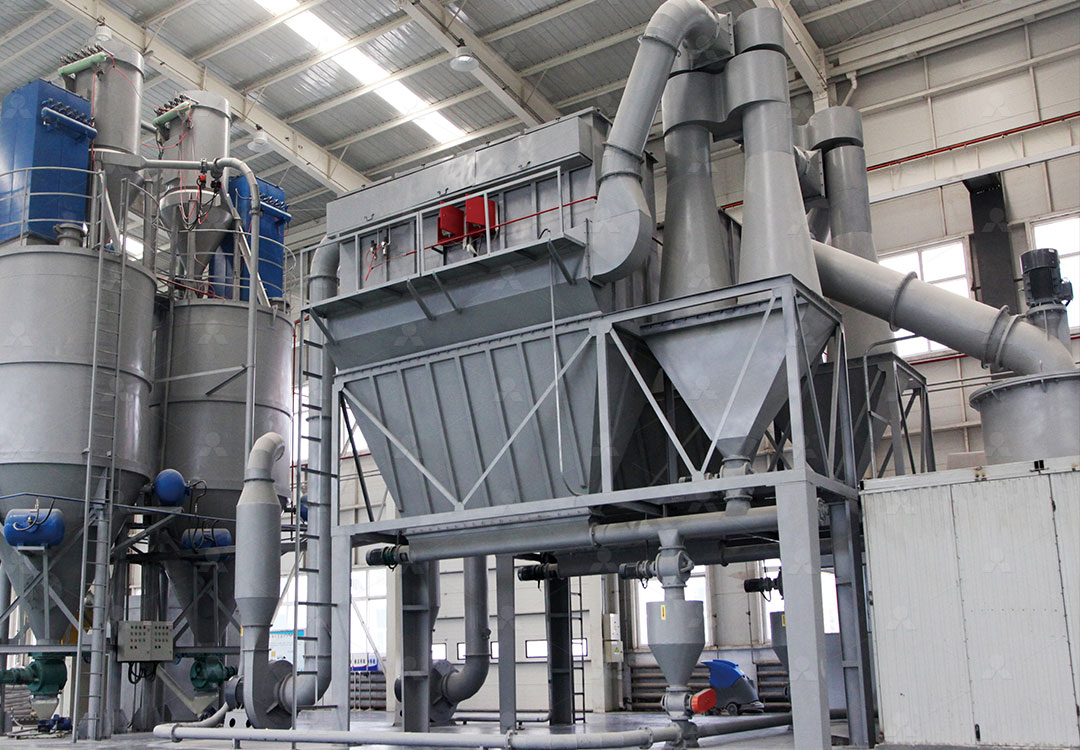
Recommendation: MW Ultrafine Grinding Mill for Coal Ash Processing
For coal ash applications requiring fine powder between 325 and 2500 meshes, the MW Ultrafine Grinding Mill is an ideal choice. It accepts input sizes up to 20 mm and delivers capacities from 0.5 to 25 tph. The cage-type powder selector ensures high separation precision, while the pulse dust collector keeps the workplace clean. If your operation focuses on larger throughputs, consider the LUM Ultrafine Vertical Grinding Mill, which handles 0-10 mm feed at 5-18 tph and integrates grinding, grading, and conveying into one compact system. Both mills are backed by LIMING’s extensive spare parts inventory and technical support, so you can run worry-free for years.
Working Principles: How the Mills Achieve Ultrafine Grinding
The MW Ultrafine Grinding Mill operates through a multi-stage process. Raw coal ash is crushed to small pieces by a hammer crusher, then elevated to a hopper. A vibrating feeder delivers the material evenly to the upper turnplate, where centrifugal force pushes it into the raceway of the ring. Rollers rotate against the ring, crushing the material into fine powder. After passing through three turnplates for successive grinding, the powder enters a powder separator. Coarse particles drop back for regrinding, while fine powder is collected by a cyclone collector. A blower circulates air through the system, and any residual dust is captured by the pulse dust filter before release.
The LUM Ultrafine Vertical Grinding Mill uses a different approach. The millstone rotates under the main motor’s power, while air flows upward from an intake. Material falls onto the millstone center and moves outward due to centrifugal force. Grinding rollers exert pressure to crush and extrude particles, forming a material bed that promotes inter-particle grinding. Air currents carry ground material to a rotor separator; coarse particles return to the millstone, while fine powder exits with the airflow for collection. Hydraulic pressure adjustments allow the mill to handle materials of varying hardness.
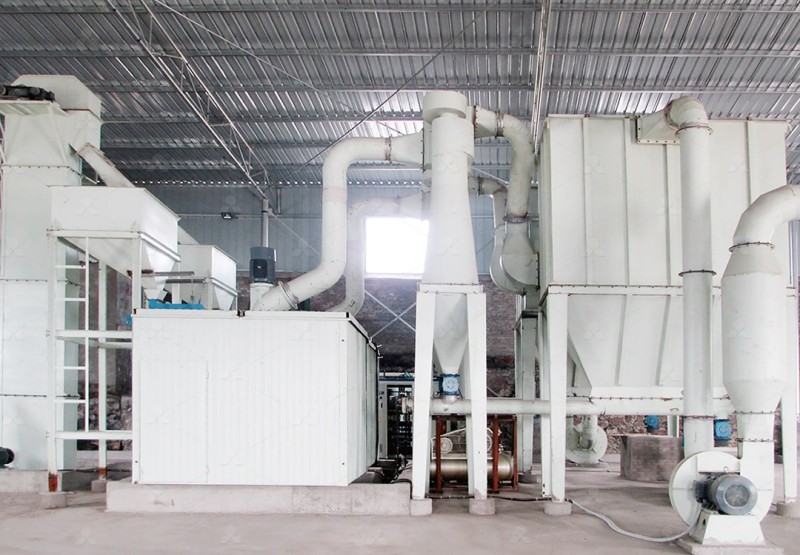
Applications: Beyond Coal Ash
While coal ash is a primary target, these mills excel with other materials such as limestone, calcite, dolomite, gypsum, barite, marble, talc, and petroleum coal. Industries including chemical processing, paint manufacturing, cosmetics, medicine, and food additives benefit from the ultrafine powder output. The versatility of the MW and LUM mills makes them suitable for any non-metallic mineral grinding requirement up to Mohs hardness 7 and humidity below 6%.
Maintenance and Operational Considerations
LIMING has designed these mills for minimal downtime. The MW mill lubricates externally without stopping production, while the LUM mill features a reversible structure that allows rapid roller removal for shell and liner inspections. Both machines use wear-resistant alloys for rollers and rings, extending service life by 1.7-2.5 times compared to traditional materials. Spare parts are readily available from LIMING’s global supply chain, so you can replace components quickly when needed.
Environmental and Economic Benefits
Switching to an ultrafine grinding mill from LIMING reduces your carbon footprint. Lower energy consumption means less electricity usage, and the sealed negative-pressure operation eliminates dust pollution. The compact footprint of the LUM vertical mill saves up to 50% floor space compared to ball mill systems, lowering construction costs. With capacities ranging from 0.5 tph to 25 tph (or 5-18 tph for LUM), you can match the equipment to your production scale precisely.
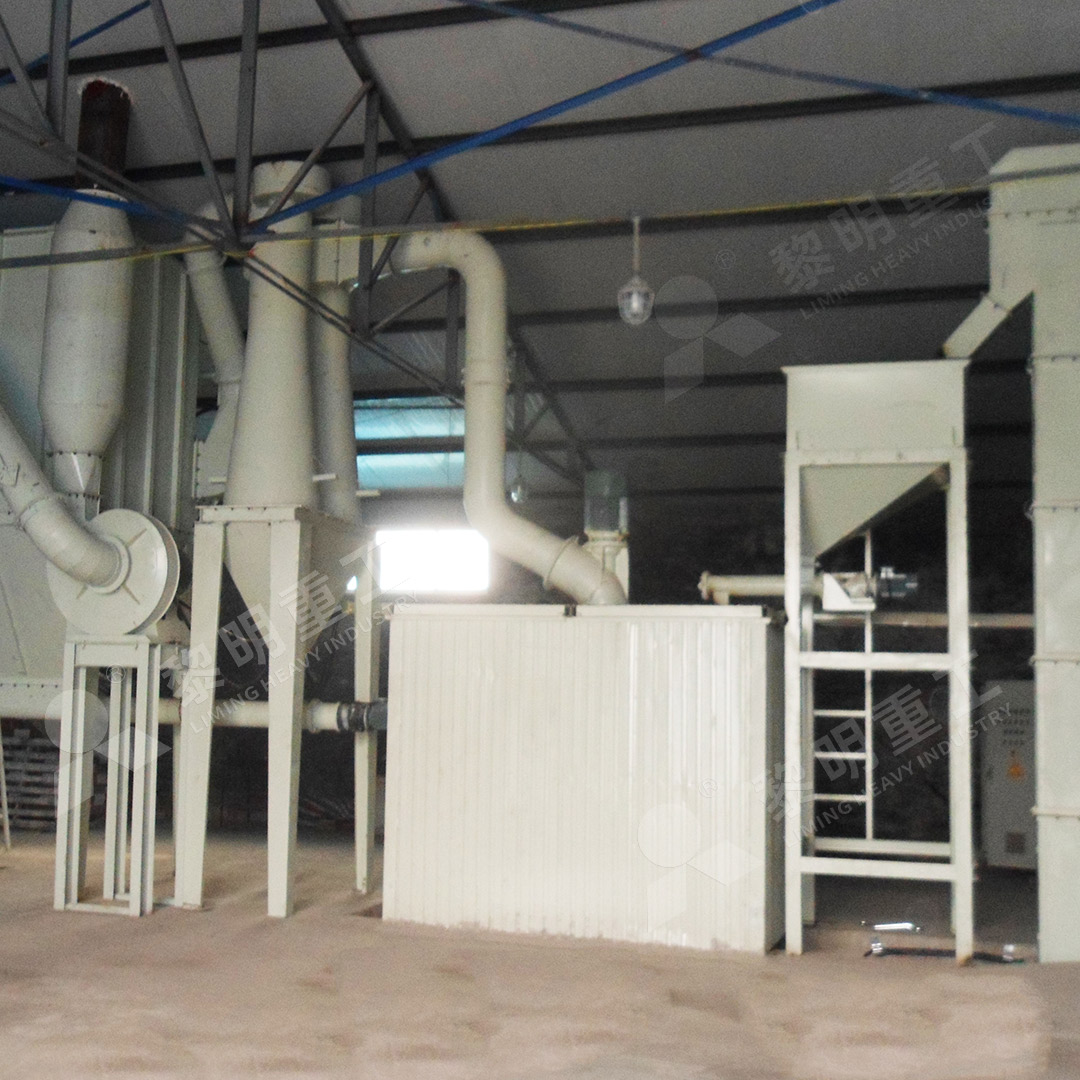
Conclusion
For efficient coal ash powder processing, LIMING Heavy Industry provides proven solutions in the MW Ultrafine Grinding Mill and LUM Ultrafine Vertical Grinding Mill. These machines deliver high yields, low energy use, and consistent product fineness while meeting environmental standards. Whether you are upgrading an existing plant or building a new facility, LIMING’s ultrafine mills offer the technology and support you need for success.
Frequently Asked Questions (FAQ)
-
Q: What is the maximum input size for the MW Ultrafine Grinding Mill?
A: The MW mill accepts raw materials up to 20 mm in diameter. Larger pieces should be pre-crushed using a hammer crusher or jaw crusher before feeding. -
Q: Can the LUM Ultrafine Vertical Grinding Mill process coal ash with high moisture content?
A: Yes, the LUM mill can handle materials with moisture up to 6% without pre-drying, as the hot air intake during operation dries the feed simultaneously. -
Q: How do I adjust the fineness of the final powder?
A: Both mills allow fineness adjustment by changing the rotational speed of the powder separator rotor. The MW mill covers 325-2500 meshes, while the LUM mill can achieve similar ranges with precise control. -
Q: What maintenance is required for the grinding rollers?
A: Rollers and rings should be inspected every 500-1000 hours of operation for wear. The LUM mill features a reversible structure to simplify roller replacement, and the MW mill uses external lubrication to minimize downtime. -
Q: Is a dust collector included with the mill?
A: Yes, both the MW and LUM mills come standard with an efficient pulse dust collector and muffler, ensuring dust-free operation that meets national environmental regulations. -
Q: What spare parts are commonly needed for the MW mill?
A: Common wear parts include grinding rollers, rings, shovel blades (if applicable), and filter bags for the dust collector. LIMING supplies original parts to ensure compatibility and longevity. -
Q: Can these mills be integrated into an existing processing line?
A: Absolutely. The mills can be combined with crushers, elevators, feeders, and classifiers from LIMING or other manufacturers. The compact design of the LUM mill simplifies retrofitting. -
Q: What is the typical power consumption for grinding coal ash to 1250 mesh?
A: Exact values depend on feed characteristics, but the MW mill typically uses 30% less energy than jet mills. For reference, a 10 tph MW mill might consume around 200-300 kW for ultrafine grinding. -
Q: Does LIMING provide after-sales technical support?
A: Yes, LIMING offers full technical services, including installation guidance, operator training, and remote troubleshooting. Their spare parts department ensures 24-hour support for critical issues. -
Q: How long does it take to replace a grinding roller?
A: With the reversible design on the LUM mill, a trained team can replace a roller set in 1-2 hours. The MW mill might require slightly longer due to its multi-turnplate configuration, but external lubrication reduces overall maintenance time.