
Grinding Stone Mill Equipment for Flour Shops: Essential Tools and Selection Guide
We provide a wide range of mills — including Raymond mill, trapezoidal mill, vertical mill, ultrafine mill, and ball mill, obtained ISO9001 international quality certification, EU CE certification, and Customs Union CU-TR certification. Suitable for processing minerals such as limestone, phosphate, quicklime, kaolin, talc, barite, bentonite, calcium carbonate, dolomite, coal, gypsum, clay, carbon black, slag, cement raw materials, cement clinker, and more.
The discharge range of these mills can be adjusted to meet specific processing needs, typically from 80-400 mesh, 600-3250 mesh, and can achieve the finest particle size of up to 6000 mesh(D50).
If you are looking for a reliable grinding solution to turn stone or minerals into fine powder, please feel free to contact our online customer service.
Grinding Stone Mill Equipment for Flour Shops: Essential Tools and Selection Guide
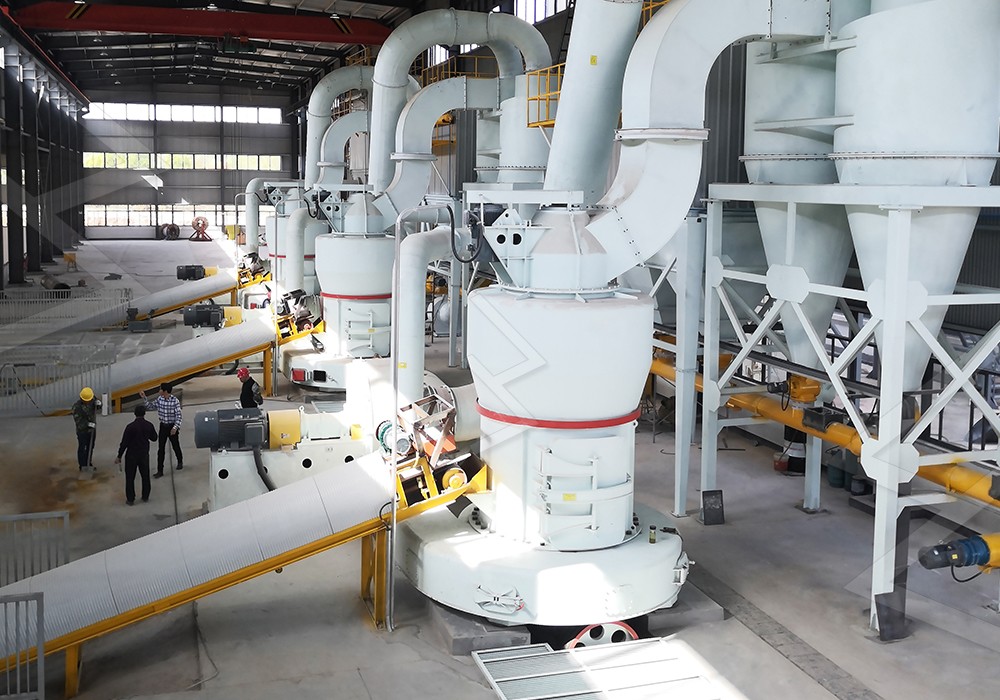
Running a successful flour shop in today’s competitive market demands more than just quality grains. The heart of your operation lies in the grinding stone mill equipment you choose. Whether you are producing fine pastry flour, whole wheat atta, or specialty gluten-free blends, the right mill determines your throughput, product consistency, and ultimately, your bottom line. This guide walks through the essential tools and selection criteria every flour shop owner should consider, drawing from decades of field experience and modern engineering advancements.
Why Grinding Equipment Matters More Than You Think
Many shop owners focus on sourcing the cheapest mill, only to face downtime, inconsistent particle size, and high energy bills. A grinding stone mill is not just a machine—it is the workflow engine. The choice affects dust levels, maintenance frequency, and even the nutritional profile of the flour. For instance, stone grinding preserves more of the grain’s natural oils and nutrients compared to high-speed impact mills, but it also requires careful control of temperature and feed rate. Modern ultrafine mills bridge this gap by combining stone-like grinding action with advanced classification technologies.
Flour shops processing materials like limestone for feed additives, calcite for industrial fillers, or marble for construction materials need different machine configurations than those milling wheat or corn. The key is matching the equipment to the material’s hardness, moisture content, and desired fineness range.
Core Components of a Modern Grinding Stone Mill
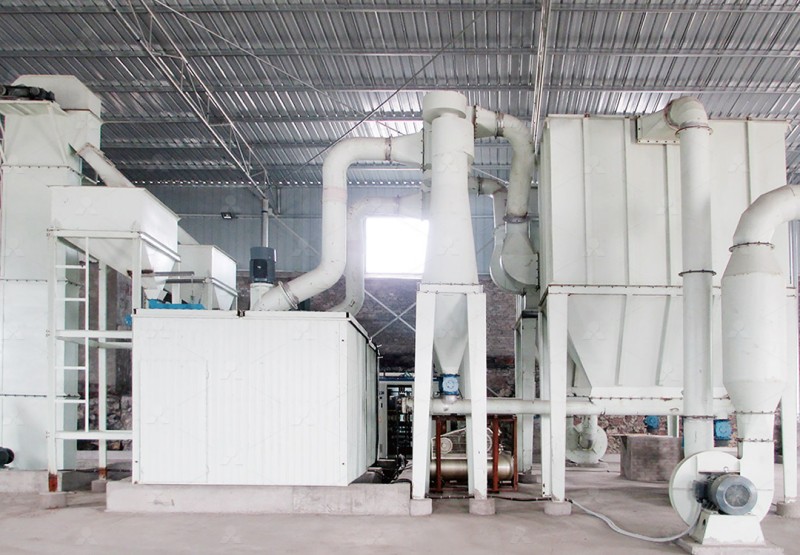
Understanding what is inside the machine helps you make an informed purchase. A typical grinding stone mill system includes:
- Feeding mechanism: Vibrating feeder or screw feeder that controls material input rate.
- Grinding chamber: Contains rollers or stones that crush and shear the material. In advanced models like the MW Ultrafine Grinding Mill, there are no rolling bearings or screws inside, eliminating common failure points.
- Classifier or separator: This determines the outgoing particle size. Cage-type separators offer precision between 325 and 2500 mesh.
- Dust collection system: Pulse jet filters and mufflers keep the workplace clean and compliant with environmental standards.
- Control system: Digital or PLC-based controls for adjusting speed, pressure, and feed rate.
Key Selection Criteria for Flour Shop Owners
1. Feed Size and Capacity Requirements
Start with your raw material size. For typical grain milling, a feed size of 0-20 mm is common. The MW Ultrafine Grinding Mill, for example, accepts up to 20 mm input and delivers 0.5 to 25 tons per hour, making it suitable for small to medium flour shops. If you handle larger lumps, consider a pre-crusher or a mill with a wider feed opening like the LM Vertical Grinding Mill, which takes up to 70 mm.
2. Final Product Fineness
Flour fineness directly affects baking properties and customer satisfaction. Most commercial flours require 80-200 mesh, but specialty products demand ultrafine grades up to 2500 mesh (about 5 microns). The MW Ultrafine Grinding Mill uses German cage-type separator technology to achieve d97 ≤ 5 μm in a single pass. This capability is hard to find in traditional stone mills.
3. Energy Consumption and Operating Costs
Electricity is one of the largest recurring expenses in a flour shop. Compare specific power consumption per ton of output. The MW Ultrafine Grinding Mill claims 40% higher capacity than jet mills at the same power level, with energy consumption at only 30% of a jet mill. For shops running 24 hours, this difference translates into thousands of dollars saved annually.
4. Maintenance and Downtime
Nothing kills profitability like unexpected breakdowns. Look for designs that minimize wear parts and simplify replacement. The MW Ultrafine Grinding Mill has no rolling bearings or screws in the grinding chamber, and its lubrication system is mounted externally so you can grease the main shaft without stopping production. This allows true 24-hour continuous operation.
5. Dust and Noise Control
Flour dust is a health hazard and a fire risk. A mill equipped with an efficient pulse dust collector, like the one on the MW Ultrafine Grinding Mill, captures fine particles before they escape into the air. Silencers and noise elimination rooms further reduce sound levels. This matters not only for worker safety but also for complying with local environmental regulations.
Comparing Different Mill Types for Flour Applications
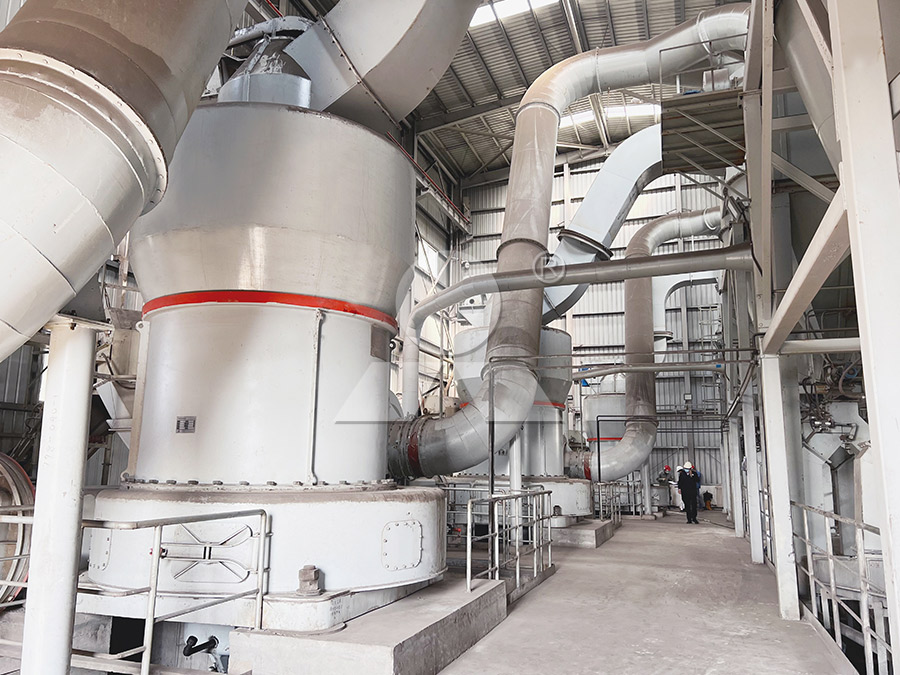
Not all mills are created equal. Here is a quick comparison of common types:
| Mill Type | Best For | Capacity Range | Fineness | Energy Use |
|---|---|---|---|---|
| Raymond Mill | Low-cost basic grinding | 0.6-5 tph | 80-400 mesh | Moderate |
| Ball Mill | General purpose, high wear | 0.65-50 tph | 50-300 mesh | High |
| MW Ultrafine Grinding Mill | Ultrafine powder, low dust | 0.5-25 tph | 325-2500 mesh | Low |
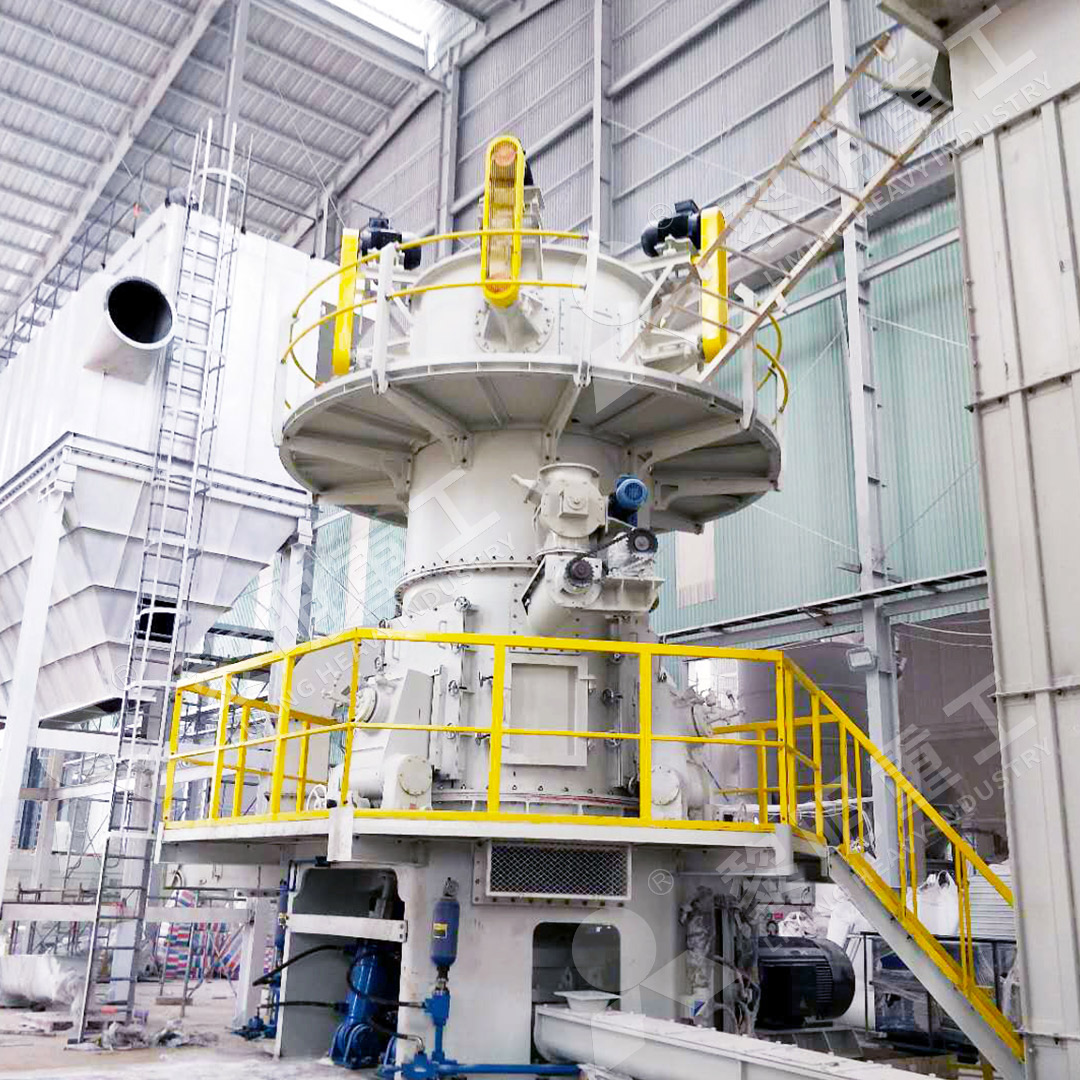
| LUM Ultrafine Vertical Mill | Medium-capacity, high purity | 5-18 tph | 325-2500 mesh | 30-50% less than common mills |
| LM Vertical Mill | Large capacity, integrated drying | 3-340 tph | 80-600 mesh | 30-40% less than ball mill |
For a typical flour shop focusing on ultrafine products like cosmetic-grade talc or food additives, the MW Ultrafine Grinding Mill stands out for its dust-free operation, low energy cost, and maintenance-friendly design. Shops needing higher throughput with drying capabilities should evaluate the LUM Ultrafine Vertical Grinding Mill, which integrates grinding, classifying, and transport in one system.
Practical Tips for Selecting Your Mill
- Test your material first. Many suppliers offer sample grinding services. Send a bag of your grain or mineral to verify the mill can achieve your target fineness and capacity.
- Consider future growth. Buying a mill that can handle 25 tph when you currently need 5 tph gives you room to expand without purchasing new equipment in two years.
- Check spare parts availability. LIMING, for instance, maintains a stock of original parts for all its models, ensuring you never face prolonged downtime waiting for imports.
- Look at the warranty and support. A good manufacturer offers technical service and on-site commissioning. Ask about response times in your region.
- Automation level. If you have skilled operators, manual controls may suffice. For shops running multiple shifts, a PLC-based system with remote monitoring reduces labor errors.
Final Thoughts
Choosing the right grinding stone mill equipment for your flour shop is a strategic decision. It affects product quality, operating costs, and your ability to meet customer demands consistently. The MW Ultrafine Grinding Mill and LUM Ultrafine Vertical Grinding Mill represent the current state of the art, combining proven stone-grinding principles with modern dust control, energy efficiency, and digital precision. Evaluate your material, capacity needs, and budget carefully, and do not hesitate to ask suppliers for references from similar shops. The right machine pays for itself many times over through reduced waste, lower power bills, and happier customers.
Frequently Asked Questions
1. What is the difference between a stone mill and an impact mill for flour?
A stone mill uses two circular stones to grind grain by shear and compression, producing flour with a more natural flavor and better nutrient retention. An impact mill uses high-speed hammers or pins to shatter grains, which generates more heat and can degrade certain nutrients. Stone mills are generally preferred for whole grain flours, while impact mills are faster for refined flours.
2. Can the MW Ultrafine Grinding Mill handle wet or high-moisture grains?
The MW Ultrafine Grinding Mill is designed for dry materials with moisture content below about 10%. For high-moisture grains, you need a mill with integrated drying capability, such as the LM Vertical Grinding Mill, which can dry and grind simultaneously.
3. How often do I need to replace the grinding rollers or stones?
This depends on the material hardness and operating hours. With the MW Ultrafine Grinding Mill, the wear-resistant alloy rollers typically last 1.7–2.5 times longer than traditional high-manganese steel parts. Many users replace them every 6–12 months under continuous operation. Regular inspection every 500 hours is recommended.
4. What safety features should I look for in a grinding mill for a flour shop?
Key features include: overload protection on the motor, emergency stop buttons, dust explosion venting, temperature sensors in the grinding chamber, and automatic shutoff if the feed rate drops too low. Ensure the mill meets local electrical and fire codes.
5. Is it possible to switch between different fineness settings without stopping the mill?
With modern mills like the LUM Ultrafine Vertical Grinding Mill, you can adjust the rotor speed of the classifier while the machine is running. However, major changes in fineness (e.g., from 100 mesh to 800 mesh) may require adjusting the grinding pressure and feed rate, which is easier with a PLC-controlled system. The MW model allows fine-tuning via separator speed adjustments.
6. How much space do I need to install a medium-capacity grinding mill?
A mill like the MW Ultrafine Grinding Mill (0.5–25 tph) requires roughly 50–80 square meters of floor space, including clearance for maintenance and material handling. Vertical mills generally take up less floor area than horizontal ball mills. Always leave room for the dust collector, elevator, and control cabinet.
7. Can I use the same mill for grinding spices, grains, and minerals?
It is possible, but not recommended without thorough cleaning between batches. Cross-contamination can alter flavors or introduce impurities. If you need multi-material capability, consider a mill with easy-clean features like the reversible roller structure on LUM models. Some shops dedicate separate mills for food-grade and industrial materials.
8. What kind of aftersales support does LIMING offer for these mills?
LIMING provides technical documentation, remote troubleshooting, original spare parts supply, and on-site service for major repairs. Most models come with a one-year warranty on manufacturing defects. Extended service contracts are available for high-usage operations.