
How Does a Raymond Mill Classifier Work? A Complete Guide to the Air Classifier System
We provide a wide range of mills — including Raymond mill, trapezoidal mill, vertical mill, ultrafine mill, and ball mill, obtained ISO9001 international quality certification, EU CE certification, and Customs Union CU-TR certification. Suitable for processing minerals such as limestone, phosphate, quicklime, kaolin, talc, barite, bentonite, calcium carbonate, dolomite, coal, gypsum, clay, carbon black, slag, cement raw materials, cement clinker, and more.
The discharge range of these mills can be adjusted to meet specific processing needs, typically from 80-400 mesh, 600-3250 mesh, and can achieve the finest particle size of up to 6000 mesh(D50).
If you are looking for a reliable grinding solution to turn stone or minerals into fine powder, please feel free to contact our online customer service.
Introduction: The Heart of the Raymond Mill – The Classifier
When people talk about a Raymond mill, they usually focus on the grinding rollers or the ring. But ask any experienced mill operator what really determines the quality of the final powder, and they will tell you: it is the classifier. The air classifier system is the unsung hero of the entire grinding operation. It separates the fine powder from the coarse material, ensuring that only particles of the desired size make it to the collection system. Without a properly functioning classifier, you would end up with inconsistent product quality, clogged filters, and a lot of wasted energy.
What Exactly Is an Air Classifier in a Raymond Mill?
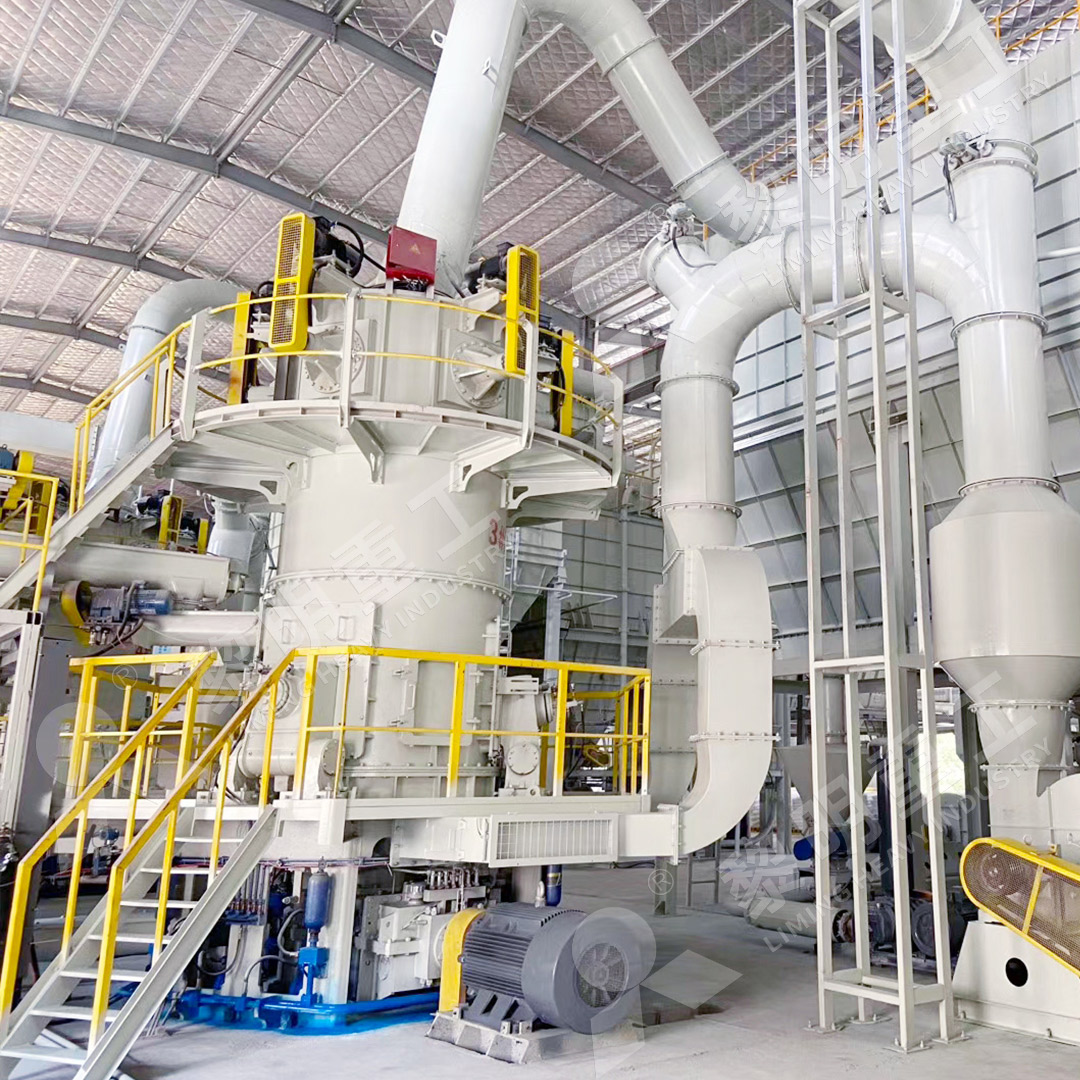
An air classifier is essentially a rotating cage or impeller mounted inside the upper section of the mill. Its job is straightforward: spin at a controlled speed to generate centrifugal force. The air stream carries the ground material upward from the grinding chamber. As the particles approach the classifier, two forces act on them. The centrifugal force from the spinning rotor pushes larger, heavier particles outward. The drag force from the airflow pulls particles inward toward the center. Fine particles, being lighter, get pulled through the rotor blades and exit with the air to the cyclone collector. Coarse particles, being too heavy, get thrown back down into the grinding chamber for another pass.
The Mechanics: How the Separation Happens
Let me walk you through the actual mechanics. The air classifier typically consists of a rotor with multiple blades arranged radially. This rotor is driven by a separate variable-speed motor, often controlled by a frequency inverter. By adjusting the rotor speed, you directly control the cut point – that is, the particle size at which separation occurs. Spin the rotor faster, and the centrifugal force increases, meaning only smaller particles can pass through. Slow it down, and larger particles are allowed through. This is why operators can adjust fineness on the fly without stopping the mill. The air velocity also plays a role. Higher airflow carries larger particles upward, but the classifier rotor still sets the final limit. The combination of rotor speed and airflow velocity determines the sharpness of the separation.
Key Components of the Classifier System
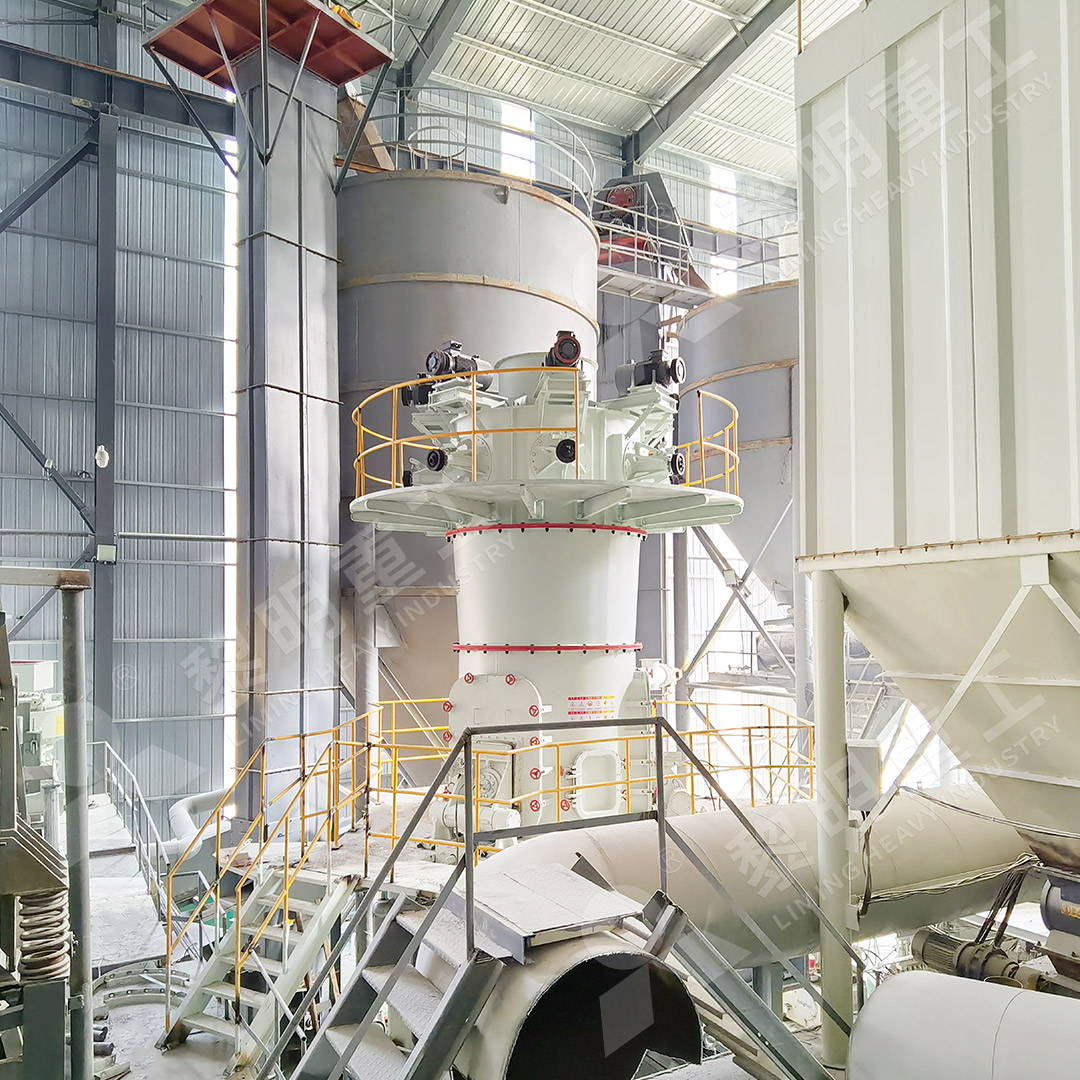
To really understand how a Raymond mill classifier works, you need to know the parts that make it tick. The main components include the rotor assembly, the housing or casing, the air inlet vanes, the drive system, and the discharge outlet. The rotor assembly is the heart – it is the rotating part with the blades. The housing directs the airflow and contains the material. The air inlet vanes, also called louver rings, are stationary blades that pre-swirl the incoming air and material mixture. This pre-swirl helps stabilize the flow and improves separation efficiency. The drive system, usually a motor and belt drive or a direct-coupled motor, provides the rotational power. The discharge outlet, often a pipe or chute, directs the fine powder out of the classifier and into the collection system.
The Role of Airflow in the Classification Process
Airflow is the carrier. Without it, the classifier would be useless. In a Raymond mill system, a blower or fan pulls air through the mill. This air enters from the bottom, picks up the ground material, and carries it upward into the classifier. The air velocity must be carefully balanced. Too low, and not enough material reaches the classifier, reducing capacity. Too high, and coarse particles get carried into the fine product, ruining quality. Most modern systems use a damper or a variable-speed fan to control airflow. Operators watch the differential pressure across the mill and classifier to maintain optimal conditions. A stable pressure drop indicates steady operation.
Factors That Affect Classification Efficiency
Several factors determine how well your classifier separates. Rotor speed is the most obvious one. But do not overlook the condition of the rotor blades. Worn or bent blades create uneven airflow, leading to poor separation. The material feed rate also matters. Overfeeding the mill overwhelms the classifier, causing coarse particles to escape. Underfeeding wastes energy and reduces throughput. Moisture content in the feed is another critical factor. Sticky or damp materials tend to agglomerate, making separation difficult. And finally, the design of the classifier itself – the number of blades, the blade angle, and the diameter of the rotor – all influence performance. That is why upgrading to a more advanced classifier, like the cage-type powder selector used in our MW Ultrafine Grinding Mill, can make a dramatic difference in both yield and fineness.
Common Issues and Troubleshooting Tips
Even well-maintained classifiers can develop problems. One common issue is vibration. If the rotor becomes unbalanced due to material buildup or blade wear, you will feel it. Regular inspection and cleaning prevent this. Another issue is coarse particles in the final product. This usually means the rotor speed is too slow, the blades are worn, or the air velocity is too high. Check all three. If you see fine powder returning to the grinding chamber through the reject cone, you might have a leak in the classifier housing or a blockage in the discharge outlet. Always keep the air seals in good condition. And remember, the classifier is a precision component. Do not attempt modifications without consulting the manufacturer.
Why Upgrading Your Classifier Matters
Older Raymond mills often came with simple static classifiers or basic dynamic classifiers. These work, but they are not very efficient. Modern dynamic classifiers, especially multi-head cage-type designs, offer much higher precision. For example, the MW Ultrafine Grinding Mill from LIMING is equipped with a German-designed cage-type powder selector. This allows precise control of fineness from 325 mesh up to 2500 mesh, with a screening rate reaching d97 ≤ 5 microns in a single pass. The result is higher yield, lower energy consumption, and more consistent product quality. If you are still using an old-style classifier, you are leaving money on the table. Upgrading can boost your production capacity by 40% compared to jet mills while using only 30% of the energy.
Conclusion: Get the Most Out of Your Mill
The air classifier is not just a component – it is the gatekeeper of your final product quality. Understanding how it works, what affects its performance, and how to troubleshoot common issues will save you time, money, and frustration. Whether you operate a small Raymond mill or a large-scale ultrafine grinding system, the principles remain the same. Control your rotor speed, balance your airflow, maintain your blades, and watch your product quality improve. And if you are looking to take your grinding operation to the next level, consider the advanced classifier technology found in our MW Ultrafine Grinding Mill. It is designed to deliver maximum efficiency with minimal environmental impact, all while giving you the precise control you need.
Frequently Asked Questions (FAQs)
1. What is the difference between a static classifier and a dynamic classifier?
A static classifier has no moving parts. It relies solely on the geometry of the housing and the airflow to separate particles. A dynamic classifier uses a rotating rotor or impeller to generate centrifugal force, allowing precise control over the cut point. Dynamic classifiers are far more efficient and produce a sharper separation.
2. Can I retrofit a modern classifier onto an old Raymond mill?
Yes, in most cases. Retrofitting a modern dynamic classifier onto an older mill is a common upgrade. However, you need to consider the space available, the drive system, and the airflow requirements. It is best to consult with the original equipment manufacturer or a specialist like LIMING to ensure proper integration.
3. How often should I inspect the classifier rotor blades?
Inspection frequency depends on the abrasiveness of the material being ground. For non-abrasive materials like limestone, monthly inspections may suffice. For abrasive materials like quartz or bauxite, inspect weekly. Look for signs of wear, such as rounded edges, cracks, or material buildup. Replace blades when the wear exceeds the manufacturer’s recommended limits.
4. What causes coarse particles to appear in the finished product?
There are several possible causes: the rotor speed is too low, the blades are worn, the air velocity is too high, or the feed rate is too high. Start by checking the rotor speed and increasing it if necessary. Then inspect the blades. Finally, verify that the airflow is not excessive and that the feed rate is within design limits.
5. Does the classifier affect the energy consumption of the mill?
Absolutely. An efficient classifier reduces the recirculation load, meaning less material is returned to the grinding chamber for re-grinding. This directly lowers the energy consumption per ton of finished product. Modern classifiers, like those used in LIMING mills, are designed to minimize pressure drop and maximize separation efficiency, reducing overall system energy use by up to 30% compared to older designs.