
Stone Grinding Mill Machine – Stone Processing Equipment Price Guide
We provide a wide range of mills — including Raymond mill, trapezoidal mill, vertical mill, ultrafine mill, and ball mill, obtained ISO9001 international quality certification, EU CE certification, and Customs Union CU-TR certification. Suitable for processing minerals such as limestone, phosphate, quicklime, kaolin, talc, barite, bentonite, calcium carbonate, dolomite, coal, gypsum, clay, carbon black, slag, cement raw materials, cement clinker, and more.
The discharge range of these mills can be adjusted to meet specific processing needs, typically from 80-400 mesh, 600-3250 mesh, and can achieve the finest particle size of up to 6000 mesh(D50).
If you are looking for a reliable grinding solution to turn stone or minerals into fine powder, please feel free to contact our online customer service.
Stone Grinding Mill Machine – Stone Processing Equipment Price Guide
When you are in the market for stone processing equipment, the sheer number of options can be overwhelming. You are not just buying a machine; you are investing in your production line’s efficiency, product quality, and long-term operational costs. This guide is designed to walk you through the key factors that influence pricing and help you match the right technology to your specific material and output goals.
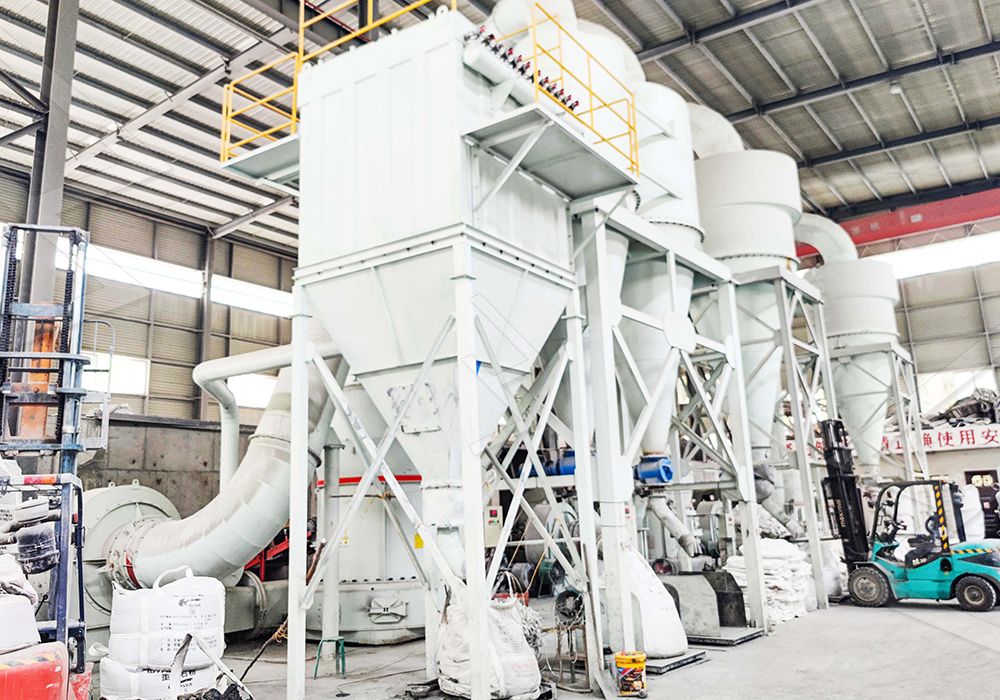
The price of a stone grinding mill is rarely a simple number. It depends on the technology inside the machine, the required fineness of your final product, the hourly capacity you need, and the hardness of the material you are processing. A machine built for coarse crushing will cost less than one engineered for ultra-fine powder, but the wrong choice can cost you far more in downtime and energy bills over the long run.
Understanding the Core Technologies
There are several core technologies used in modern stone grinding mills. You have vertical roller mills, Raymond-style mills, European trapezium mills, and ultrafine grinding mills. Each has a sweet spot in terms of application. For example, if you need to produce powder between 325 and 2500 mesh with high efficiency, an ultrafine grinding mill is often the best fit. If you are processing large volumes of limestone for power plant desulfurization, a vertical mill might be more economical.
One product that stands out for ultra-fine applications is the MW Ultrafine Grinding Mill. This machine is designed for customers who need to make ultra-fine powder. It is equipped with an efficient pulse dust collector and a muffler, which significantly reduce dust and noise. The whole production process has minimal environmental impact. With an input size of 0-20 mm and a capacity of 0.5-25 tph, it is a solid choice for industries like paint, cosmetics, medicine, and food additive production. The grinding curves of the roller and ring are newly designed to enhance efficiency, and the system energy consumption is only 30% of a jet grinding mill.

Key Factors That Drive Price
Fineness Requirements: The finer you need to grind, the more sophisticated the classifier system must be. A mill that can reliably achieve d97≤5μm will cost more than one designed for 200 mesh. The MW Ultrafine Grinding Mill uses a cage-type powder selector with German technology, allowing precise adjustment between 325 and 2500 mesh.
Capacity Needs: A machine that processes 5 tons per hour is not half the price of a 10 tph machine. Often, the frame, motor size, and auxiliary equipment scale non-linearly. You pay a premium for higher throughput, but the cost per ton often decreases as capacity increases.
Material Hardness and Abrasiveness: Grinding granite or quartz will wear out components faster than grinding limestone or talc. Machines built with wear-resistant alloys and reversible structures, like the LUM Ultrafine Vertical Grinding Mill, offer longer service life but come with a higher upfront investment.
Automation and Digitalization: Modern mills often come with PLC control systems, remote monitoring, and digitalized machining of parts. These features reduce labor costs and improve consistency, but they add to the initial price. However, the long-term savings in operation and maintenance often justify the investment.
Comparing Investment and Operating Costs
Let us talk about total cost of ownership. A cheaper mill might have a lower purchase price, but if it consumes 30% more energy or requires frequent bearing replacements, you will pay more in the long term. Mills like the LUM Ultrafine Vertical Grinding Mill are designed with double position-limiting technology to avoid destructive impacts and reversible structures to make maintenance easier, reducing downtime.
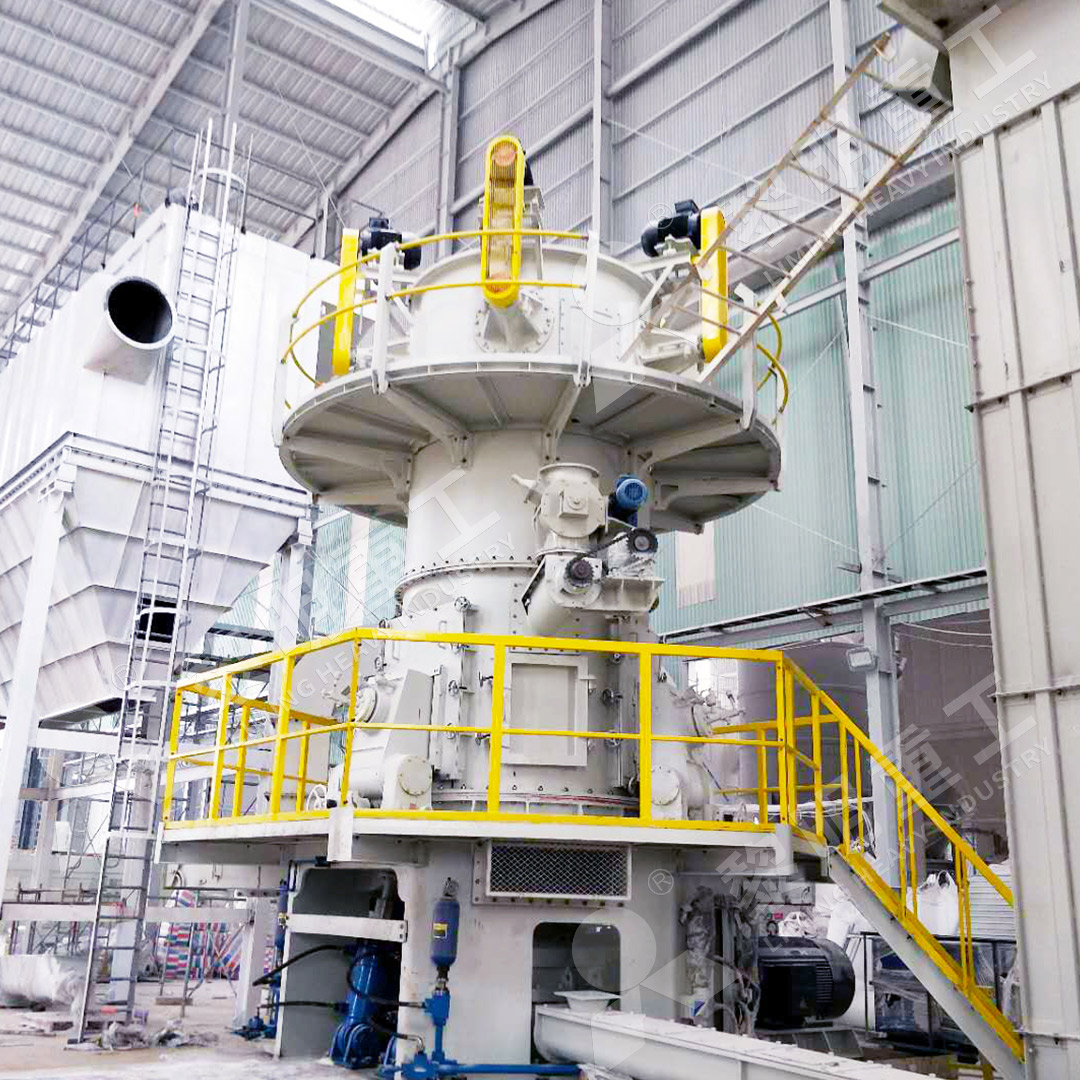
For applications requiring high whiteness and cleanliness, the LUM Ultrafine Vertical Grinding Mill is a strong recommendation. It is independently designed based on years of experience and adopts the latest Taiwan grinding roller technology and German powder separating technology. It integrates ultrafine powder grinding, grading, and transporting. The unique roller shell and lining plate grinding curve help avoid long material lingering time and high iron content. Compared to common grinding mills, this one reduces energy consumption by 30%-50%.
Price Ranges – A Practical Perspective
It is difficult to give a fixed price without knowing your specific parameters, but here is a rough guide based on common configurations:
- Entry-level Raymond mills: These are suitable for small-scale operations with capacity under 5 tph. They are the most affordable, but they lack the efficiency and fineness control of modern mills.
- European Trapezium mills: Mid-range investment, offering better efficiency and a wider fineness range. Suitable for medium-sized producers.
- Vertical roller mills (LM series): Higher investment but lower operating costs per ton. Ideal for large-scale operations and materials that require drying during grinding.
- Ultrafine mills (MW and LUM series): Premium pricing, justified by the precision and low energy consumption. Best for high-value products in chemical and pharmaceutical industries.
Most manufacturers, including LIMING, offer customized solutions. You can get a machine built specifically for your material, which often provides better value than a generic model.

Making the Right Decision
Do not just look at the sticker price. Look at the features that matter for your operation. Does the machine have a pulse dust collector to meet environmental standards? Can it run 24 hours without shutdown for lubrication? Are spare parts readily available? LIMING covers production and sales, taking responsibility for every machine, and offers technical services and original spare parts to ensure worry-free operation.
Whether you choose the MW Ultrafine Grinding Mill for ultra-fine powder or the LUM Ultrafine Vertical Grinding Mill for high-capacity, high-quality output, you are investing in a system that can deliver consistent results for years. The right mill pays for itself through lower energy bills, higher yield, and less downtime.
Frequently Asked Questions (FAQ)
- What is the typical price range for a stone grinding mill?
Prices vary widely based on capacity and technology. Entry-level mills start at a few thousand dollars, while industrial ultrafine mills can reach six figures. Contact a manufacturer with your specific requirements for an accurate quote. - How do I choose between a vertical roller mill and an ultrafine grinding mill?
If you need high capacity for coarse to medium-fine powder (like in cement or power plant desulfurization), a vertical roller mill is more economical. If you need ultra-fine powder (325-2500 mesh) for high-value products, an ultrafine grinding mill is better. - Can I process multiple materials with the same mill?
Yes, but you need to consider the hardness and abrasiveness of each material. Machines with adjustable pressure and variable speed classifiers, like the LUM series, offer more flexibility. - How long does it take to install a stone grinding mill?
Installation time depends on the complexity of the system. A standard mill can be installed in a few days, while a full automated line may take weeks. Most manufacturers provide on-site supervision. - What maintenance does a stone grinding mill require?
Regular inspections of the roller shell, liner plate, and classifier are necessary. Mills with reversible structures and external lubrication devices, like the LUM series, are easier to maintain. - Is it worth investing in a mill with a pulse dust collector?
Absolutely. It helps meet environmental regulations, reduces product loss, and keeps the workspace clean. The MW Ultrafine Grinding Mill comes equipped with this as standard. - What is the warranty on LIMING grinding mills?
LIMING offers a standard warranty on all machines. Specific terms depend on the model and the region. Contact your local dealer for details. - Can I get spare parts easily?
Yes. LIMING has a sufficient supply of original spare parts to ensure worry-free operation. They take responsibility for every machine produced by themselves. - How does the fineness adjustment work?
Most modern mills, including the MW and LUM series, use a cage-type powder selector with adjustable rotor speed. You can change the fineness without stopping the machine. - What is the energy consumption compared to a ball mill?
Vertical and ultrafine mills typically consume 30-50% less energy than traditional ball mills. The MW series, for instance, has a system energy consumption of only 30% of a jet grinding mill.