
250 Mesh Marble Grinding Mill for Powder Processing: Achieving Precision and Efficiency
We provide a wide range of mills — including Raymond mill, trapezoidal mill, vertical mill, ultrafine mill, and ball mill, obtained ISO9001 international quality certification, EU CE certification, and Customs Union CU-TR certification. Suitable for processing minerals such as limestone, phosphate, quicklime, kaolin, talc, barite, bentonite, calcium carbonate, dolomite, coal, gypsum, clay, carbon black, slag, cement raw materials, cement clinker, and more.
The discharge range of these mills can be adjusted to meet specific processing needs, typically from 80-400 mesh, 600-3250 mesh, and can achieve the finest particle size of up to 6000 mesh(D50).
If you are looking for a reliable grinding solution to turn stone or minerals into fine powder, please feel free to contact our online customer service.
Introduction to Marble Powder Processing at 250 Mesh
Marble, a metamorphic rock composed primarily of calcium carbonate, is a versatile material used across industries ranging from construction to cosmetics. When ground to a fine powder, particularly at a specification of 250 mesh (approximately 63 microns), marble becomes a valuable filler and additive. Achieving consistent, high-quality 250 mesh powder requires specialized milling equipment. The choice of grinding mill directly impacts production capacity, energy consumption, and final product purity. This article delves into the nuances of processing marble to 250 mesh, highlighting the technological advancements that make modern mills efficient and reliable. We will explore the key considerations for selecting a mill, the operational benefits of advanced designs, and how leading equipment addresses common challenges like dust control and maintenance downtime.
Understanding the Demands of 250 Mesh Marble Grinding
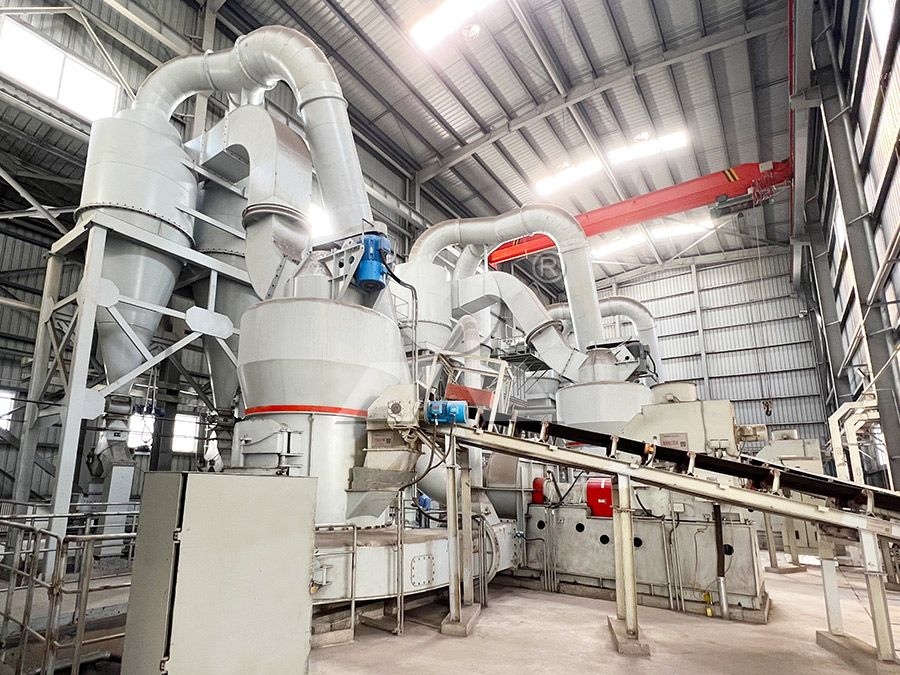
Reaching a fineness of 250 mesh is a standard requirement in many industrial applications. For marble, this particle size ensures smooth texture in paints, consistent brightness in paper coatings, and optimal reactivity in chemical processes. However, grinding marble to this specification presents several challenges. Marble has a Mohs hardness of around 3 to 4, making it relatively soft but abrasive. The grinding process must minimize iron contamination to preserve the whiteness and purity of the final product. Additionally, achieving a high sieving rate (the percentage of material that passes through the 250 mesh screen) requires precise classification technology. Traditional ball mills or Raymond mills may struggle with efficiency or product quality at this fineness level. This is where modern ultrafine grinding mills demonstrate their superiority.
Key Features of an Ideal 250 Mesh Marble Grinding Mill
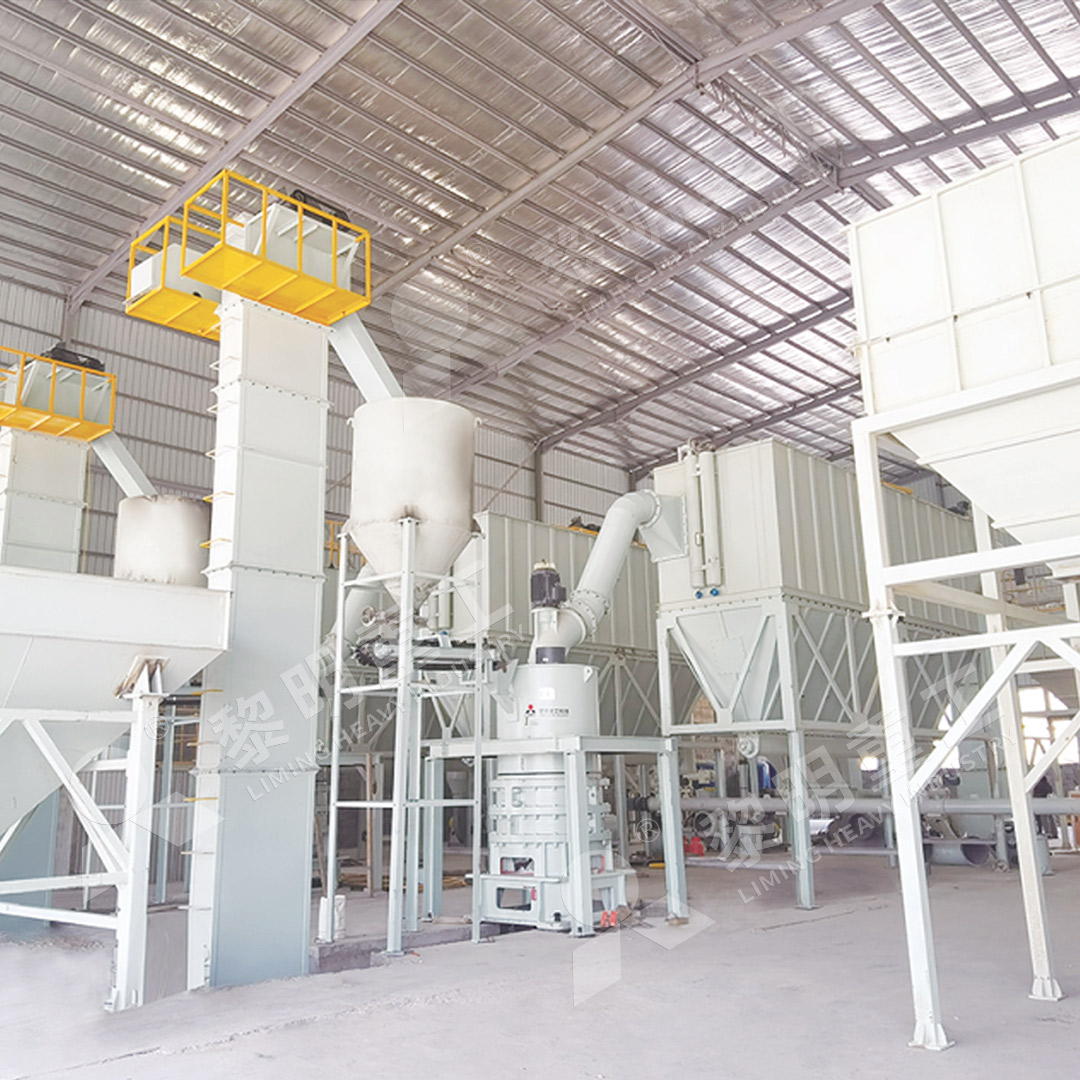
To effectively produce 250 mesh marble powder, a grinding mill must incorporate several critical features. First, the grinding mechanism must generate sufficient force to break down the crystalline structure of marble without excessive energy waste. Second, the classification system needs to accurately separate particles, ensuring that virtually all output meets the 250 mesh standard. Third, the mill should operate with minimal environmental impact, containing dust and reducing noise. Fourth, maintenance must be straightforward to maximize uptime. Our MW Ultrafine Grinding Mill excels in all these areas, making it a top contender for marble powder processing. It is designed specifically for customers who need to make ultra-fine powder with fineness adjustable between 325 and 2500 meshes, comfortably covering the 250 mesh target.
MW Ultrafine Grinding Mill: Engineered for Marble
The MW Ultrafine Grinding Mill stands out for its exceptional performance in marble grinding. Its design philosophy centers on higher yielding capacity with lower energy consumption. The newly designed grinding curves of the roller and ring enhance grinding efficiency. When set to produce 250 mesh powder, the production capacity can be 40% higher than that of jet grinding mills and stirred grinding mills. Equally important, the system energy consumption is only 30% of a jet mill. For marble processors, this translates directly to lower operating costs and faster return on investment. The mill’s cage-type powder selector, applying German technologies, ensures the screening rate at the desired fineness is exceptionally high. This means more on-spec product in a single pass, reducing the need for recirculation and boosting overall throughput.
Addressing Operational Concerns: No Rolling Bearings in the Grinding Chamber
One of the most innovative aspects of the MW Ultrafine Grinding Mill is the elimination of rolling bearings and screws inside the grinding chamber. This design choice is particularly beneficial for marble processing. Marble dust, being abrasive, can accelerate wear on bearings and cause seal failures. By removing these components from the high-wear zone, the MW mill drastically reduces the risk of unexpected breakdowns. Users are free from worries about damages to bearings or their sealing parts. There is no machine damage problem caused by loose screws. The lubricating device is installed externally on the main shaft, so lubrication without shutdown can be realized. This allows for 24-hour continuous production, which is often required in high-demand powder processing operations. This feature alone can significantly improve a plant’s overall equipment effectiveness.
Environmental Compliance and Digital Precision
Modern powder processing operations must adhere to stringent environmental standards. The MW Ultrafine Grinding Mill is equipped with an efficient pulse dust collector that ensures no dust pollution occurs during the entire milling system operation. Silencers and noise elimination rooms are configured to reduce noise pollution. For a marble grinding operation, this means the production site remains clean, safe, and compliant with national environmental protection regulations. Furthermore, the manufacturing process of the mill itself reflects high precision. The use of tens of lines of numerical controlling machine tools for cutting, bending, planing, and milling ensures that every core part is produced to exact specifications. This high machining precision translates to consistent performance and reliable operation over the long term.
Practical Application and Throughput Expectations
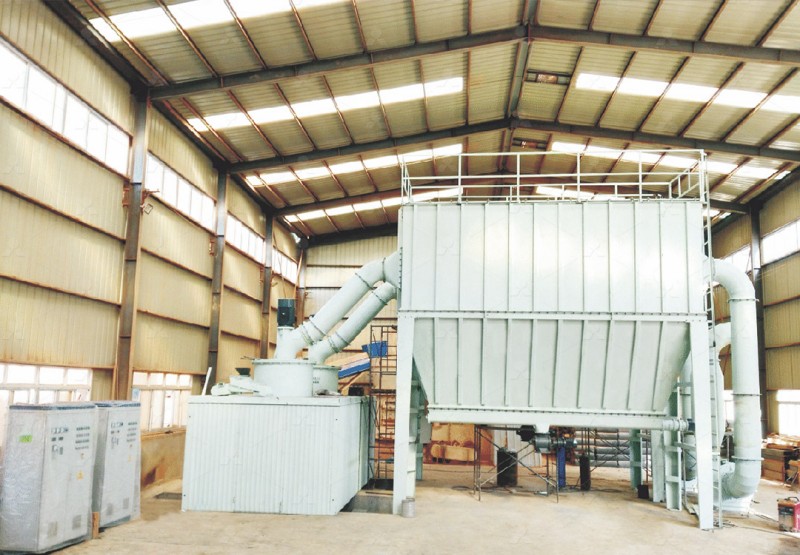
When processing marble to 250 mesh, the MW Ultrafine Grinding Mill, with an input size of 0-20 mm, can handle a capacity ranging from 0.5 to 25 tons per hour. This wide range allows the mill to serve both small-scale specialized producers and large industrial operations. The working principle involves a motor driving the main shaft and turnplates, which in turn drive rollers to rotate against the raceway of the ring. Material is crushed between the roller and ring in a multi-stage process. The blower inhales air into the mill, carrying the powdered marble into the separator. Coarse powder drops down for re-grinding, while the fine 250 mesh powder goes into the cyclone collector as the final product. This closed-loop system ensures consistent quality and minimal material loss.
Conclusion: Investing in the Right Grinding Technology
Producing 250 mesh marble powder efficiently requires a mill that combines high throughput, energy efficiency, precise classification, and robust construction. For companies serious about quality and productivity, the MW Ultrafine Grinding Mill offers a compelling solution. Its unique features, such as the bearing-free grinding chamber and German-inspired classifier, directly address the pain points of marble processing. By choosing equipment that prioritizes low maintenance and environmental compliance, businesses can focus on growth rather than operational headaches. The total cost of ownership is minimized through lower energy bills, reduced downtime, and long-lasting wear parts. Whether you are entering the marble powder market or looking to upgrade existing capacity, evaluating a mill like the MW is a strategic decision.
Frequently Asked Questions (FAQ)
Q1: Can the MW Ultrafine Grinding Mill consistently produce 250 mesh marble powder?
Yes. The MW mill is designed with a cage-type powder selector that allows for precise fineness adjustment. The fineness can be set between 325 and 2500 meshes. For 250 mesh, the screening rate is very high, ensuring that the majority of the output meets the target specification with minimal oversize particles.
Q2: What is the typical energy consumption compared to a ball mill for marble?
The MW Ultrafine Grinding Mill is significantly more energy-efficient. While a ball mill consumes considerable power for the same output, the MW mill’s system energy consumption is only about 30% of a jet mill, and its yield is twice as large as a ball mill for the same power draw. This represents substantial savings per ton of powder produced.
Q3: How does the mill handle the abrasive nature of marble dust?
The MW mill is built to withstand abrasion. Its grinding chamber has no rolling bearings or screws that can be easily damaged by dust. The grinding roller and ring are made of wear-resistant alloys. Additionally, the external lubrication system for the main shaft prevents contamination and reduces wear on critical moving parts.
Q4: Is special training required to operate this grinding mill?
The MW mill is designed for user-friendly operation. It features a digitalized control system that simplifies operation. Operators can easily adjust parameters like the classifier speed and grinding pressure. LIMING provides technical services and manuals to ensure your team can operate the mill effectively from day one.
Q5: What is the maximum input size for marble before grinding?
The recommended maximum input size for the MW Ultrafine Grinding Mill is 0-20 mm. Marble pieces larger than this should be pre-crushed using a hammer crusher or jaw crusher before feeding into the mill to ensure optimal performance and prevent damage.
Q6: Can the same mill be used for other materials besides marble?
Absolutely. The MW mill is versatile and can process a wide range of non-flammable and non-explosive materials with a Mohs hardness of less than 9. Common materials include limestone, calcite, dolomite, gypsum, barite, and talc. Its applications span the chemical, paint, cosmetic, medical, and food additive industries.
Q7: How does the MW mill control dust pollution during operation?
The mill is equipped with an efficient pulse dust collector that captures fine dust particles generated during the grinding process. The entire system operates under negative pressure, preventing dust from leaking into the environment. This makes it fully compliant with national environmental protection standards.
Q8: What kind of maintenance is required for the grinding roller and ring?
Maintenance is simplified by the mill’s design. The roller and ring are easily accessible. For the LUM series, a reversible structure allows for quick inspection and replacement. The MW mill’s external lubrication system means that routine lubrication can be done without stopping the machine, minimizing downtime.
Q9: How long does it take to change from one product fineness to another?
Changing the fineness is a quick process. The operator simply adjusts the rotating speed of the powder concentrator’s rotor. The PLC control system allows for fast and accurate changes. This flexibility is ideal for producers who need to switch between different mesh sizes frequently.
Q10: Where can I get spare parts and technical support for the MW mill?
LIMING, the manufacturer, takes full responsibility for every machine it produces. We maintain a sufficient supply of original spare parts to ensure worry-free operation. Our global network of service engineers can provide on-site technical support and product services to help you maximize your mill’s performance.