
Optimization of Coal Vertical Roller Mill Grinding Technology for Enhanced Efficiency and Fineness
We provide a wide range of mills — including Raymond mill, trapezoidal mill, vertical mill, ultrafine mill, and ball mill, obtained ISO9001 international quality certification, EU CE certification, and Customs Union CU-TR certification. Suitable for processing minerals such as limestone, phosphate, quicklime, kaolin, talc, barite, bentonite, calcium carbonate, dolomite, coal, gypsum, clay, carbon black, slag, cement raw materials, cement clinker, and more.
The discharge range of these mills can be adjusted to meet specific processing needs, typically from 80-400 mesh, 600-3250 mesh, and can achieve the finest particle size of up to 6000 mesh(D50).
If you are looking for a reliable grinding solution to turn stone or minerals into fine powder, please feel free to contact our online customer service.
Introduction
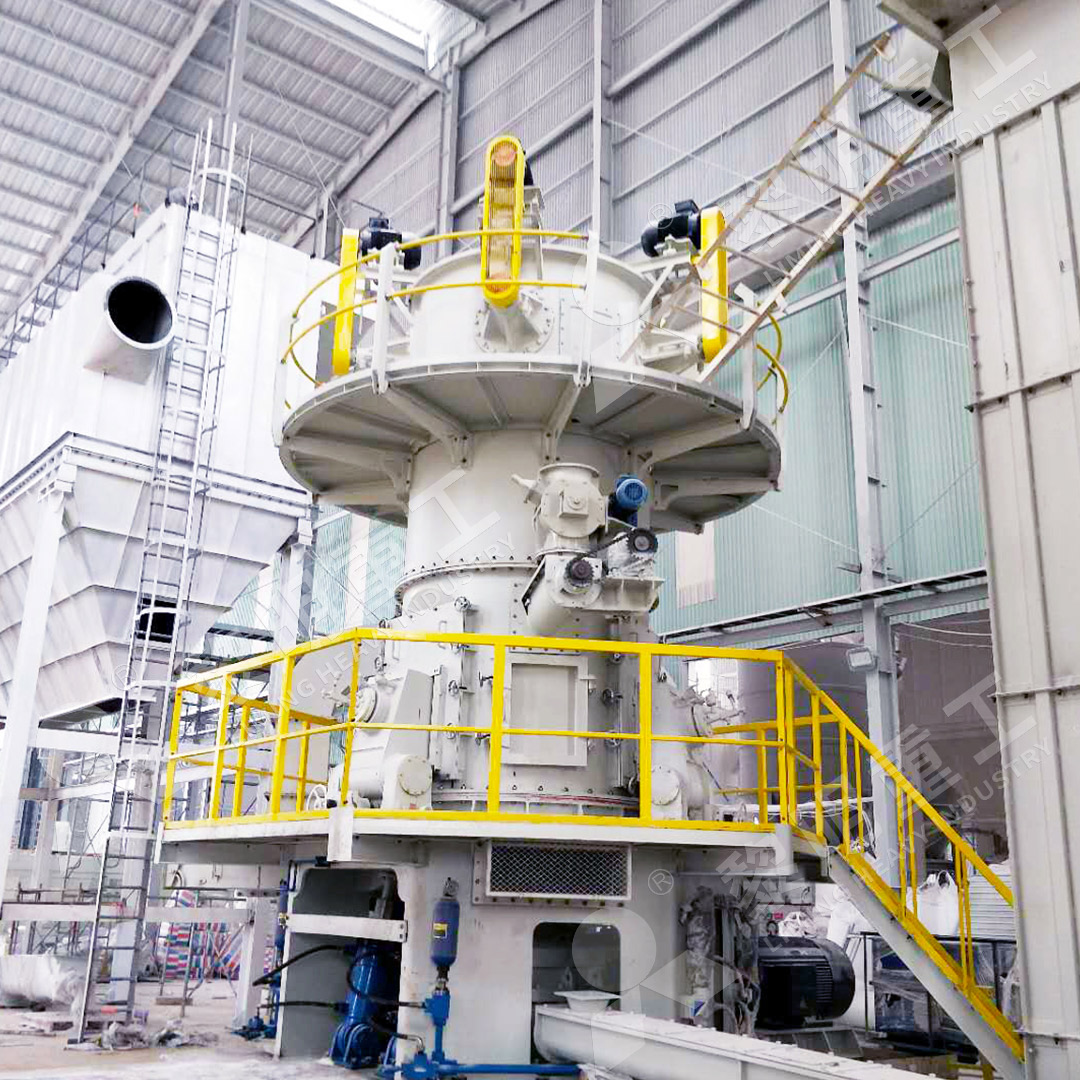
In the coal processing industry, vertical roller mills (VRMs) have become the backbone of pulverized coal production for thermal power plants, cement kilns, and steel mills. The demand for higher grinding efficiency, finer product fineness, and lower energy consumption drives continuous innovation. This article delves into the optimization of coal VRM grinding technology, focusing on operational parameters, wear management, and classifier tuning. Based on LIMING’s extensive experience in grinding mill design, we present practical strategies to maximize throughput while achieving precise particle size distribution. Our LUM Ultrafine Vertical Grinding Mill and LM Vertical Coal Mill exemplify these advanced technologies, offering tailored solutions for coal powder applications.
Key Factors Affecting Grinding Efficiency
Grinding Pressure and Bed Depth
Optimal grinding pressure is critical. Too low pressure leads to inefficient crushing and high recirculation, while excessive pressure causes vibration and accelerated wear. The LM Vertical Coal Mill uses a hydraulic automatic pressure device that maintains consistent force on the material bed. For coal with Hardgrove Grindability Index (HGI) between 40 and 60, a grinding pressure range of 8-12 MPa is recommended. The bed depth should be controlled between 30-50 mm, achieved by adjusting the feed rate and separator speed. The double position-limiting technology in LUM mills prevents roller-to-table contact, ensuring stable operation even during feed fluctuations.
Air Flow and Classification
The air-swept system in VRMs serves dual purposes: drying and conveying. For coal with 10-15% moisture, inlet gas temperature is maintained at 250-350°C to achieve evaporation. The classifier rotor speed is the primary control for fineness. To produce 200 mesh (75 microns) pulverized coal, a rotor speed of 80-120 rpm is typical. Our LUM Ultrafine Vertical Grinding Mill incorporates German multi-head powder separating technology, allowing dynamic adjustment of cut size between 325 and 2500 mesh. This is particularly advantageous for petrochemical coal and coke breeze applications.
Wear Management and Maintenance Strategies
Roller and Table Life Extension
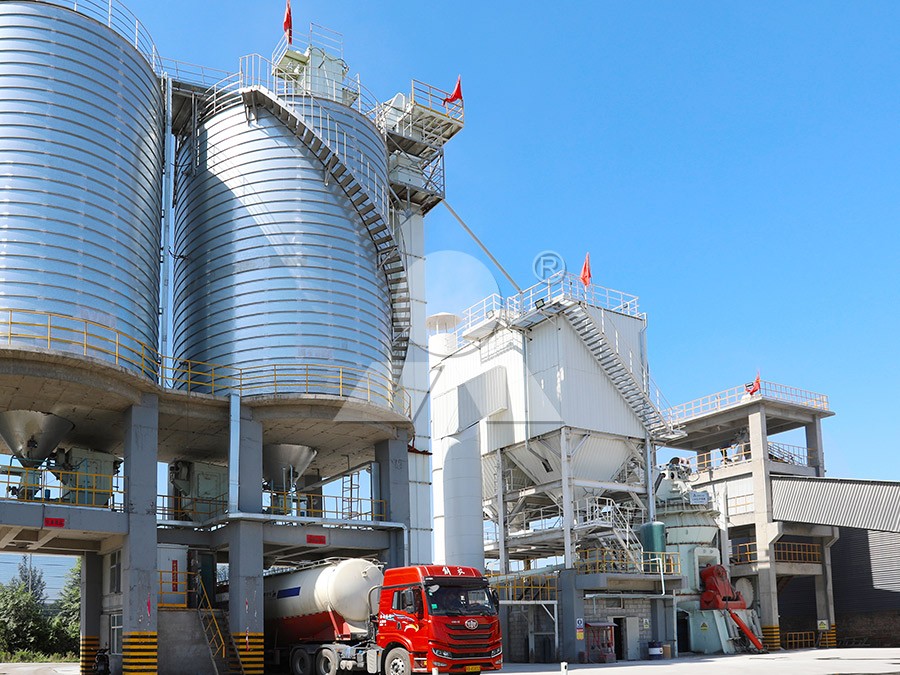
Coal often contains quartz and pyrite, which accelerate abrasive wear. Optimizing the grinding curve design, as implemented in LIMING’s mills, reduces sliding wear by 30%. Using hardfacing alloys with chromium carbide (HRC 58-62) for roller shells and table liners extends service life to 6000-8000 hours. The reversible structure of LUM mills allows grinding rollers to be swung out for inspection without crane assistance, reducing downtime by 40%.
No Rolling Bearing Inside Chamber
One common failure point in VRMs is bearing contamination. LIMING’s MW Ultrafine Grinding Mill eliminates rolling bearings and screws inside the grinding chamber. The lubricating device is external, enabling oil changes during operation. This design is particularly beneficial for coal grinding, where fine dust ingress is unavoidable. The result is 24-hour continuous operation with minimal unscheduled stops.
Fineness Optimization Techniques
Classifier Configuration
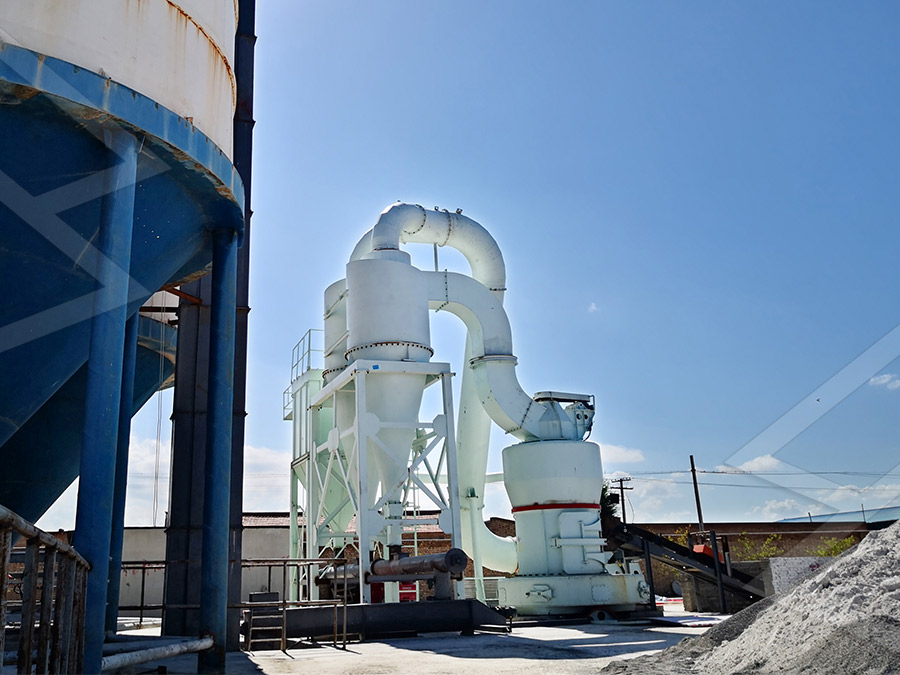
For coal, the target fineness typically ranges from 70% passing 200 mesh (75 μm) for PC boilers to 90% passing 325 mesh (44 μm) for injection in blast furnaces. The cage-type powder selector in MW mills can be fitted with multiple heads to increase classification precision. By adjusting guide vane angle (30-60 degrees) and rotor speed, the d97 cut size can be tuned from 45 μm down to 5 μm. This flexibility makes MW mills suitable for both coal and ultra-fine pet-coke grinding.
Effect of Feed Moisture
High moisture content (above 15%) leads to material agglomeration and reduced grinding efficiency. Pre-drying using hot gas from a separate furnace or waste heat recovery is recommended. For the LM Vertical Coal Mill, the drying chamber is integrated, using hot gas at 300-400°C. The retention time in the mill is only 2-3 minutes, so moisture must be flash-evaporated. If moisture exceeds 20%, a separate rotary dryer upstream is advised.
Energy Consumption and Environmental Benefits
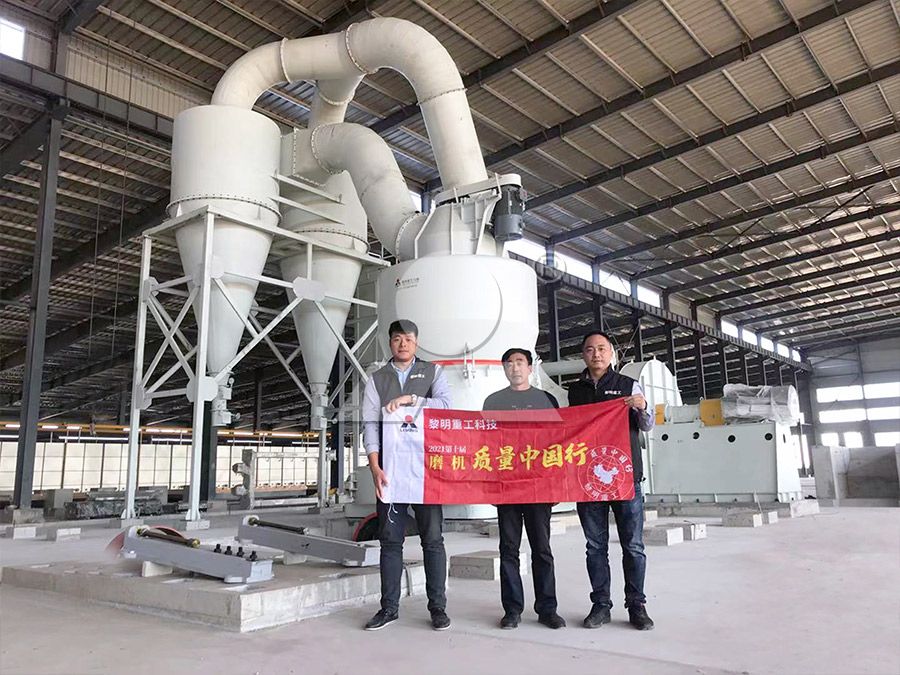
Compared to ball mills, VRMs reduce specific power consumption by 30-50%. For coal grinding, the system power (mill + fan + classifier) typically runs at 20-30 kWh/t for a fineness of 80% passing 200 mesh. The LUM Ultrafine Vertical Grinding Mill achieves even lower levels through optimized air duct geometry and low-resistance cage separators. Furthermore, pulse dust collectors keep particulate emissions below 20 mg/Nm³, meeting stringent environmental standards. The silencer and noise enclosure reduce sound levels to below 85 dB(A).
Conclusion
Optimizing coal vertical roller mill technology requires a systematic approach: proper selection of grinding pressure, air flow, and classifier settings; use of wear-resistant materials; and adoption of robust designs like the no-bearing chamber in MW mills. LIMING’s product line—from the high-capacity LM Vertical Coal Mill to the ultra-fine LUM series—provides tailored solutions for every coal grinding requirement. With digitalized processing and sufficient spare parts supply, these mills offer long-term reliability and operational excellence.
FAQ
- What is the typical fineness range for coal milled in a VRM?
Coal fineness is usually specified as 70-90% passing 200 mesh (75 microns) for pulverized coal injection, with some demanding up to 95% passing 325 mesh (44 microns). The LUM Ultrafine Vertical Grinding Mill can adjust fineness between 325-2500 mesh. - How often should grinding rollers be replaced in a coal VRM?
With proper hardfacing, roller shells last 6000-8000 hours of operation. The reversible structure in LUM mills allows easier inspection, and the expected lifetime depends on coal abrasiveness (HGI and quartz content). - What causes vibration in a vertical coal mill and how to mitigate it?
Common causes include uneven feed distribution, excessive grinding pressure, worn rollers, or tramp material. Using the double limiting technology in LUM mills prevents roller-to-table contact and stabilizes operation. Regular checking of hydraulic accumulators is also recommended. - Can these mills handle high-moisture coal?
Yes, but pre-drying is necessary. The LM Vertical Coal Mill can dry coal with up to 15-20% moisture using hot gas. For wetter feeds, a separate dryer or mixing with dry coal is suggested. - What is the difference between MW ultrafine mill and LUM ultrafine mill for coal?
MW is designed for smaller capacities (0.5-25 tph) and finer products (down to 5 microns), while LUM handles 5-18 tph with a focus on energy-saving and reversible maintenance. Both are suitable for coal and pet-coke. - How to reduce energy consumption in coal VRM?
Optimize classifier rotor speed to avoid over-grinding, use low-resistance air ducts (like cambered type in MTW mills), and maintain proper bed depth. The system energy of a VRM is 30-40% less than a ball mill. - What spare parts should be kept in stock for continuous operation?
Essential spares include grinding roller shells, table liners, classifier blades, seals, hydraulic hoses, and filter bags. LIMING offers original parts with reliable supply chain. - Is automatic control available for these mills?
Yes, both LM and LUM mills come with PLC-based expert control systems enabling remote monitoring, automatic pressure adjustment, and feed rate optimization. This reduces manual intervention by 60%.