
Quartz Powder Processing in Optical Coating Applications
We provide a wide range of mills — including Raymond mill, trapezoidal mill, vertical mill, ultrafine mill, and ball mill, obtained ISO9001 international quality certification, EU CE certification, and Customs Union CU-TR certification. Suitable for processing minerals such as limestone, phosphate, quicklime, kaolin, talc, barite, bentonite, calcium carbonate, dolomite, coal, gypsum, clay, carbon black, slag, cement raw materials, cement clinker, and more.
The discharge range of these mills can be adjusted to meet specific processing needs, typically from 80-400 mesh, 600-3250 mesh, and can achieve the finest particle size of up to 6000 mesh(D50).
If you are looking for a reliable grinding solution to turn stone or minerals into fine powder, please feel free to contact our online customer service.
Introduction: The Critical Role of Quartz Powder in Optical Coatings
Optical coatings are thin layers of material deposited onto optical components such as lenses, mirrors, and filters to alter their reflective or transmissive properties. These coatings are essential in industries ranging from aerospace and defense to consumer electronics and medical devices. One of the key raw materials used in the production of high-performance optical coatings is high-purity quartz powder. The quality of this powder directly influences the clarity, durability, and efficiency of the final optical product. Achieving the right particle size distribution, purity, and consistency requires advanced milling technology. In this article, we delve into the specifics of quartz powder processing for optical coatings, highlighting how modern grinding mills meet the stringent demands of this niche application.
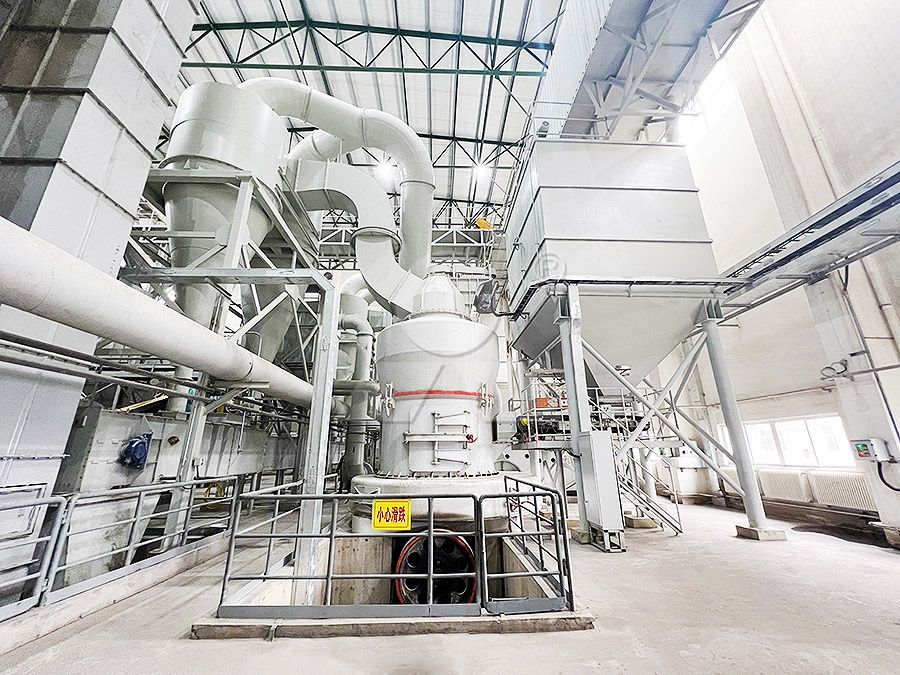
The Technical Demands of Optical-Grade Quartz Powder
Optical coatings require materials that are free from contaminants and have a precisely controlled particle size. Even microscopic impurities can scatter light, leading to reduced performance in high-precision optics. Quartz, being naturally hard and chemically inert, is an ideal candidate. However, its hardness presents a challenge: conventional grinding methods often introduce iron contamination or fail to achieve the necessary fineness. Typically, the target fineness for optical-grade quartz powder ranges from 325 mesh (44 microns) down to 2500 mesh (5 microns). At such fine scales, the grinding process must be meticulously controlled to avoid agglomeration and ensure flowability. This is where specialized ultrafine grinding mills become indispensable.
How Ultrafine Grinding Mills Tackle Quartz Processing
Traditional ball mills, while reliable for coarse grinding, fall short when it comes to producing ultrafine quartz powder for optics. They suffer from high energy consumption and long residence times, which can lead to over-grinding and contamination. Modern ultrafine grinding mills, such as those designed by LIMING, incorporate several innovations to overcome these limitations. For instance, the MW Ultrafine Grinding Mill features a cage-type powder selector based on German technology, enabling precise separation of particles down to d97≤5μm. This mill also eliminates rolling bearings and screws in the grinding chamber, reducing the risk of mechanical failure and contamination. Additionally, its efficient pulse dust collector ensures a clean workspace, which is critical when handling materials for sensitive optical applications.
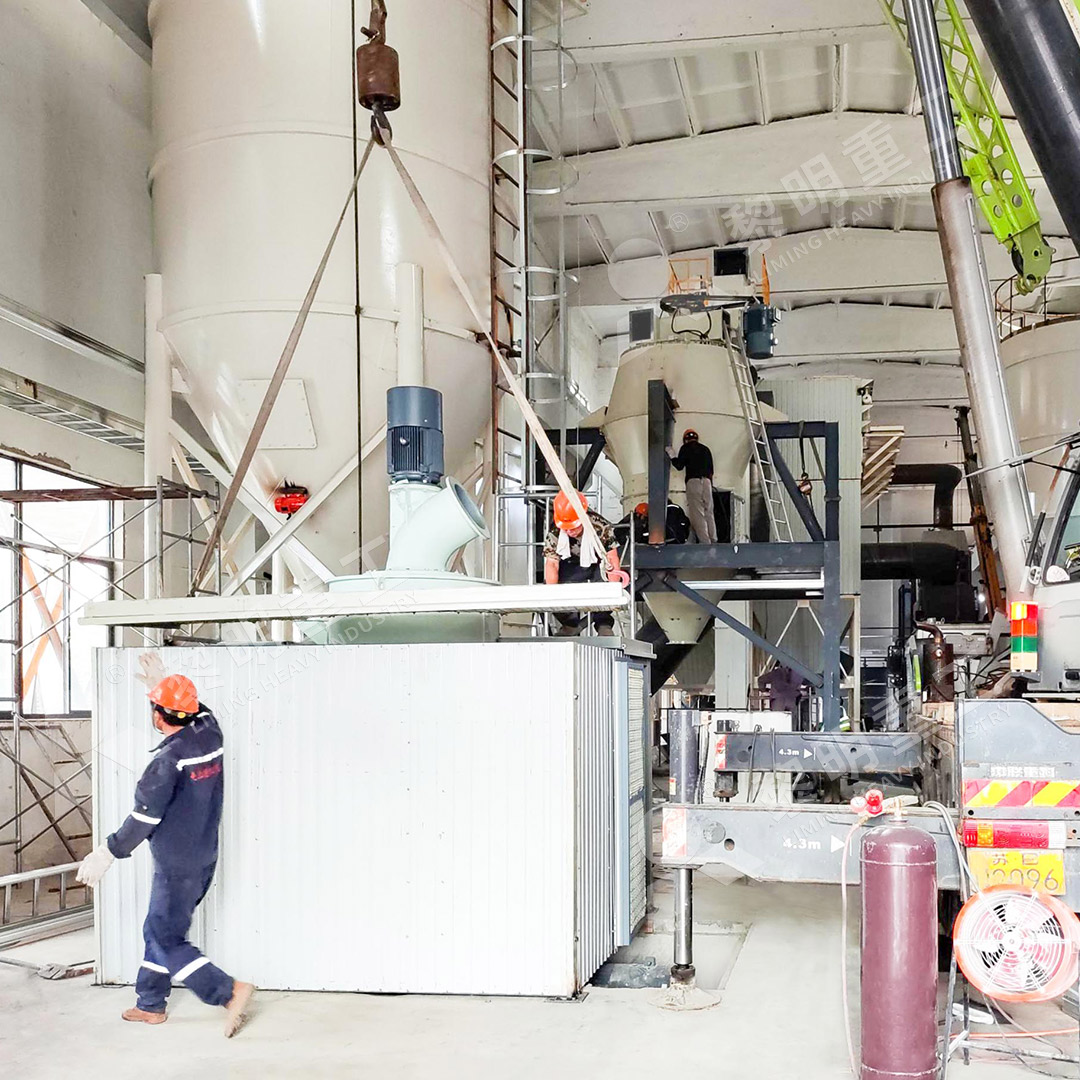
Energy Efficiency and Yield: Key Considerations for Optical Coating Manufacturers
In the competitive landscape of optical coating production, manufacturers must balance quality with cost. One of the standout features of LIMING’s MW Ultrafine Grinding Mill is its energy efficiency. Compared to jet mills and stirred mills, the MW series offers a 40% higher production capacity at the same power consumption. For quartz powder, this translates to lower operating costs without compromising the fineness required for optical coatings. The mill’s grinding rollers and rings are engineered with optimized curves that enhance grinding efficiency, making it possible to achieve the desired particle size in fewer passes. This is particularly beneficial when processing quartz, which is notoriously abrasive and can wear down traditional grinding components quickly. LIMING addresses this by using wear-resistant alloys in critical parts, extending service life and reducing downtime.
Precision and Purity: The Two Pillars of Optical Coating Success
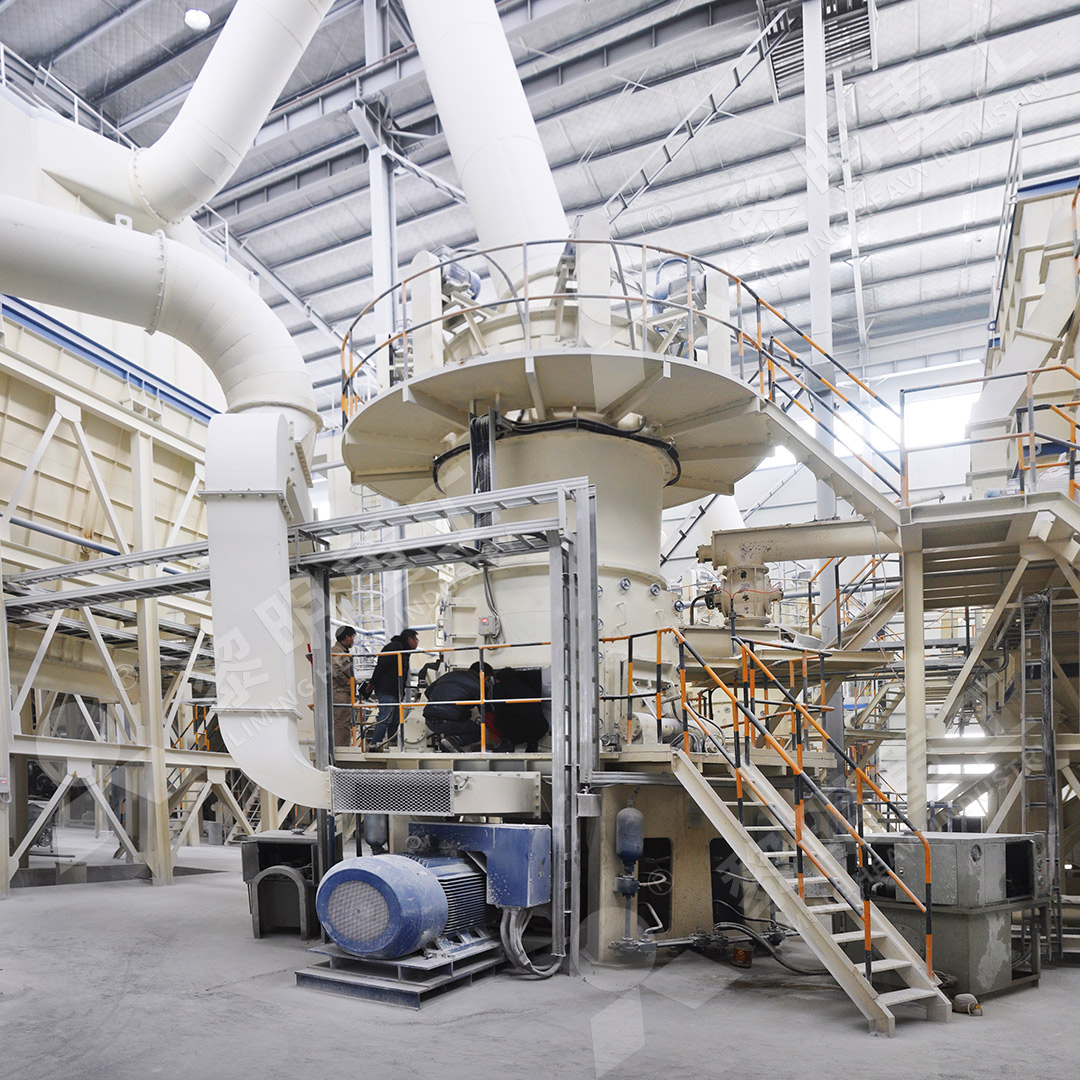
When milling quartz for optical coatings, two factors reign supreme: precision and purity. Precision ensures that the powder’s particle size distribution falls within a narrow range, which directly affects the uniformity of the coating layer. Purity ensures that no foreign material degrades the optical properties. The MW Ultrafine Grinding Mill excels in both areas. Its digitalized manufacturing process, with numerical control for cutting, bending, and milling, guarantees that every component meets tight tolerances. The mill’s design also minimizes iron contamination—a common issue in grinding—by avoiding direct metal-to-metal contact in the grinding zone. For customers who require even higher throughput with similar precision, the LUM Ultrafine Vertical Grinding Mill is an excellent alternative. It uses Taiwan-made grinding roller technology and a multi-head powder separator to achieve high yields with low energy consumption. Both mills are backed by LIMING’s comprehensive spare parts supply, ensuring worry-free operation for 24/7 production.
Environmental and Operational Considerations
Optical coating facilities often operate in cleanroom-like environments where dust and noise are strictly controlled. LIMING’s grinding mills are designed with this in mind. The MW model, for instance, includes a muffler and noise elimination room, making it suitable for installation in noise-sensitive areas. The entire milling system operates under negative pressure, preventing dust from escaping into the workspace. Furthermore, the mill’s pulse dust collector ensures that emissions are well below international environmental standards. This eco-friendly design not only protects the health of workers but also helps manufacturers comply with increasingly stringent regulations. The MTW-Z European Trapezium Mill, another LIMING offering, also features a low-noise operation and can be configured with additional dust removal equipment for applications requiring extreme cleanliness.
Conclusion: Choosing the Right Grinding Solution for Quartz
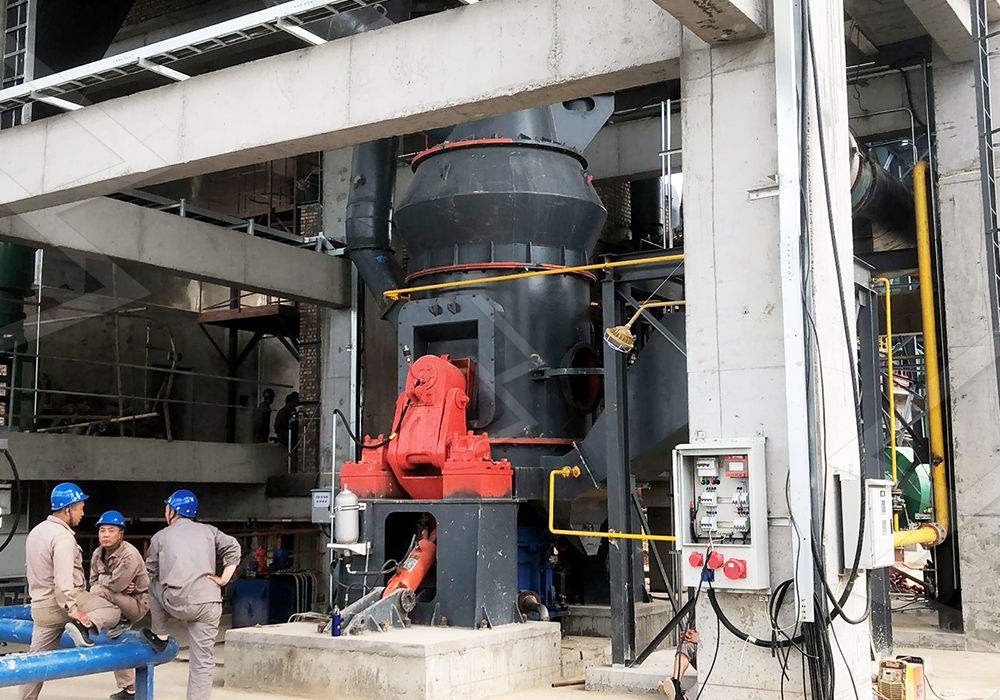
Processing quartz powder for optical coatings is not a one-size-fits-all endeavor. The choice of grinding mill depends on factors such as target fineness, production volume, and budget. For small to medium-scale operations producing ultra-fine powder with high purity, the MW Ultrafine Grinding Mill is an ideal workhorse. Its ability to produce particles down to 5 microns, combined with low energy consumption and eco-friendly operation, makes it a top pick for optical coating manufacturers. For larger operations that need to maximize throughput, the LUM Ultrafine Vertical Grinding Mill offers higher capacity (up to 18 tph) while maintaining the same level of precision. Both machines are built on decades of engineering expertise and are supported by LIMING’s global service network. In the end, investing in the right milling technology is an investment in the quality and competitiveness of your optical coatings.
Frequently Asked Questions (FAQs)
- What is the ideal particle size for quartz powder used in optical coatings?
The ideal particle size typically ranges from 325 mesh (44 microns) to 2500 mesh (5 microns), depending on the specific coating requirements. Finer particles provide smoother surfaces and better optical clarity. - How does LIMING’s MW Ultrafine Grinding Mill prevent iron contamination?
The MW mill eliminates rolling bearings and screws in the grinding chamber, reducing metal-to-metal wear. It also uses wear-resistant alloys for rollers and rings, minimizing the introduction of iron particles. - Can the MW Ultrafine Grinding Mill handle continuous 24-hour operation?
Yes, the MW mill features an external lubrication system that allows maintenance without shutdown, enabling continuous production for 24 hours. - What is the typical yield of the LUM Ultrafine Vertical Grinding Mill for quartz processing?
For quartz, the LUM mill can achieve a capacity of 5 to 18 tph, depending on the feed size and target fineness. It is suitable for large-scale industrial production. - Are LIMING mills compliant with environmental standards for noise and dust?
Yes, both the MW and LUM mills are equipped with pulse dust collectors and mufflers, ensuring compliance with strict national and international environmental standards. - What maintenance is required for the grinding rollers in these mills?
The rollers in the MW and LUM mills are designed for easy inspection and replacement. The LUM mill even features a reversible structure that allows quick access without heavy lifting. - Can these mills be used for materials other than quartz?
Absolutely. LIMING mills are versatile and can process a wide range of non-metallic minerals, including calcite, marble, barite, and talc, as well as materials for chemical, paint, and cosmetic industries. - How does the cage-type powder selector improve powder quality?
The cage-type selector provides high-precision separation, ensuring that the final product has a narrow particle size distribution and a high sieving rate, which is critical for optical applications. - What is the price range for the MW Ultrafine Grinding Mill?
The price varies based on configuration and capacity. Contact LIMING’s sales team for a tailored quote. Typically, the MW series is competitively priced considering its energy efficiency and low maintenance costs. - Does LIMING provide after-sales support and spare parts?
Yes, LIMING offers comprehensive technical services and maintains a sufficient supply of original spare parts to ensure worry-free operation for all its machines.