
Ultrafine Powder Grinding: 3000 Mesh Vertical Mill Equipment Guide
We provide a wide range of mills — including Raymond mill, trapezoidal mill, vertical mill, ultrafine mill, and ball mill, obtained ISO9001 international quality certification, EU CE certification, and Customs Union CU-TR certification. Suitable for processing minerals such as limestone, phosphate, quicklime, kaolin, talc, barite, bentonite, calcium carbonate, dolomite, coal, gypsum, clay, carbon black, slag, cement raw materials, cement clinker, and more.
The discharge range of these mills can be adjusted to meet specific processing needs, typically from 80-400 mesh, 600-3250 mesh, and can achieve the finest particle size of up to 6000 mesh(D50).
If you are looking for a reliable grinding solution to turn stone or minerals into fine powder, please feel free to contact our online customer service.
Ultrafine Powder Grinding: 3000 Mesh Vertical Mill Equipment Guide
In the demanding world of industrial mineral processing, achieving consistent, high-volume production of ultrafine powders in the 3000 mesh range (approximately 5μm) represents a significant technological frontier. This grade of fineness is critical for advanced applications in sectors like high-performance plastics, premium coatings, pharmaceuticals, and advanced ceramics, where particle size directly influences material properties such as strength, reactivity, and dispersion. Selecting the right grinding equipment is not merely a purchase; it’s a strategic decision impacting product quality, operational efficiency, and long-term profitability.
Traditional grinding methods, including ball mills and older Raymond mill designs, often struggle with the extreme fineness and tight particle distribution required at 3000 mesh. Challenges include excessive energy consumption, high wear rates leading to iron contamination, inefficient classification resulting in broad particle size distributions, and significant heat generation that can degrade heat-sensitive materials. The industry’s shift is decisively toward advanced vertical roller mill (VRM) technology, which addresses these limitations through integrated drying, grinding, classification, and conveying in a single, compact footprint.
Core Principles of Modern Ultrafine Vertical Grinding
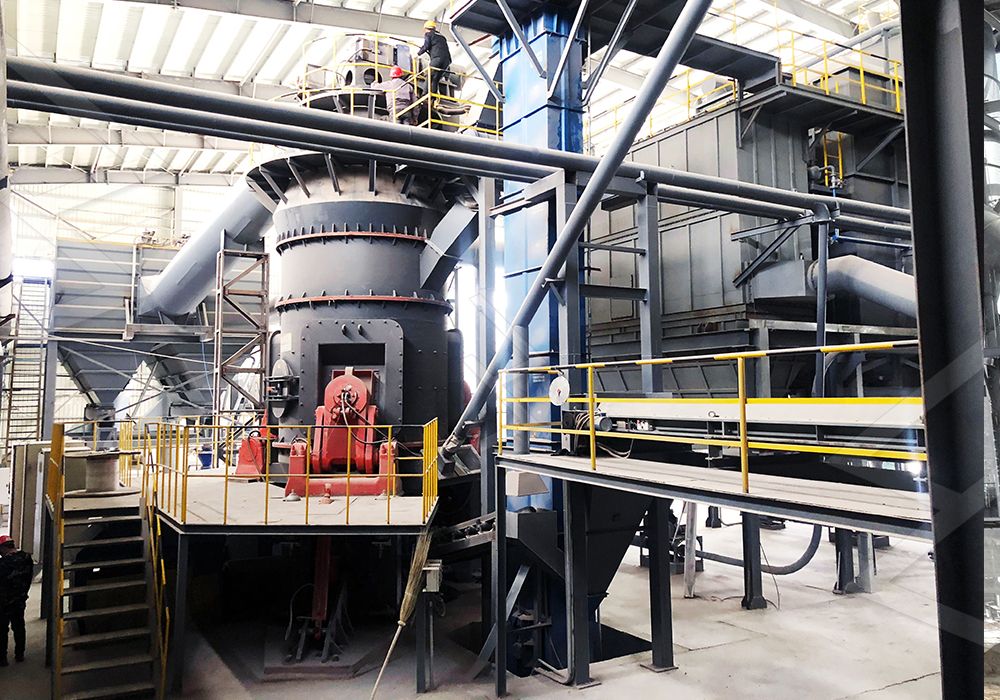
The efficacy of a vertical mill for ultrafine applications hinges on several interlocking principles. Material is fed onto a rotating grinding table and is ground under pressure by hydraulically loaded rollers. The ground material is then transported by a hot gas stream (which also serves to dry the feed) into an integrated, high-efficiency classifier. This closed-loop system is key: coarse particles are rejected by the classifier and returned to the grinding bed for further size reduction, while only particles meeting the target fineness exit the mill to the collection system. This ensures a precise cut point and a narrow particle size distribution. For 3000 mesh operations, the design of the grinding curve on the rollers and table, the precision of the classifying rotor, and the stability of the grinding bed are paramount.
Critical Selection Criteria for 3000 Mesh Production
When evaluating equipment for such fine grinding, engineers must look beyond basic capacity specs. Key performance indicators include:
- Grinding Efficiency & Energy Consumption: The system should deliver maximum size reduction per unit of energy. Look for designs that promote inter-particle grinding in a stable material bed.
- Classification Precision: The heart of ultrafine grinding. A multi-head, cage-type or rotor-type classifier with variable speed control is essential to achieve and consistently maintain a sharp cut at d97 ≤ 5μm.
- Product Purity: The grinding mechanism should minimize metal-to-metal contact to reduce iron contamination. Features like external lubrication systems and no internal screws in the grinding chamber are vital for maintaining product whiteness.
- System Stability & Automation: Consistent fineness requires stable grinding conditions. Advanced mills employ limit sensors, PLC controls, and hydraulic systems to maintain optimal roller pressure and bed depth, even with varying feed materials.
- Environmental Compliance: Full negative pressure operation with high-efficiency pulse jet bag filters is standard for dust-free operation, while sound insulation modules control noise emissions.
Engineered Solutions for Peak Performance
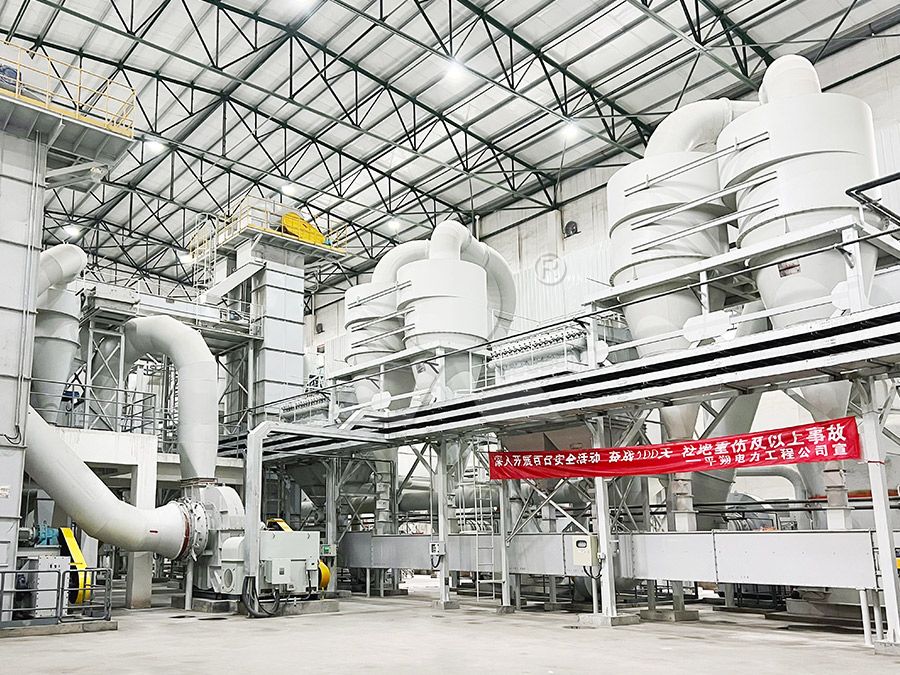
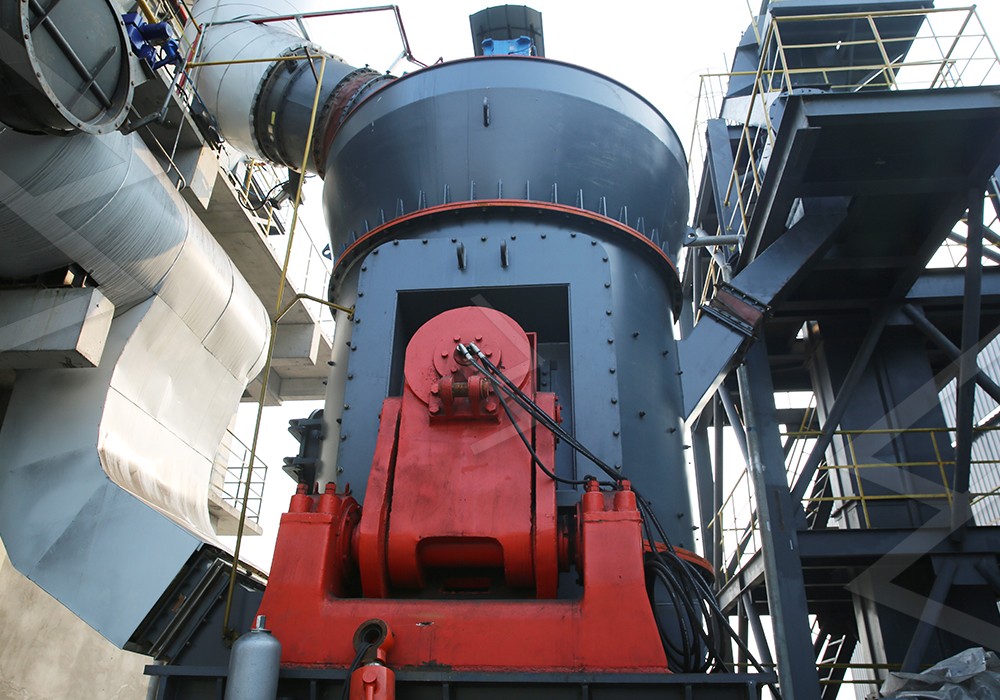
Meeting the 3000 mesh challenge requires purpose-built technology. For operations prioritizing the highest fineness with exceptional product purity and system reliability, the LUM Ultrafine Vertical Grinding Mill stands out. This mill incorporates cutting-edge German powder separating technology and Taiwanese grinding roller technology specifically for the ultrafine range. Its unique roller shell and lining plate grinding curve promotes efficient layer grinding, achieving a high yield of finished product in a single pass, which enhances whiteness and cleanliness. The double position-limiting technology (electronic and mechanical) provides exceptional operational stability, preventing destructive impacts from vibration. Furthermore, its reversible roller structure allows grinding rollers to be easily swung out of the mill for maintenance, drastically reducing downtime for wear part inspection or replacement.
For projects requiring robust versatility across a wide fineness spectrum up to 2500 mesh with high capacity, the MW Ultrafine Grinding Mill is a formidable choice. It is engineered for higher yield and lower energy consumption, boasting a production capacity up to 40% higher than jet mills for the same power input. Its cage-type powder selector allows precise fineness adjustment between 325-2500 meshes. A significant design advantage is the absence of rolling bearings and screws within the grinding chamber, eliminating critical failure points and concerns about bearing seal damage or loose screws causing internal damage. This design philosophy ensures continuous, worry-free operation, supported by external lubrication that can be performed without shutdown.
Conclusion: A Strategic Investment in Precision
Transitioning to or upgrading ultrafine powder production to the 3000 mesh level is a significant step. The choice of grinding technology directly dictates product quality, operational cost, and environmental footprint. Modern vertical roller mills, exemplified by advanced designs like the LUM and MW series, transform this challenge into a competitive advantage. By integrating precise classification, energy-efficient grinding, and automated control into a single, environmentally sound system, they offer a sustainable path to producing the premium powders that drive innovation across countless industries. The investment in such technology is ultimately an investment in product consistency, market leadership, and long-term operational excellence.
Frequently Asked Questions (FAQ)
- What is the main advantage of a vertical mill over a traditional ball mill for ultrafine grinding?
Vertical mills integrate multiple processes (grinding, drying, classifying) into one unit, offering a much smaller footprint and 30-50% lower energy consumption. They provide superior particle size distribution control for ultrafine ranges and generate less heat and iron contamination compared to ball mills. - Can your mills handle heat-sensitive materials for 3000 mesh grinding?
Yes. The integrated hot gas system allows for simultaneous grinding and drying at controlled temperatures. By using appropriate gas inlet temperatures and efficient material transport, heat-sensitive materials can be processed effectively without degradation. - How is the fineness precisely controlled and adjusted?
Fineness is primarily controlled by the speed of the integrated high-precision classifier (e.g., cage-type or rotor-type). Increasing the classifier speed yields a finer product. Our mills feature PLC systems that allow operators to accurately adjust this parameter and others (like grinding pressure) to dial in the exact fineness, from 325 to 3000 mesh. - What measures are in place to prevent iron contamination of the final powder?
Our designs emphasize minimal metal-to-metal contact. Key features include the use of wear-resistant alloys for grinding parts, the absence of rolling bearings in the grinding chamber (in the MW series), and external lubrication systems. Furthermore, the grinding principle itself and magnetic separators at the feed point help ensure high product purity. - What is the typical maintenance requirement, and how is downtime minimized?
Routine maintenance focuses on external lubrication and inspecting wear parts like roller shells and grinding rings. Designs like the reversible roller structure in the LUM mill allow critical wear parts to be accessed and replaced quickly without dismantling the entire mill, significantly reducing planned downtime from days to hours. - Are these systems environmentally compliant?
Absolutely. The entire milling system operates under negative pressure, ensuring no dust escape. They are equipped with high-efficiency pulse jet bag filter dust collectors that capture over 99.9% of particulates. Mufflers and sound insulation are also standard to meet strict noise emission standards.