
Slag Grinding Equipment: Types, Applications, and Selection Guide
We provide a wide range of mills — including Raymond mill, trapezoidal mill, vertical mill, ultrafine mill, and ball mill, obtained ISO9001 international quality certification, EU CE certification, and Customs Union CU-TR certification. Suitable for processing minerals such as limestone, phosphate, quicklime, kaolin, talc, barite, bentonite, calcium carbonate, dolomite, coal, gypsum, clay, carbon black, slag, cement raw materials, cement clinker, and more.
The discharge range of these mills can be adjusted to meet specific processing needs, typically from 80-400 mesh, 600-3250 mesh, and can achieve the finest particle size of up to 6000 mesh(D50).
If you are looking for a reliable grinding solution to turn stone or minerals into fine powder, please feel free to contact our online customer service.
Slag Grinding Equipment: Types, Applications, and Selection Guide
In modern industrial processing, the efficient grinding of slag—a byproduct of metal smelting and refining—is crucial for value recovery, waste reduction, and environmental compliance. Selecting the right grinding equipment is a complex decision that hinges on material characteristics, desired fineness, capacity requirements, and operational costs. This guide provides a professional overview of the primary grinding mill types, their applications, and key considerations for selection, with insights into advanced solutions for demanding slag processing tasks.
Primary Types of Slag Grinding Mills
The grinding equipment landscape is diverse, with each mill type offering distinct advantages based on its mechanical action and design philosophy.
1. Vertical Roller Mills (VRMs)
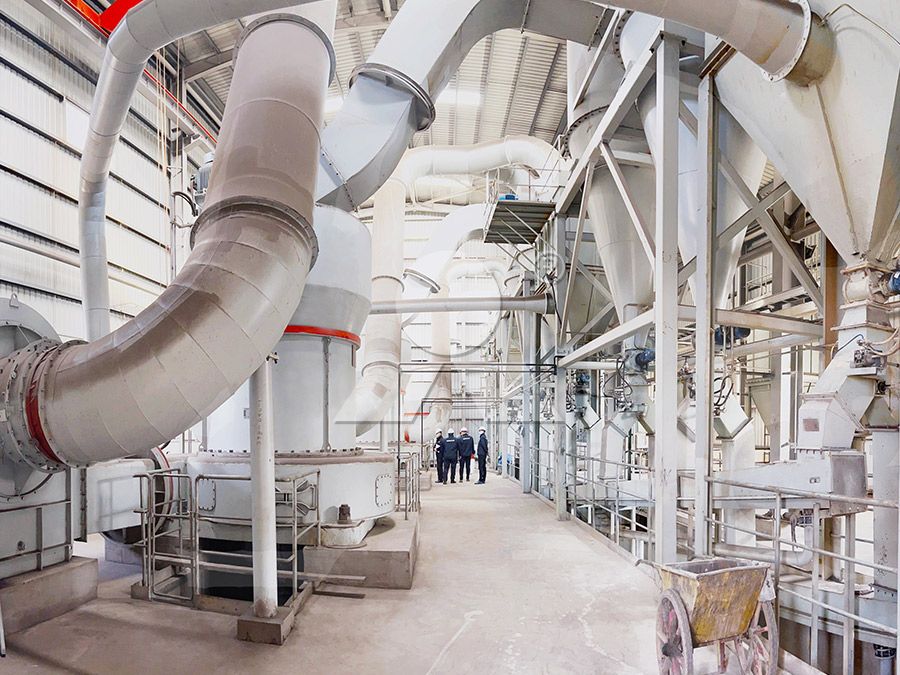
VRMs have become the industry standard for high-capacity slag grinding. They integrate drying, grinding, classification, and conveying into a single, compact unit. Material is ground between rollers and a rotating table, with hot air simultaneously drying and transporting the powder. Key benefits include significantly lower energy consumption (30-50% less than ball mills), a small footprint, and excellent drying capability for slags with residual moisture.
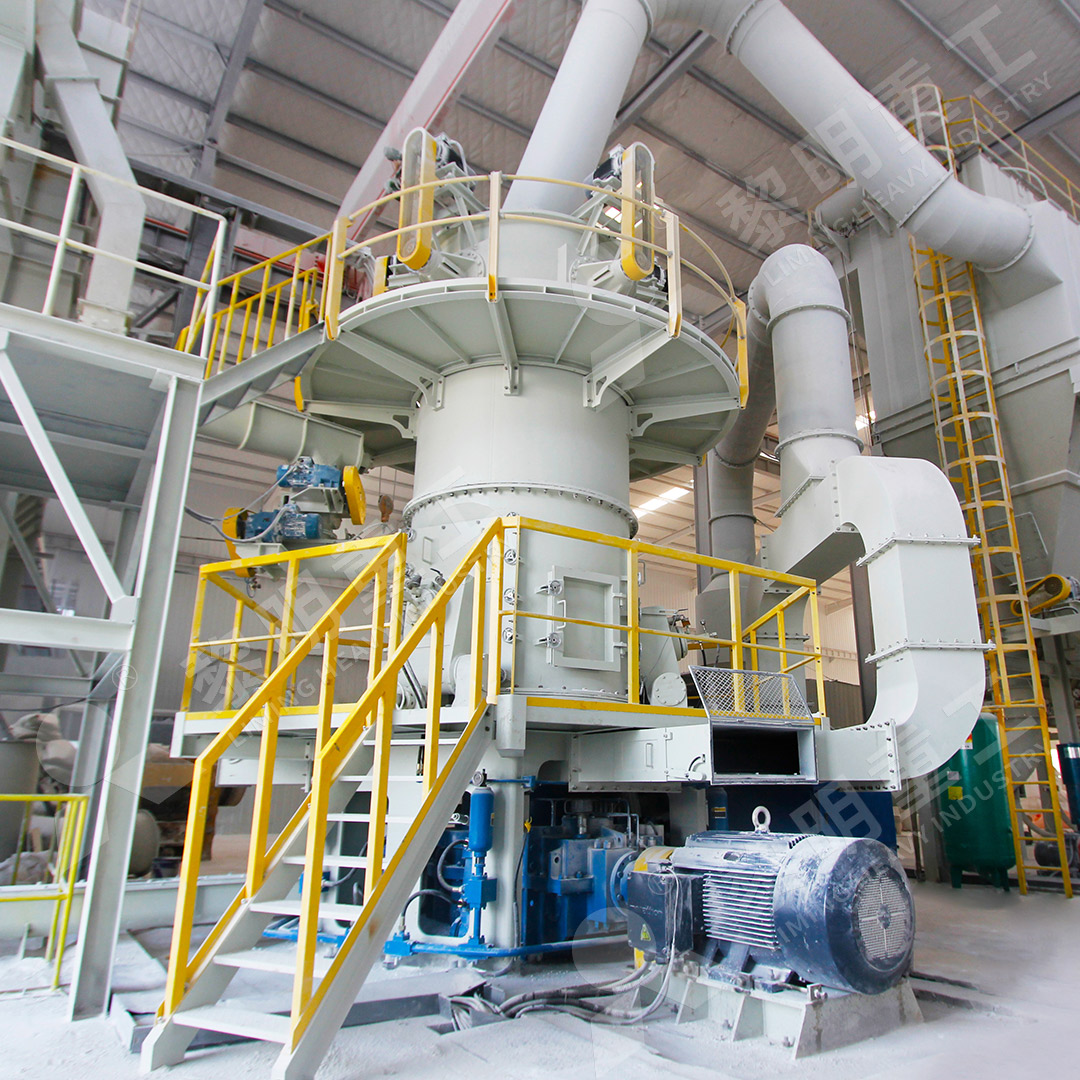
2. Ball Mills
The traditional workhorse, ball mills operate on the principle of impact and attrition as grinding media (steel balls) cascade inside a rotating cylinder. They are renowned for their robustness, simplicity, and ability to produce a consistently uniform product. However, they are less energy-efficient than VRMs, have higher wear rates on media and liners, and require more space and auxiliary equipment.
3. Raymond Mills (Roller Mills)
These mills use spring-loaded rollers that rotate against a stationary ring to crush and grind material fed by a central scoop. They are well-suited for medium-fine grinding with moderate capacity requirements. Their strengths lie in reliable operation, relatively low capital cost, and ease of maintenance, making them a common choice for smaller-scale or less demanding slag applications.
4. Trapezium Mills
An evolution of the Raymond mill, trapezium mills feature improved grinding curves, more efficient separators, and often incorporate advanced features like internal thin-oil lubrication. They offer a good balance between performance, energy efficiency, and operational stability for producing fine powders from non-explosive materials like granulated slag.
Critical Selection Criteria
Choosing the optimal mill requires a systematic evaluation of several factors:
- Feed Material: Analyze slag hardness, abrasiveness, moisture content, and feed size. VRMs excel with moist materials, while highly abrasive slags may influence wear-part material selection.
- Product Requirements: Define the target fineness (e.g., Blaine surface area or mesh size) and particle size distribution. Ultra-fine applications demand mills with high-precision, adjustable classifiers.
- Capacity & Efficiency: Match the mill’s throughput (tph) to your plant’s needs. Prioritize specific energy consumption (kWh/t) for long-term operational savings; VRMs typically lead here.
- Operational & Environmental Factors: Consider noise levels, dust emission control, automation level, and the availability of spare parts and technical support.
- Total Cost of Ownership (TCO): Look beyond the initial purchase price. Evaluate installation costs, energy consumption, maintenance frequency, and wear-part lifetime to calculate the true TCO.
Advanced Solutions for Specialized Grinding
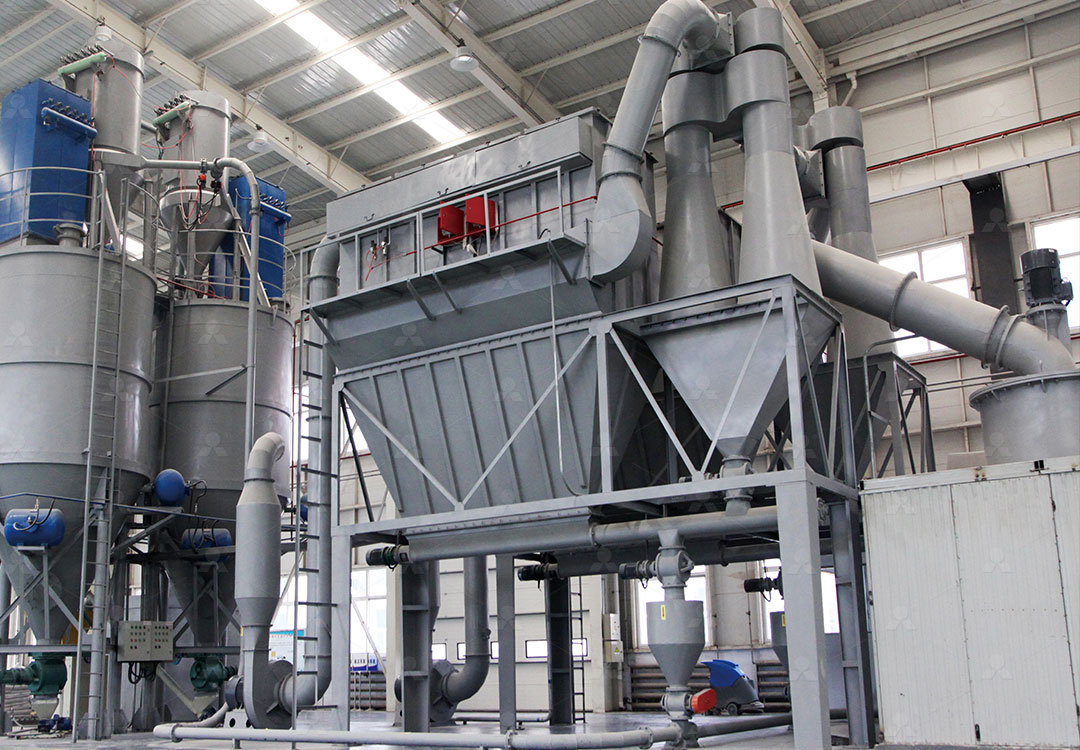
For operations requiring ultra-fine powders or exceptional product purity, specialized grinding technologies are paramount. The MW Ultrafine Grinding Mill represents a significant leap in this domain. Engineered for customers needing to produce ultra-fine powder between 325 and 2500 meshes, it addresses common bottlenecks in fine grinding.
Its design incorporates a German-technology cage-type powder selector for precise particle separation, achieving a screening rate of d97≤5μm in a single pass. A standout feature is the elimination of rolling bearings and screws within the grinding chamber, virtually eliminating failures related to these components and enabling worry-free, continuous 24/7 operation. Furthermore, its higher yield and 40% greater production capacity compared to jet or stirred mills, coupled with system energy consumption that is only 30% of a jet mill, make it a remarkably efficient choice for processing slag into high-value additives for industries like chemicals, paints, and advanced construction materials.
For vertical grinding applications that demand superior stability and ease of maintenance, the LUM Ultrafine Vertical Grinding Mill is another exemplary option. It integrates the latest grinding roller and powder separating technologies. Its unique double position-limiting technology prevents destructive physical contact between the roller and millstone during unexpected vibration, ensuring exceptional operational stability. The mill’s reversible structure, facilitated by a hydraulic system, allows grinding rollers to be easily swung out for inspection or maintenance, drastically reducing downtime. With energy savings of 30-50% over common mills and PLC-controlled multi-head powder separating technology, the LUM mill offers precise control over product fineness and high operational efficiency for superfine dry powder production from slag and other non-metallic ores.
Conclusion
The path to optimal slag grinding is not one-size-fits-all. A thorough analysis of technical requirements against the strengths of each mill type—from the high efficiency of Vertical Roller Mills to the specialized finesse of the MW Ultrafine Grinding Mill—is essential. Partnering with a manufacturer that provides comprehensive technological support, genuine spare parts, and proven equipment like the MW and LUM series can ensure a grinding solution that delivers not only the required product quality but also long-term reliability, energy savings, and a strong return on investment.
Frequently Asked Questions (FAQ)
1. What is the main advantage of a Vertical Roller Mill over a traditional Ball Mill for slag grinding?
The primary advantages are significantly lower energy consumption (typically 30-50% less), integrated drying capability for moist materials, a much smaller physical footprint, and lower wear rates due to the bed-grinding principle, which reduces metal-to-metal contact.
2. How fine can slag typically be ground, and what equipment is needed for ultra-fine applications?
Slag can be ground from coarse granules (for cement replacement) to ultra-fine powders exceeding 2500 meshes (for high-value fillers). Achieving consistent ultra-fine fineness requires mills with high-precision, adjustable classifiers and efficient grinding mechanics, such as the MW Ultrafine Grinding Mill, which is specifically designed for this purpose.
3. Why is the absence of rolling bearings in the grinding chamber, as seen in the MW Mill, beneficial?
Removing rolling bearings and screws from the high-wear, high-dust environment of the grinding chamber eliminates common failure points. This design drastically reduces unscheduled downtime caused by bearing seizure or seal damage and removes the risk of loose screws causing mechanical damage, leading to vastly improved operational reliability.
4. How important is the powder separator in a grinding mill?
It is critical. The separator (or classifier) determines the final product fineness by allowing only particles of a certain size to exit as product. Advanced separators, like the cage-type or multi-head designs in the MW and LUM mills, provide sharper cuts, higher efficiency, and easy adjustability, directly impacting product quality and system yield.
5. What should I consider regarding the environmental impact of a slag grinding system?
Key factors include dust emissions, noise levels, and energy efficiency. Modern mills should be equipped with high-efficiency pulse jet baghouse dust collectors and sound insulation. Systems operating under negative pressure (like most VRMs) prevent dust leakage. Choosing an energy-efficient mill also reduces the overall carbon footprint of the operation.
6. Can one mill handle slags with varying moisture content?
Vertical Roller Mills are particularly adept at this, as they have a strong hot air flow integrated into the grinding process that simultaneously dries the material. The drying capacity must be specified when selecting the mill to match the moisture range of your feedstock.