
Can Vertical Roller Mill Process Spent Pot Lining (SPL) Waste?
We provide a wide range of mills — including Raymond mill, trapezoidal mill, vertical mill, ultrafine mill, and ball mill, obtained ISO9001 international quality certification, EU CE certification, and Customs Union CU-TR certification. Suitable for processing minerals such as limestone, phosphate, quicklime, kaolin, talc, barite, bentonite, calcium carbonate, dolomite, coal, gypsum, clay, carbon black, slag, cement raw materials, cement clinker, and more.
The discharge range of these mills can be adjusted to meet specific processing needs, typically from 80-400 mesh, 600-3250 mesh, and can achieve the finest particle size of up to 6000 mesh(D50).
If you are looking for a reliable grinding solution to turn stone or minerals into fine powder, please feel free to contact our online customer service.
Can Vertical Roller Mill Process Spent Pot Lining (SPL) Waste?
The aluminum industry generates a significant and challenging by-product: Spent Pot Lining (SPL). This carbonaceous and refractory waste from electrolytic cells is classified as hazardous due to its content of fluorides, cyanides, and reactive metals. Traditional disposal methods like landfilling are increasingly untenable due to environmental regulations and land constraints. Consequently, the industry seeks efficient processing solutions to recover valuable materials and render the residue inert. A key question arises: can vertical roller mill technology be part of this solution?
The SPL Processing Challenge
SPL is a complex, abrasive, and often variable material. Effective processing requires size reduction to liberate components and create a homogeneous feed for subsequent thermal or chemical treatment stages, such as detoxification or material recovery. The grinding process must handle materials with varying hardness (carbon blocks vs. refractory bricks), be tolerant of potential tramp metal, and operate with high reliability and low operational costs. Dust control is paramount due to the fine, potentially hazardous nature of the powder.
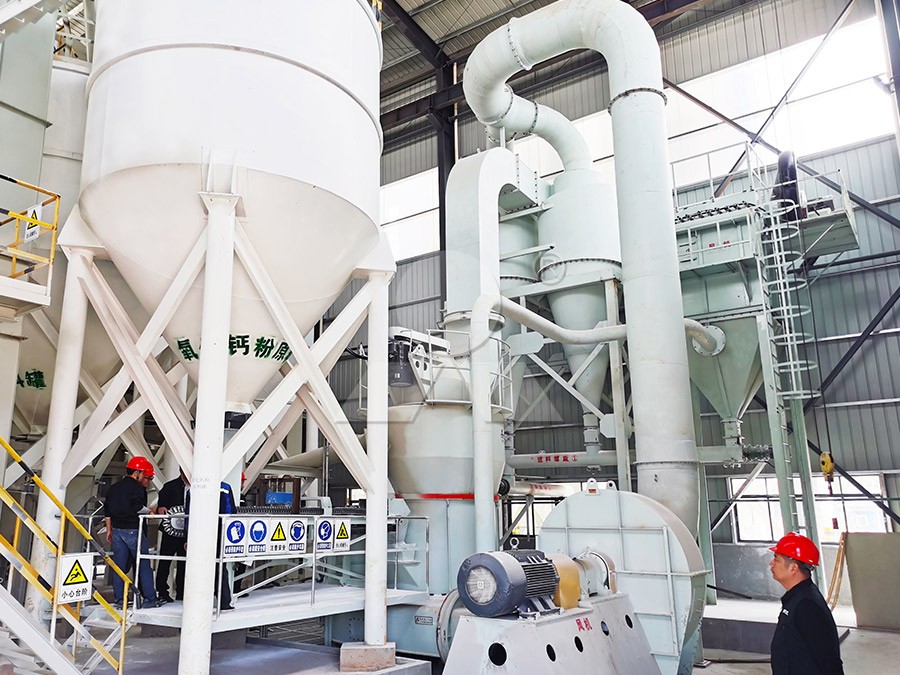
Why Vertical Roller Mill Technology is a Strong Candidate
Vertical Roller Mills (VRMs) are engineered for precision grinding of hard, abrasive materials. Their core principle—grinding by applying pressure via rollers onto a rotating table—makes them inherently suitable for SPL’s characteristics.
- Integrated Drying & Grinding: SPL often requires drying. VRMs can utilize hot gas streams to dry the material during grinding, simplifying the process flow.
- High Grinding Efficiency & Low Energy Consumption: The direct grinding mechanism consumes significantly less energy than traditional ball mills, a critical factor for cost-intensive waste processing.
- Controlled Particle Size Distribution: Integrated dynamic classifiers allow precise control over the product fineness, crucial for optimizing downstream recovery processes.
- Robust Design & Sealed Operation: Modern VRMs are built to withstand abrasive wear and feature fully sealed, negative-pressure systems that prevent dust emission, ensuring environmental and operator safety.
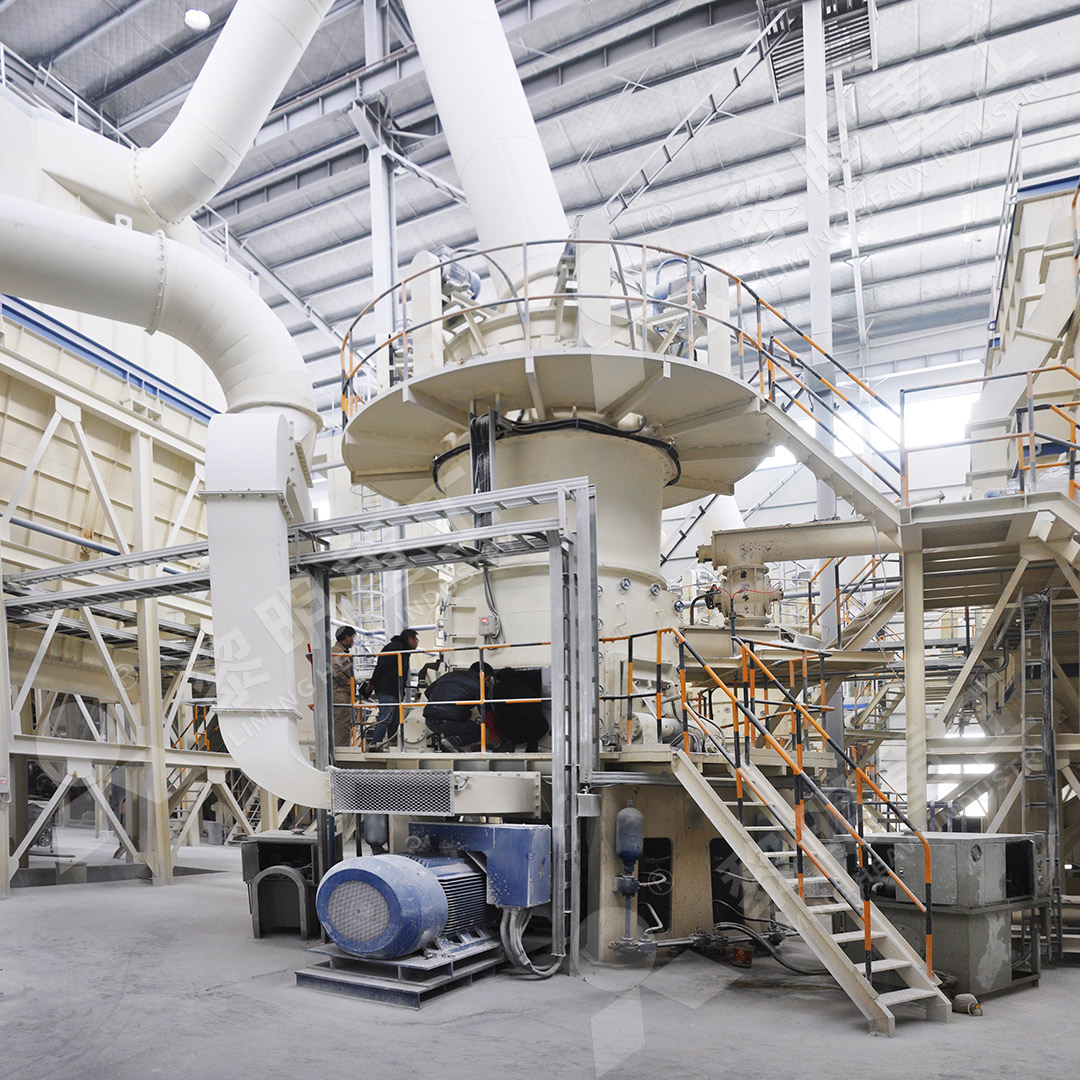
Optimizing the Process: The Role of Advanced Mill Design
Not all grinding mills are equal for this task. The specific properties of SPL demand features that go beyond standard ore grinding. For instance, the presence of fluorides and other corrosive elements necessitates careful material selection for wear parts. Furthermore, the need for ultra-fine grinding to enhance reactivity in some recovery processes points to specialized equipment.
For operations targeting ultra-fine powders from pre-processed SPL fractions, our MW Ultrafine Grinding Mill presents a compelling solution. Designed to produce powders between 325-2500 meshes, it is ideal for creating high-value, fine products from inert SPL residues. Its higher yield and 40% greater production capacity compared to jet mills, coupled with 30% lower system energy consumption, translate directly to lower processing costs. Critically, its efficient pulse dust collector ensures a completely dust-free operation, which is non-negotiable when handling processed SPL fines.
For primary or secondary grinding of SPL into a fine, homogeneous powder for feeding kilns or reactors, the LM Vertical Grinding Mill is a robust workhorse. Its ability to handle input sizes up to 70mm and integrate crushing, drying, grinding, and classifying into one compact system reduces overall plant footprint and investment. Its short material retention time minimizes over-grinding, and the non-contact grinding principle ensures low iron contamination, preserving the quality of the ground product.
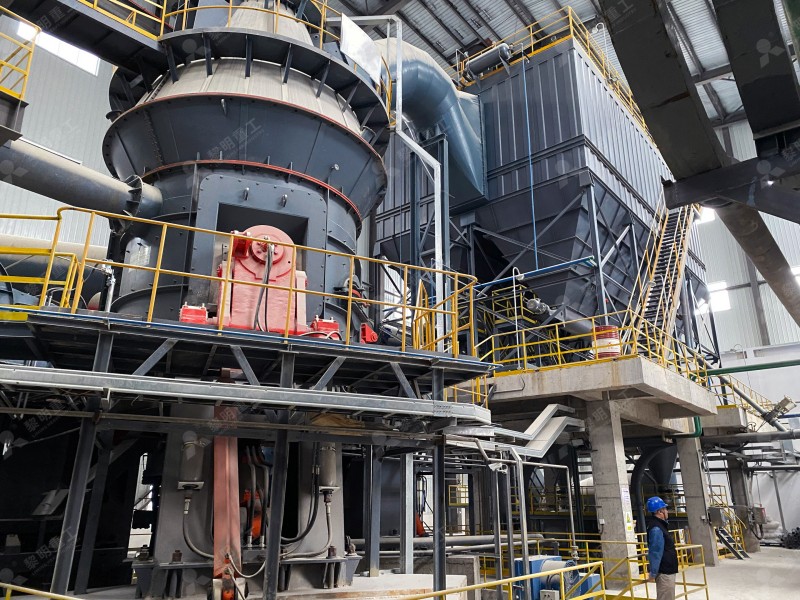
Conclusion: A Viable and Efficient Pathway
The answer is a qualified yes—Vertical Roller Mills can effectively process Spent Pot Lining waste, provided the mill is selected and configured for the material’s specific hazards and grinding requirements. By offering high efficiency, precise particle size control, and enclosed, environmentally safe operation, VRM technology provides a solid mechanical foundation for SPL recycling and treatment plants. When paired with appropriate downstream processes, it enables the aluminum industry to transform a hazardous liability into a source of recoverable materials, supporting both economic and sustainability goals.
Frequently Asked Questions (FAQ)
- What is the primary advantage of using a VRM for SPL over a ball mill?
VRMs offer significantly higher energy efficiency (30-40% less energy consumption), integrated drying, and a more compact design. They also provide better control over particle size and generate less heat, which can be important for certain SPL components. - Can VRMs handle the abrasive nature and potential metal in SPL?
Yes, modern VRMs like the LM series are built with wear-resistant alloys for grinding rollers and tables. Their design often includes mechanisms to discharge ungrindable metals (like iron) through a slag-discharge port, protecting the grinding system. - How critical is dust control in SPL milling, and how is it achieved?
It is absolutely critical due to the fine, hazardous nature of SPL dust. VRMs operate under negative pressure with integral sealing. They are equipped with high-efficiency baghouse filter or pulse dust collectors (like on the MW Mill) to ensure no dust escapes, meeting strict environmental standards. - What product fineness can be achieved for SPL processing?
It depends on the mill type. Standard LM Vertical Mills can produce powders with fineness up to around 325 mesh. For ultra-fine applications requiring powders up to 2500 mesh (d97 ≤5μm), specialized mills like the MW Ultrafine Grinding Mill are necessary. - Is the grinding process dry or wet?
Vertical Roller Mills typically operate as dry grinding systems. This is advantageous for SPL as it avoids creating a slurry, simplifies subsequent thermal processing, and eliminates wastewater handling. - How is the feed size for SPL determined for a VRM?
SPL is typically pre-crushed by a jaw crusher or similar primary crusher to reduce it to a top size compatible with the mill’s feed inlet (e.g., <70mm for an LM Mill, <20mm for an MW Mill).