
Asbestos Medium-Speed Grinding Mill: Key Features for Industrial Processing
We provide a wide range of mills — including Raymond mill, trapezoidal mill, vertical mill, ultrafine mill, and ball mill, obtained ISO9001 international quality certification, EU CE certification, and Customs Union CU-TR certification. Suitable for processing minerals such as limestone, phosphate, quicklime, kaolin, talc, barite, bentonite, calcium carbonate, dolomite, coal, gypsum, clay, carbon black, slag, cement raw materials, cement clinker, and more.
The discharge range of these mills can be adjusted to meet specific processing needs, typically from 80-400 mesh, 600-3250 mesh, and can achieve the finest particle size of up to 6000 mesh(D50).
If you are looking for a reliable grinding solution to turn stone or minerals into fine powder, please feel free to contact our online customer service.
Introduction
Asbestos, known for its heat resistance and insulating properties, has been a staple in various industrial applications. However, processing this fibrous mineral requires specialized equipment that ensures efficiency, safety, and precision. The medium-speed grinding mill stands out as a robust solution for grinding asbestos to fine powders, addressing the unique challenges of fiber integrity and dust control. In this article, we delve into the key features of a medium-speed grinding mill designed for asbestos processing, highlighting how modern engineering meets industrial demands.
Key Features for Asbestos Grinding
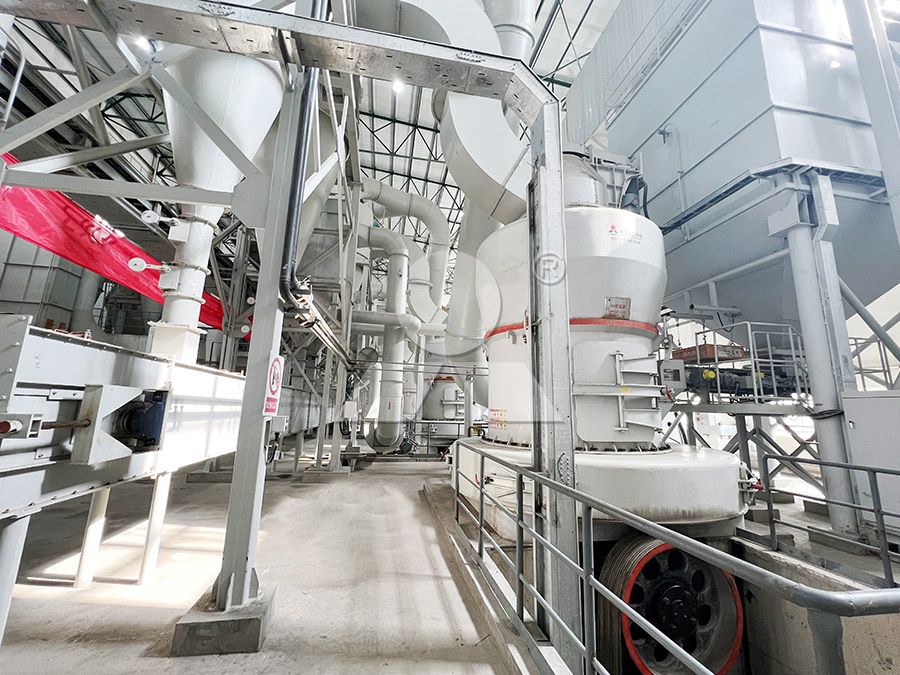
Grinding asbestos is not about brute force but controlled particle size reduction without damaging fiber structure. Medium-speed mills, like the MW Ultrafine Grinding Mill and LUM Ultrafine Vertical Grinding Mill, excel here. Let’s break down the core features that make these machines indispensable.
1. Grinding Mechanism and Efficiency
At the heart of a medium-speed mill lies a design that balances speed with torque. The grinding roller and ring curves are optimized to maximize contact area while minimizing energy waste. For instance, the MW Ultrafine Grinding Mill uses newly designed grinding curves that boost production capacity by 40% compared to jet mills. This is critical for asbestos, where consistent output matters for downstream processing.
In contrast, the LUM Ultrafine Vertical Grinding Mill, with its Taiwan grinding roller technology and German powder separation, offers a different approach. Its roller shell and lining plate curves promote material layer formation, leading to higher finished product rates and lower iron content—essential for preserving asbestos whiteness for applications like insulation boards.
We recommend the MW Ultrafine Grinding Mill for operations needing fine powder down to 325-2500 mesh. For larger capacities and vertical integration, consider the LUM Ultrafine Vertical Grinding Mill, which handles 5-18 tph with ease.
2. Dust and Noise Control
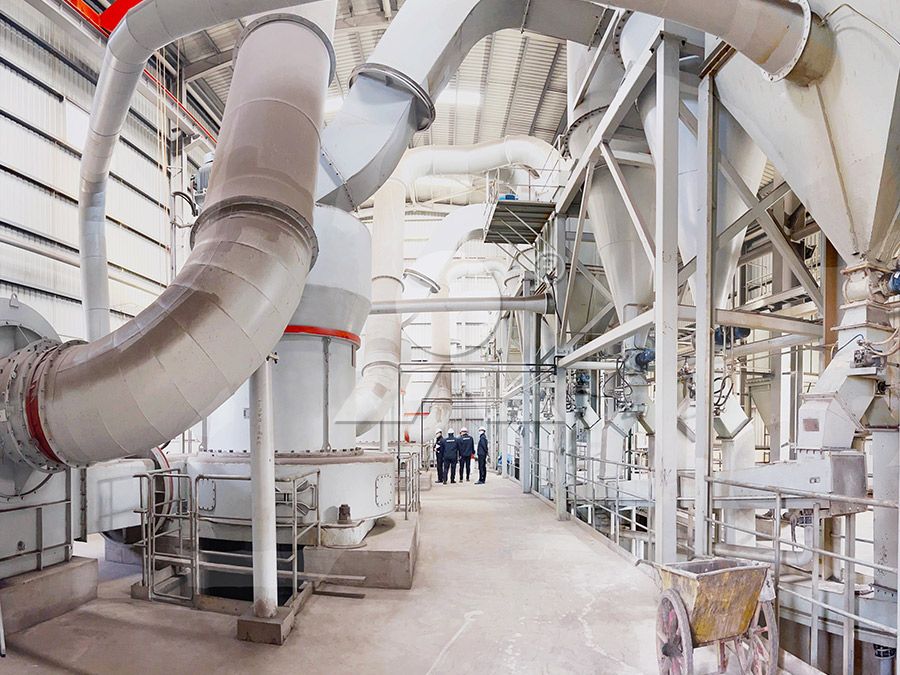
Asbestos dust is a health hazard, so effective containment is non-negotiable. The MW Ultrafine Grinding Mill is equipped with an efficient pulse dust collector and muffler, ensuring no dust escapes and noise stays low. The whole system operates within national environmental standards, which is a boon for compliance in industrial zones.
The LUM mill, using double position-limiting technology, avoids vibrations that could release dust. This stability, combined with negative pressure operation, keeps the environment clean. For operations prioritizing eco-friendliness, these features reduce cleanup costs and worker exposure risks.
3. Maintenance and Downtime Reduction
Maintenance headaches can cripple production. The MW mill eliminates rolling bearings and screws in the grinding chamber, preventing seal failures and loose-part damage. Its external lubrication system allows oiling without stopping the machine, enabling 24-hour operation—perfect for high-demand asbestos plants.
The LUM mill takes a different route with a reversible structure. Heavy grinding rollers can be swung out for quick checks and replacements using a hydraulic system, slashing downtime. This is vital when processing abrasive asbestos, where wear parts need frequent attention.
4. Adjustable Fineness and Precision
Asbestos applications vary from fine fillers to coarse insulation. The MW mill’s cage-type powder selector, based on German tech, adjusts fineness between 325-2500 mesh with a d97≤5μm screening rate. This flexibility lets you switch products without changing machines.
For the LUM mill, the multi-head powder separating technology and PLC control allow precise tuning of grinding pressure and speed, cutting energy use by 30-50% versus standard mills. This precision ensures consistent particle size distribution, which is key for asbestos in composite materials.
Applications in Asbestos Processing
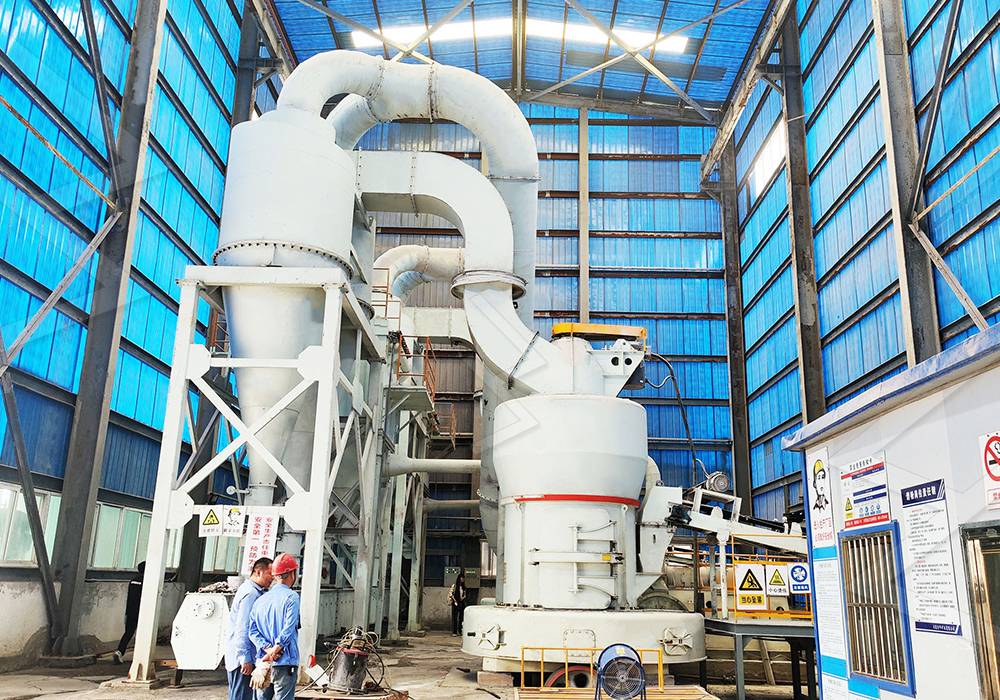
These mills are not limited to asbestos alone. They handle materials like limestone, calcite, and barite, but their features align well with asbestos’s unique properties. For example, the MW mill’s low energy consumption (30% of jet mills) makes it cost-effective for continuous runs. The LUM mill’s drying capacity, integrating hot air for moisture removal, is ideal for hydrated asbestos forms.
In the chemical industry, asbestos is used in gaskets and sealants; in construction, it reinforces cement. With these mills, you can achieve the ultra-fine powders needed for these sectors without sacrificing throughput.
Choosing the Right Mill
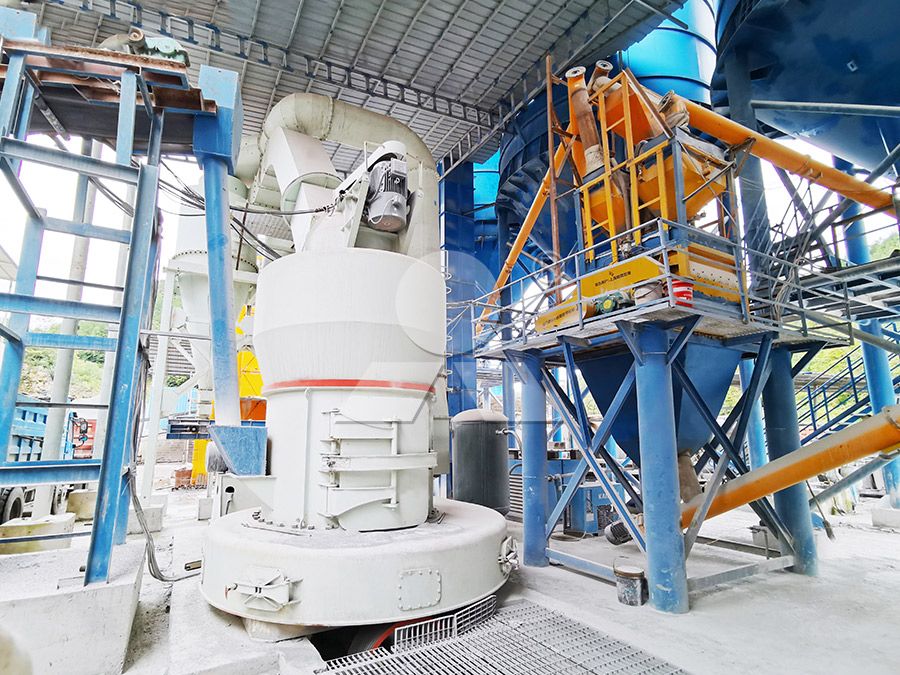
Selection depends on your scale and product specs. For smaller operations (0.5-25 tph) needing extreme fineness, the MW Ultrafine Grinding Mill is a smart pick. For larger volumes (5-18 tph) with vertical space, the LUM Ultrafine Vertical Grinding Mill offers better integration. Both share digitalized processing, ensuring high precision for core parts like rollers and bearings.
Conclusion
The medium-speed grinding mill has evolved to meet the demands of asbestos processing. With features like dust containment, adjustable fineness, and low maintenance, the MW and LUM lines from Liming provide reliable solutions. By investing in these mills, industries can turn tricky asbestos into valuable powder efficiently and safely.
Frequently Asked Questions
- Can these mills handle high-moisture asbestos? Yes, the LUM Ultrafine Vertical Grinding Mill integrates drying with grinding, using hot air to reduce moisture during processing.
- How often do I need to replace grinding rollers? In the MW mill, roller life is extended by 1.7-2.5 times vs traditional mills, thanks to wear-resistant alloys. For LUM, the reversible structure makes replacement easier but depends on material abrasiveness.
- What mesh size is ideal for asbestos insulation? A fineness of 325-800 mesh is typical for insulation boards, which both mills can achieve with their adjustable selectors.
- Are these mills safe for asbestos dust? Absolutely. The pulse dust collector in MW and negative pressure in LUM meet strict environmental standards, minimizing exposure risks.
- Can I process other minerals with the same mill? Yes, both mills handle materials like calcite, barite, and talc, but switching requires cleaning to avoid cross-contamination.
- What is the power consumption compared to a ball mill? The LUM mill saves 30-50% energy, while MW uses only 30% of jet mill energy. Both outpace ball mills in efficiency.
- Do I need a separate dryer for asbestos? Not with LUM; it combines drying and grinding. For MW, pre-drying may be needed if moisture exceeds 6%.
- How long does it take to change fineness settings? Fineness adjustments take minutes via the PLC system in LUM or the selector in MW, allowing quick product changes.
- What spare parts are commonly needed? Roller shells, grinding rings, and seals are the main parts. Liming offers original spares to ensure worry-free operation.
- Is technical support available for installation? Yes, Liming provides technical services globally, including installation guidance and training for operators.