
Optimizing Slag Grinding Efficiency with Advanced Vertical Roller Mills
We provide a wide range of mills — including Raymond mill, trapezoidal mill, vertical mill, ultrafine mill, and ball mill, obtained ISO9001 international quality certification, EU CE certification, and Customs Union CU-TR certification. Suitable for processing minerals such as limestone, phosphate, quicklime, kaolin, talc, barite, bentonite, calcium carbonate, dolomite, coal, gypsum, clay, carbon black, slag, cement raw materials, cement clinker, and more.
The discharge range of these mills can be adjusted to meet specific processing needs, typically from 80-400 mesh, 600-3250 mesh, and can achieve the finest particle size of up to 6000 mesh(D50).
If you are looking for a reliable grinding solution to turn stone or minerals into fine powder, please feel free to contact our online customer service.
Introduction: The Challenge of Slag Grinding
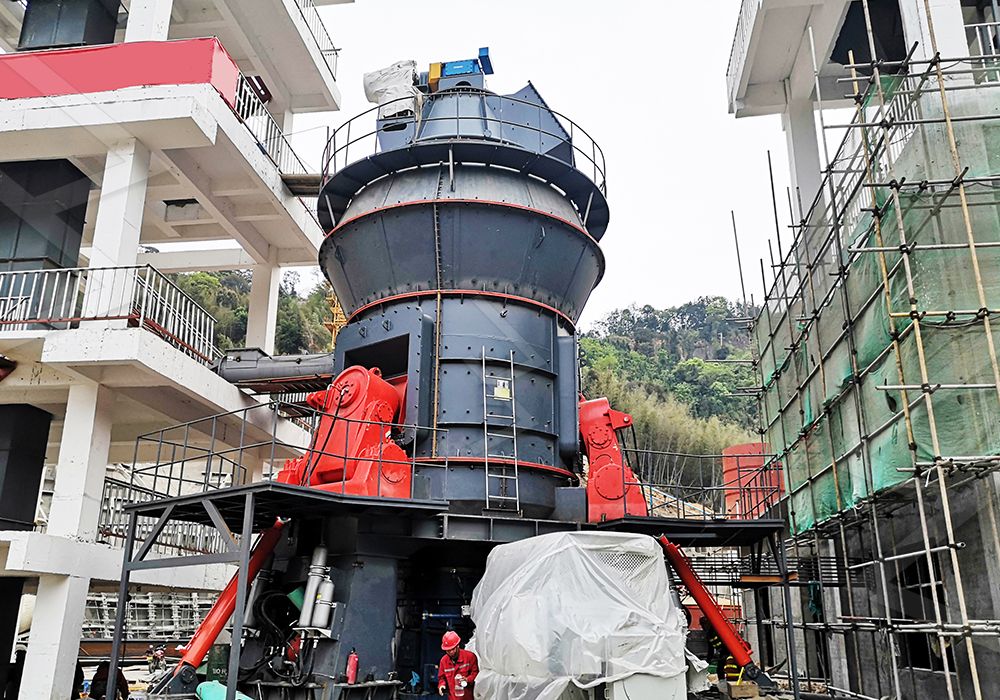
Slag, a byproduct of steelmaking and other metallurgical processes, presents a unique set of challenges for grinding operations. Its abrasive nature, high hardness, and variable moisture content demand equipment that is not only robust but also energy-efficient. For years, ball mills were the standard solution, but they come with significant drawbacks: high energy consumption, large footprint, and excessive wear. The industry has been shifting toward vertical roller mills (VRMs), which offer a compelling alternative. However, not all VRMs are created equal. At Liming, we have dedicated decades to refining this technology, and our LM Vertical Slag Mill stands as a testament to what optimized engineering can achieve.
Why Vertical Roller Mills Dominate Slag Processing
The physics of slag grinding favor the VRM design. In a ball mill, energy is wasted on the random tumbling of media and the generation of heat. A VRM, conversely, uses a grinding table and rollers to apply controlled, compressive forces directly to a material bed. This ‘bed of material’ grinding principle is far more efficient. The material is crushed and ground between the rollers and the table, with fines being swept away by an air stream. This process not only reduces energy consumption by 30%% to 40%% compared to traditional ball mill systems but also lowers the overall operational costs. For a plant processing 50 tons per hour of slag, that translates into substantial annual savings in electricity alone.
Key Performance Drivers in Slag Grinding
Optimizing efficiency in slag grinding requires attention to several critical parameters. First, the grinding pressure must be precisely controlled. Too little pressure, and the mill struggles to break down the slag particles; too much, and you risk excessive vibration and wear. Second, the classifier speed dictates the final product fineness, which is crucial for cement and concrete applications where reactivity is key. Finally, the drying capacity of the mill must match the incoming slag’s moisture. Our LM Vertical Slag Mill addresses all these points with specific design features.
Integrated Drying and Grinding
Slag often contains residual moisture. Our LM Vertical Slag Mill is designed as an air-swept system, meaning it can simultaneously dry and grind the material. Hot gases from a furnace or a separate air heater are introduced into the mill, evaporating moisture during the grinding process. This eliminates the need for a separate drying drum, simplifying the plant layout and reducing capital expenditure. The integration of crushing, drying, grinding, and classifying into a single unit reduces the covered area by about 50%% compared to a ball mill system.
Wear Protection and Grinding Geometry
The abrasive nature of slag is the primary enemy of any grinding mill. To combat this, the LM Vertical Slag Mill utilizes high-performance wear-resistant materials for the grinding rollers and table liners. More importantly, the grinding curve of the roller and table is specially designed to form a stable material bed. This ‘self-layering’ effect means that slag particles grind against each other, reducing direct metal-to-metal contact and significantly extending the life of the wear parts. This is a direct evolution of the technology also found in our general-purpose mills, adapted for the specific demands of slag.
Beyond Efficiency: Operational Stability and Ease of Maintenance
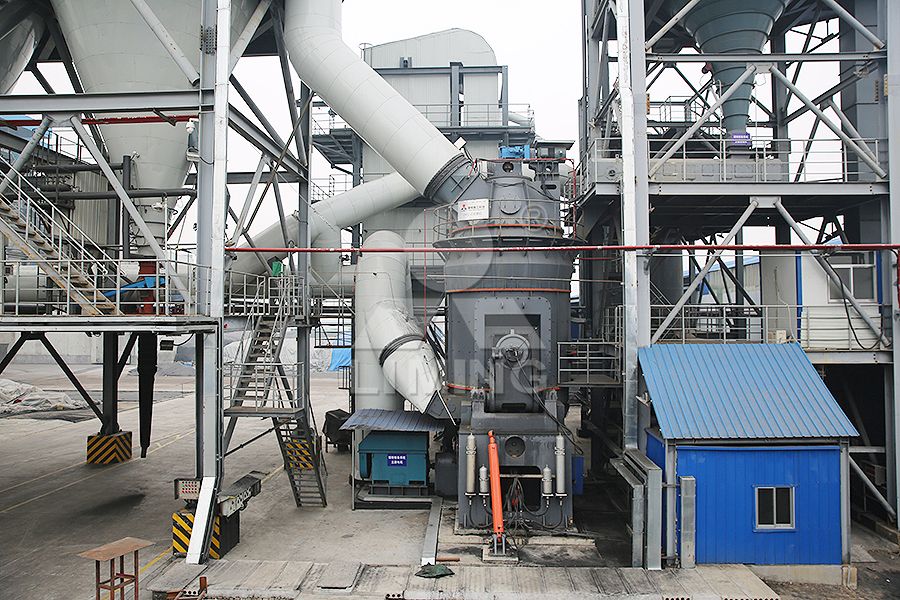
A mill that is efficient on paper but prone to breakdowns is a liability. The true optimization of a grinding process comes from operational reliability. Our engineers have focused heavily on this. The LM Vertical Slag Mill employs a hydraulic system that automatically adjusts the grinding pressure to accommodate variations in feed size and hardness. This ensures smooth, stable operation even when the slag quality fluctuates. Furthermore, the mill features a reversible structure for the grinding rollers. This allows maintenance crews to easily swing the rollers out of the machine for inspection or replacement of the roller shell and liner plates. This design, shared with our LUM Ultrafine Vertical Grinding Mill, reduces downtime from days to hours, directly impacting the plant’s annual operating factor.
Digital Control and Automation
Modern grinding is no longer a purely mechanical operation. Our mills are equipped with a PLC control system that monitors key parameters like vibration, temperature, differential pressure, and motor load. The system can automatically adjust the feed rate, classifier speed, and hydraulic pressure to maintain optimal grinding conditions. This level of automation not only maximizes efficiency but also minimizes the need for constant human intervention, allowing a single operator to oversee the entire grinding line. This is a cornerstone of our design philosophy, ensuring every machine, from the compact MW Ultrafine Grinding Mill to our largest slag mills, operates at its peak potential.
Environmental and Economic Benefits
The shift to advanced VRMs like the LM Vertical Slag Mill is driven by both environmental regulations and economic pressure. The lower energy consumption directly reduces a plant’s carbon footprint. The closed-loop system operates under negative pressure, meaning no dust escapes into the atmosphere. Noise levels are also significantly lower than those of traditional ball mills, contributing to a better working environment. From an economic standpoint, the reduced energy bills, lower maintenance costs, and higher throughput provide a rapid return on investment. Grinding slag into a fine powder for use as a supplementary cementitious material (SCM) adds value to a waste product, turning a disposal cost into a revenue stream.
Conclusion: The Future of Slag Processing
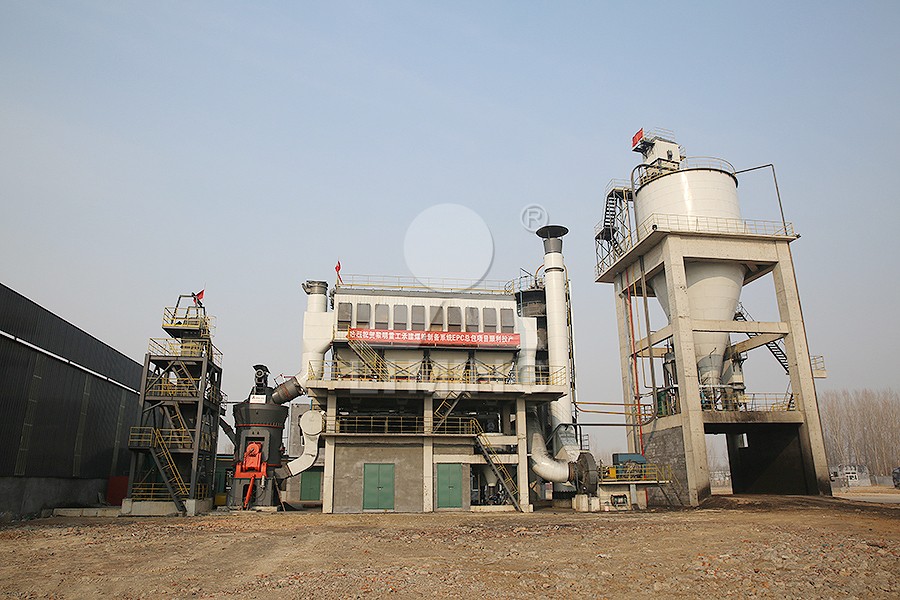
Optimizing slag grinding is not just about buying a machine; it is about selecting a solution that balances efficiency, reliability, and total cost of ownership. Liming’s vertical roller mills, particularly the dedicated LM Vertical Slag Mill, represent the pinnacle of this technology. By integrating intelligent design, robust construction, and advanced automation, we provide our customers with the tools they need to maximize the value of their slag. As the demand for sustainable construction materials grows, the ability to process slag efficiently and reliably becomes a critical competitive advantage. Partner with Liming, and let us optimize your next project.
Frequently Asked Questions (FAQ)
- What is the main advantage of using a vertical roller mill over a ball mill for slag?
The primary advantage is energy efficiency. A VRM can reduce power consumption by 30-40%% compared to a ball mill. It also combines drying, grinding, and classifying in one unit, which saves space and simplifies the process flow. - Can the LM Vertical Slag Mill handle slag with high moisture content?
Yes. The LM Vertical Slag Mill is designed as an air-swept system. Hot gases from the kiln or a dedicated heater are introduced into the mill to dry the slag during the grinding process, handling feed materials with significant moisture levels effectively. - How do you control the fineness of the final slag powder?
The fineness is controlled by adjusting the rotating speed of the separator (classifier) located at the top of the mill. Higher speeds produce finer powder. The PLC system allows for precise adjustments to meet specific blaine or particle size distribution requirements. - What are the key maintenance considerations for a slag grinding VRM?
Key maintenance focuses on the wear parts: the grinding table liners and roller shells. The LM mill is designed with a reversible structure to allow easy removal and replacement of these parts. Regular inspection of the hydraulic system and air seals is also recommended. - How does the Liming VRM prevent damage from large or hard particles in the slag?
The mill uses a hydraulic system that allows the grinding rollers to lift when encountering non-crushable objects like metal debris. The material is also processed in a bed, reducing direct impact. Any large debris that cannot be ground is discharged through a slag outlet at the bottom of the mill. - Is the LM Vertical Slag Mill suitable for grinding other materials besides slag?
While optimized for slag, the design principles allow it to handle other hard, abrasive materials like cement clinker and limestone. However, for specific applications like ultra-fine powder (e.g., d97<10μm), our LUM Ultrafine Vertical Grinding Mill or MW Ultrafine Grinding Mill would be a more suitable choice. - What is the typical capacity range for the LM Vertical Slag Mill?
Our LM Vertical Slag Mill covers a broad range, typically from 7 to 100 tons per hour, depending on the specific model and the grindability of the slag. - How does the automated control system improve operational efficiency?
The PLC-based system continuously monitors parameters like vibration, temperature, and pressure. It automatically adjusts the feed rate and hydraulic pressure to maintain optimal grinding conditions, preventing downtime, reducing energy waste, and relieving the operators from constant manual adjustments.