
160 Mesh LUM Ultra-Fine Vertical Roller Mill: High-Performance Grinding Solution for Fine Powder Processing
We provide a wide range of mills — including Raymond mill, trapezoidal mill, vertical mill, ultrafine mill, and ball mill, obtained ISO9001 international quality certification, EU CE certification, and Customs Union CU-TR certification. Suitable for processing minerals such as limestone, phosphate, quicklime, kaolin, talc, barite, bentonite, calcium carbonate, dolomite, coal, gypsum, clay, carbon black, slag, cement raw materials, cement clinker, and more.
The discharge range of these mills can be adjusted to meet specific processing needs, typically from 80-400 mesh, 600-3250 mesh, and can achieve the finest particle size of up to 6000 mesh(D50).
If you are looking for a reliable grinding solution to turn stone or minerals into fine powder, please feel free to contact our online customer service.
Introduction to the 160 Mesh LUM Ultra-Fine Vertical Roller Mill
In the world of industrial grinding, achieving consistent fineness at high throughput rates is a challenge that many processors face. The 160 Mesh LUM Ultra-Fine Vertical Roller Mill from LIMING Heavy Industry is engineered to meet these exacting demands. With an input size of 0-10 mm and a capacity ranging from 5 to 18 tph, this mill is designed for operations requiring fine powders between 325 and 2500 mesh. Drawing on years of grinding mill production experience, LIMING combined the latest Taiwan grinding roller technology with German powder separating technology to create a machine that integrates ultrafine grinding, classification, and conveying into a single, efficient system.
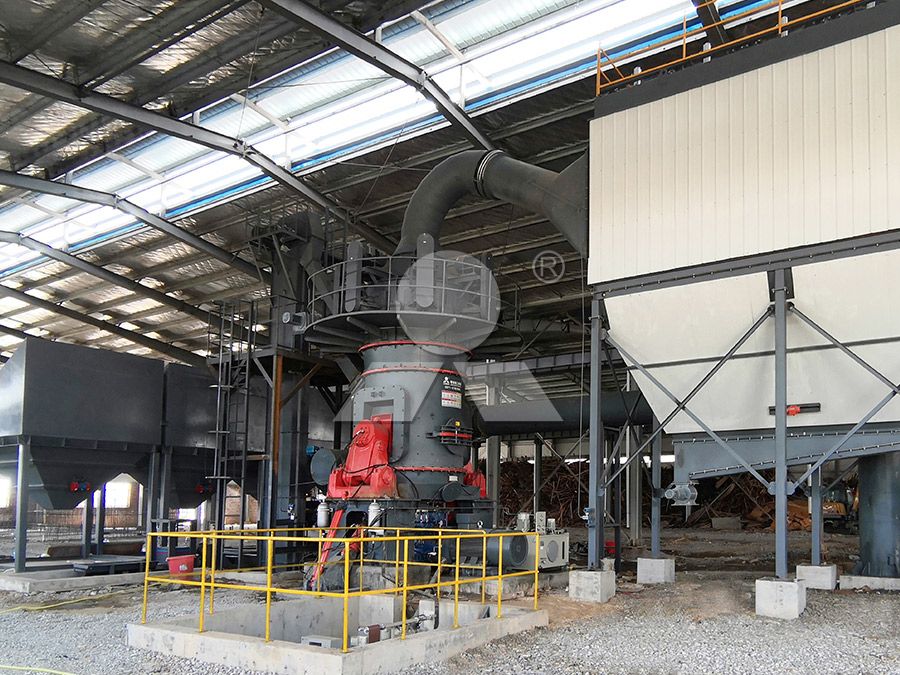
What sets the LUM series apart is its ability to handle materials like limestone, calcite, dolomite, petroleum coal, gypsum, barite, marble, talc, and coal powder with remarkable efficiency. This mill is particularly suited for superfine dry powder processing of non-metal ores, making it a versatile choice for industries ranging from construction materials to chemicals.
Why Choose a 160 Mesh Ultra-Fine Grinding Solution
Many production managers ask, “Why target 160 mesh?” The answer lies in the balance between particle size and application performance. At 160 mesh (approximately 88 microns), powders offer enhanced reactivity, better dispersion in liquid systems, and improved surface coverage for coatings and fillers. Traditional grinding methods often struggle to achieve this fineness consistently without sacrificing throughput or increasing energy costs.
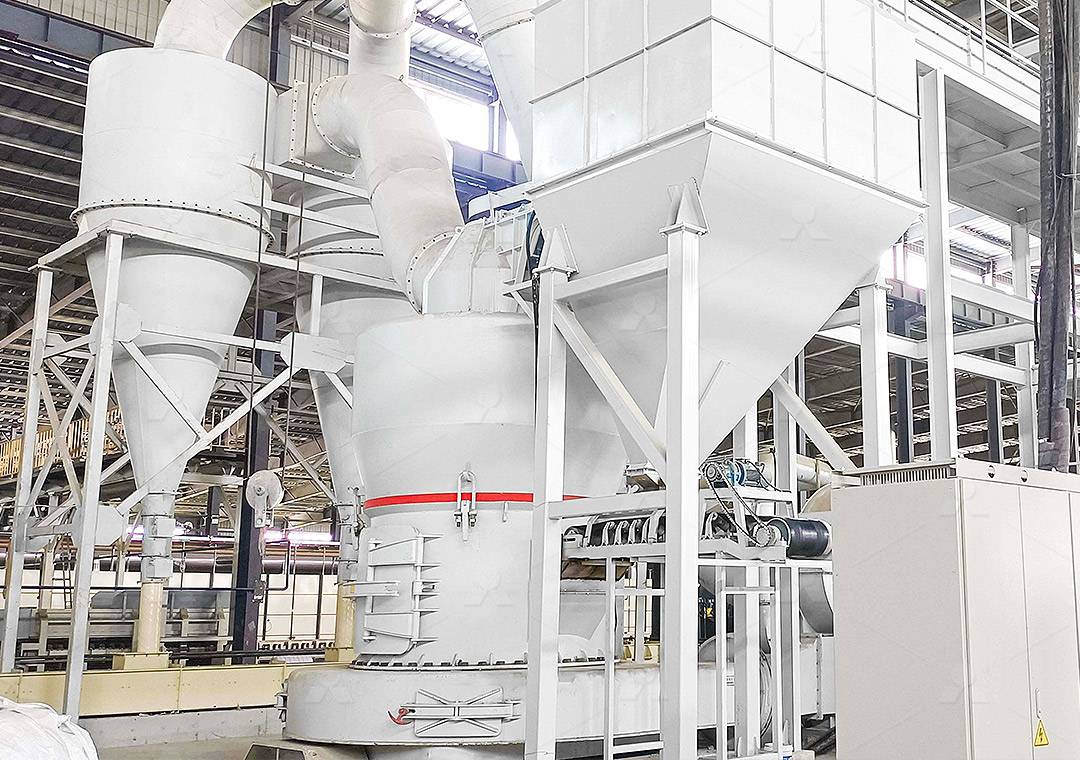
The LUM Ultra-Fine Vertical Roller Mill addresses these pain points through several key innovations. The specially designed roller shell and lining plate grinding curves minimize material lingering time, reduce repeated grinding, and lower iron content contamination. This design not only boosts working efficiency but also improves the whiteness and cleanliness of the final product—a critical factor for industries such as paint, cosmetics, and food additives.
Technical Features That Deliver Performance
The 160 Mesh LUM mill incorporates several proprietary technologies that directly impact operational efficiency and product quality.
Higher Yielding Rate with Better Quality: By preventing materials from lingering too long in the grinding chamber, the LUM mill achieves a high rate of finished products in a single pass. This reduces the need for recirculation and minimizes iron pick-up, ensuring that the final powder meets strict purity standards.
Energy-Saving Multi-Head Powder Separating Technology: The mill uses a PLC control system integrated with multi-head powder separating technology. This solves two common problems: high-precision cutting of powder diameter and rapid switching between different production demands. Operators can accurately control grinding pressure and rotational speed, reducing energy consumption by 30-50% compared to conventional mills.
Double Position-Limiting Technology for Stability: The contact point between the roller shell and millstone liner uses both electronic limiting and mechanical limiting protection. This prevents destructive impacts caused by machine vibration—such as from mine explosions or uneven feed—and ensures stable operation even under challenging conditions.
Reversible Structure for Easy Maintenance: Heavy grinding rollers can be difficult to service. The LUM mill features a reversible structure combined with a hydraulic adjustment system. Operators can quickly move the roller out of the body for inspection and replacement of wear parts, minimizing downtime and lost production.
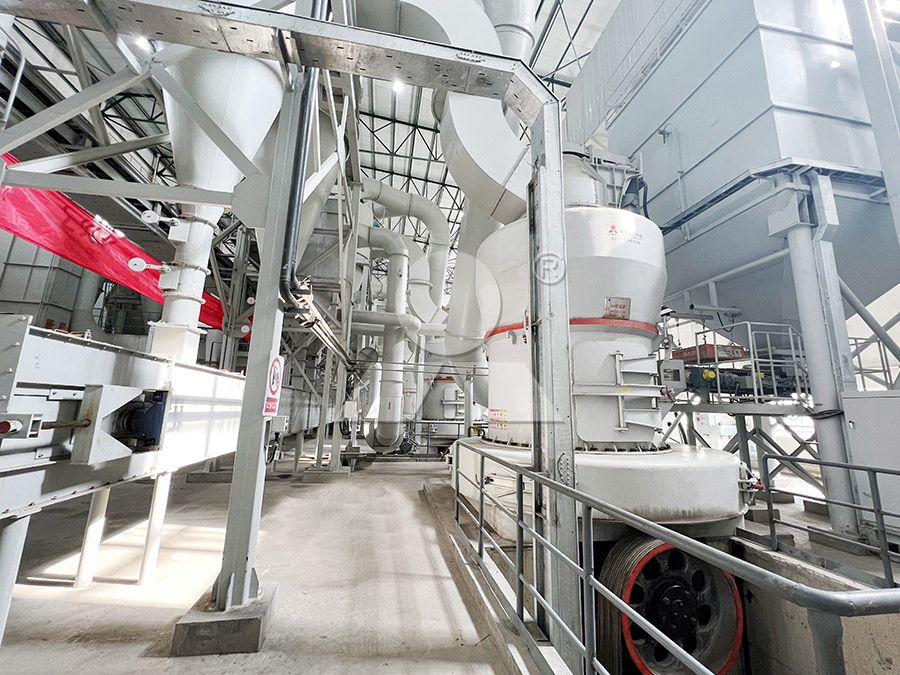
For example, the MW Ultrafine Grinding Mill is another excellent choice for applications requiring an input size up to 20 mm and capacities from 0.5 to 25 tph. Its newly designed grinding curves enhance efficiency by 40% over jet mills, and its cage-type powder selector achieves a screening rate of d97≤5μm in a single pass. Both the LUM and MW mills are backed by LIMING’s digitalized manufacturing with numerical control for core parts, ensuring precision and reliability.
Working Principle in Practice
Understanding how the LUM mill operates helps operators optimize its performance. The main motor drives the millstone to rotate through a reduction box. Meanwhile, air flow enters the mill through an intake. Materials from the screw feeder fall onto the center of the millstone and move outward under centrifugal force. As they cross the grinding zone, rollers crush large pieces directly while smaller particles are extruded to form a material bed where intergranular grinding occurs.
Ground materials continue to the edge of the millstone where air current at the air ring lifts fine particles upward. Coarse particles fall back for regrinding, while the airflow carries suitable particles through the rotor vanes of the separator. The separator’s rotating speed can be adjusted to vary final fineness. Hydraulic system pressure changes allow the mill to process materials of different hardness. The entire system operates under negative pressure with pulse dust collection, making it environmentally friendly.
Applications and Real-World Benefits
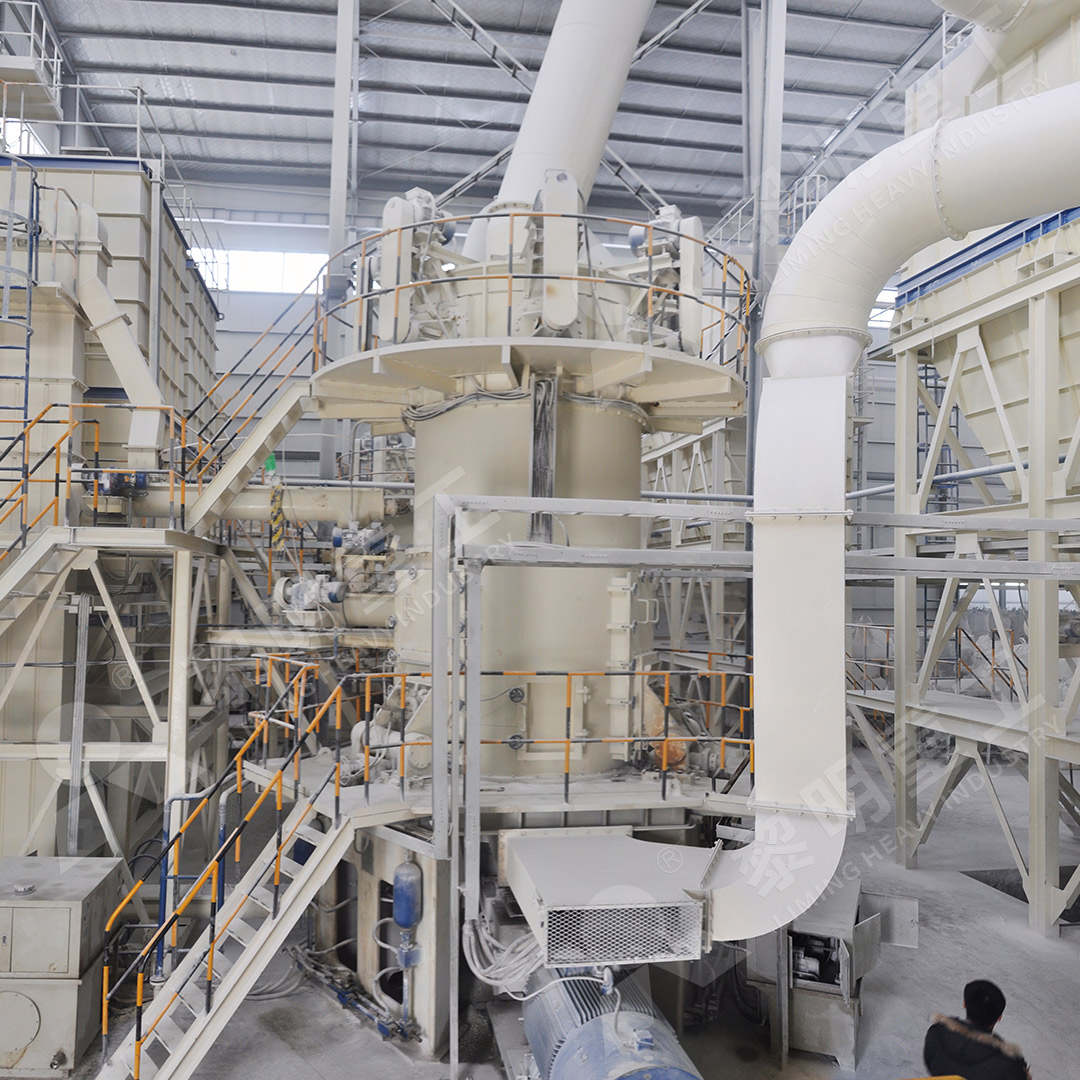
Industries that benefit from the 160 Mesh LUM Ultra-Fine Vertical Roller Mill include cement production, power plant desulfurization, metallurgy, chemical processing, non-metallic mineral processing, construction materials, and ceramics. In each of these sectors, the ability to produce consistent fine powders with low energy consumption translates directly to lower operating costs and higher product quality.
For instance, in the production of desulfurized gypsum for power plants, the LUM mill can achieve the required fineness with 30-50% less energy than ball mills. In mineral processing, the low iron content preserves the whiteness of products like talc and marble, commanding higher market prices. To further enhance productivity, consider integrating the LM Vertical Grinding Mill for coarser pre-grinding stages. With an input size up to 70 mm and capacities reaching 340 tph, the LM mill handles bulk reduction efficiently before fine grinding in the LUM mill.
Conclusion: A Smart Investment for Fine Powder Processing
The 160 Mesh LUM Ultra-Fine Vertical Roller Mill represents a convergence of advanced engineering and practical design. Its energy efficiency, product quality, and ease of maintenance make it a compelling option for any operation requiring consistent fine powders. LIMING’s commitment to digitalized manufacturing and spare parts availability ensures that this investment remains productive for years. Whether you are processing limestone for building materials or calcite for cosmetics, this mill delivers the performance your business needs.
Frequently Asked Questions
1. What is the typical fineness range achievable with the LUM Ultra-Fine Vertical Roller Mill?
The mill can produce powders from 325 mesh to 2500 mesh. By adjusting the separator rotor speed and hydraulic pressure, operators can target specific fineness for different applications.
2. How does the LUM mill compare to ball mills in terms of energy consumption?
The LUM mill typically reduces energy consumption by 30-50% compared to conventional ball mills, thanks to its efficient grinding curve design and multi-head powder separating technology.
3. Can the LUM mill handle materials with varying hardness?
Yes. The hydraulic system allows adjustment of roller pressure, enabling the mill to process materials from soft talc to harder barite and marble.
4. What maintenance is required for the grinding rollers?
The reversible structure allows quick inspection and replacement of roller shells and liner plates. Regular checks of hydraulic oil levels and separator vanes are recommended.
5. Is the LUM mill suitable for heat-sensitive materials?
The mill operates with an air flow system that can be temperature-controlled. However, for very heat-sensitive materials, consult LIMING’s technical team to assess specific requirements.
6. How does the double position-limiting technology work?
Electronic and mechanical limiters prevent the grinding roller from directly smashing the millstone during vibration events, protecting both components from damage.
7. What is the recommended input moisture content for materials fed into the LUM mill?
For best results, moisture should be below 5%. Higher moisture can be handled with additional hot air input, but may reduce throughput.
8. Can the mill be integrated into an existing production line?
Yes. The LUM mill’s compact footprint and integrated functions make it suitable for retrofitting into existing systems with minimal modification.
9. What spare parts does LIMING provide for the LUM mill?
We supply original roller shells, liner plates, separator rotor vanes, hydraulic components, and seals. Our global parts network ensures rapid delivery.
10. Does the mill require special foundation work?
The LUM mill can be installed on a standard reinforced concrete foundation. LIMING provides foundation drawings and installation guidance with every order.