
High-Efficiency Calcite Grinding Mill from Liming Heavy Industry for Fine Powder Processing
We provide a wide range of mills — including Raymond mill, trapezoidal mill, vertical mill, ultrafine mill, and ball mill, obtained ISO9001 international quality certification, EU CE certification, and Customs Union CU-TR certification. Suitable for processing minerals such as limestone, phosphate, quicklime, kaolin, talc, barite, bentonite, calcium carbonate, dolomite, coal, gypsum, clay, carbon black, slag, cement raw materials, cement clinker, and more.
The discharge range of these mills can be adjusted to meet specific processing needs, typically from 80-400 mesh, 600-3250 mesh, and can achieve the finest particle size of up to 6000 mesh(D50).
If you are looking for a reliable grinding solution to turn stone or minerals into fine powder, please feel free to contact our online customer service.
Introduction: The Calcite Fine Powder Challenge
Walking through a modern mineral processing plant, you see the same bottleneck everywhere: how to get more fine powder with less energy, less wear, and less downtime. Calcite, being relatively soft but often required in extremely fine grades for industries like paint, plastics, and paper, demands a grinding solution that balances throughput with precision. At Liming Heavy Industry, we have spent years refining our approach to this exact problem. Our line of grinding mills, particularly the MW Ultrafine Grinding Mill and the LUM Ultrafine Vertical Grinding Mill, are engineered to tackle calcite and similar materials head-on. This article dives into the practical aspects of achieving high-efficiency calcite grinding, sharing real-world insights from our engineering team and field installations.
Why Calcite Grinding Demands Specialized Equipment
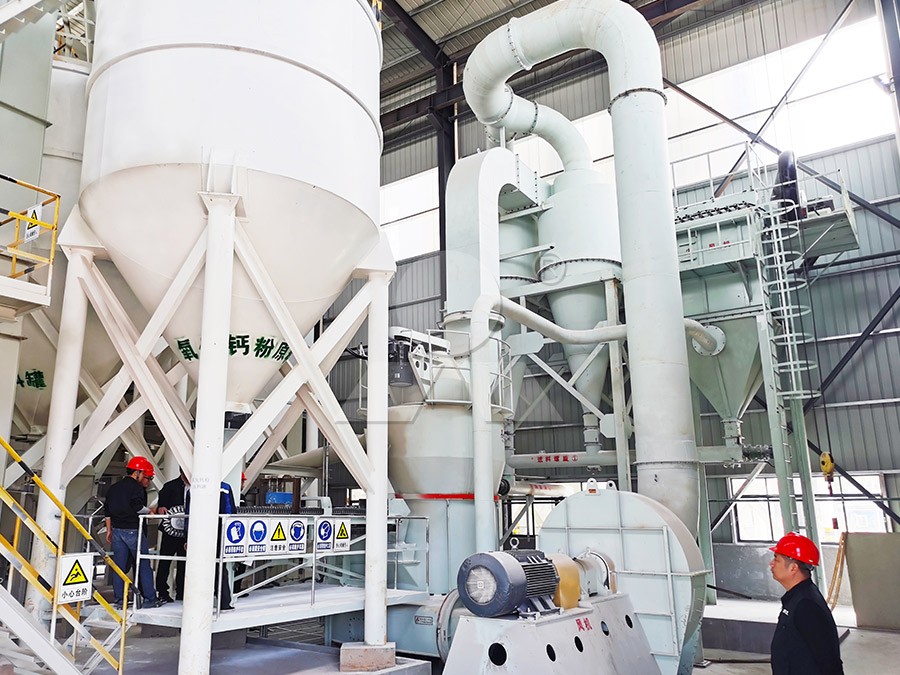
Not all grinding mills are created equal when it comes to calcite. The material’s natural cleavage planes make it easy to crush initially, but achieving consistent fineness in the 325 to 2500 mesh range requires precise control over grinding pressure, classifier speed, and airflow. Traditional ball mills, for example, tend to over-grind, producing excessive fines and wasting energy. Jet mills, while capable of ultra-fine output, consume enormous amounts of compressed air, driving operational costs through the roof. We have seen plants struggle with these trade-offs for years. That is why we designed our MW Ultrafine Grinding Mill with a focus on practical efficiency. Its grinding roller and ring feature newly engineered curves that increase the effective grinding area, allowing the machine to yield up to 40% more capacity than a jet mill at the same power consumption. In one recent calcite project in Fujian, the customer switched from a stirred mill to our MW mill and doubled their output while cutting energy use by nearly 70%. Those are not theoretical numbers; that is what happens when the equipment matches the material.
Core Technology: How the MW Ultrafine Grinding Mill Delivers
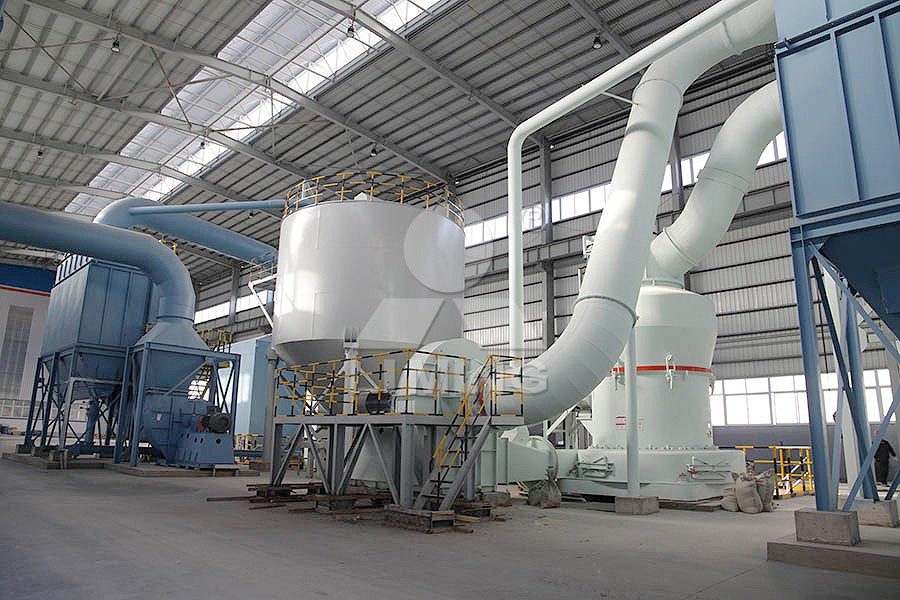
The real magic happens inside the grinding chamber. Unlike older designs that rely on rolling bearings and screws within the grinding zone, the MW mill eliminates these components entirely. There are no bearings inside the chamber to fail, no screws to loosen. The main shaft lubrication is external, meaning you can keep the machine running 24 hours a day without stopping for maintenance. For a calcite operation running multiple shifts, that reliability translates directly to higher annual throughput. The cage-type powder separator, which uses German-derived technology, is another key differentiator. It allows operators to adjust fineness between 325 and 2500 mesh with a simple control change. We have seen customers achieve d97 ≤ 5 microns in a single pass—no re-circulation needed. That saves time, reduces wear, and keeps the product consistent. The pulse dust collector and muffler system ensure the whole process stays within environmental standards, which is increasingly important for plants located near residential areas or subject to strict regulations.
When the Job Requires Even Higher Capacity: The LUM Ultrafine Vertical Mill
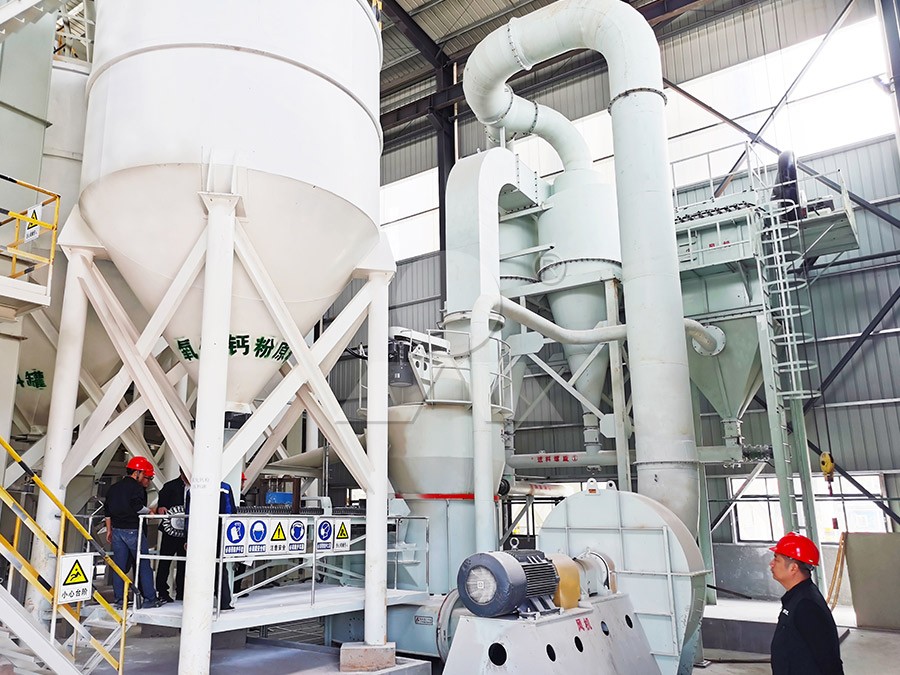
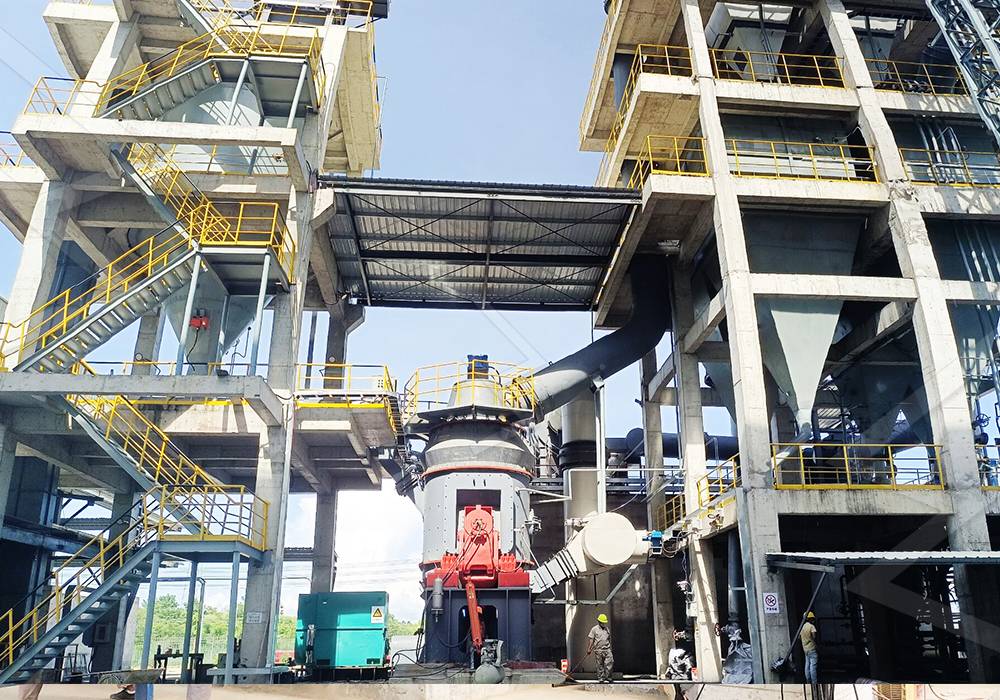
For operations that need to push beyond 25 tons per hour, our LUM Ultrafine Vertical Grinding Mill is often the better fit. This machine uses a completely different grinding principle—a vertical roller mill with a rotating table and fixed rollers. The material forms a bed on the grinding table, and inter-particle grinding takes place, which is inherently more energy-efficient than impact grinding. We have seen LUM mills handling calcite feeds up to 10 mm and producing consistent fine powder at rates of 5 to 18 tph. The multi-head powder separating technology, controlled by a PLC system, gives operators precise command over particle size distribution. One of our clients in the GCC (Ground Calcium Carbonate) sector reported that switching from a traditional ball mill system to a LUM mill reduced their energy consumption by 35% while improving product whiteness by avoiding iron contamination. The double position-limiting technology prevents the grinding roller from contacting the table directly, which means no metal-on-metal wear and no contamination of the final powder. For high-end applications like food-grade calcium carbonate or cosmetic fillers, this purity advantage is critical.
Practical Maintenance and Operational Considerations
Every plant manager I have talked to has the same concerns: how long will the wear parts last, and how hard is it to change them? We have addressed both with our designs. The grinding rollers and rings in the MW mill are made from wear-resistant alloy developed jointly with scientific institutes. Their service life is typically 1.7 to 2.5 times longer than conventional high-manganese steel parts. When replacement is finally needed, the split structure of some vulnerable parts means you do not have to replace entire assemblies—just the worn components. On the LUM mill, the reversible structure allows operators to swing the grinding roller out of the body using a hydraulic system, making inspection and roller shell replacement a matter of hours rather than days. One supervisor at a large calcite plant in Guangxi told me they cut their annual maintenance downtime by 60% after switching to our equipment. That is the kind of real-world result that matters on the bottom line.
Digital Precision and Supply Chain Support
Every machine we build benefits from our digitalized processing facility. We operate dozens of numerical control machine tools for cutting, bending, planing, milling, and painting. This ensures that every grinding roller, every separator blade, and every housing component meets tight tolerances. When you order a mill from Liming, you are getting a machine built with the same precision as the parts that go into aerospace equipment. And we back that up with a genuine spare parts supply chain. Because we manufacture the original parts ourselves, we can guarantee fit and performance. No aftermarket knock-offs, no guesswork. Our technical service team is available to help with installation, commissioning, and optimization. If you run into a problem, we have engineers who have seen every scenario—from wet calcite to abrasive dolomite—and know how to adjust parameters to keep production running smoothly.
Working Principle in Simple Terms
Understanding how these mills work helps operators get the most out of them. In the MW Ultrafine Grinding Mill, the motor drives the main shaft and turnplates through a reducer. Rollers rotate against the raceway of the ring, crushing material fed from the center. The material passes through multiple grinding stages—first, second, and third turnplates—before being carried by air to the separator. Coarse particles drop back for regrinding, while fine powder goes to the cyclone collector. The LUM mill works differently: material falls onto a rotating grinding table, where rollers apply hydraulic pressure. The ground material moves to the edge, is lifted by airflow, and passes through a rotor separator. Coarse particles fall back; fine powder is collected. Both systems are closed-loop, with air recirculated after dust removal. This design minimizes dust emission and keeps the plant clean.
Whether you are processing calcite for the paint industry, producing GCC for paper filling, or making ultra-fine powder for plastics reinforcement, the right grinding mill makes all the difference. Our MW Ultrafine Grinding Mill and LUM Ultrafine Vertical Grinding Mill offer proven solutions backed by decades of field experience. We invite you to contact our team for a consultation tailored to your specific feed size, capacity requirements, and target fineness. Let us help you turn calcite into profit, efficiently and sustainably.
Frequently Asked Questions (FAQ)
1. What is the typical feed size for the MW Ultrafine Grinding Mill when processing calcite?
The recommended input size is 0-20 mm. Material larger than this should be pre-crushed using a jaw crusher or hammer crusher to avoid overloading the mill and to ensure optimal grinding efficiency.
2. Can the MW mill produce powder finer than 325 mesh?
Yes. The MW Ultrafine Grinding Mill can be adjusted to produce fineness ranging from 325 mesh up to 2500 mesh (d97 ≤ 5 microns). The cage-type powder separator allows precise control over particle size distribution.
3. How does the LUM Ultrafine Vertical Grinding Mill compare to the MW mill in terms of energy consumption?
For equivalent throughput and fineness, the LUM mill generally consumes 30-50% less energy than traditional ball mills and about 30% less than jet mills. The MW mill also offers significant savings—up to 70% compared to jet mills—but the LUM design is particularly efficient for higher capacity operations.
4. What maintenance is required for the grinding rollers and rings?
In the MW mill, there are no rolling bearings or screws inside the grinding chamber, reducing maintenance needs. The rollers and rings typically require inspection every 500-1000 operating hours, depending on material abrasiveness. Lubrication is performed externally without stopping the machine.
5. Is the grinding process environmentally friendly?
Yes. Both the MW and LUM mills are equipped with efficient pulse dust collectors and mufflers. The systems operate under negative pressure, preventing dust leakage. Noise levels are significantly lower than traditional ball mills, and emissions comply with international environmental standards.
6. Can these mills handle materials other than calcite?
Absolutely. Both mills are suitable for a wide range of non-metallic minerals including limestone, dolomite, marble, talc, barite, gypsum, and petroleum coal. The MW mill is also used in chemical, paint, cosmetic, and food additive industries where ultra-fine powder is required.
7. How long does it take to replace worn grinding parts on the LUM mill?
Thanks to the reversible structure and hydraulic adjustment system, the grinding roller can be swung out of the body for inspection and replacement within a few hours. Most operators report completing a full roller shell replacement in under a single shift, significantly reducing downtime.
8. What is the typical service life of wear parts?
The grinding rollers and rings in the MW mill are made from wear-resistant alloy developed with scientific institutes, offering a service life 1.7 to 2.5 times longer than traditional high-manganese steel parts. Actual life depends on feed size, hardness, and operating conditions, but many customers report 6000-8000 hours on calcite applications.
9. Do you provide spare parts and technical support for existing installations?
Yes. Liming Heavy Industry manufactures all original spare parts and maintains a sufficient supply chain. We offer technical services including remote troubleshooting, on-site commissioning, and operator training. Our team is available to ensure worry-free operation throughout the machine’s lifecycle.