
Sichuan Luzhou Raymond Mill Manufacturer: High-Efficiency Industrial Powder Grinding Solutions
We provide a wide range of mills — including Raymond mill, trapezoidal mill, vertical mill, ultrafine mill, and ball mill, obtained ISO9001 international quality certification, EU CE certification, and Customs Union CU-TR certification. Suitable for processing minerals such as limestone, phosphate, quicklime, kaolin, talc, barite, bentonite, calcium carbonate, dolomite, coal, gypsum, clay, carbon black, slag, cement raw materials, cement clinker, and more.
The discharge range of these mills can be adjusted to meet specific processing needs, typically from 80-400 mesh, 600-3250 mesh, and can achieve the finest particle size of up to 6000 mesh(D50).
If you are looking for a reliable grinding solution to turn stone or minerals into fine powder, please feel free to contact our online customer service.
Introduction
When you talk about industrial powder grinding, the conversation inevitably leads back to Sichuan Luzhou. This region has built a reputation for producing some of the most reliable and efficient milling equipment in the world. As a manufacturer based in this industrial hub, we don’t just assemble machines; we engineer solutions for real-world problems. We understand that your operation depends on consistent output, low energy bills, and minimal downtime. That is why every piece of equipment leaving our workshop is built with a focus on durability and precision.
Our product line covers everything from basic Raymond mills to advanced ultrafine vertical systems. But we are not in the business of selling one-size-fits-all machines. We listen to your specific requirements—whether you are grinding limestone for a power plant or processing barite for the oil drilling industry. We then match you with a system that fits your material, your capacity needs, and your budget.
Why Choose a Sichuan Luzhou Manufacturer?
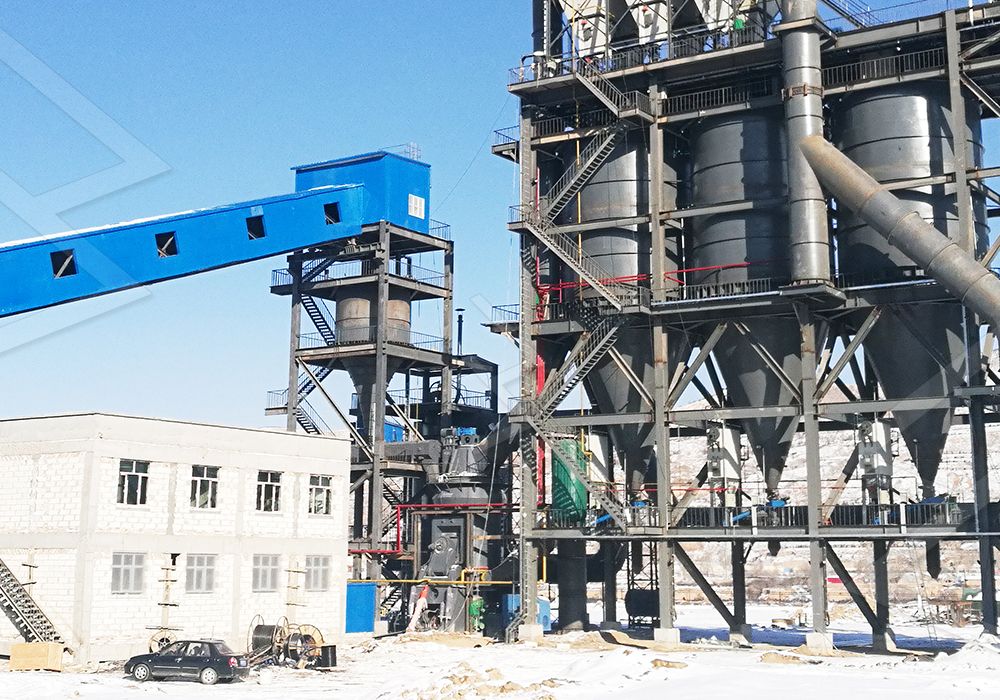
There is a lot of talk about “high quality” in the manufacturing world. But talk is cheap. What sets us apart is our access to a mature supply chain and a workforce that has been specializing in grinding technology for decades. We source our steel locally, cast our own wear parts, and run a digitalized factory where cutting, bending, and milling are controlled by numerical machines. This ensures that every component, from the grinding roller to the reducer, meets tight tolerances.
We also take responsibility for our machines long after they leave the factory floor. Our spare parts supply is sufficient and fast. If a customer in Indonesia or Brazil needs a new ring or a roller shell, we ship it quickly. This worry-free operation is not just a slogan; it is how we keep your plant running 24 hours a day.
Our Core Technology: Ultrafine Grinding Solutions
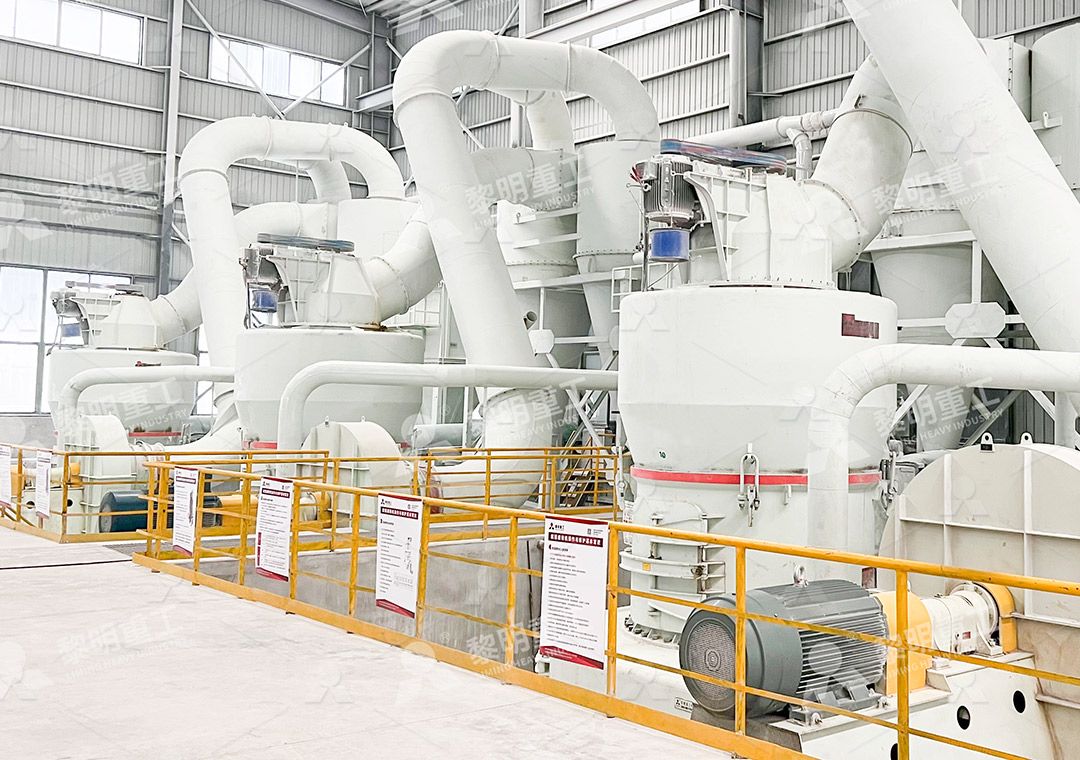
For customers who need to produce superfine powder between 325 and 2500 mesh, we highly recommend our MW Ultrafine Grinding Mill. This machine was designed specifically for the ultrafine market. It handles input sizes up to 20 mm and delivers capacities ranging from 0.5 to 25 tons per hour.
The MW series features a newly designed grinding curve on the roller and ring. This simple change boosts grinding efficiency significantly. In direct comparisons, the MW mill yields 40% more than a jet mill under the same power conditions. It also doubles the output of a traditional ball mill while consuming only 30% of the energy. That is not a minor improvement; it is a game-changer for operations where electricity costs are a major concern.
Another standout feature is the cage-type powder selector, which uses German technology. This allows for precise fineness adjustment. You can achieve a screening rate of d97≤5μm in a single pass. That consistency is critical for industries like cosmetics, pharmaceuticals, and high-end paint manufacturing.
Durability and Environmental Compliance
We know that downtime kills profits. That is why we eliminated rolling bearings and screws from the grinding chamber of the MW mill. There are no bearings to fail and no screws to loosen. The lubrication system is mounted outside the main shaft, so you can grease the machine without shutting it down. This design allows for continuous 24-hour production.
Environmental regulations are getting stricter everywhere. Our mills come standard with efficient pulse dust collectors. There is no dust pollution during operation. We also fit silencers and noise elimination rooms to keep the decibel levels down. The entire system meets national environmental protection standards, so you can sleep well knowing you are not polluting the neighborhood.
Another Option for Higher Capacity: LUM Ultrafine Vertical Mill
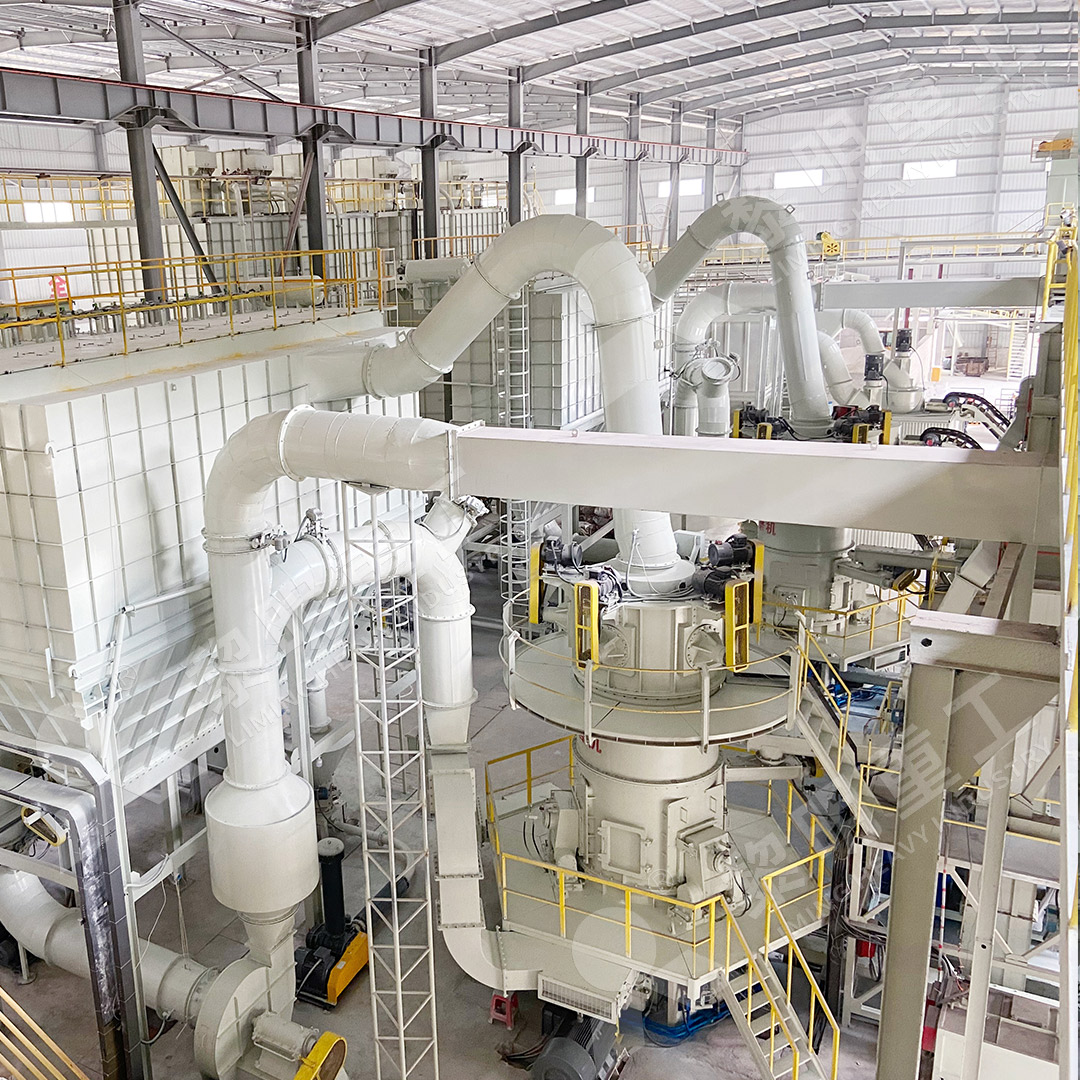
If your operation demands a larger throughput, look at the LUM Ultrafine Vertical Grinding Mill. This machine handles input sizes up to 10 mm and delivers 5 to 18 tons per hour. It was independently designed based on our years of field experience, combined with the latest Taiwanese roller technology and German powder separation techniques.
The LUM mill is a truly integrated system that performs grinding, grading, and transporting in one unit. The unique roller shell and lining plate curves prevent the material from lingering too long in the mill. This solves two common problems: high iron content in the product and repeated grinding of the same particles. The result is a higher whiteness and cleanliness in the final powder, which is essential for high-value markets like food additives and fine chemicals.
Energy savings are also impressive. With the multi-head powder separating technology and PLC control system, the LUM mill reduces energy consumption by 30% to 50% compared to common grinding mills. You can adjust the grinding pressure and speed digitally to match the product requirements instantly.
Maintenance and Stability
Heavy grinding rollers are difficult to maintain if the design is not thought through. The LUM mill features a reversible structure. With the hydraulic adjustment system, an operator can roll the grinding roller out of the body in minutes. This makes checking and replacing the roller shell and liner plate fast and safe. You drastically reduce shutdown losses.
We also use double position-limiting technology. Electronic and mechanical limiters prevent the roller from smashing the millstone during a vibration event, such as a mine blast or material surge. This protection keeps the machine stable and extends the life of the core components.
Working Principle: Simple but Effective
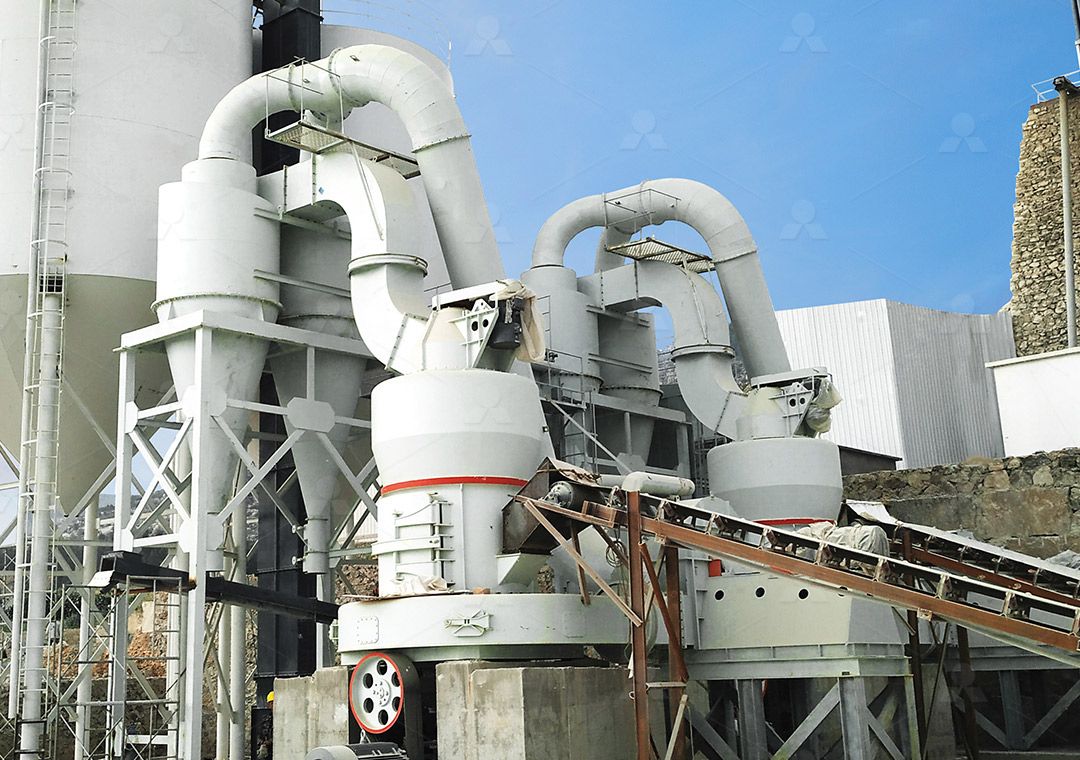
Understanding how these machines work helps you operate them better. In the MW mill, the motor drives the main shaft and turnplates through a reducer. The rollers rotate against the raceway of the ring. Material is crushed in the first raceway, then moves to the second and third turnplates. An air stream carries the powder to the separator, where coarse particles drop back for regrinding and fine particles are collected as final product. The air is cleaned by a filter before being released.
The LUM mill works on a similar vertical principle but uses a millstone and roller system. The material forms a bed on the rotating millstone. Rollers crush the material through inter-particle grinding. The air flow takes the fine powder to the separator. The coarse particles fall back, and the fines are collected. This design is efficient for hard materials and produces a very narrow particle size distribution.
Digital Precision and Global Support
We operate tens of lines of numerical control machine tools. Every steel plate is cut, bent, planed, and milled with digital precision. This is especially important for core parts like the grinding roller assembly and the powder concentrator. High precision means the parts fit perfectly, vibrate less, and last longer.
Our service does not end when the machine ships. We provide technical support and original spare parts for the entire life of the equipment. Whether you need help with installation, tuning the fineness, or replacing a worn part, our team is just a call away.
Conclusion
Choosing a grinding mill is a long-term investment. You need a machine that is efficient, durable, and easy to maintain. As a manufacturer based in Sichuan Luzhou, we offer exactly that. Whether you choose the MW Ultrafine Grinding Mill for ultra-fine powders or the LUM Ultrafine Vertical Mill for higher capacity, you are getting a machine backed by decades of engineering experience and a commitment to quality. We invite you to contact us for a consultation or a detailed proposal.
Frequently Asked Questions (FAQ)
1. What is the difference between the MW Ultrafine Mill and the LUM Vertical Mill?
The MW mill is designed for capacities up to 25 tph with a focus on very fine powder (325-2500 mesh). It uses multiple turnplates and rollers. The LUM mill is a vertical system with higher throughput (5-18 tph) and integrates grinding, grading, and transport. It is better for larger operations needing consistent ultrafine powder with low energy use.
2. Can these mills handle abrasive materials like barite or slag?
Yes. Both the MW and LUM mills are built with wear-resistant alloy rollers and rings. The LUM mill is especially suited for slag and hard minerals. We also offer customized lining materials for highly abrasive applications.
3. How do you control the fineness of the output powder?
The fineness is controlled by adjusting the speed of the cage-type powder separator (MW) or the rotor vanes (LUM). You can also change the grinding pressure and the air flow rate. The system allows for quick changes so you can switch between product grades without lengthy shutdowns.
4. What is the typical maintenance schedule?
We recommend a daily visual check of the lubrication system and a weekly inspection of the grinding rollers and rings. The oil bath lubrication for the MW mill requires less frequent attention than grease systems. Major overhauls are typically needed every 6 to 12 months depending on the material being ground.
5. Do you provide installation and training services?
Yes. We offer on-site installation supervision and training for your operators. We also provide manuals and video tutorials. Our technical team can assist remotely as well.
6. What is the warranty period for your mills?
We offer a standard one-year warranty on the entire machine, covering defects in materials and workmanship. Core components like the reducer and motor may have extended warranties. Please contact our sales team for specific terms.
7. How long does it take to deliver a mill?
Delivery time depends on the model and customization. Standard mills typically ship within 30 to 45 days. Custom-built solutions may take 60 to 90 days. We can provide a firm schedule after reviewing your requirements.
8. Can the mill be used for materials other than non-metallic minerals?
Yes. While they are optimized for non-metallic minerals like limestone, calcite, and talc, the mills can also process coal, petroleum coke, gypsum, and some metallic ores. You need to ensure the material is non-flammable and non-explosive, with a hardness under 9 on the Mohs scale.
9. What environmental certifications do your mills meet?
Our mills are designed to meet international environmental standards for dust emission and noise. The pulse dust collector ensures emissions are well below typical limits. We can provide specific certificates upon request.
10. How do I get a quote for my project?
Simply contact us with your material type, required fineness, and desired capacity. We will recommend the best model and send you a detailed quotation, including shipping and optional spare parts packages.