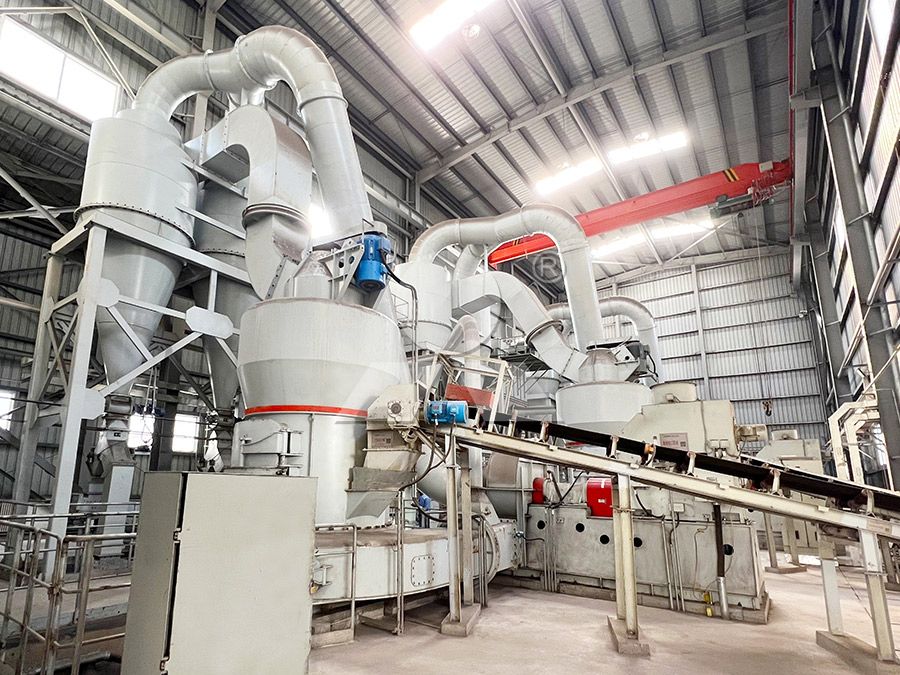
Liaoning Raymond Mill Price Analysis: Factors, Trends, and Cost-Effective Selection Tips
We provide a wide range of mills — including Raymond mill, trapezoidal mill, vertical mill, ultrafine mill, and ball mill, obtained ISO9001 international quality certification, EU CE certification, and Customs Union CU-TR certification. Suitable for processing minerals such as limestone, phosphate, quicklime, kaolin, talc, barite, bentonite, calcium carbonate, dolomite, coal, gypsum, clay, carbon black, slag, cement raw materials, cement clinker, and more.
The discharge range of these mills can be adjusted to meet specific processing needs, typically from 80-400 mesh, 600-3250 mesh, and can achieve the finest particle size of up to 6000 mesh(D50).
If you are looking for a reliable grinding solution to turn stone or minerals into fine powder, please feel free to contact our online customer service.
Introduction
When you start looking into grinding mills, especially for processing non-metallic minerals like limestone, barite, or dolomite, the price of a Raymond mill from Liaoning is often the first thing that comes to mind. Liaoning province is a major hub for heavy machinery manufacturing in China, and its Raymond mills are known worldwide for balancing cost and performance. However, the price tag you see on a brochure is rarely the full story. I have spent years working with mineral processing plant managers and procurement officers, and I can tell you that understanding what drives the cost is more important than just asking for a quote.
In this article, we will break down the core factors influencing Raymond mill prices in Liaoning, look at current market trends, and give you practical, cost-effective tips for selecting the right machine. We will also look at how modern upgrades, like those found in LIMING’s advanced mills, are changing the value proposition.
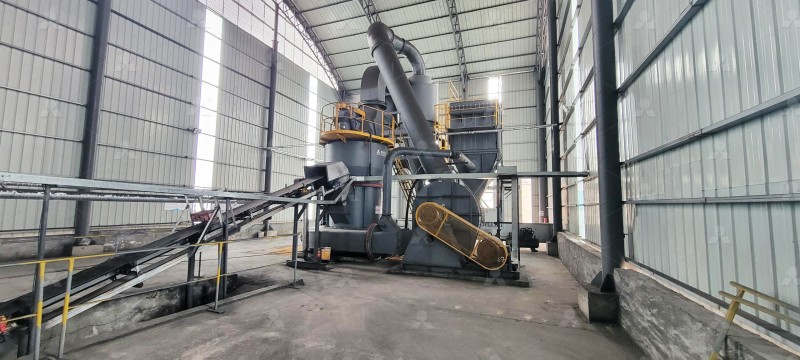
Key Factors Influencing the Price of a Liaoning Raymond Mill
1. Production Capacity (TPH)
This is the most obvious factor. A small mill with a capacity of 0.6 to 5 tons per hour (TPH), like the standard Raymond Mill, will have a much lower base price compared to a high-capacity vertical mill that can handle 340 TPH. However, do not just look at the number. The efficiency of achieving that capacity matters. For example, a mill that uses 40% less energy to achieve the same output, like the MW Ultrafine Grinding Mill we manufacture, may have a higher upfront cost but delivers massive savings on electricity bills over five years.
2. Fineness and Precision of the Output
Are you grinding to 100 mesh or 2500 mesh? The price jumps significantly when you need ultra-fine powder. A standard Raymond mill is great for coarse and medium powders, but if your application (like cosmetics, pharmaceuticals, or high-grade paint) requires a fineness of d97≤5μm, you need specialized equipment. The technology required for precise classification, such as the German multi-head cage-type powder selector used in our MW Ultrafine Grinding Mill, adds to the cost but is essential for quality. You are not just paying for a motor; you are paying for precision engineering.
3. Material Characteristics (Hardness & Moisture)
Processing soft materials like talc is cheaper than grinding hard materials like granite or bauxite. Harder materials require more robust grinding rollers, rings, and higher power consumption. Similarly, materials with high moisture content require additional drying capabilities. Mills designed for slag or coal, like the LM Vertical Slag Mill or LM Vertical Coal Mill, often include integrated drying systems, which increase the initial investment but are necessary for the application.
4. Automation and Digitalization
A mill with a fully automated PLC control system, remote monitoring, and digitalized processing (like the tens of lines of numerical controlling machine tools used to manufacture our parts) will cost more than a basic manual machine. However, the trade-off is in operational stability, reduced labor costs, and less product waste. In my experience, the return on investment (ROI) for automated mills is usually under 2 years for medium to large operations.
5. Material of Construction and Spare Parts Supply
Look under the hood. Are the grinding rollers made of high-manganese steel or a proprietary wear-resistant alloy? The alloy can last 1.7 to 2.5 times longer. Furthermore, the availability of original spare parts is a hidden cost. If you buy a cheap mill with non-standard parts, a small bearing failure can shut you down for weeks. Our commitment at LIMING is to provide a sufficient supply of spare parts, ensuring worry-free operation. This reliability is factored into the price but protects your bottom line.
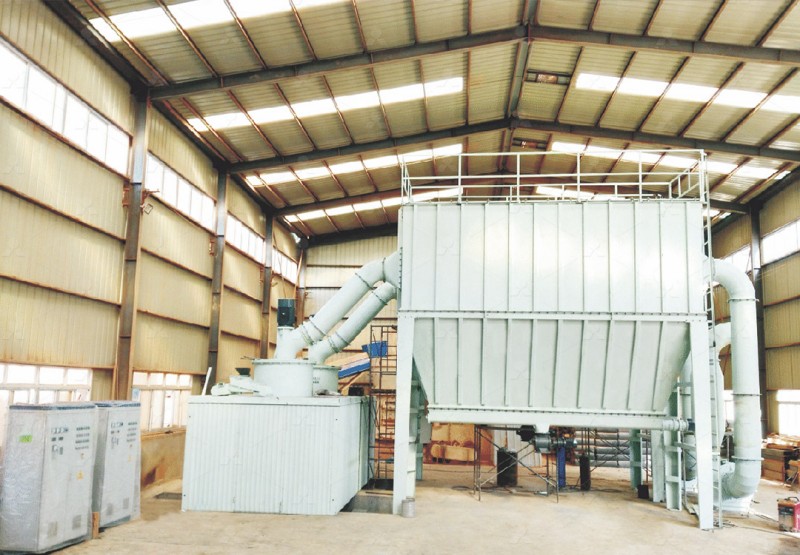
Current Trends in the Liaoning Raymond Mill Market
1. The Shift from Raymond to Vertical and Ultrafine Mills
The classic Raymond mill is still a workhorse for simple applications. However, the market is clearly migrating towards vertical roller mills (VRM) and ultrafine mills. Why? Because operational costs are more critical than purchase price. The LUM Ultrafine Vertical Grinding Mill, for example, reduces energy consumption by 30-50% compared to traditional grinding methods. Plant managers are no longer buying machines; they are buying efficiency and long-term low operating costs.
2. Environmental Compliance is Non-Negotiable
This is a massive trend. Governments globally are cracking down on dust and noise pollution. Old-school mills without proper dust collectors are becoming liabilities. Modern mills, like the MW series, come equipped with efficient pulse dust collectors and silencers. The ability to say “no dust pollution” and “full compliance with national environmental standards” is now a primary selling point, and it does influence the price. You are paying for a system that keeps your plant operational and avoids fines.
3. Customization Over Standardization
Buyers are demanding mills tailored to their specific material. They want adjustable fineness, specific grinding curves for their material (like the newly designed curves for the MW mill that increase yield by 40%), and reversible structures for easy maintenance. The one-size-fits-all approach is fading.
Cost-Effective Selection Tips
Here is how to approach your purchase strategically:
- Calculate Total Cost of Ownership (TCO): Do not just look at the purchase price. Calculate energy costs (kWh/ton), maintenance labor, spare parts frequency, and downtime costs. A mill with 30% lower energy consumption pays for itself.
- Prioritize the “No Bearing” Design: Look for mills like the MW Ultrafine model where there are no rolling bearings or screws in the grinding chamber. This eliminates the most common source of mill breakdowns and saves thousands in repair costs.
- Test Your Material: Before you buy, ask the supplier to run a test on your specific material. Our facilities can process samples to guarantee the fineness and capacity you need.
- Think About After-Sales Service: A mill is only as good as the service behind it. Ensure the supplier offers original spare parts and technical support for the lifetime of the machine.
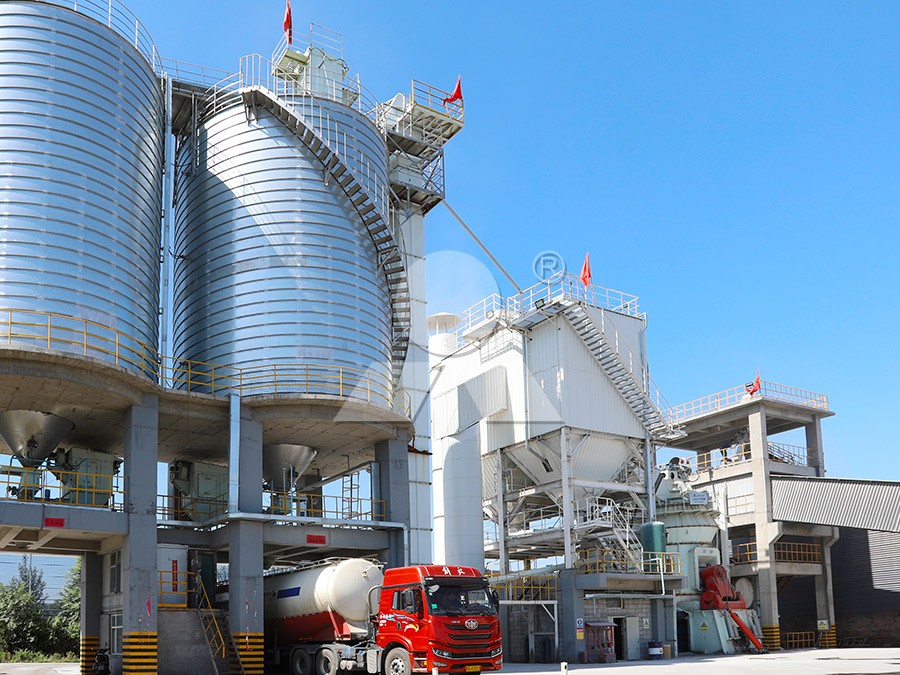
Recommended Products for Cost-Effective Grinding
Based on current market demands for ultra-fine powder, environmental compliance, and energy efficiency, I strongly recommend looking at the MW Ultrafine Grinding Mill. It solves the problems of low yield and high energy consumption found in traditional jet and ball mills. With an input size of 0-20 mm, a capacity of 0.5-25 tph, and the ability to adjust fineness between 325-2500 mesh (d97≤5μm), it is the workhorse for high-value materials. For larger capacity needs (5-18 tph) with the benefits of vertical mill technology, the LUM Ultrafine Vertical Grinding Mill is an excellent choice, especially for its stable operation and multi-head powder separating technology.
Conclusion
The price of a Liaoning Raymond mill is a reflection of its capabilities, durability, and the technology it uses. By focusing on total cost of ownership, material characteristics, and the reliability of the manufacturer, you can make an informed decision that pays off for years. Do not just buy a mill; invest in a solution.
Frequently Asked Questions (FAQs)
Q1: Why are Liaoning Raymond mills generally cheaper than European or American brands?
This is often due to lower labor costs and a robust local supply chain for raw materials in Liaoning. However, price differences are narrowing as Chinese manufacturers like LIMING invest heavily in digitalized processing and proprietary German and Taiwanese technologies. You are now getting world-class technology at a competitive price point.
Q2: Can I use a standard Raymond mill to grind materials for the pharmaceutical industry?
Generally, no. Standard Raymond mills are great for cement, coal, and construction materials. For pharmaceuticals, cosmetics, and high-purity paint, you need a mill that guarantees low iron content and strict particle size distribution. The MW Ultrafine Grinding Mill is designed specifically for these high-value applications, ensuring purity and precise fineness.
Q3: How important is the “pulse dust collector” feature for the overall price?
It adds a noticeable cost to the machine, but it is very important. Without it, you will need to invest in expensive external dust collection systems or face fines for environmental violations. The integrated pulse collector in our MW series makes the entire system eco-friendly and compliant, which saves you money on auxiliary equipment and legal compliance.
Q4: What is the typical lifespan of the grinding rollers and rings in a modern mill?
This depends on the material you grind. For limestone, a well-made wear-resistant alloy roller (like the ones used in our MTW European mills) can last 1.5 to 2 times longer than traditional high-manganese steel. The key is to look for mills with reversible structures or split parts to extend the service life of these high-wear components.
Q5: Is it cheaper to buy a single mill or an integrated system that includes crushing, drying, and grinding?
While a single mill has a lower sticker price, an integrated system like the LM Vertical Grinding Mill is more cost-effective in the long run. It reduces the footprint by 50% compared to a ball mill system and lowers energy consumption by 30-40%. You also save on the cost of separate conveyors, elevators, and dryers.
Q6: How do I verify the claimed capacity of a Raymond mill before purchasing?
You should always ask for a test run with your specific material. A reliable supplier like LIMING will have testing facilities to process your sample and provide a report on the actual capacity and fineness achieved. Do not rely solely on theoretical data sheets.
Q7: What routine maintenance is required for an ultrafine grinding mill?
The beauty of modern designs like the MW series is that they have no rolling bearings or screws in the grinding chamber, which eliminates the biggest maintenance headache. The main routine tasks are checking the external lubrication system (which can be done without stopping the machine), inspecting the pulse collector bags, and monitoring the wear on the roller shells every few months.