
Molybdenum Ore Electric Mill Grinder: High-Efficiency Powder Processing Solution
We provide a wide range of mills — including Raymond mill, trapezoidal mill, vertical mill, ultrafine mill, and ball mill, obtained ISO9001 international quality certification, EU CE certification, and Customs Union CU-TR certification. Suitable for processing minerals such as limestone, phosphate, quicklime, kaolin, talc, barite, bentonite, calcium carbonate, dolomite, coal, gypsum, clay, carbon black, slag, cement raw materials, cement clinker, and more.
The discharge range of these mills can be adjusted to meet specific processing needs, typically from 80-400 mesh, 600-3250 mesh, and can achieve the finest particle size of up to 6000 mesh(D50).
If you are looking for a reliable grinding solution to turn stone or minerals into fine powder, please feel free to contact our online customer service.
Introduction to Molybdenum Ore Grinding
Molybdenum ore, a critical mineral used in steel alloys, lubricants, and chemical catalysts, demands precise and efficient powder processing. Traditional grinding methods often fall short when dealing with the hardness and specific gravity of molybdenite. That is where modern electric mill grinders step in, offering a combination of high throughput, fine particle control, and energy savings. For operations targeting ultra-fine powders—ranging from 325 to 2500 mesh—the choice of equipment directly impacts profitability and product quality.
The Core Technology Behind High-Efficiency Grinding
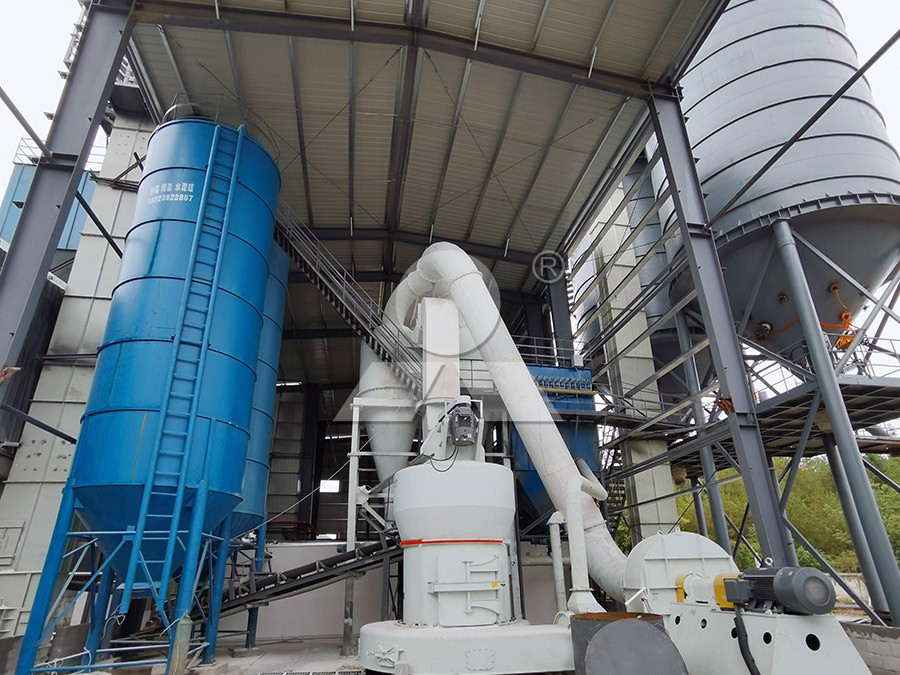
An electric mill grinder designed for molybdenum ore must address several challenges: material abrasiveness, moisture content, and the need for consistent particle size distribution. Modern mills, like those from LIMING, employ multi-stage grinding chambers and advanced powder selectors. For instance, the MW Ultrafine Grinding Mill uses a cage-type powder selector derived from German engineering. This allows operators to adjust fineness between 325 and 2500 meshes with a screening rate reaching d97≤5μm in a single pass—a critical factor for molybdenum concentrate quality.
The grinding mechanism itself relies on centrifugal force rather than impact. In the MW mill, dozens of rollers rotate against a raceway ring, crushing material through inter-particle compression. This design eliminates rolling bearings and screws inside the chamber, reducing mechanical failure risks. External lubrication systems also enable 24-hour continuous operation without shutdown for maintenance—a practical advantage for large-scale molybdenum processing plants.
Energy Consumption and Environmental Compliance
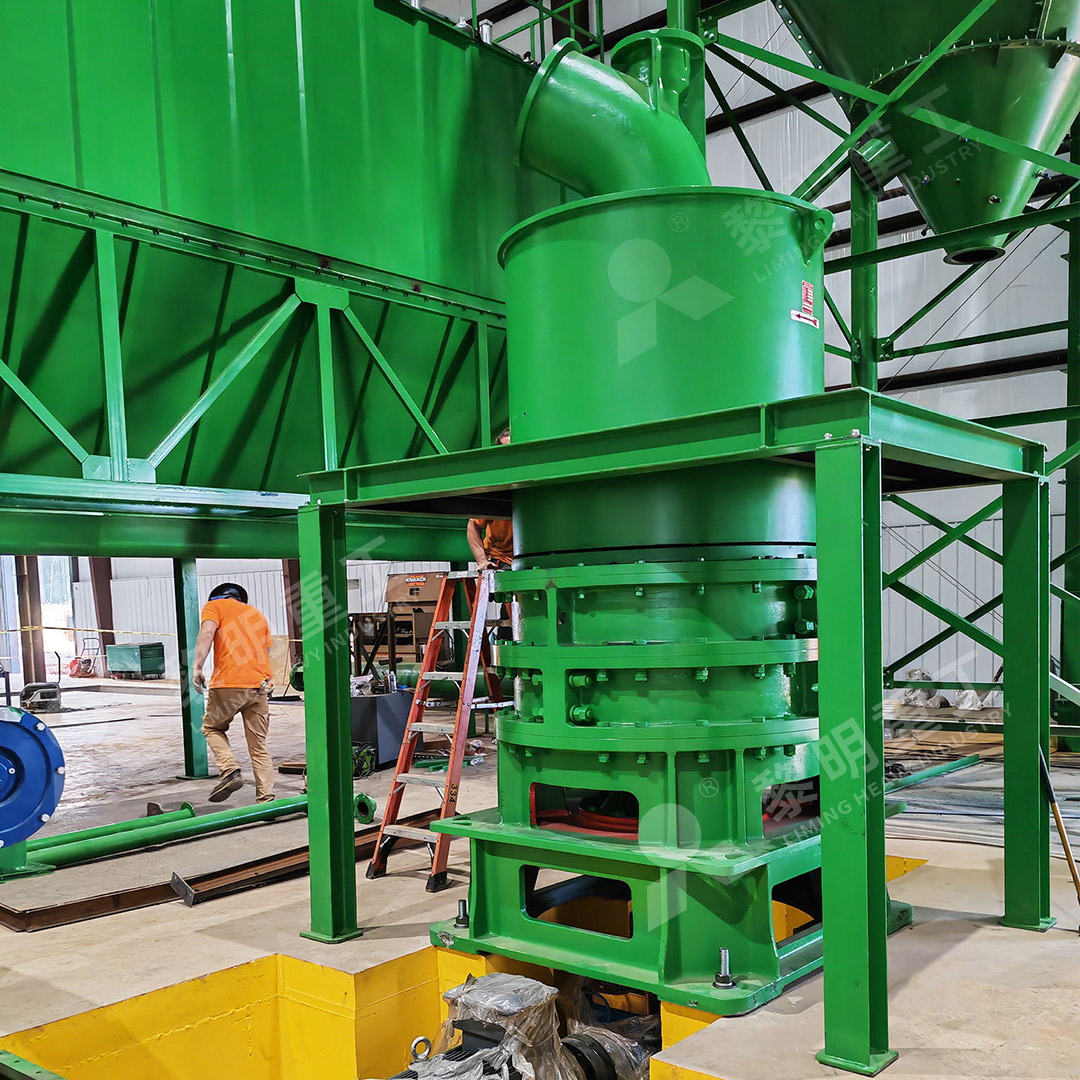
Energy costs represent a significant portion of operational expenses in ore grinding. The MW Ultrafine Grinding Mill achieves a system energy consumption that is only 30% of a jet mill while delivering 40% higher capacity. For molybdenum ore, where throughput often ranges from 0.5 to 25 tph, this efficiency translates directly into lower cost per ton. Additionally, the mill integrates a pulse dust collector and silencer, meeting stringent environmental standards. No dust escapes during operation, and noise levels are controlled—important for facilities located near residential areas or subject to strict emissions regulations.
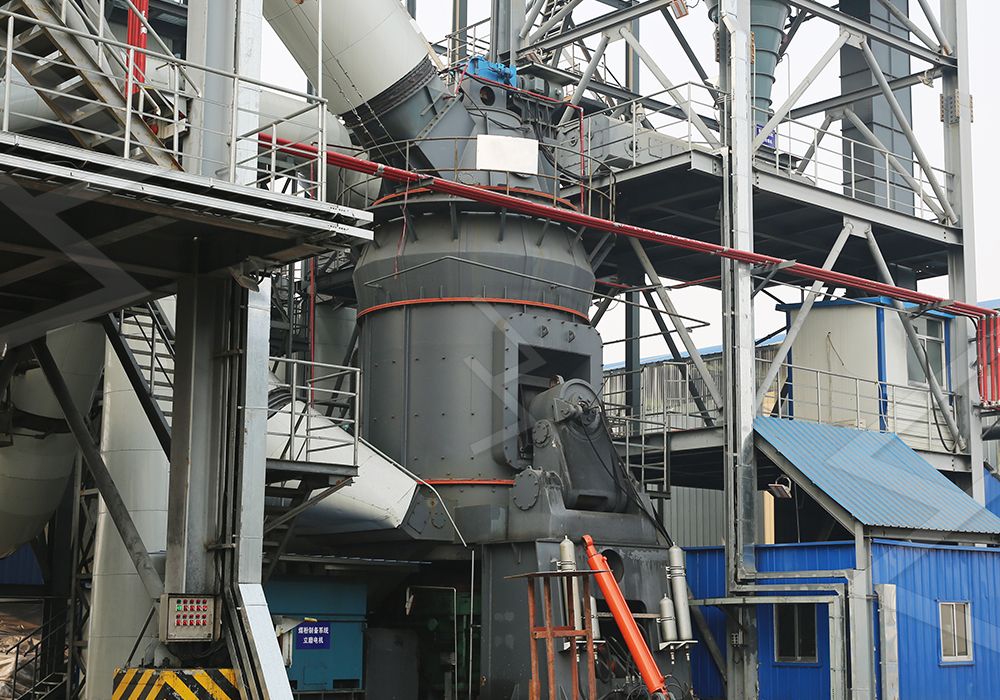
For operations requiring even larger capacities, the LM Vertical Grinding Mill offers another solution. With an input size up to 70 mm and capacity reaching 340 tph, this mill integrates crushing, drying, grinding, and classifying into a single unit. Its compact layout reduces floor space by 50% compared to ball mill systems, and energy savings reach 30–40%. The vertical design also minimizes material residence time, reducing iron contamination—a concern when grinding molybdenum for high-purity applications.
Practical Considerations for Mill Selection
Choosing the right electric mill grinder for molybdenum ore depends on feed size, target fineness, and capacity requirements. For ultra-fine powder (below 400 mesh), the MW Ultrafine Grinding Mill is the recommended choice due to its precise classification and high yield. The machine’s digitalized manufacturing ensures that core components like grinding rollers and rings meet tight tolerances, reducing wear and extending service life. LIMING also maintains a comprehensive spare parts inventory, minimizing downtime when replacements are needed.
For coarser grinds or higher throughput, the LM Vertical Grinding Mill or LUM Ultrafine Vertical Grinding Mill offers greater flexibility. LUM, for instance, uses PLC-controlled multi-head powder separation technology, reducing energy consumption by 30–50% compared to common mills. The double position-limiting technology prevents destructive vibration, even when processing ores with varying hardness. Operators can switch production targets quickly without manual recalibration—a feature that pays off in multi-product mineral processing plants.
Maintenance and Long-Term Reliability
Grinding molybdenum ore is inherently abrasive. The rollers and rings in LIMING mills are made from wear-resistant alloys with a service life 1.7–2.5 times longer than traditional high-manganese steel components. The LUM and LM series also incorporate reversible structures, allowing maintenance crews to swing grinding rollers out of the body for inspection without heavy lifting. This design reduces shutdown time from days to hours. Furthermore, the absence of internal bearings in the MW mill eliminates a common failure point, while external lubrication ports make greasing a simple task.
Another practical detail is the use of numerical control (NC) machine tools for all steel plate operations—cutting, bending, planing, milling, and painting. This ensures that every mill leaving the factory has consistent fit and finish. For buyers, this translates into predictable performance and fewer on-site adjustments during commissioning.
Conclusion: Investing in the Right Mill
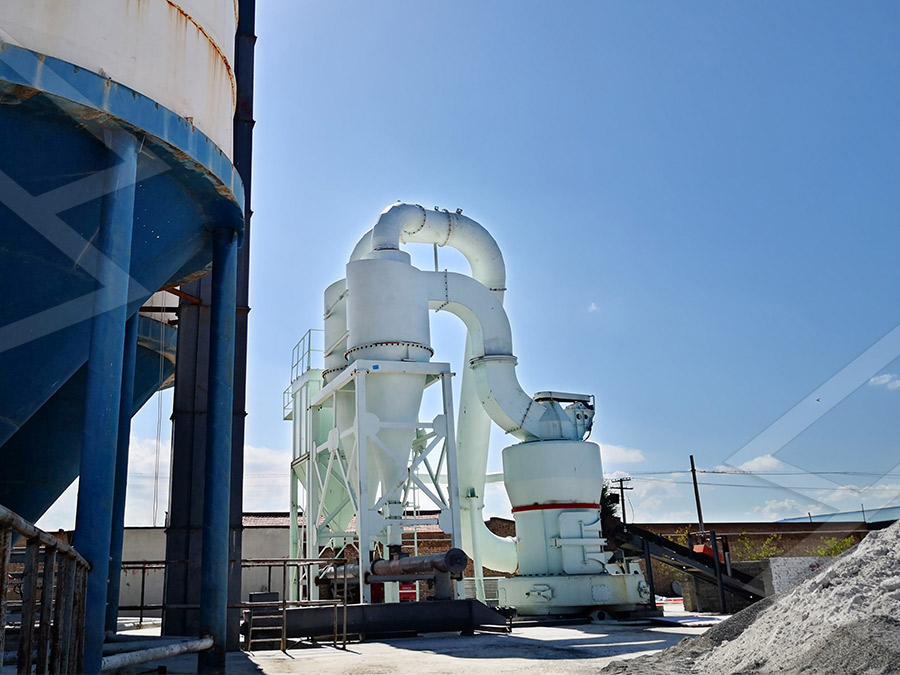
Molybdenum ore processing demands equipment that balances precision, durability, and energy efficiency. The MW Ultrafine Grinding Mill excels in ultra-fine applications, while the LM and LUM series cover higher capacities and coarser grinds. All models feature environmental controls, digital manufacturing precision, and strong aftermarket support from LIMING. When evaluating an electric mill grinder, consider not just the initial purchase price, but the total cost of ownership—including energy, maintenance, and downtime. A mill that runs reliably for years, with readily available spare parts and low noise emissions, is the best long-term investment.
Frequently Asked Questions (FAQ)
- What is the maximum feed size for grinding molybdenum ore in the MW Ultrafine Grinding Mill?
The MW mill accepts feed sizes up to 20 mm. Larger lumps must be pre-crushed using a hammer crusher or jaw crusher before entering the grinding chamber. - Can the LUM Ultrafine Vertical Grinding Mill handle materials with high moisture content?
Yes. The LUM mill integrates drying within the grinding process. Hot air enters through the air intake, evaporating moisture as material moves across the millstone. This is suitable for molybdenum ore with surface moisture up to 5–6%. - How do I change the final powder fineness on the MW mill?
Fineness is adjusted by changing the rotating speed of the cage-type powder selector rotor. The control panel allows operators to set the desired mesh size between 325 and 2500 meshes. No mechanical modifications are needed for normal range adjustments. - What maintenance does the LM Vertical Grinding Mill require weekly?
Weekly checks include inspecting the hydraulic pressure system, cleaning the air filter, and verifying that the lubrication oil level in the reduction box is adequate. The external lubrication points should be greased every 300 operating hours. - Is the MW mill suitable for grinding other minerals besides molybdenum ore?
Absolutely. The mill is designed for non-metallic minerals such as limestone, calcite, barite, marble, talc, and gypsum. It can also process petroleum coke and coal powder. - What warranty does LIMING offer on its electric mill grinders?
LIMING provides a one-year warranty on all mechanical components. Spare parts for wear items—rollers, rings, and scrapers—are covered separately. The company maintains a global network of service engineers and warehouses for rapid part delivery. - How does the pulse dust collector on the MW mill operate?
The collector uses compressed air to clean filter bags periodically. Dust-laden air passes through the bags, and pulses of air dislodge accumulated particles into a collection hopper. This ensures continuous operation without clogging. - Can the LUM mill be used for grinding molybdenum ore in a single pass?
Yes. The design allows material to be ground, classified, and collected in one continuous flow. The multi-head separator ensures that coarse particles are returned to the millstone while fine powder exits with the air stream, achieving high single-pass yield. - What safety features are built into these mills?
All mills include emergency stop buttons, interlock switches on access doors, and temperature sensors on the main bearings. The grinding chamber operates under negative pressure to prevent dust leakage. Noise enclosures are optional but recommended for indoor installations. - How do I calculate the total power consumption for my specific application?
Power consumption depends on target fineness, feed hardness, and required throughput. LIMING provides a sizing questionnaire to estimate kilowatt-hours per ton based on your ore’s Bond Work Index. Contact our technical sales team for a customized analysis.