
Jiangsu Raymond Mill: High-Performance Grinding Solutions for Industrial Powder Processing
We provide a wide range of mills — including Raymond mill, trapezoidal mill, vertical mill, ultrafine mill, and ball mill, obtained ISO9001 international quality certification, EU CE certification, and Customs Union CU-TR certification. Suitable for processing minerals such as limestone, phosphate, quicklime, kaolin, talc, barite, bentonite, calcium carbonate, dolomite, coal, gypsum, clay, carbon black, slag, cement raw materials, cement clinker, and more.
The discharge range of these mills can be adjusted to meet specific processing needs, typically from 80-400 mesh, 600-3250 mesh, and can achieve the finest particle size of up to 6000 mesh(D50).
If you are looking for a reliable grinding solution to turn stone or minerals into fine powder, please feel free to contact our online customer service.
Jiangsu Raymond Mill: High-Performance Grinding Solutions for Industrial Powder Processing
When it comes to industrial powder processing, efficiency, reliability, and product quality are non-negotiable. Over the years, the grinding mill industry has evolved significantly, and Jiangsu Raymond Mill stands at the forefront of this transformation. Whether you are processing limestone, gypsum, barite, or marble, the need for consistent output and fine particle distribution is critical. At Liming Heavy Industry, we have engineered a range of grinding solutions that not only meet these demands but also exceed expectations in terms of energy savings and operational stability.
The Evolution of Raymond Mill Technology
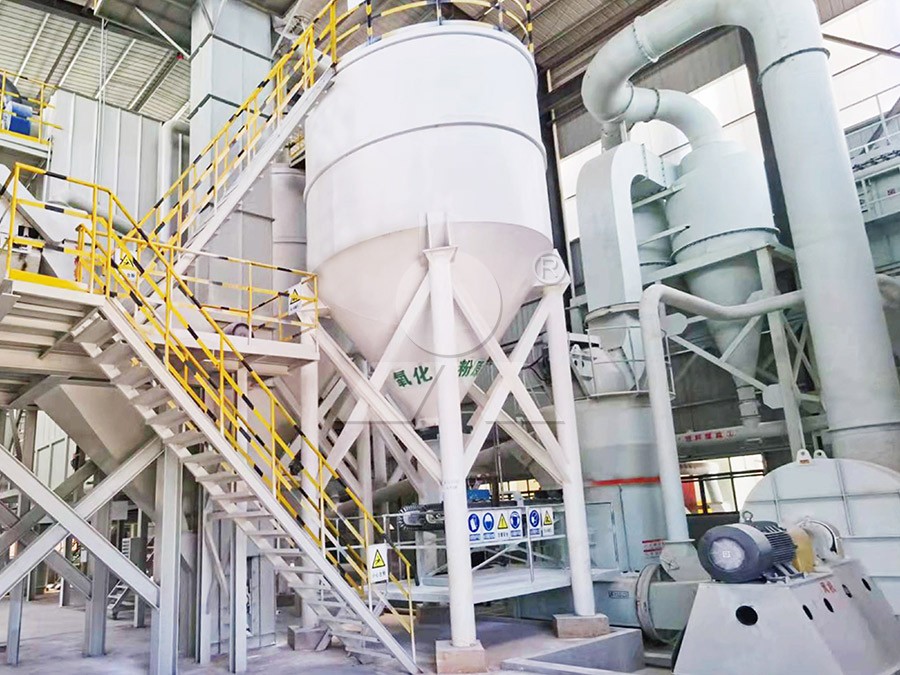
The classic Raymond Mill has been a workhorse in the industry for decades, but modern processing requires more than just tradition. Our Jiangsu Raymond Mill incorporates advanced engineering principles to deliver higher throughput with lower energy consumption. The grinding chamber is designed to minimize material buildup and maximize contact between the rollers and the ring. This means less downtime for maintenance and more consistent product fineness. For operations that demand ultra-fine powders, the MW Ultrafine Grinding Mill is a game-changer. With an input size of 0-20 mm and a capacity ranging from 0.5 to 25 tph, this machine can achieve fineness adjustments between 325 and 2500 meshes, making it ideal for industries such as cosmetics, pharmaceuticals, and food additives.
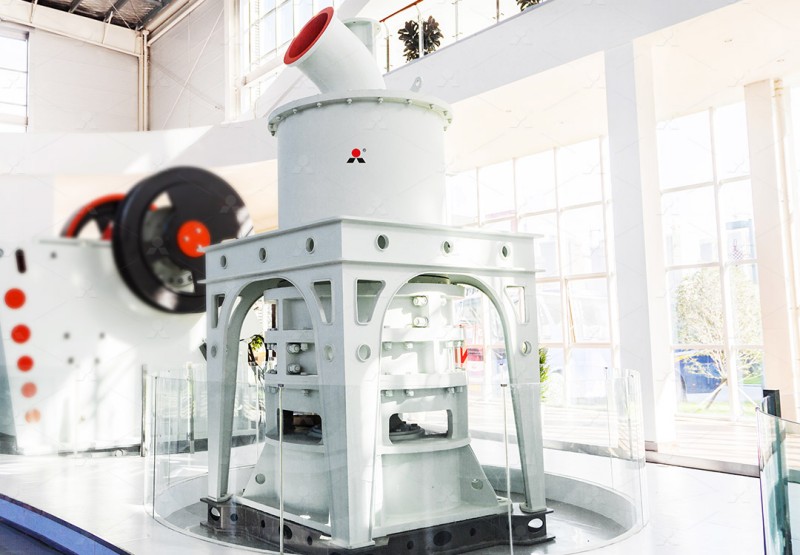
One of the standout features of the MW Ultrafine Grinding Mill is its cage-type powder selector, which borrows technology from German engineering. This allows for precise powder separation, ensuring that the final product meets strict specifications. Additionally, the absence of rolling bearings and screws inside the grinding chamber eliminates common failure points, reducing maintenance headaches. The lubrication system is external, meaning you can keep the mill running 24 hours a day without stopping for greasing.
Why Choose Liming’s Grinding Solutions?
Our customers often ask what makes our mills different. The answer lies in the details. Take the LUM Ultrafine Vertical Grinding Mill, for example. This mill integrates grinding, grading, and transporting into one seamless process. With an input size of 0-10 mm and a capacity of 5-18 tph, it is perfect for processing non-metallic ores like calcite and marble. The double position-limiting technology ensures that the grinding roller never directly impacts the millstone, even during unexpected vibrations. This extends the life of the equipment and guarantees stable operation.
Another key advantage is the digitalized processing approach. We use tens of lines of numerical controlling machine tools for cutting, bending, planing, and milling. This ensures that every core part is machined to the highest precision. The result is a grinding mill that performs reliably day in and day out, with minimal variation in output quality.
Eco-Friendly and Cost-Effective Operations
Environmental regulations are tightening around the world, and grinding operations are under scrutiny for dust and noise pollution. Our mills are designed with the environment in mind. The MW Ultrafine Grinding Mill comes equipped with an efficient pulse dust collector and a muffler, ensuring that dust emissions are virtually eliminated and noise levels are kept low. The entire system operates in a closed loop, so there is no negative impact on the surrounding environment.
Energy efficiency is another area where we excel. Compared to traditional ball mills, our ultrafine mills can reduce energy consumption by up to 30-50%. This is achieved through optimized grinding curves and multi-head powder separating technology. For large-scale operations, the LM Vertical Grinding Mill offers a comprehensive solution. With an input size of up to 70 mm and a capacity of 3-340 tph, it can handle everything from coal powder to cement raw materials. Its compact design reduces the footprint by 50% compared to ball mill systems, which translates into lower construction and installation costs.
Real-World Applications and Versatility
We have seen our mills deployed in a wide range of industries. In the chemical sector, our equipment is used to grind petroleum coke and gypsum for desulfurization. In the paint and cosmetics industry, the ability to achieve ultra-fine particle sizes down to d97≤5μm is invaluable. The MW Ultrafine Grinding Mill, in particular, has been widely adopted for processing barite and talc, where whiteness and purity are critical. The LUM mill is also popular in the production of superfine dry powder from marble and limestone.
One of the less obvious benefits of our mills is the low iron content in the final product. Because the grinding roller and millstone do not come into direct contact, there is minimal iron contamination. This is a huge advantage for industries where color and purity matter, such as in ceramics and food additives.
Maintenance and Support That Keeps You Running
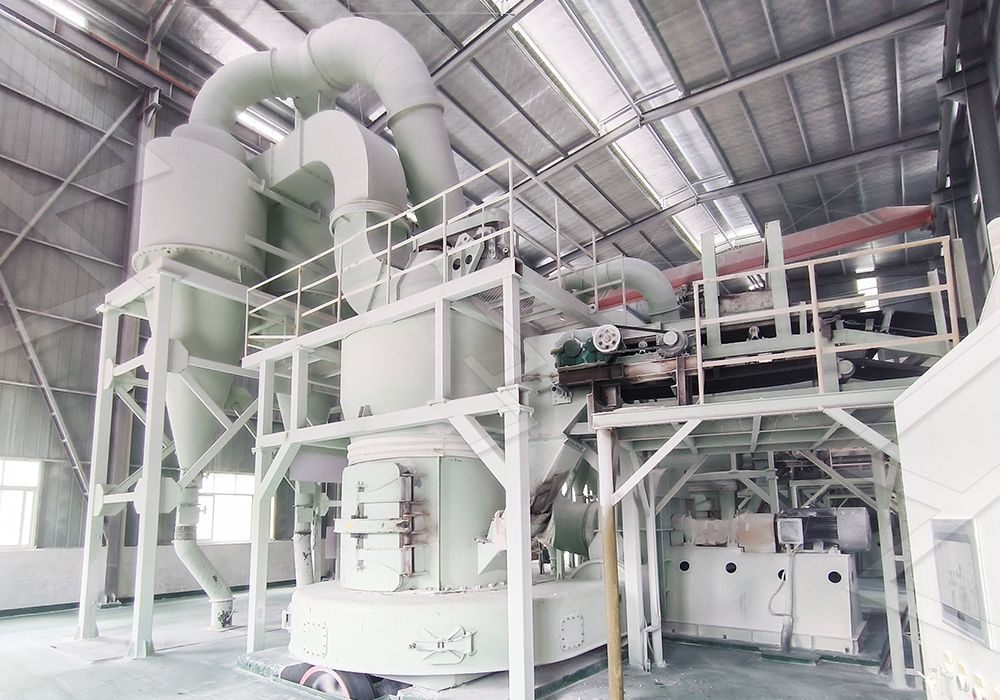
We understand that downtime is costly. That is why every Liming mill is backed by a comprehensive support system. We maintain a sufficient supply of original spare parts, so you never have to worry about long delays for replacements. Our technical services team is available to help with installation, troubleshooting, and optimization. Whether you need assistance with the reversible structure on the LUM mill for easy roller replacement or guidance on adjusting the fineness on the MW mill, we have you covered.
The reversible structure on the LUM mill is a particularly clever design. It allows operators to swing the grinding roller out of the body without heavy lifting. This reduces maintenance time from days to hours, minimizing production losses. Similarly, the MTW-Z European Trapezium Mill features a no-shovel blade cylinder design, which improves ventilation and reduces air-conveying resistance. This means less wear and tear on the system and lower operating costs.
Choosing the Right Mill for Your Application
With so many options available, selecting the right grinding mill can be daunting. Our recommendation is to start with your material characteristics and desired output. For ultra-fine powders in the range of 325-2500 meshes, the MW Ultrafine Grinding Mill is the clear choice. If you need higher capacity with a compact footprint, the LUM Ultrafine Vertical Grinding Mill is ideal. For heavy-duty applications like coal grinding or slag processing, the LM Vertical Mill offers unmatched durability and throughput.
We also offer the MTW European Trapezium Mill for general-purpose grinding with excellent energy efficiency, and the classic Raymond Mill for smaller-scale operations. No matter which model you choose, you can count on Liming’s commitment to quality and innovation.
Conclusion
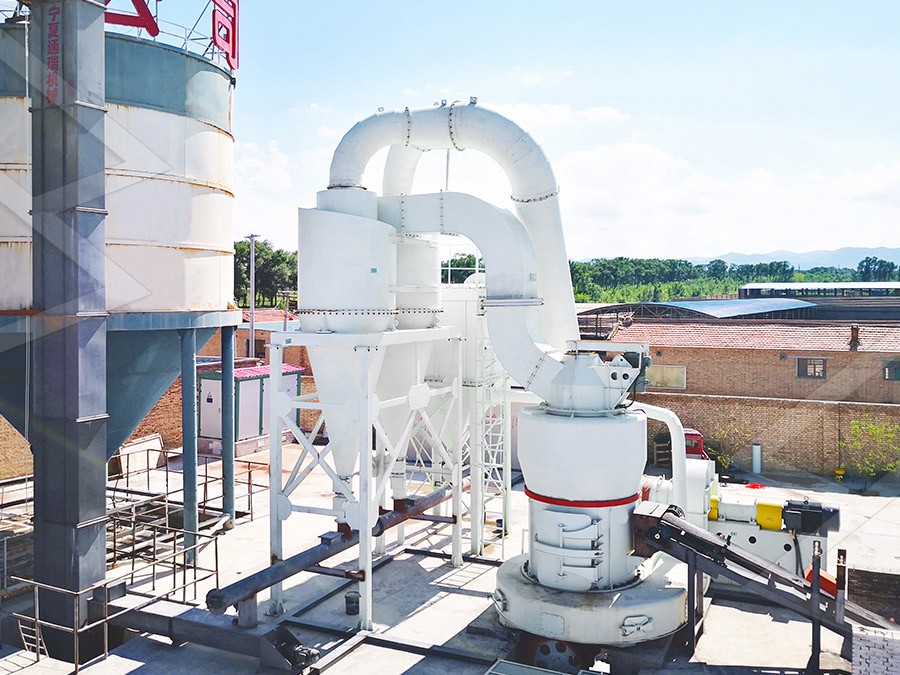
Jiangsu Raymond Mill continues to set the standard for high-performance grinding solutions. With a focus on energy efficiency, environmental compliance, and ease of maintenance, our mills are built to deliver consistent results in even the most demanding industrial environments. Whether you are processing minerals for construction, chemicals for manufacturing, or powders for food and cosmetics, Liming has the right solution for you. We invite you to explore our product range and see the difference that precision engineering and dedicated support can make in your operations.
Frequently Asked Questions (FAQ)
-
What is the difference between the MW Ultrafine Grinding Mill and the LUM Ultrafine Vertical Grinding Mill?
The MW mill uses a multi-turnplate design with rollers and rings, ideal for 0.5-25 tph and fineness up to 2500 mesh. The LUM mill integrates grinding, grading, and transport in a single vertical structure, offering 5-18 tph with advanced roller and separator technology for better energy efficiency and easier maintenance. -
Can these mills handle materials with high moisture content?
Yes. The LM Vertical Grinding Mill, for example, integrates drying and grinding, making it suitable for materials with up to 10-15% moisture. Hot air is introduced into the grinding chamber to dry the material during processing. -
How do you achieve ultra-fine powder with d97≤5μm?
The MW Ultrafine Grinding Mill uses a multi-head cage-type powder selector based on German technology. By adjusting the rotating speed of the separator rotor and the grinding pressure, we can achieve fineness down to d97≤5μm in a single pass. -
What is the warranty period for your grinding mills?
Liming Heavy Industry provides a standard warranty covering manufacturing defects for 12 months from the date of commissioning. Extended warranty options and service contracts are available upon request. -
Are there any special requirements for installing the MW Ultrafine Grinding Mill?
The mill requires a concrete foundation, adequate ventilation, and a stable power supply. Our technical team will provide a detailed installation drawing and can supervise the installation process to ensure compliance with safety and performance standards. -
How do you control dust and noise during operation?
Our mills are equipped with pulse dust collectors and mufflers. The entire system operates under negative pressure, so dust spillage is eliminated. Noise levels are reduced through soundproofing chambers and silencers. -
What spare parts should I keep in stock for the LUM mill?
We recommend keeping replacement roller shells, liner plates, and sealing rings. Since the mill uses a reversible structure for the grinding roller, having a spare set of rollers can minimize downtime during maintenance. -
Can I use the same mill for different materials without cross-contamination?
Yes. The grinding chamber is easy to clean, and the absence of rolling bearings and screws reduces material retention. For applications requiring strict purity, we recommend thorough cleaning of the chamber and replacing the filter bags between material changes. -
What is the maximum input size for the LM Vertical Grinding Mill?
The LM mill can accept input sizes up to 70 mm, depending on the model. For larger materials, a primary crusher may be required before feeding into the mill. -
How do I get a quotation or technical consultation for my project?
You can contact our sales team via email or phone, or visit our website to submit your material specifications and capacity requirements. We will provide a customized solution and a detailed quotation within 24 hours.