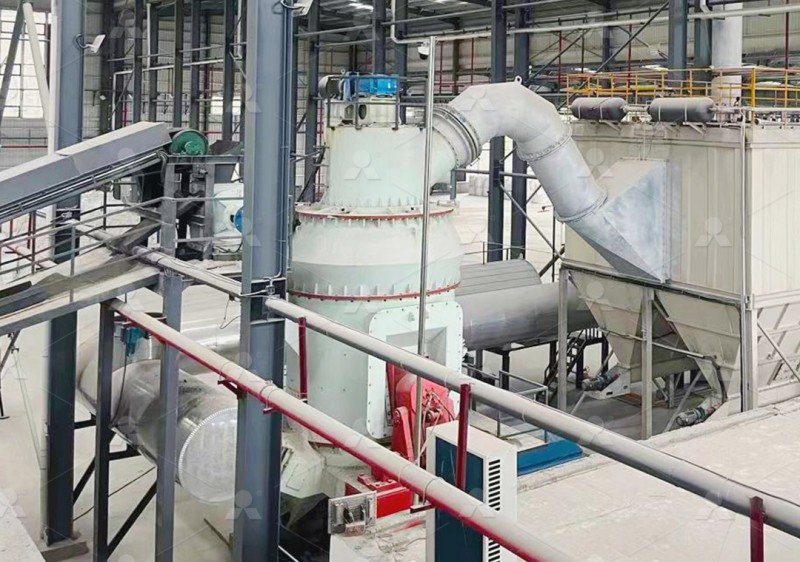
Efficient Ultra-Fine YGM65 Vertical Mill from China Liming – Models & Applications
We provide a wide range of mills — including Raymond mill, trapezoidal mill, vertical mill, ultrafine mill, and ball mill, obtained ISO9001 international quality certification, EU CE certification, and Customs Union CU-TR certification. Suitable for processing minerals such as limestone, phosphate, quicklime, kaolin, talc, barite, bentonite, calcium carbonate, dolomite, coal, gypsum, clay, carbon black, slag, cement raw materials, cement clinker, and more.
The discharge range of these mills can be adjusted to meet specific processing needs, typically from 80-400 mesh, 600-3250 mesh, and can achieve the finest particle size of up to 6000 mesh(D50).
If you are looking for a reliable grinding solution to turn stone or minerals into fine powder, please feel free to contact our online customer service.
Efficient Ultra-Fine YGM65 Vertical Mill from China Liming – Models & Applications
When you are in the business of fine powder processing, every decision about grinding equipment carries weight. Choosing the right mill can mean the difference between a profitable operation and one that bleeds resources. For those who need ultra-fine powders in the range of 325 to 2500 mesh, Liming Heavy Industry offers a range of solutions, but one model stands out for its compact design and solid performance: the YGM65 Ultra-Fine Vertical Mill. However, as we explore this topic, we must look at the broader family of ultra-fine vertical mills from Liming, including the MW and LUM series, to understand the options and make an informed choice.
Let’s be clear: not all ultra-fine mills are created equal. The YGM65, while efficient, is part of a portfolio that includes the MW Ultrafine Grinding Mill and the LUM Ultrafine Vertical Grinding Mill. These machines are designed for different scales and applications, and understanding their nuances is key.
The Workhorse: MW Ultrafine Grinding Mill for High-Volume Ultra-Fine Output
If your operation demands consistent, high-yield ultra-fine grinding with minimal environmental impact, the MW Ultrafine Grinding Mill is a strong candidate. It handles an input size of 0-20 mm and delivers a capacity of 0.5-25 tph. What sets it apart is the combination of German powder-selection technology and a grinding chamber free of rolling bearings and screws. This design eliminates common maintenance headaches like bearing seal failures or loose screws causing damage.
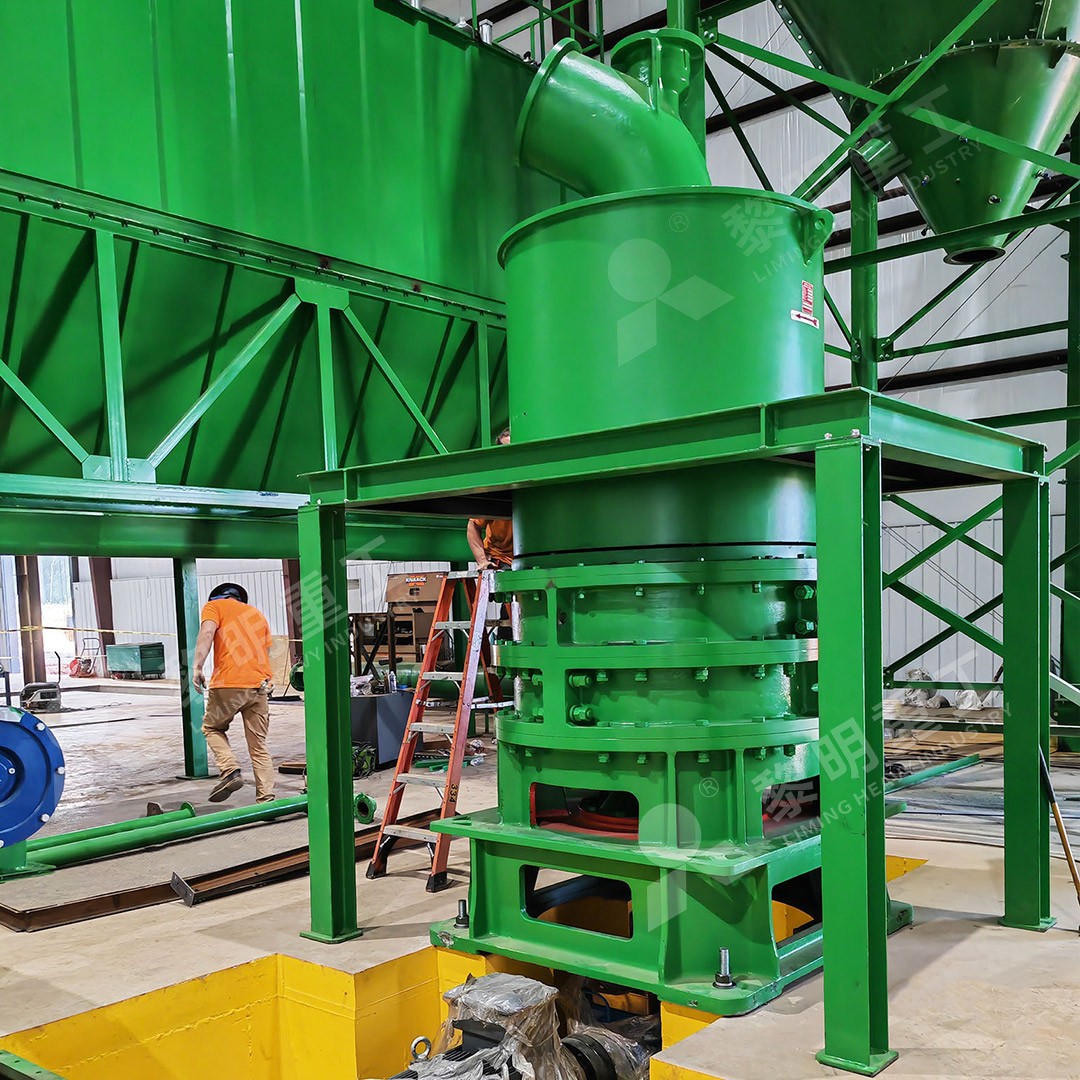
The MW mill is equipped with an efficient pulse dust collector and a muffler, making it suitable for operations where environmental compliance is non-negotiable. The grinding curves of the roller and ring are newly designed to boost efficiency. Compared to jet mills or stirred mills, the MW mill offers 40% higher capacity for the same fineness and power. Against a ball mill, its yield is twice as high, yet system energy consumption is only 30% of a jet mill. The fineness is adjustable between 325 and 2500 mesh, with a screening rate achieving d97≤5μm in a single pass. This is crucial for industries like paint, cosmetics, medicine, and food additives where particle consistency is king.
Precision and Stability: LUM Ultrafine Vertical Grinding Mill for Demanding Applications
For those who need even tighter control over the grinding process, the LUM Ultrafine Vertical Grinding Mill is the next step. Designed with Taiwan grinding roller technology and German powder separation, it integrates grinding, classification, and transport in one unit. Input size is 0-10 mm, and capacity ranges from 5-18 tph. The LUM mill features double position-limiting technology—both electronic and mechanical—to prevent destructive impacts from vibration, such as the roller smashing the millstone. This is a direct response to the problems found in traditional mills where long material linger time leads to high iron content and poor whiteness.
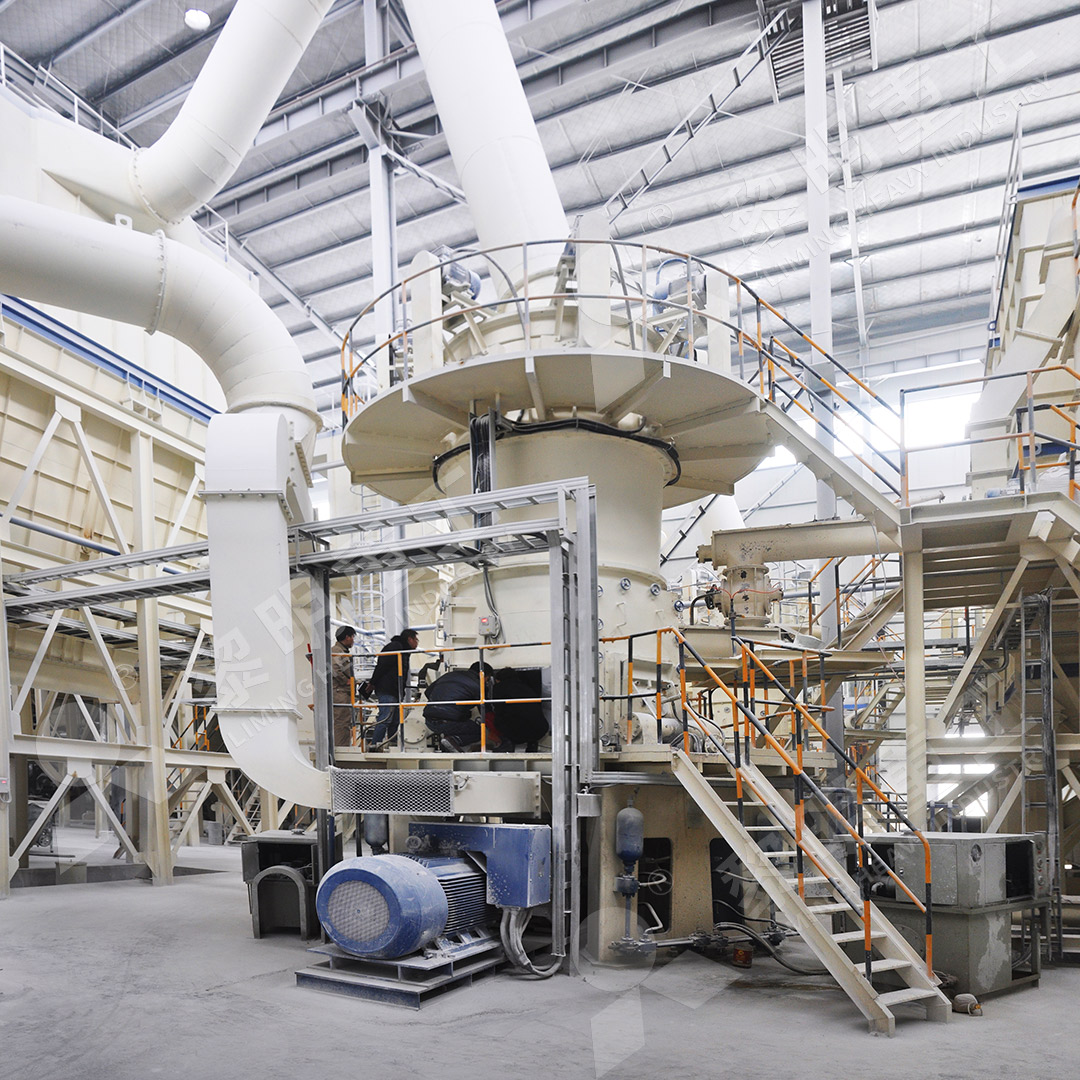
The unique reversible structure allows operators to swing out the heavy roller for inspection and replacement of the shell and liner plate without long shutdowns. The PLC control system and multi-head powder separation technology solve the dual challenges of high-precision powder diameter cutting and fast switching between production demands. Energy consumption is reduced by 30%-50% compared to common mills. This makes the LUM mill ideal for superfine dry powders of non-metal ores like calcite, marble, talc, barite, and dolomite.
Comparing the Core Models: YGM65, MW, and LUM
While the YGM65 fits a specific niche for medium-scale ultra-fine production, the MW and LUM mills represent the cutting edge for higher volumes and more stringent quality requirements. The key differentiators are in the powder selection technology and the grinding mechanism. The MW mill uses a cage-type powder selector with German influence, while the LUM mill takes it a step further with multi-head separation and a fully reversible roller structure. Both avoid the common pitfalls of traditional mills—high iron content, repeated grinding, and difficult maintenance.
Our recommendation for most ultra-fine applications in the 0.5-25 tph range is the MW Ultrafine Grinding Mill. For operations requiring even finer tolerances and higher reliability under variable loads, the LUM Ultrafine Vertical Grinding Mill is unmatched.
Applications Across Industries
These mills are not one-trick ponies. They handle a wide range of materials:
- Minerals: Limestone, calcite, dolomite, barite, marble, talc, gypsum, petroleum coal.
- Industrial Use: Chemical industry, paint, cosmetics, medicine, food additives, power plant desulfurization.
- Construction & Metallurgy: Cement, coal powder, slag, steel plant waste.
The MW mill excels in producing superfine powders for non-metal ores with high whiteness requirements. The LUM mill is preferred when the finished product needs to be free of iron contamination and has a narrow particle size distribution.
Working Principle: How They Achieve Ultra-Fine Grinding
Both the MW and LUM mills operate on a principle of layer grinding. The motor drives the main shaft or millstone, which rotates and moves grinding rollers against a ring. Material is fed to the center and moves outward under centrifugal force, passing through grinding zones where it is crushed and ground. Air flow carries the fine particles upward. The powder selector (cage-type in MW, multi-head in LUM) separates coarse particles and sends them back for regrinding. Fine powder exits with the air and is collected in a cyclone or pulse collector. The system is closed-loop, with the air being recycled after purification.
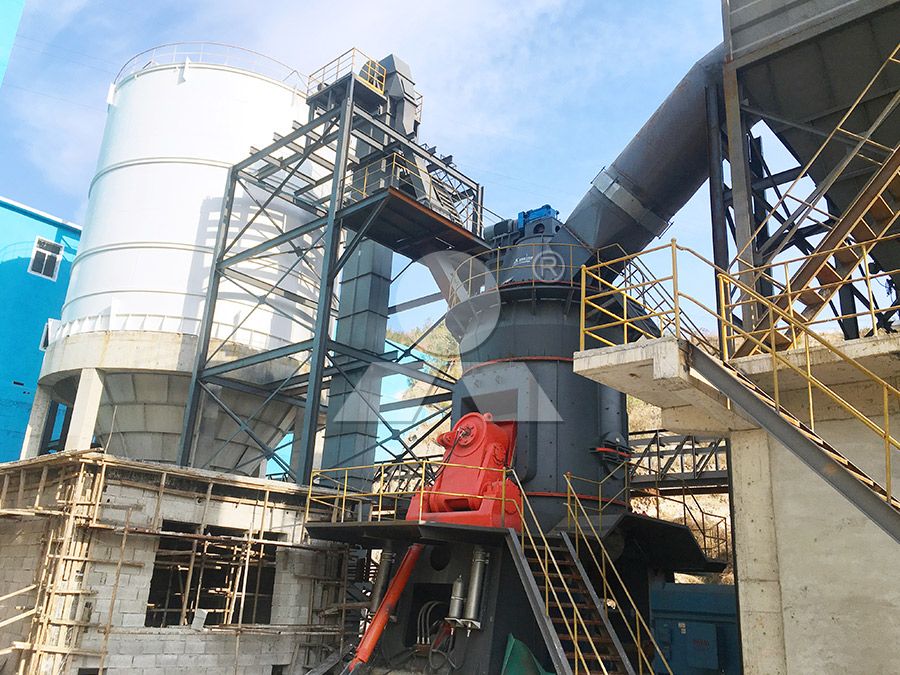
A critical point is that there are no rolling bearings or screws in the grinding chamber of the MW mill. This eliminates the risk of bearing failure or screw loosening. The lubricating device is external, allowing for 24-hour continuous operation without shutdown for lubrication.
Digital Precision and After-Sales Support
Both the MW and LUM mills benefit from Liming’s digitalized processing. Operations like cutting, bending, planing, milling, and paint spraying are numerically controlled, ensuring high precision for core parts like the grinding roller and ring. This translates to consistent mill performance and longer service life for wear parts. Liming also guarantees a sufficient supply of original spare parts and technical services, so your operation runs without long interruptions.
FAQ
- What is the maximum input size for the MW Ultrafine Grinding Mill? The maximum input size is 20 mm.
- Can the MW mill handle materials with high moisture content? Yes, but it is recommended to pre-dry materials if moisture exceeds 10%, as the mill is primarily designed for dry grinding. The system can handle some moisture through hot air if configured.
- What is the fineness range of the LUM Ultrafine Vertical Grinding Mill? The LUM mill can achieve a fineness range of 325 to 2500 mesh, with a screening rate of d97≤5μm achievable in one pass depending on material.
- How does the MW mill reduce environmental pollution? It is equipped with a pulse dust collector that captures fine dust, and a muffler to reduce noise. The entire system operates under negative pressure to prevent dust leakage.
- Is the LUM mill difficult to maintain? No. The reversible structure allows the grinding roller to be swung out of the body entirely for easy inspection and replacement of the roller shell and liner plate, reducing downtime.
- What materials are not suitable for these ultra-fine vertical mills? Materials with a Mohs hardness above 9 or moisture above 10% may cause excessive wear or operational issues. Highly flammable or explosive materials should also be avoided without special safety configurations.
- Can I use the MW mill for both coarse and ultra-fine grinding? The MW mill is optimized for ultra-fine grinding (325-2500 mesh). For coarser grinding, other models like the LM Vertical Mill or MTW European Mill are more suitable.
- How long does it take to achieve stable production after startup? Typically, the mill reaches stable output within 15-30 minutes after startup, depending on material characteristics and system tuning.
- What spare parts should I keep in stock? Key spare parts include grinding roller shells, grinding rings, powder selector blades, and seals. Liming can provide a recommended spare parts list based on your specific model and material.
- Does Liming provide on-site installation and training? Yes. Liming offers on-site installation supervision, commissioning, and operator training as part of the purchase agreement for most models.