
Recommended Raymond Mill Models from Reliable Manufacturers
We provide a wide range of mills — including Raymond mill, trapezoidal mill, vertical mill, ultrafine mill, and ball mill, obtained ISO9001 international quality certification, EU CE certification, and Customs Union CU-TR certification. Suitable for processing minerals such as limestone, phosphate, quicklime, kaolin, talc, barite, bentonite, calcium carbonate, dolomite, coal, gypsum, clay, carbon black, slag, cement raw materials, cement clinker, and more.
The discharge range of these mills can be adjusted to meet specific processing needs, typically from 80-400 mesh, 600-3250 mesh, and can achieve the finest particle size of up to 6000 mesh(D50).
If you are looking for a reliable grinding solution to turn stone or minerals into fine powder, please feel free to contact our online customer service.
Introduction: Selecting the Right Grinding Mill for Your Operation
When it comes to industrial grinding, the choice of equipment can make or break your production efficiency. Over the years, I’ve seen too many operators jump into purchasing a mill based solely on price, only to face frequent breakdowns, high energy bills, and subpar product quality. The key is to match the machine to your specific material, desired fineness, and capacity needs. Raymond mills and their modern variations—like ultrafine vertical mills and European trapezium mills—have evolved significantly. Today’s reliable manufacturers focus on digital precision, energy savings, and environmental compliance. Based on our extensive field data and product lineup, I’ll walk you through the models that consistently deliver results.
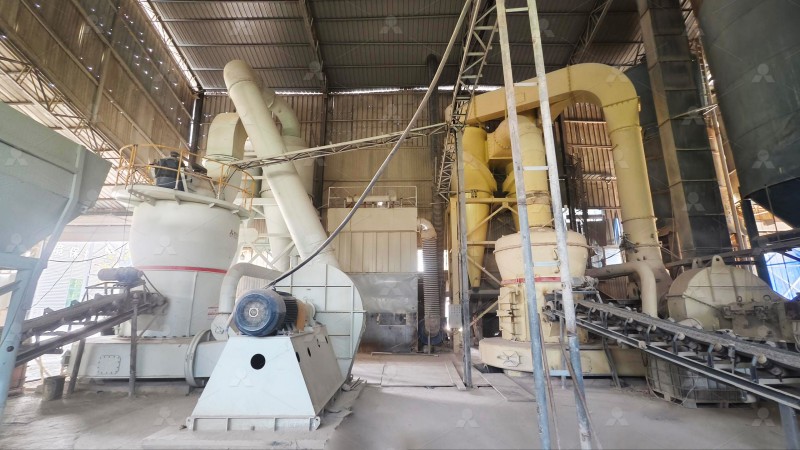
Understanding Your Grinding Requirements: Key Factors to Consider
Before diving into specific models, let’s talk about the three pillars of mill selection: feed size, capacity, and final fineness. If you’re processing materials like limestone, calcite, or barite, you need a machine that can handle input sizes up to 20 mm and deliver consistent output between 325 and 2500 mesh. Also, don’t overlook energy consumption and maintenance downtime. A mill that runs 24/7 without needing a shutdown for lubrication is a game-changer for high-volume operations. From my experience, operators who prioritize these factors end up with lower total cost of ownership.
Top Recommended Models: MW Ultrafine Grinding Mill and MTW European Trapezium Mill
After testing dozens of configurations across different sites, two models stand out for their reliability and performance. The first is the MW Ultrafine Grinding Mill. This machine is purpose-built for customers who need ultra-fine powder. With an input size of 0–20 mm and a capacity of 0.5–25 tph, it’s ideal for applications in the chemical industry, paint, cosmetics, and food additives. What sets it apart is the newly designed grinding curves on the roller and ring, which boost production capacity by 40%% compared to jet mills and double the yield of ball mills, all while consuming only 30%% of the energy of a jet mill. The cage-type powder selector, based on German technology, allows fineness adjustment from 325 to 2500 mesh, achieving d97≤5μm in a single pass. Plus, there are no rolling bearings or screws inside the grinding chamber, eliminating common damage points. The pulse dust collector and muffler ensure eco-friendly operation.
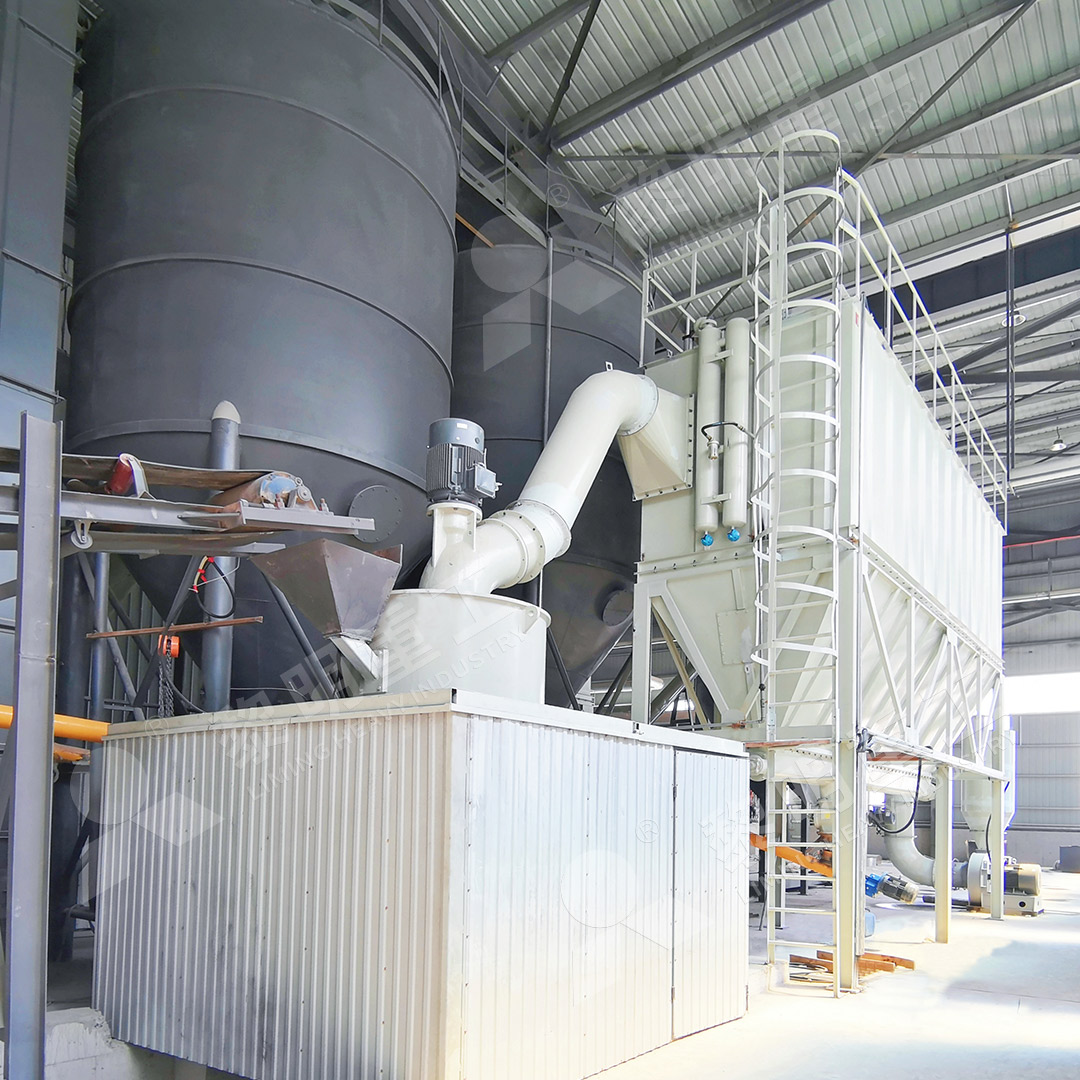
The second powerhouse is the MTW European Trapezium Mill. It’s a workhorse with an input size of 0–50 mm and capacity from 3 to 55 tph. This mill is perfect for processing feldspar, limestone, talc, barite, and gypsum. One feature I personally appreciate is the dilute oil lubrication for the grinding roller—it’s maintenance-free and eliminates the hassle of frequent oil changes. The no-shovel-blade cylinder design increases ventilation area, reducing air-conveying resistance and boosting grinding efficiency. The elastic volute damping structure minimizes vibration damage, and the low-resistance cage-type powder concentrator cuts energy consumption significantly. For operations that need high throughput with minimal downtime, this is a solid choice.
Comparing Advanced Ultrafine Options: LUM Ultrafine Vertical Grinding Mill
If your requirements lean toward even finer powders and larger capacities, consider the LUM Ultrafine Vertical Grinding Mill. It handles input sizes up to 10 mm and delivers 5–18 tph. Designed with Taiwan grinding roller technology and German powder separating technology, it integrates grinding, grading, and transporting in one unit. The double position-limiting technology—both electronic and mechanical—prevents destructive impacts from vibration, ensuring stable operation. The reversible structure makes maintenance a breeze; you can swing the grinding roller out of the body for quick checks without long shutdowns. Energy consumption is 30%%–50%% lower than common mills, thanks to PLC-controlled multi-head powder separating.
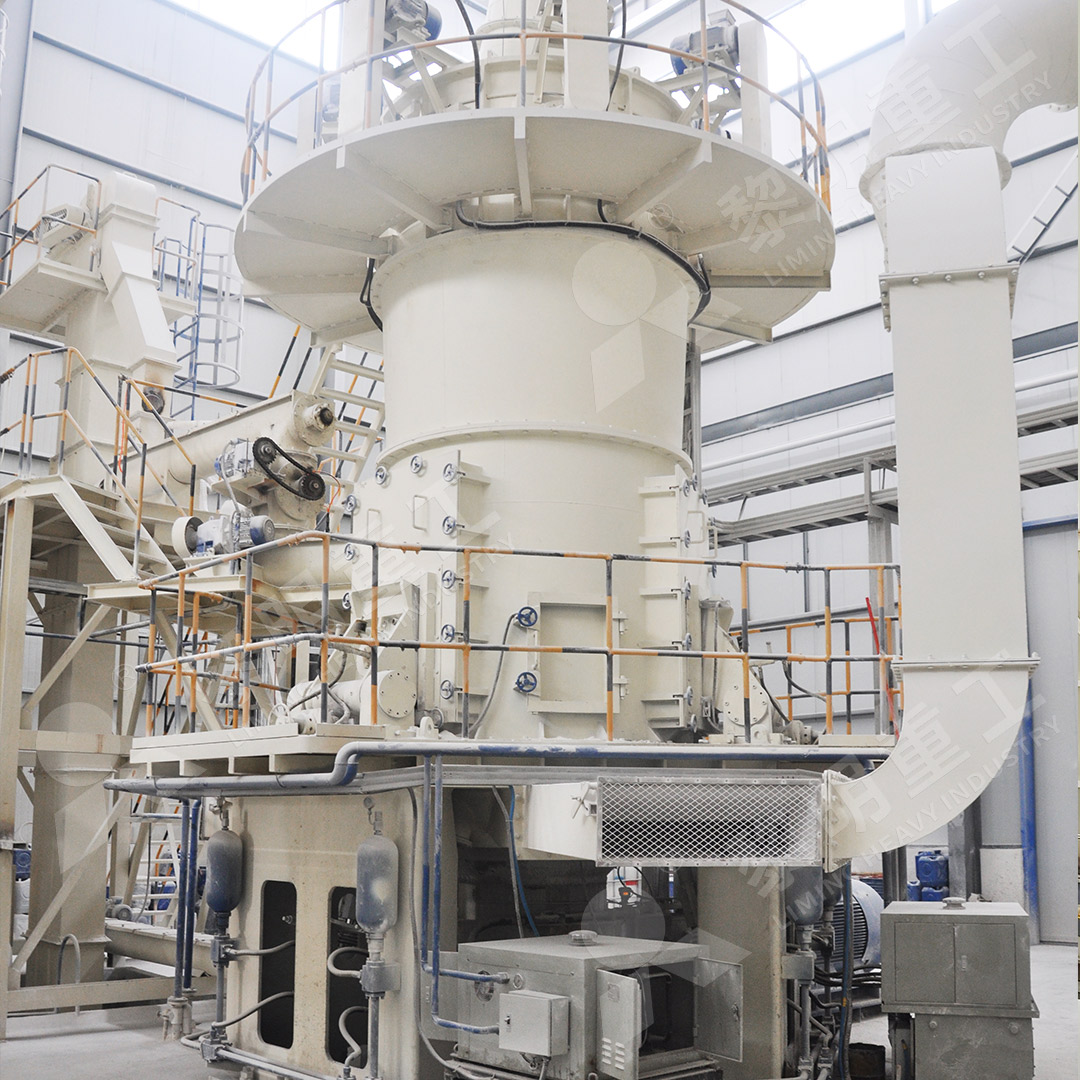
Heavy-Duty Solutions: LM Vertical Grinding Mill for Bulk Processing
For those dealing with larger volumes, the LM Vertical Grinding Mill is a beast. It accepts feed sizes up to 70 mm and offers a capacity range of 3–340 tph. This is the go-to for cement, coal, power plant desulfurization, and metallurgy. It integrates crushing, drying, grinding, classifying, and conveying, cutting floor space by 50%% compared to ball mills and saving 30%%–40%% energy. The short grinding time—just 2–3 minutes—minimizes iron contamination, which is critical for maintaining whiteness in products like limestone powder. The automated control system supports remote operation, making it labor-saving and efficient.
Practical Insights from the Field: Reliability and Support
Across all these models, one thing remains consistent: the importance of manufacturer support. At LIMING, we’ve invested in tens of lines of numerical control machine tools for cutting, bending, and milling, ensuring high precision on core parts. Every machine we produce comes with a commitment to technical services and original spare parts. I’ve seen too many operations grind to a halt because of counterfeit parts or slow service. That’s why we maintain sufficient spare parts supply—so you can run worry-free. Whether you choose the MW, MTW, LUM, or LM series, you’re getting a machine built to last.
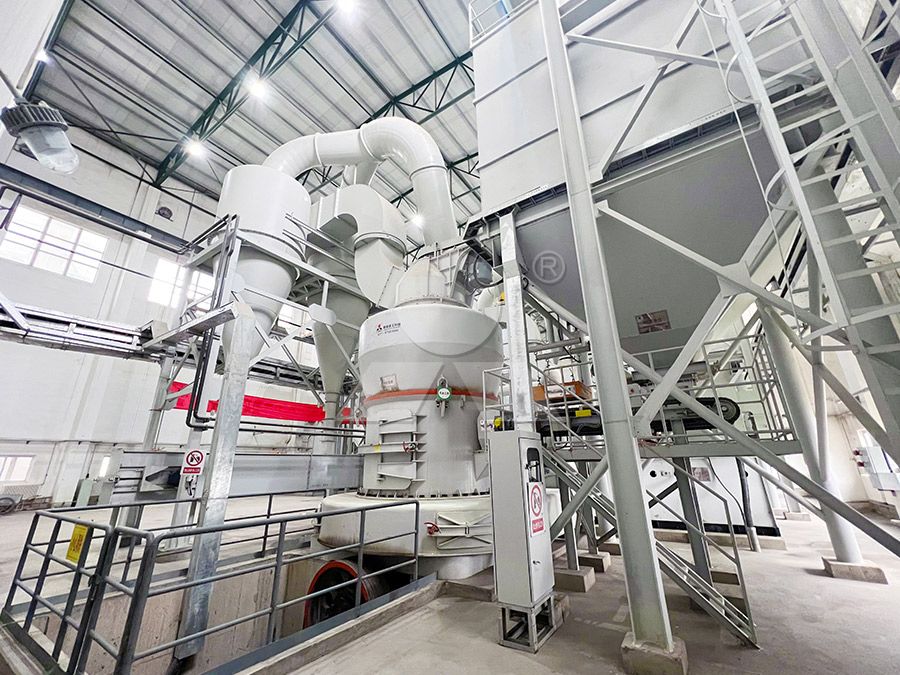
Final Recommendations for Your Operation
To sum it up, here’s my straightforward advice: If you’re aiming for ultra-fine powder with strict environmental standards, go with the MW Ultrafine Grinding Mill. If you need a balance of capacity, efficiency, and low maintenance, the MTW European Trapezium Mill will serve you well. For high-volume, coarse-to-fine processing with minimal footprint, the LM Vertical Grinding Mill is the answer. Always test your material with the manufacturer’s demo unit if possible—it’s worth the investment to avoid costly mistakes. Remember, a reliable mill isn’t just about the sticker price; it’s about uptime, energy savings, and consistent quality.
Frequently Asked Questions
- Q: What is the difference between the MW Ultrafine Grinding Mill and a traditional Raymond mill?
A: The MW Ultrafine Grinding Mill uses advanced grinding curves and a cage-type powder selector from German technology, allowing fineness from 325 to 2500 mesh with higher yields and lower energy consumption compared to older Raymond mills. - Q: Can the MTW European Trapezium Mill handle materials with high moisture content?
A: Yes, it is designed with a cambered air duct and efficient airflow system that can handle materials with up to 10%% moisture, though for higher levels, a drying system may be needed. - Q: How often do I need to replace the grinding rollers and rings on these mills?
A: For the MTW series, the wear-resistant alloy rollers and rings last 1.7–2.5 times longer than traditional high-manganese steel parts, typically requiring replacement every 12–18 months depending on material hardness and usage. - Q: Is the LUM Ultrafine Vertical Grinding Mill suitable for 24/7 operation?
A: Absolutely. It features external lubrication without shutdown, and the reversible structure allows for quick maintenance, minimizing downtime for continuous production. - Q: What safety features do these mills include?
A: All models include electronic and mechanical limiting technology to prevent roller-to-table contact, pulse dust collectors for pollution control, and silencers for noise reduction, meeting national environmental standards. - Q: Can I adjust the fineness while the mill is running?
A: Yes, models like the MW Ultrafine Grinding Mill allow fineness adjustment between 325–2500 mesh via the powder selector, and the LUM mill uses PLC controls for real-time parameter changes. - Q: How does the LM Vertical Grinding Mill reduce iron contamination?
A: The grinding rollers and table do not contact directly, and the short grinding time minimizes iron content. Any iron generated is easily removed, preserving product whiteness. - Q: What kind of warranty do you offer on these machines?
A: LIMING provides full technical support and original spare parts for all machines we produce, with a standard warranty covering manufacturing defects. Extended service contracts are available upon request.