
Optimizing Cement Clinker Grinding for Enhanced Fineness and Energy Efficiency
We provide a wide range of mills — including Raymond mill, trapezoidal mill, vertical mill, ultrafine mill, and ball mill, obtained ISO9001 international quality certification, EU CE certification, and Customs Union CU-TR certification. Suitable for processing minerals such as limestone, phosphate, quicklime, kaolin, talc, barite, bentonite, calcium carbonate, dolomite, coal, gypsum, clay, carbon black, slag, cement raw materials, cement clinker, and more.
The discharge range of these mills can be adjusted to meet specific processing needs, typically from 80-400 mesh, 600-3250 mesh, and can achieve the finest particle size of up to 6000 mesh(D50).
If you are looking for a reliable grinding solution to turn stone or minerals into fine powder, please feel free to contact our online customer service.
Introduction
Cement clinker grinding is the final and most energy-intensive stage in cement production, accounting for approximately 30-40% of total electrical energy consumption in a typical plant. The process directly influences the fineness, particle size distribution, and reactivity of the final product, all of which determine cement quality. Over the past decade, the industry has shifted toward high-efficiency grinding technologies that combine improved fineness control with reduced power draw. This article explores key strategies for optimizing clinker grinding, from equipment selection to operational parameters, and highlights how advanced mill designs can achieve both enhanced fineness and energy savings.
Understanding Fineness and Its Impact on Cement Quality
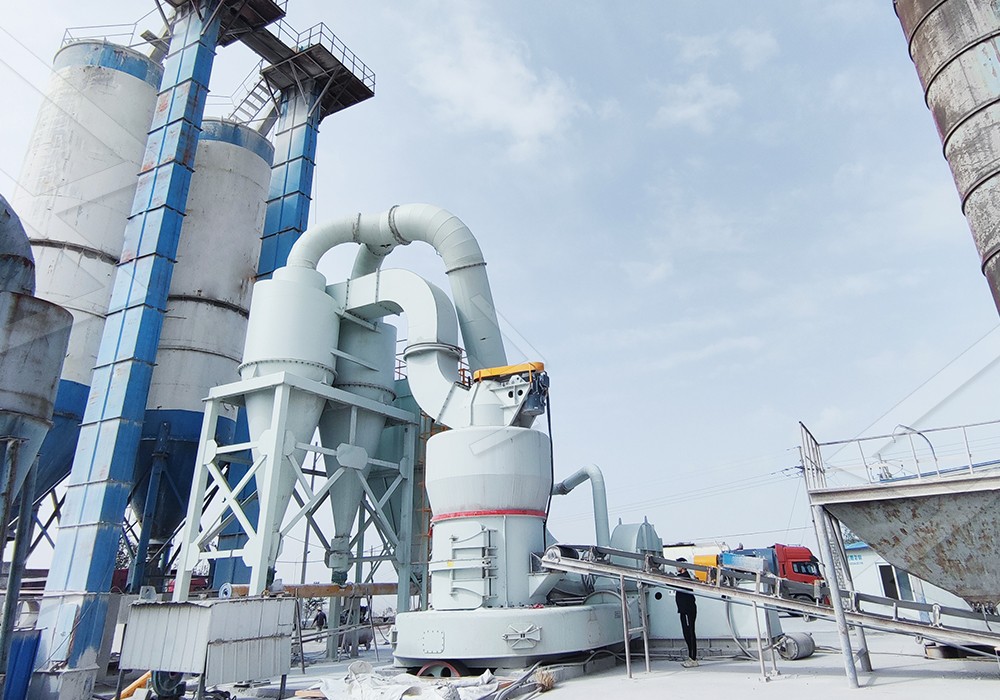
Fineness is a critical quality parameter for cement, typically measured as specific surface area (Blaine) or residue on a sieve. A finer grind increases the rate of hydration, leading to higher early strength development. However, excessive grinding can reduce workability, increase water demand, and escalate energy usage. The optimal target Blaine value falls between 3000 and 4000 cm²/g for ordinary Portland cement, depending on application. Achieving this consistently requires precise control of classifier settings, mill speed, and grinding pressure. Modern mills offer adjustable fineness ranges—for instance, between 325 and 2500 mesh—allowing operators to tailor product specifications without sacrificing throughput.
Energy Efficiency Challenges in Traditional Mills
Ball mills have historically dominated clinker grinding, but their energy efficiency remains poor, with only 1-3% of input power actually used for size reduction. The rest is lost as heat, noise, and mechanical friction. High energy consumption stems from the cascading motion of steel balls, which over-grinds particles and generates excessive fines. Jet mills and stirred mills, while capable of producing ultra-fine powders, consume even more power per ton. In contrast, vertical roller mills and trapezium mills have emerged as energy-saving alternatives, reducing power consumption by 30-50% compared to ball mills. These systems utilize a material bed grinding principle, where particles crush against each other under controlled pressure, minimizing waste heat.
Advanced Grinding Technologies for Clinker
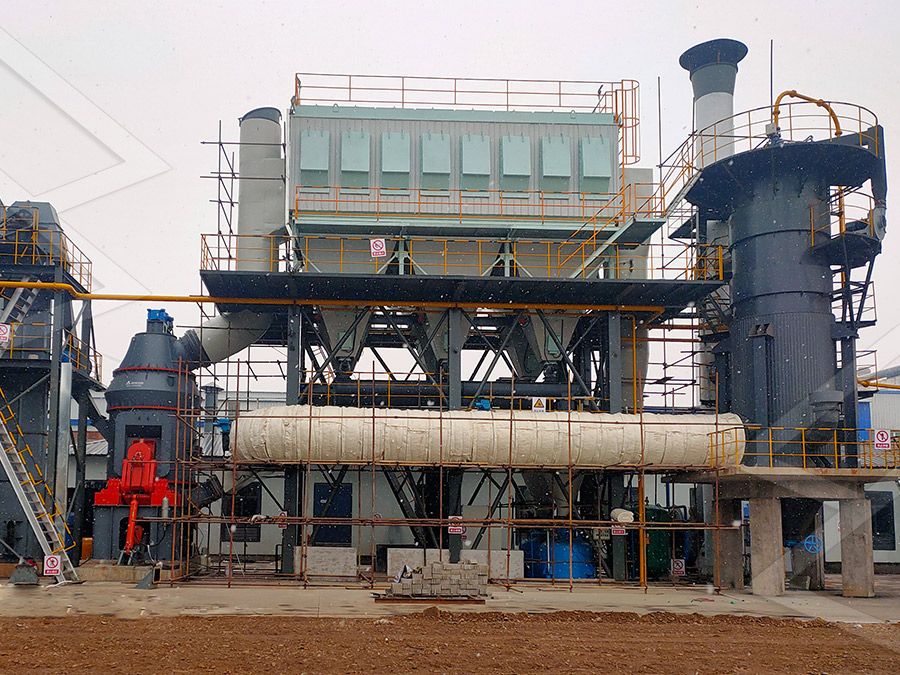
One standout solution for achieving high fineness with low energy is the MW Ultrafine Grinding Mill, designed for 0-20 mm input size and capacities up to 25 tph. It features newly developed grinding curves on rollers and rings that boost productivity by 40% over jet mills, with system energy consumption only 30% of the latter. The cage-type powder selector, based on German technology, enables precise adjustment between 325 and 2500 mesh, achieving d97 ≤ 5 μm in a single pass. Notably, the grinding chamber contains no rolling bearings or screws, eliminating common failure points and allowing 24-hour uninterrupted operation. Its pulse dust collector and silencer ensure full compliance with environmental standards, making it ideal for clean, efficient clinker grinding.
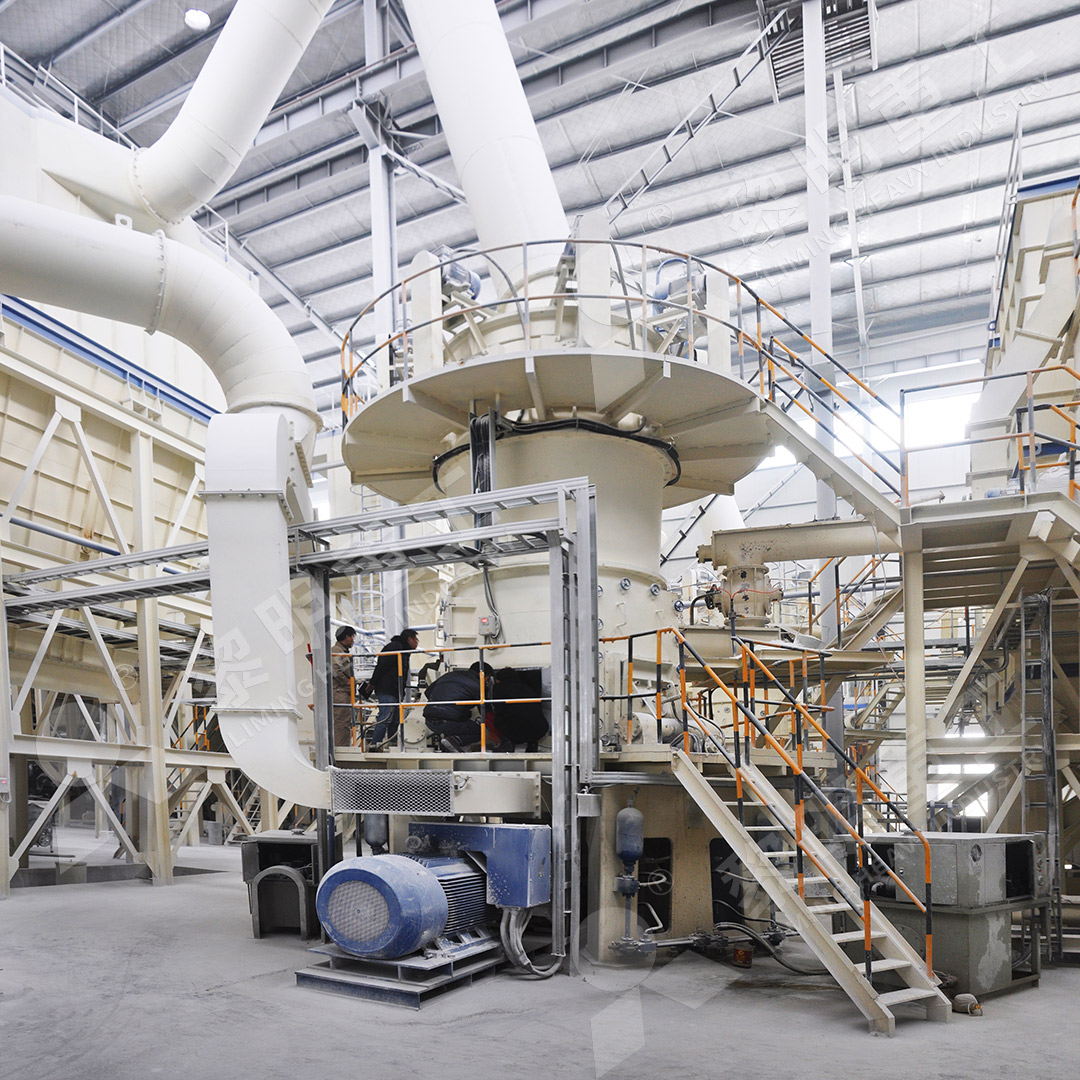
For larger-scale operations, the LUM Ultrafine Vertical Grinding Mill offers 5-18 tph capacity with an input size of 0-10 mm. This mill integrates Taiwan roller technology and German powder separation, achieving 30-50% energy savings over conventional mills. The double position-limiting technology protects against vibration damage, while the reversible structure simplifies roller maintenance. Both models include digitalized numerical control for precision machining of core components, and LIMING provides a full supply of original spare parts for worry-free operation.
Key Operational Strategies for Optimization
Beyond hardware, operators can implement several strategies to maximize fineness and efficiency:
- Classifier Speed Adjustment: Increasing rotor speed on the separator raises fineness but may lower throughput. Finding the balance for specific cement types is essential.
- Grinding Pressure Tuning: Hydraulic pressure on rollers should be optimized for clinker hardness; under-pressurization leads to coarse output, while over-pressurization wastes energy.
- Mill Ventilation: Proper airflow removes fine particles quickly, preventing over-grinding and reducing power draw. Negative pressure systems also contain dust.
- Feed Moisture Control: Clinker temperature and moisture affect mill performance. Pre-cooling or adding a small amount of gypsum can improve grindability.
- Wear Part Maintenance: Regularly inspecting roller shells and liners ensures consistent grinding pressure and prevents efficiency loss from worn surfaces.
Digitalization plays a pivotal role: modern mills come with PLC-based control systems that automatically adjust feed rate, separator speed, and pressure based on real-time fineness readings from online analyzers. This eliminates manual guesswork and reduces energy waste from off-spec production.
Conclusion
Optimizing cement clinker grinding requires a holistic approach: selecting energy-efficient mill technology, fine-tuning operational parameters, and leveraging advanced control systems. Mills like the MW Ultrafine Grinding Mill and LUM Ultrafine Vertical Grinding Mill demonstrate that high fineness need not come at the expense of energy consumption. By embracing these innovations, cement producers can lower their carbon footprint, meet stringent quality demands, and maintain competitive production costs.
Frequently Asked Questions
- What is the typical fineness range for cement clinker after grinding?
Fineness varies by cement type, but most ordinary Portland cement targets a Blaine surface area of 3000-4000 cm²/g, corresponding to about 325-400 mesh. Ultra-fine applications may require up to 2500 mesh (d97 ≤ 5 μm). - How much energy can vertical roller mills save compared to ball mills?
Modern vertical roller mills can reduce specific energy consumption by 30-50% over traditional ball mills. For clinker grinding, this translates to savings of 10-20 kWh per ton of cement produced. - Can the MW Ultrafine Grinding Mill handle wet clinker?
The MW mill is designed for dry grinding with input moisture below 10%. For wetter materials, a separate drying system may be needed before feeding. - What maintenance is required for the grinding rollers in the LUM mill?
The LUM mill features a reversible structure that allows easy roller removal for inspection. Roller shells and liners should be checked every 500-1000 operating hours and replaced when wear exceeds 5 mm thickness loss. - Is it possible to produce cement with a Blaine value above 5000 cm²/g efficiently?
Yes, using mills like the MW Ultrafine Grinding Mill with its German cage-type separator. However, energy consumption increases non-linearly at very high fineness. A cost-benefit analysis is recommended. - How does the pulse dust collector in MW mills help the environment?
The efficient pulse jet filter captures fine particles, achieving emission levels below 20 mg/Nm³, well within international standards. The silencer reduces noise to below 85 dB. - What is the typical payback period for upgrading to an energy-efficient grinding mill?
Depending on local electricity costs and scale, payback periods range from 2 to 4 years for mills like the LUM or MW series, considering energy savings and reduced maintenance. - Can the same mill be used for different types of clinker?
Yes, both MW and LUM mills allow fineness adjustment via separator speed and grinding pressure changes. Switching between Portland, slag, or composite cements typically requires less than 1 hour of recalibration.