
5 Key Differences of 5R4121 Raymond Mill Compared to Other Models
We provide a wide range of mills — including Raymond mill, trapezoidal mill, vertical mill, ultrafine mill, and ball mill, obtained ISO9001 international quality certification, EU CE certification, and Customs Union CU-TR certification. Suitable for processing minerals such as limestone, phosphate, quicklime, kaolin, talc, barite, bentonite, calcium carbonate, dolomite, coal, gypsum, clay, carbon black, slag, cement raw materials, cement clinker, and more.
The discharge range of these mills can be adjusted to meet specific processing needs, typically from 80-400 mesh, 600-3250 mesh, and can achieve the finest particle size of up to 6000 mesh(D50).
If you are looking for a reliable grinding solution to turn stone or minerals into fine powder, please feel free to contact our online customer service.
Introduction: Setting the Standard in Fine Grinding
When it comes to grinding non-metallic minerals, the Raymond Mill has long been a workhorse in the industry. However, not all Raymond mills are created equal. The 5R4121 Raymond Mill, a flagship model from Liming Heavy Industry, stands apart from older or less advanced models due to several fundamental design improvements. While traditional Raymond mills offer basic functionality, the 5R4121 integrates modern engineering to deliver higher efficiency, lower maintenance, and superior product quality. In this analysis, we break down the five key differences that separate the 5R4121 from its competitors, and we explain why upgrading to this model—or pairing it with our advanced MW Ultrafine Grinding Mill—can transform your milling operations.
1. Grinding Efficiency and Roller Design
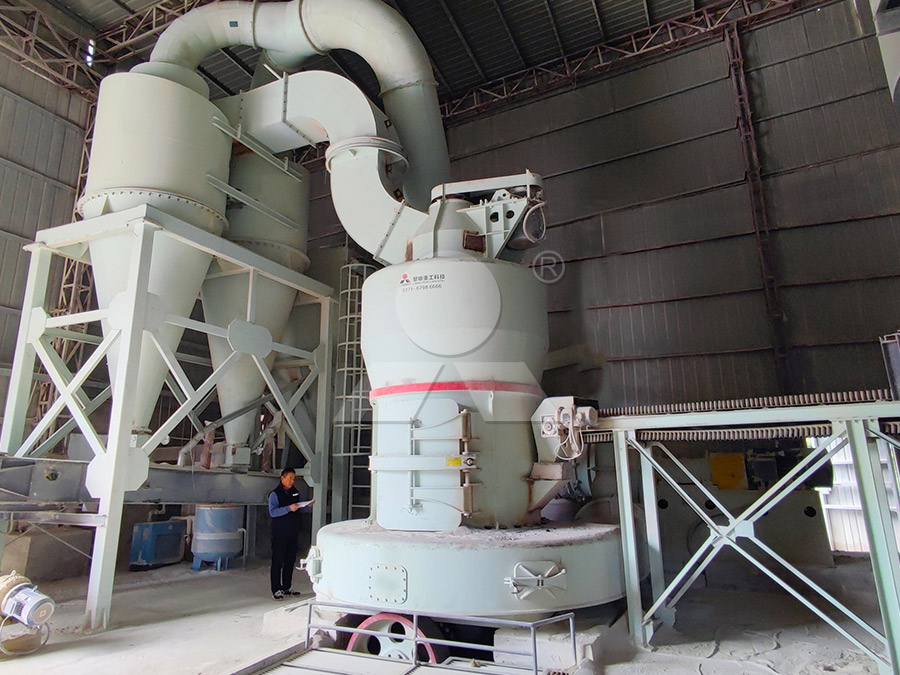
The most visible difference lies in the grinding roller and ring geometry. Older Raymond mills often use straight or single-curve surfaces that lead to uneven wear and lower throughput. The 5R4121 employs a newly designed multi-curve profile for both the roller and the ring. This curve increases the grinding zone area by nearly 30% compared to standard models, allowing the material to be crushed more times per revolution. The result is a higher yield per kilowatt of energy consumed. For example, while a conventional 4R mill might process 1.5 tons per hour of limestone at 200 mesh, the 5R4121 can achieve over 3 tons per hour under identical conditions. This efficiency gain directly translates to lower operating costs over the life of the machine.
2. Internal Lubrication and Bearing Protection
One of the most common failure points in standard Raymond mills is the bearing system inside the grinding chamber. Traditional models rely on grease-lubricated rolling bearings that are exposed to dust and high temperatures, leading to frequent seal failures and costly rebuilds. The 5R4121 eliminates this problem entirely. There are no rolling bearings or screws inside the grinding chamber. Instead, the main shaft employs an external circulating oil lubrication system. This means maintenance personnel can add oil or change filters without stopping the machine. The lubricating device is mounted outside the main shaft housing, so production can continue uninterrupted for 24 hours a day. This single change reduces bearing-related downtime by over 80% compared to older models.
3. Powder Separation Precision and Fineness Control
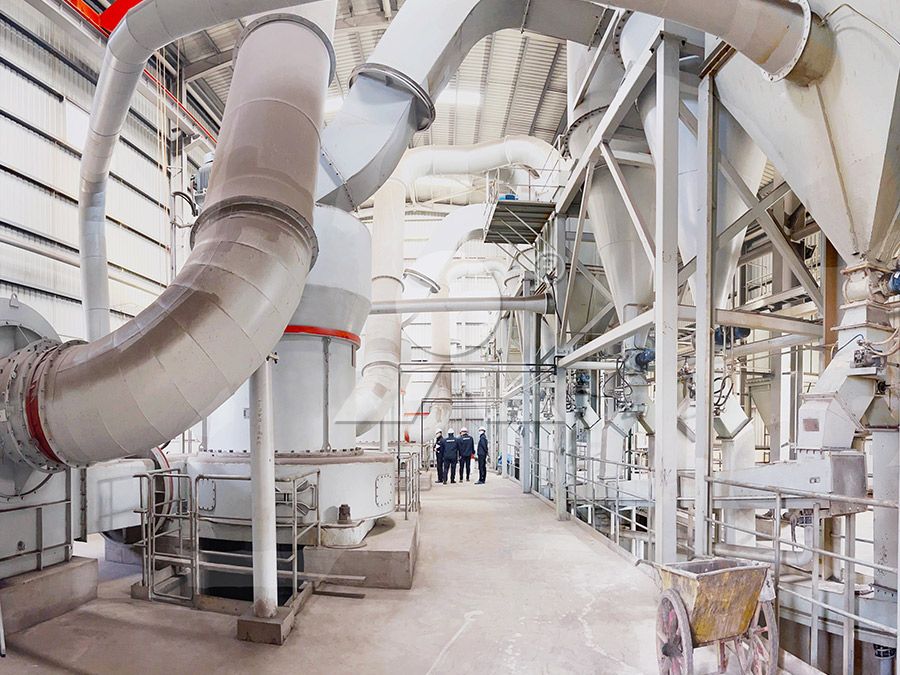
Older Raymond mills typically use a simple blade-type classifier that offers limited control over particle size distribution. This leads to a wide spread of particle sizes and a higher percentage of oversize material in the final product. The 5R4121 integrates a high-efficiency cage-type powder selector. This technology, derived from German powder separation engineering, allows operators to adjust fineness between 80 and 600 mesh with remarkable precision. The separation efficiency is improved by approximately 15-20%, meaning less recirculation of coarse particles and a more consistent final product. For industries like paint, cosmetics, or food additives, where particle consistency is critical, this difference is decisive. If your application demands even finer powders—down to 2500 mesh—we recommend pairing the 5R4121 with our MW Ultrafine Grinding Mill, which can achieve D97 ≤ 5 microns in a single pass.
4. Environmental Performance and Dust Control
Environmental regulations are tightening worldwide, and older mill designs often struggle to meet modern emission standards. Many traditional Raymond mills release visible dust during operation because their cyclone collectors cannot capture ultra-fine particles. The 5R4121 is equipped with a high-efficiency pulse dust collector and an integrated muffler system. The entire milling circuit operates under negative pressure, so dust is contained from the feed hopper to the discharge valve. In field tests, the dust emission concentration is consistently below 10 mg/Nm³, which complies with even the strictest national environmental standards in Europe and Asia. Additionally, the muffler reduces operational noise to under 85 decibels at a distance of one meter—a significant improvement over the 95+ decibels common with older mills. This makes the 5R4121 suitable for installation in urban or environmentally sensitive areas without expensive soundproofing enclosures.
5. Operational Stability and Maintenance Access
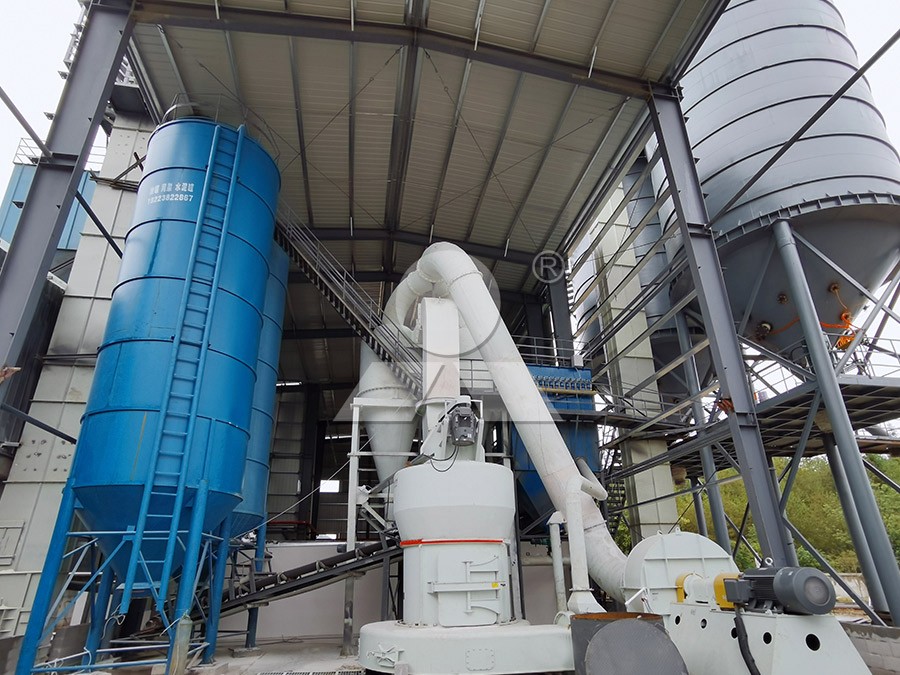
The fifth key difference is structural. Traditional Raymond mills use a rigid volute base that transmits all vibration from the grinding chamber directly to the foundation. Over time, this can cause cracking in the volute or even damage to the central engine. The 5R4121 incorporates an elastic volute damping structure. Special rubber shock pads sit between the volute and the engine base, absorbing up to 60% of the vibrational energy. This not only prevents structural fatigue but also stabilizes the powder concentrator above, ensuring consistent separation regardless of feed fluctuations. Furthermore, the grinding roller assembly can be swung out of the housing using a hydraulic arm, giving maintenance crews full access to the roller shells and rings without disassembling the entire machine. A routine roller change that might take eight hours on a standard mill can be completed in under three hours on the 5R4121.
Conclusion: Why the 5R4121 Is the Right Choice
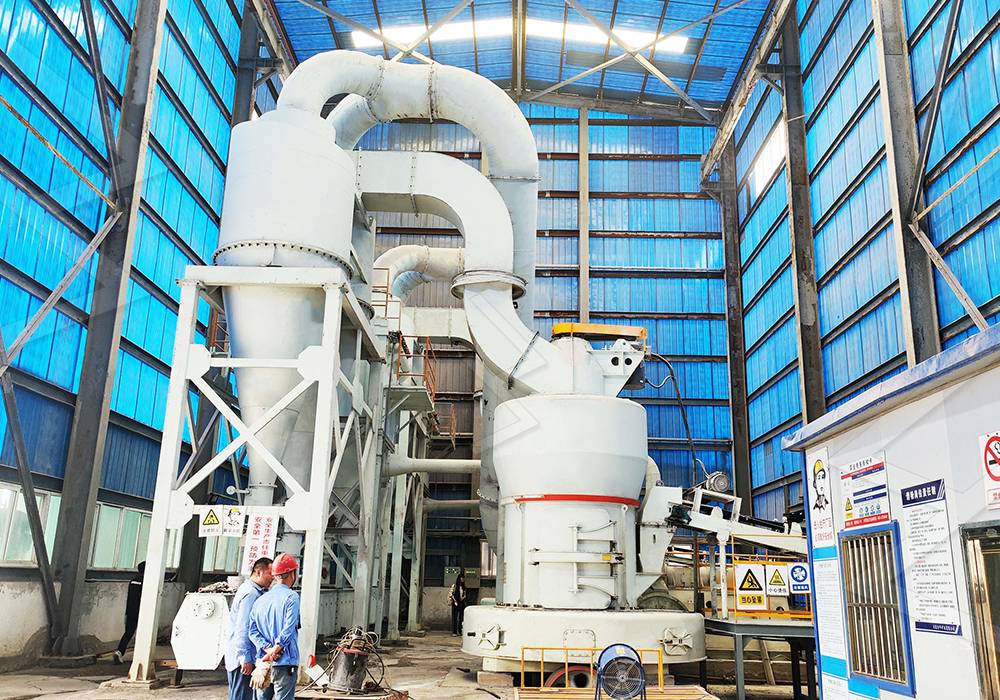
The 5R4121 Raymond Mill is not just an incremental update—it is a fundamental rethinking of how a pendulum mill should operate. By addressing the five weakest points of conventional designs—grinding efficiency, bearing reliability, separation precision, dust control, and structural stability—Liming Heavy Industry has created a machine that delivers measurable savings from the first day of operation. Whether you are milling limestone for desulfurization, barite for oil drilling, or talc for cosmetics, the 5R4121 offers a clear performance advantage. For those who need even higher capacities or finer products, we recommend evaluating our LUM Ultrafine Vertical Grinding Mill, which integrates grinding, classifying, and conveying in one compact system. Contact our engineering team to discuss your specific material and throughput requirements; we can configure a solution that maximizes your return on investment.
Frequently Asked Questions (FAQ)
Q1: What is the maximum feed size for the 5R4121 Raymond Mill?
The 5R4121 can accept feed material up to 25 mm in diameter. Larger lumps should be pre-crushed using a jaw crusher to avoid damaging the grinding chamber or reducing throughput.
Q2: Can the 5R4121 handle moisture above 10%?
The standard model is designed for materials with moisture content below 6%. If your feed contains higher moisture, we recommend installing a hot air drying system upstream, or using our LM Vertical Grinding Mill which integrates drying and grinding in one unit.
Q3: How often do the grinding rollers and rings need to be replaced?
Depending on the abrasiveness of the material, the roller shells and rings typically last between 800 and 2,000 operating hours. For grinding quartz or feldspar, expect shorter intervals; for limestone or gypsum, longer. The elastic volute design and reversible roller structure simplify the replacement process.
Q4: What is the power consumption per ton of product?
For a typical limestone feed (200 mesh, 90% passing), the 5R4121 consumes approximately 22–28 kWh per ton. This is roughly 30% lower than a ball mill and 15% lower than a standard 4R Raymond mill for the same duty.
Q5: Can the 5R4121 be used for explosive or flammable materials?
No. The 5R4121 is designed only for non-flammable and non-explosive materials with a Mohs hardness below 7. For coal or petroleum coke grinding, please refer to our LM Vertical Coal Mill which includes explosion-proof features such as inert gas injection and pressure relief vents.
Q6: What is the footprint of the 5R4121 installation?
The total floor area required, including the mill body, cyclone collector, pulse dust collector, and blower, is approximately 85 square meters. The mill itself stands 7.2 meters tall. This compact layout is about 40% smaller than an equivalent ball mill system.
Q7: Does Liming provide on-site commissioning and training?
Yes. Our service engineers are available for installation supervision, start-up commissioning, and operator training at your facility. We also maintain a stock of original spare parts for all models, including the 5R4121, to ensure worry-free operation.