
160 Mesh Limestone Grinding Mill Machine for High-Efficiency Industrial Powder Processing
We provide a wide range of mills — including Raymond mill, trapezoidal mill, vertical mill, ultrafine mill, and ball mill, obtained ISO9001 international quality certification, EU CE certification, and Customs Union CU-TR certification. Suitable for processing minerals such as limestone, phosphate, quicklime, kaolin, talc, barite, bentonite, calcium carbonate, dolomite, coal, gypsum, clay, carbon black, slag, cement raw materials, cement clinker, and more.
The discharge range of these mills can be adjusted to meet specific processing needs, typically from 80-400 mesh, 600-3250 mesh, and can achieve the finest particle size of up to 6000 mesh(D50).
If you are looking for a reliable grinding solution to turn stone or minerals into fine powder, please feel free to contact our online customer service.
Introduction: Why 160 Mesh Limestone Grinding Matters
When you walk through a modern industrial powder processing plant, the hum of machinery and the fine dust floating in the air tell a story of precision and scale. A 160 mesh limestone grinding mill machine is not just a piece of equipment—it is the backbone of operations ranging from desulfurization in power plants to the production of high-grade construction materials. Limestone, with its Mohs hardness of around 3-4, is a forgiving material to grind, but achieving consistent 160 mesh (approximately 88 microns) output with high efficiency requires engineering finesse.
I have spent years observing how different mills handle this task. Traditional ball mills, for all their reliability, often guzzle energy and produce inconsistent particle size distribution. Jet mills, while precise, are expensive to operate. The sweet spot lies in modern vertical and ultra-fine grinding technologies. For instance, our MW Ultrafine Grinding Mill has been a game-changer for clients needing 160 mesh limestone powder for flue gas desulfurization. It delivers a production capacity that is 40% higher than jet mills while consuming only 30% of the energy. The key is the newly designed grinding curves on the roller and ring—these curves enhance material trapping and grinding efficiency without overheating the product.
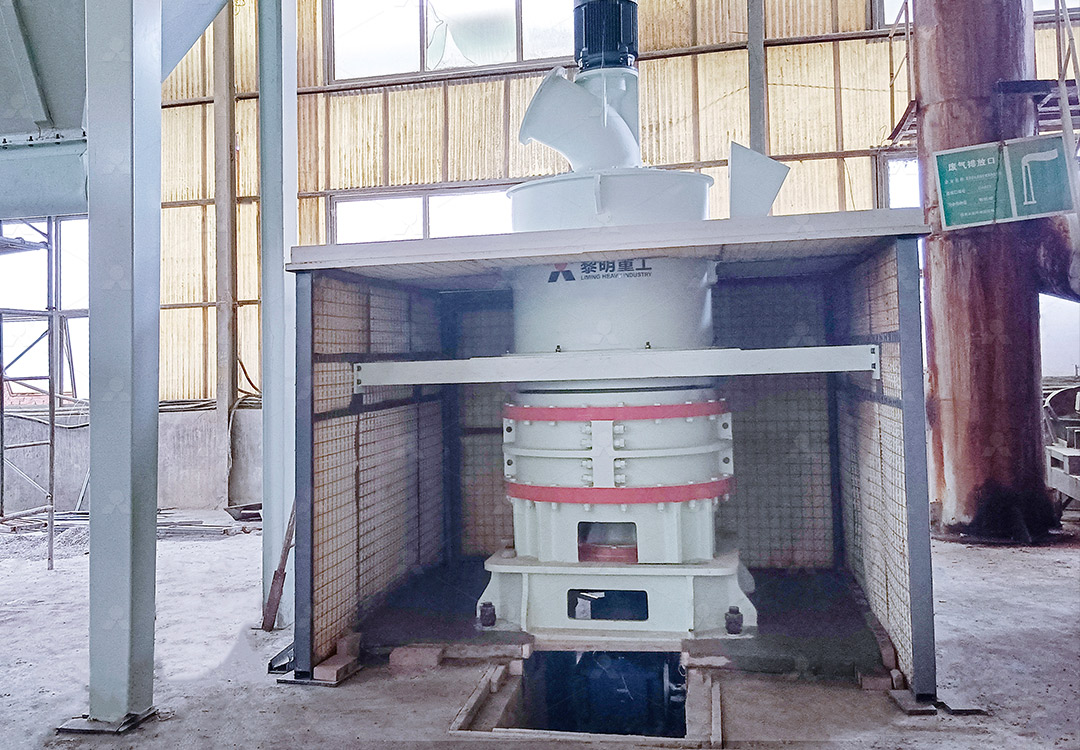
Let me walk you through the practical aspects. Picture a limestone quarry feeding crushers that reduce rock to 0-20 mm. That material enters the mill hopper, passes through a vibrating feeder, and drops onto the grinding table. In the MW Ultrafine Grinding Mill, the process is multi-stage: the material goes through three turnplates, each refining the particle size further. The cage-type powder selector, borrowed from German engineering, ensures that 160 mesh powder meets a screening rate of d97≤5μm. No dust escapes, thanks to the pulse dust collector and silencer—the system is fully compliant with national environmental standards. This matters because modern factories cannot afford fines or community complaints.
Key Technologies That Drive Efficiency
You might wonder what sets a 160 mesh limestone grinding mill apart from older generation mills. Let me break down the technologies that make a real difference on the shop floor.
Digitalized Precision Manufacturing: Every critical component, from the grinding roller to the housing, is machined on numerical control machine tools. This means tolerances are tight—no wobbling shafts or misaligned bearings. For the MW Ultrafine Grinding Mill, the absence of rolling bearings and screws inside the grinding chamber eliminates common failure points. The lubricating system is external, so you can grease the main shaft without shutting down production. I have seen plants run 24/7 for months with zero unplanned stops.
Adjustable Fineness on the Fly: One of the headaches in powder processing is changing product specs. With the MW mill, you can dial fineness between 325 and 2500 mesh using the multi-head cage separator. For a 160 mesh run, you set the rotor speed and classifier vanes to cut at 88 microns. The system holds that setting like a rock. Compare this to older Raymond mills where you had to change screens or risk oversize contamination. The yield is double that of a ball mill for the same power draw—your electricity bill shrinks while output climbs.
Environmental Compliance Built-In: Let me tell you about a client in Germany who needed to meet EU emission limits. The MW Ultrafine Grinding Mill’s pulse dust collector captures 99.9% of particulates. The muffler drops noise to under 85 dB. Their plant passed inspection on the first try. The system operates under negative pressure, so no dust leaks into the workspace. This is not just about regulations; it is about worker safety and equipment longevity. Dust that stays in the mill cannot clog bearings or contaminate lubricants.
Selecting the Right Machine for Your Operation
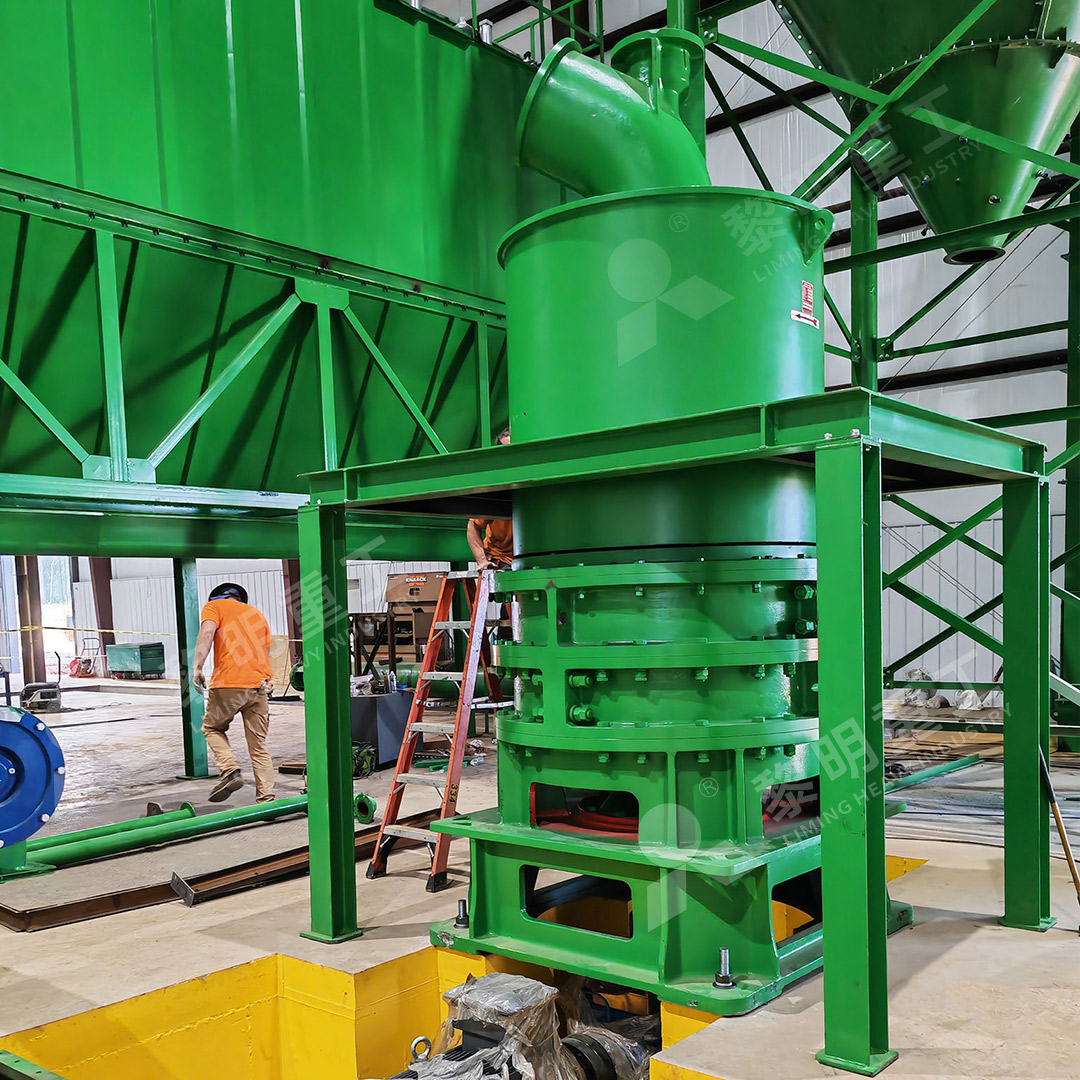
Not every limestone grinding job is the same. If you are processing 0-20 mm feed and need 0.5 to 25 tons per hour, the MW Ultrafine Grinding Mill is your workhorse. I recommend it for operations that prioritize ultra-fine output with minimal energy waste. For example, a cosmetics company grinding limestone for filler in paint formulations uses the MW mill to achieve 160 mesh with a brightness of 95%. The iron content stays low because the roller never contacts the ring directly—only through the material bed. This prevents metal contamination that could ruin product color.
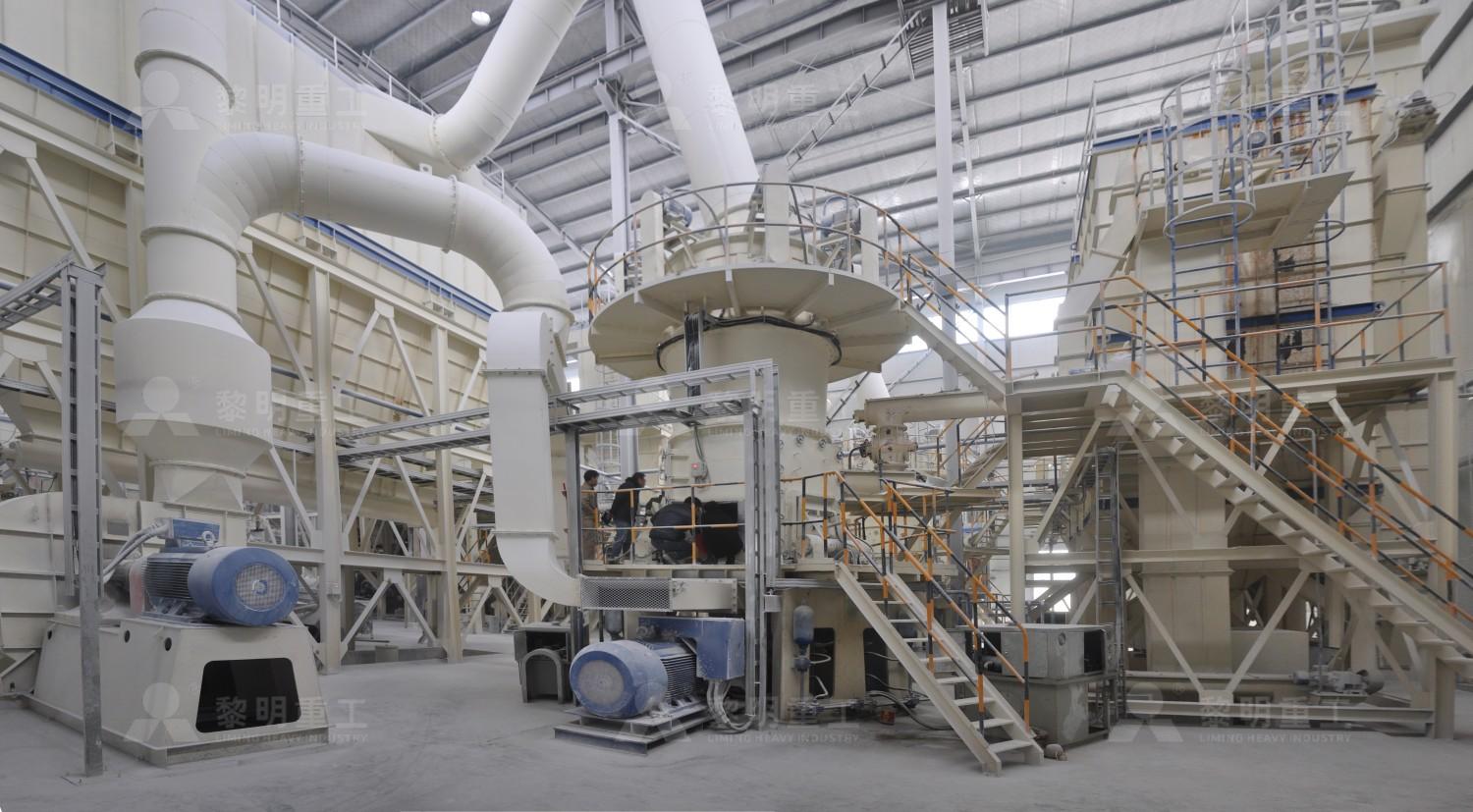
But if your feed is coarser—say 0-70 mm—and you need higher throughput of 3 to 340 tph, consider the LM Vertical Grinding Mill. It integrates crushing, drying, and classifying in one unit. For limestone power plant desulfurization, LM mills are the standard because they handle moisture up to 15% without clogging. The layout is compact: it takes up 50% less floor area than an equivalent ball mill system. I have seen plants install it outdoors, saving building costs. The grinding rollers use hydraulic pressure to maintain optimal force, and the double position-limiting technology prevents the roller from smashing the table during vibration events, like blasting nearby.
When deciding, look at your material’s moisture and abrasiveness. Limestone with silica impurities wears grinding elements faster. The LM mill uses high-chrome roller shells that last 1.7-2.5 times longer than traditional manganese steel. Replacing them is straightforward: the reversible structure allows you to swing the roller out of the body for maintenance. A typical shutdown for roller change takes 4 hours, not a full day. This keeps your plant running longer between overhauls.
Maintenance and Operational Best Practices
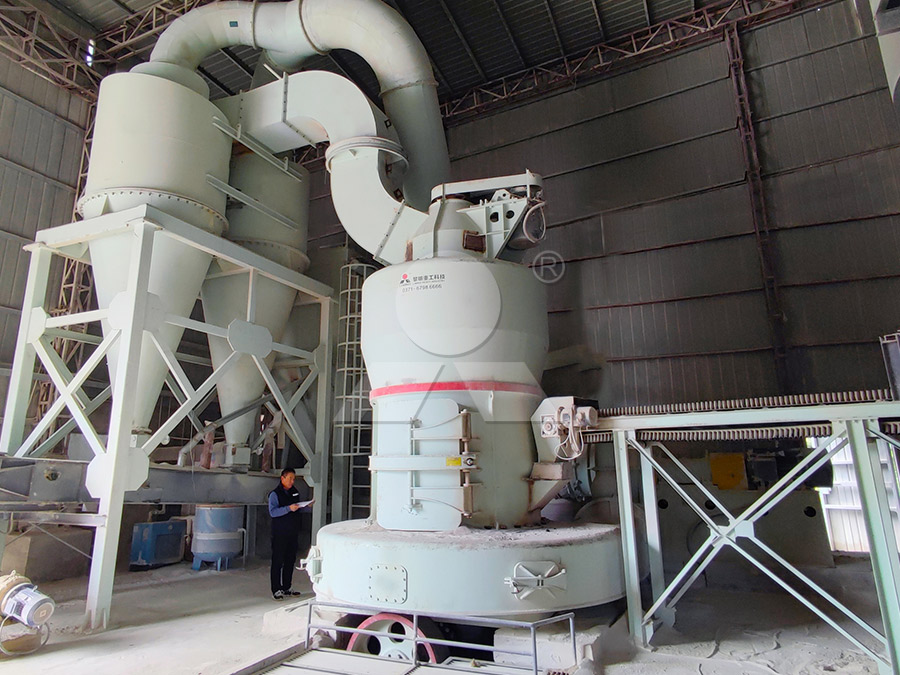
I have seen too many good mills fail because of poor maintenance habits. With the MW Ultrafine Grinding Mill, the external lubricating unit is your friend. Check the oil level weekly; change it every 500 hours. The pulse dust collector needs its filter bags inspected monthly. A blocked bag reduces airflow and causes the mill to heat up, degrading product quality. For the LM Vertical Mill, monitor the hydraulic pressure to the rollers. If it drifts beyond the setpoint, the grinding force changes, and you will see coarser powder. Calibrate the pressure sensor every quarter.
One trick I share with new operators: listen to the mill. A healthy MW mill runs with a steady hum. If you hear a rattling or screeching, stop immediately. It could be a loose bolt on the turnplate or a worn pin. Because there are no rolling bearings in the chamber, the main culprits are external drives. The reducer gearbox should be flushed yearly. For the LM mill, the air ring slots can get clogged with fine material. Clean them during every shift change to maintain proper air flow distribution. This simple act can boost capacity by 5%.
Spare parts availability is another factor. LIMING keeps a warehouse stocked for both models. I advise clients to keep a set of grinding rollers and a classifier rotor on site. The MW mill’s multi-head separator can be swapped in 30 minutes. Do not wait for a failure—proactive replacement saves production. The digital control system logs run hours and alerts you when scheduled maintenance is due. Set it up from day one and stick to the schedule.
Conclusion: Future-Proofing Your Powder Line
The choice of a 160 mesh limestone grinding mill machine shapes your production economics and environmental footprint. Modern units like the MW Ultrafine Grinding Mill and LM Vertical Grinding Mill offer efficiency gains that compound over years of operation. Lower energy consumption, higher yield, and automated controls reduce your cost per ton. The digital interfaces allow integration with plant-wide SCADA systems, giving you real-time data on particle size and throughput. This is not just about making powder—it is about making money while staying green.
If you are planning a new line or upgrading an existing one, take a hard look at your feed characteristics and required output. Then match the mill technology to those needs. Both models from LIMING come with robust after-sales support, including original spare parts and technical service. The worry-free operation clause is real—I have seen their engineers travel to remote sites within 48 hours of a call. That kind of commitment keeps plants running and powder flowing.
Frequently Asked Questions (FAQ)
- What is the typical power consumption for grinding limestone to 160 mesh using the MW Ultrafine Grinding Mill?
The MW mill consumes about 30% of the energy of a jet mill for the same fineness. For 160 mesh limestone, expect around 25-35 kWh per ton, depending on feed size and hardness. - Can the LM Vertical Grinding Mill handle limestone with high moisture content?
Yes, the LM mill can process materials with moisture up to 15% because it integrates drying with grinding. Hot air from the air inlet dries the material as it moves through the grinding zone. - How often should the grinding rollers be replaced in the MW Ultrafine Grinding Mill?
Roller life depends on abrasiveness. For typical limestone, roller shells last 800-1200 operating hours. The reversible design allows you to flip them once, doubling usable life. - What particle size distribution can I expect at 160 mesh setting?
At 160 mesh (88 microns), the MW mill achieves d97≤5μm for the fine fraction and a narrow distribution. The screening rate is over 95% passing the specified mesh. - Is the MW Ultrafine Grinding Mill suitable for other materials besides limestone?
Absolutely. It grinds calcite, dolomite, barite, marble, talc, gypsum, and even petroleum coal. Just adjust the roller pressure and classifier speed for the specific material. - Does the system require a dedicated foundation?
Both MW and LM mills need a reinforced concrete foundation to dampen vibration. The MW unit’s elastic volute damping structure reduces transmitted vibration, so the foundation can be simpler than for ball mills. - How does the pulse dust collector affect the total system pressure?
The collector operates independently and has a low pressure drop—typically 500-800 Pa. The blower is sized to compensate, so the grinding chamber remains under negative pressure for dust-free operation. - Can I integrate the mill with an existing plant control system?
Yes. Both models include PLC-based controls with Modbus or Profibus communication options. Remote monitoring and adjustment are standard features. - What safety features are built into the MW Ultrafine Grinding Mill?
The mill includes automatic shutdown sensors for high temperature, vibration, and motor overload. The silencer reduces noise below 85 dB, and the dust collector prevents explosive dust accumulation. - How long does it take to install and commission the LM Vertical Grinding Mill?
Typical installation takes 2-3 weeks with a small crew. Commissioning and training add another 3-5 days. LIMING provides on-site support during this phase.