
Water Slag Iron Grinding Machine Price: How Much Does a Mill Cost?
We provide a wide range of mills — including Raymond mill, trapezoidal mill, vertical mill, ultrafine mill, and ball mill, obtained ISO9001 international quality certification, EU CE certification, and Customs Union CU-TR certification. Suitable for processing minerals such as limestone, phosphate, quicklime, kaolin, talc, barite, bentonite, calcium carbonate, dolomite, coal, gypsum, clay, carbon black, slag, cement raw materials, cement clinker, and more.
The discharge range of these mills can be adjusted to meet specific processing needs, typically from 80-400 mesh, 600-3250 mesh, and can achieve the finest particle size of up to 6000 mesh(D50).
If you are looking for a reliable grinding solution to turn stone or minerals into fine powder, please feel free to contact our online customer service.
Understanding the Cost of Water Slag Iron Grinding Mills
When planning a water slag iron grinding operation, the first question that comes to mind is, ‘How much does a mill cost?’ The answer isn’t a simple number because the price varies significantly based on capacity, technology, and automation level. A small ball mill might set you back tens of thousands of dollars, while a high-capacity vertical roller mill can run into the hundreds of thousands. To get a clear picture, you need to consider not just the initial purchase price but also operating costs like energy consumption, maintenance, and spare parts. Over the long run, a slightly more expensive but efficient mill can save you a fortune in electricity and downtime.
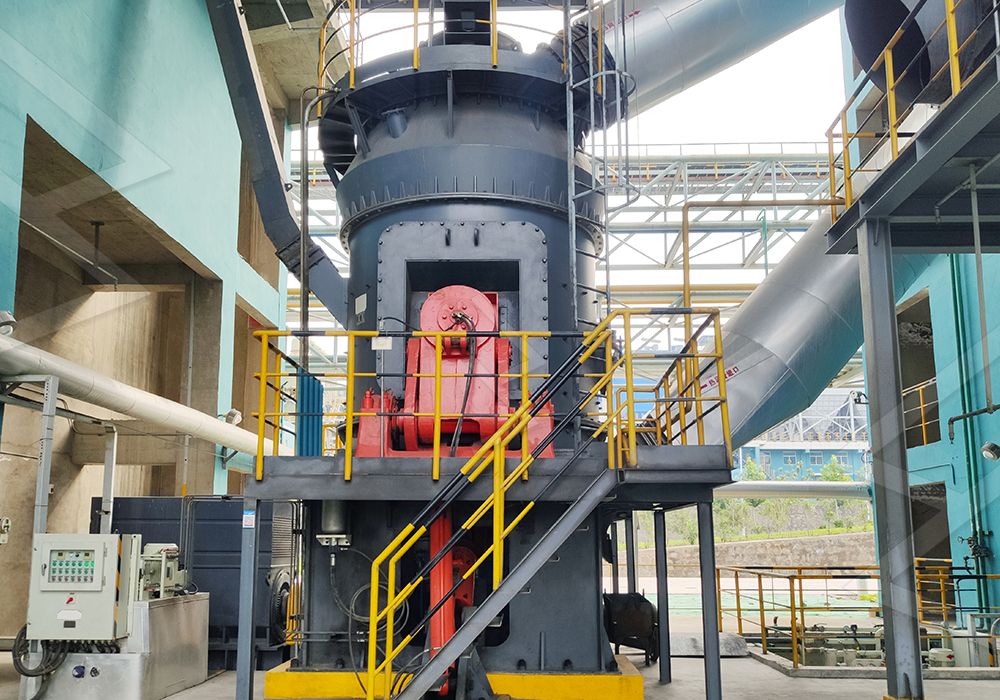
Water slag, a byproduct of iron smelting, is notoriously hard and abrasive. Grinding it requires robust machinery that can withstand wear. Traditional ball mills are common but tend to consume high energy and produce coarser powders. For finer outputs, such as those needed in cement or concrete additives, you need ultrafine grinding technology. This is where modern mills like the MW Ultrafine Grinding Mill or LUM Ultrafine Vertical Grinding Mill come into play. Their price reflects advanced engineering, but their efficiency and product quality often justify the investment.
Key Factors Influencing Mill Price
Several variables determine the final cost of a water slag iron grinding machine. First, capacity is a major driver. A mill that processes 0.5 tons per hour is obviously cheaper than one handling 100 tons per hour. Second, the fineness requirement matters. If you need powder as fine as 2500 mesh (d97 ≤ 5μm), you’ll need specialized equipment like the MW Ultrafine Grinding Mill, which costs more than a standard Raymond mill. Third, automation and environmental features add to the price. Mills with pulse dust collectors, silencers, and PLC control systems are more expensive upfront but comply with strict environmental regulations and reduce manual labor.
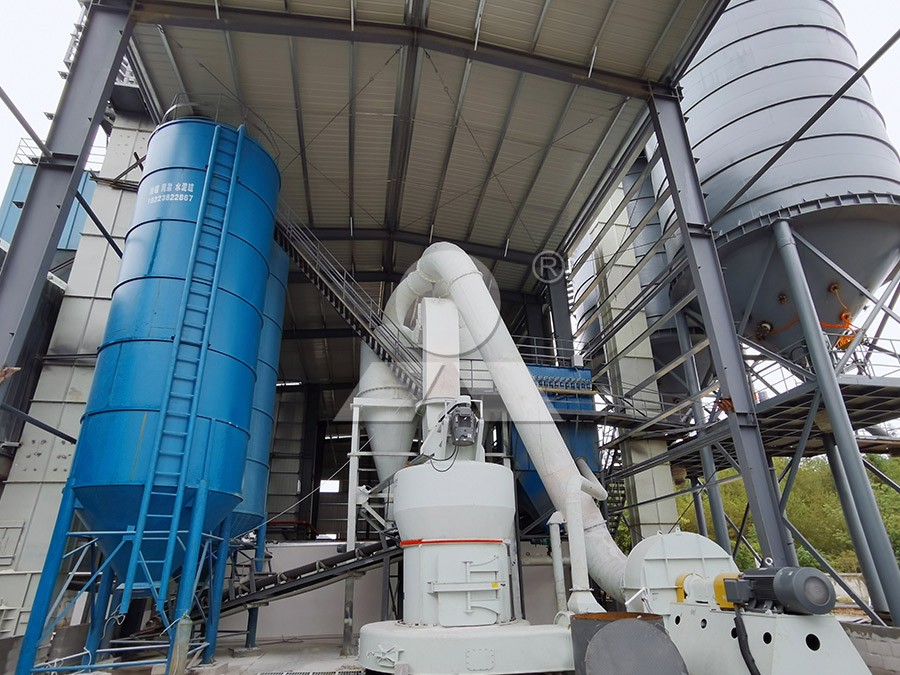
Let’s break down some real-world scenarios. You can get a basic ball mill for around $50,000 to $150,000, but its energy consumption might be 30-40% higher than a vertical mill. In contrast, a top-tier LUM Ultrafine Vertical Grinding Mill might cost $200,000 to $500,000 for a 5-18 tph capacity. However, its energy savings and reduced maintenance—thanks to features like double position-limiting technology and reversible structure—often lead to payback within two to three years. So, when asking ‘How much does a mill cost?’, factor in the total cost of ownership.
Why Ultrafine Technology Is Worth the Investment
Water slag iron grinding is not just about breaking down particles; it’s about achieving consistent quality and high throughput. The MW Ultrafine Grinding Mill is a standout option for those targeting ultra-fine powders between 325 and 2500 mesh. With a capacity of 0.5-25 tph and an input size up to 20 mm, it’s designed for demanding applications like cosmetics, medicine, and high-grade construction materials. Its cage-type powder selector, borrowed from German technology, ensures precise separation, and the pulse dust collector keeps operations eco-friendly. The price for such a mill typically starts around $180,000 and can go up depending on configuration.
For bulkier requirements, consider the LUM Ultrafine Vertical Grinding Mill. It handles 5-18 tph with an input size of 0-10 mm and excels in producing dry powder from non-metal ores. Its multi-head powder separating technology cuts energy consumption by 30-50% compared to conventional mills, and the hydraulic adjustment system makes maintenance a breeze. While the initial price might be higher than a traditional mill, the long-term savings in spare parts and power are substantial. Many operations report a 40% increase in yield, making it a smart choice for serious water slag processing.
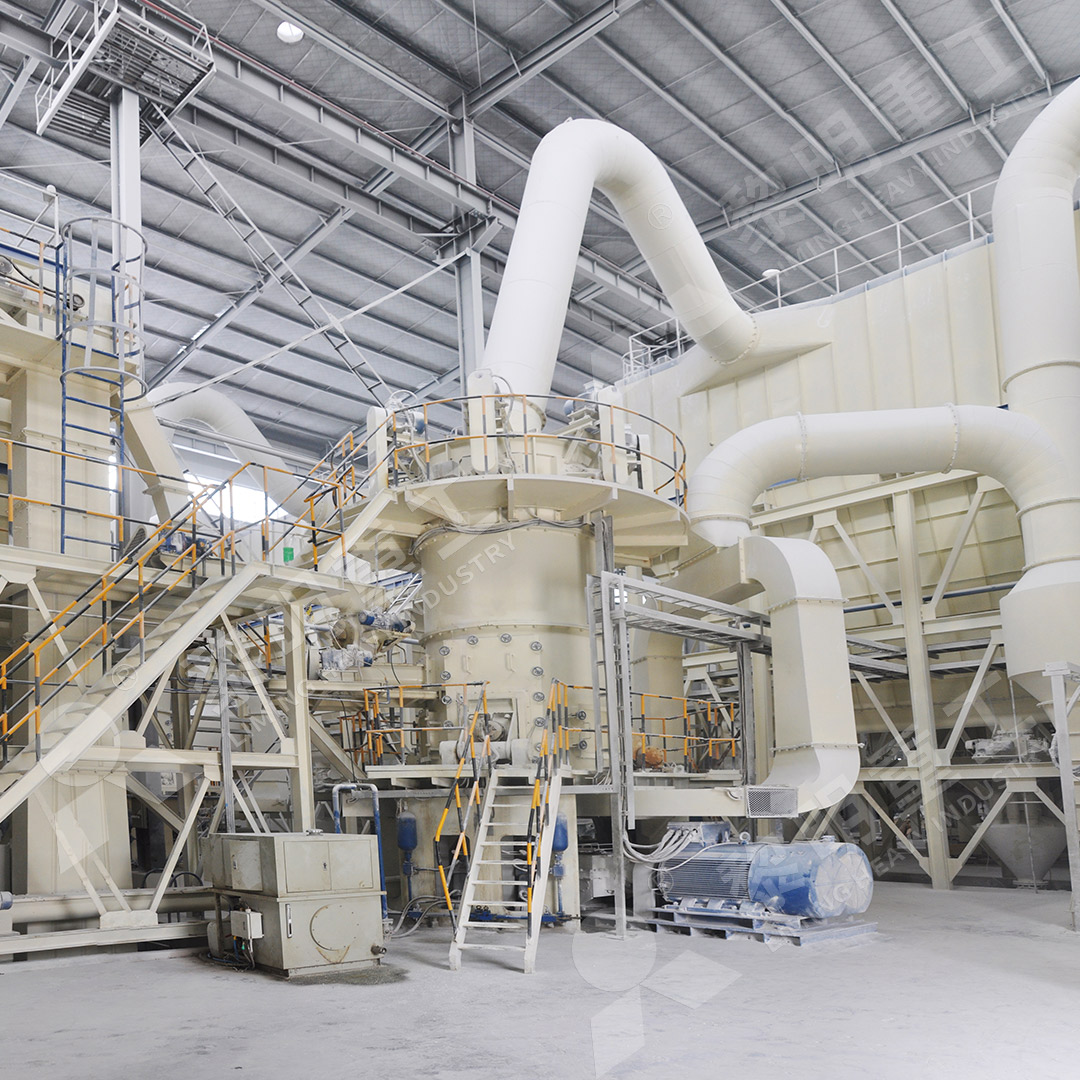
Beyond the machine itself, installation and training add to costs. But companies like Liming, with over 30 years in the industry, offer comprehensive support. Their spare parts supply network ensures you’re never stuck with a broken mill for long. That peace of mind is priceless when production schedules are tight. So, whether you’re upgrading from an old ball mill or starting a new facility, investing in a modern mill like the MW or LUM series can transform your bottom line.
Choosing the Right Mill for Your Budget
So, how do you decide? Start by defining your production goals. If you need 0.5-5 tph and fine powder for niche markets, the Raymond mill is a budget-friendly option at $30,000-$80,000. For mid-range capacity (5-18 tph) with high purity, the LUM Ultrafine Vertical Grinding Mill is ideal. Its reversible structure and low iron content design make it perfect for white minerals. For larger volumes (3-340 tph) where drying and grinding happen simultaneously, the LM Vertical Grinding Mill, priced between $300,000 and $1 million, offers the best value.
Don’t forget to factor in energy costs. A mill that consumes 30-40% less power than a ball mill can save you thousands annually. Also, consider the installation footprint. Vertical mills take up 50% less space than ball mills, which reduces building costs. Finally, always ask for a detailed quote that includes shipping, commissioning, and after-sales service. A transparent partner will help you avoid hidden fees.
To sum up, the price of a water slag iron grinding machine varies widely, but the right choice depends on your specific needs. For fine powders, we highly recommend the MW Ultrafine Grinding Mill (0.5-25 tph). For higher capacity and energy efficiency, the LUM Ultrafine Vertical Grinding Mill (5-18 tph) is a proven performer. Both come with digitalized processing, spare parts guarantees, and environmental compliance. Contact Liming today for a personalized quote and see how these mills can transform your operation.
Frequently Asked Questions
- What is the price range for a water slag grinding mill?
Prices range from $30,000 for basic ball mills to over $500,000 for high-capacity vertical mills like the LUM series. The exact cost depends on capacity, fineness requirements, and automation level. - How does the MW Ultrafine Grinding Mill reduce energy consumption?
It uses newly designed grinding curves and a cage-type powder selector, achieving up to 40% higher yield than jet mills while consuming only 30% of the energy. - Can I achieve a fineness of 2500 mesh with these mills?
Yes, the MW Ultrafine Grinding Mill allows adjustable fineness between 325 and 2500 meshes, with a screening rate of d97 ≤ 5μm. - What maintenance is required for the LUM Ultrafine Vertical Grinding Mill?
The mill features a reversible structure for easy roller and liner checks. Hydraulic adjustment lets you swing out rollers for inspection without heavy disassembly. - Are these mills environmentally friendly?
Yes. Both the MW and LUM series include efficient pulse dust collectors and silencers, meeting stringent environmental standards with zero dust pollution. - What spare parts are available for these machines?
Liming offers original spare parts like rollers, rings, and liners, ensuring worry-free operation. Their supply network covers global clients. - How long does it take to install a vertical grinding mill?
Typical installation takes 2-4 weeks, depending on site preparation. Liming provides on-site technical support to expedite the process.