
Raymond Mill for Kaolin Grinding: Model 8830 Raymond Mill
We provide a wide range of mills — including Raymond mill, trapezoidal mill, vertical mill, ultrafine mill, and ball mill, obtained ISO9001 international quality certification, EU CE certification, and Customs Union CU-TR certification. Suitable for processing minerals such as limestone, phosphate, quicklime, kaolin, talc, barite, bentonite, calcium carbonate, dolomite, coal, gypsum, clay, carbon black, slag, cement raw materials, cement clinker, and more.
The discharge range of these mills can be adjusted to meet specific processing needs, typically from 80-400 mesh, 600-3250 mesh, and can achieve the finest particle size of up to 6000 mesh(D50).
If you are looking for a reliable grinding solution to turn stone or minerals into fine powder, please feel free to contact our online customer service.
Raymond Mill for Kaolin Grinding: Model 8830 Raymond Mill
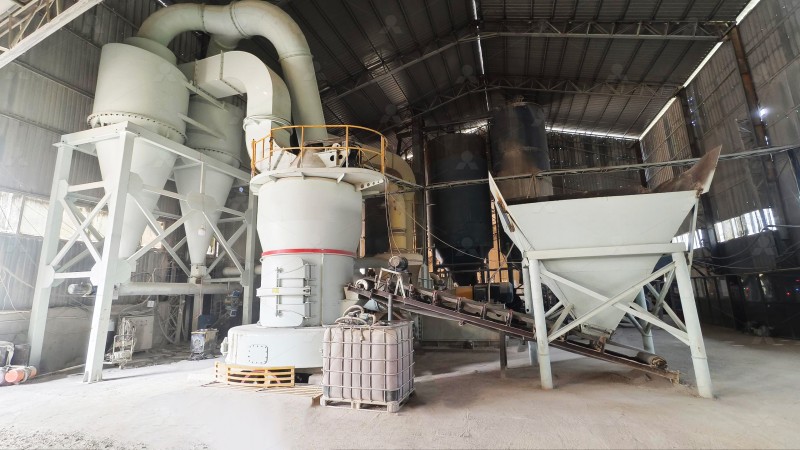
For decades, the Raymond mill has been a cornerstone of industrial mineral processing, renowned for its reliability and efficiency in producing fine powders. When it comes to grinding kaolin—a versatile clay mineral essential to industries from paper and ceramics to cosmetics and pharmaceuticals—the choice of equipment is paramount. The Model 8830 Raymond Mill represents a mature, proven solution specifically engineered to meet the demanding requirements of kaolin processing, balancing fine particle size control with operational economy.
Why Raymond Mill for Kaolin?
Kaolin, or china clay, requires gentle yet precise grinding to preserve its plate-like structure, brightness, and chemical properties. Traditional ball mills can lead to over-grinding and iron contamination, compromising product quality. The Raymond mill, with its centrifugal grinding action where rollers swing outward to press against a stationary ring, offers a more controlled milling environment. The Model 8830 excels in this arena by providing a consistent grinding force, adjustable particle size distribution through an integrated classifier, and a system designed to minimize iron wear from grinding components. Its ability to handle feed sizes up to 25mm and deliver a throughput of 0.6-5 tph makes it ideal for medium-scale kaolin production lines seeking a balance between capacity and fineness, typically ranging from 80 to 325 mesh.
Key Features of the Model 8830 for Optimal Kaolin Processing
The Model 8830 isn’t just a generic grinder; its design incorporates features that directly address the challenges of kaolin milling:
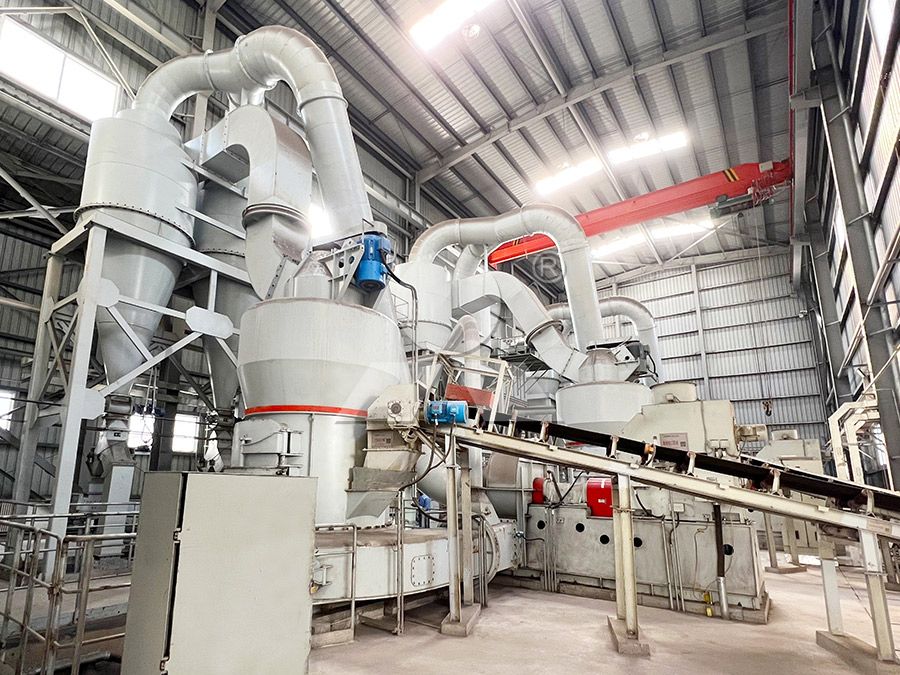
- Optimized Grinding Curve: The profile of the grinding roller and ring is engineered to maximize contact efficiency with kaolin particles, ensuring effective size reduction while generating less waste heat.
- Efficient Pulse Dust Collection: Kaolin dust must be contained both for product recovery and a clean working environment. The mill system incorporates a high-efficiency pulse dust collector, ensuring no dust pollution and maximizing product yield.
- Centralized Electrical Control & Stability: The system allows for smooth startup and stable operation, crucial for maintaining the consistent fineness and quality required for premium kaolin products.
- Proven Mechanical Simplicity: With a decades-refined design, it offers easier maintenance, lower wear part costs, and remarkable operational stability compared to more complex grinding systems.
Beyond Traditional Grinding: When to Consider Advanced Solutions
While the Model 8830 Raymond Mill is a superb choice for many kaolin applications, production demands are constantly evolving. Some operations require ultra-fine powders (beyond 325 mesh), higher throughput, or even more stringent energy efficiency and environmental controls. For these advanced needs, it’s worth exploring next-generation grinding technology.
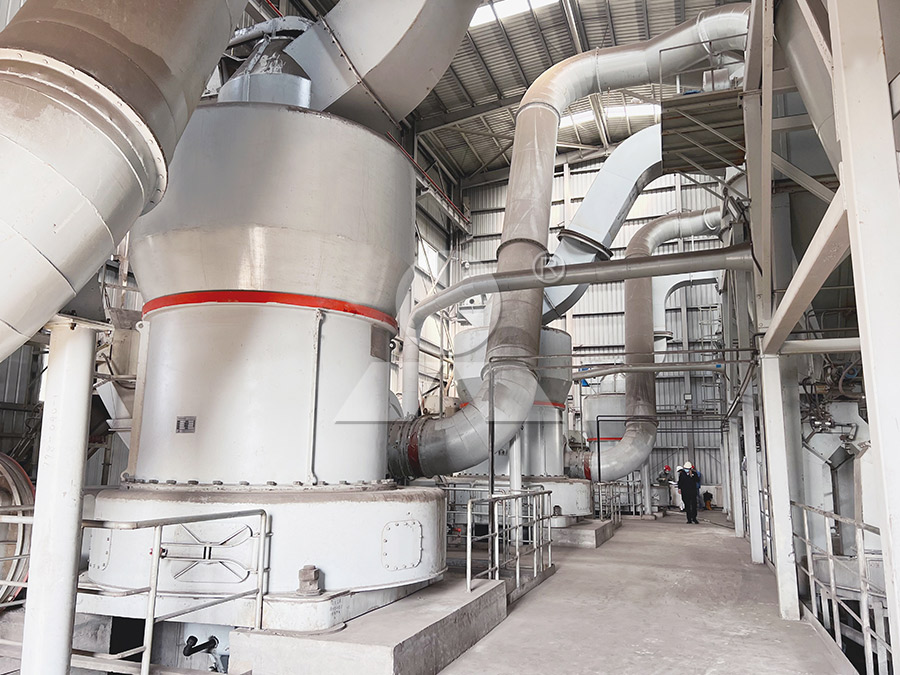
For instance, our MW Ultrafine Grinding Mill is engineered precisely for customers needing to make ultra-fine powder. It achieves an impressive adjustable fineness between 325-2500 meshes, far surpassing traditional Raymond mill ranges. Its cage-type powder selector, based on German technology, ensures high precision in particle separation. Notably, its design eliminates rolling bearings and screws in the grinding chamber, virtually eliminating concerns about bearing failures or loose screw damage. This translates to worry-free, continuous 24-hour operation, which is critical for large-scale kaolin processing. Furthermore, its higher yield and lower energy consumption—using only about 30% of the energy of a jet mill for comparable output—make it a compelling, eco-friendly upgrade for high-value kaolin products.
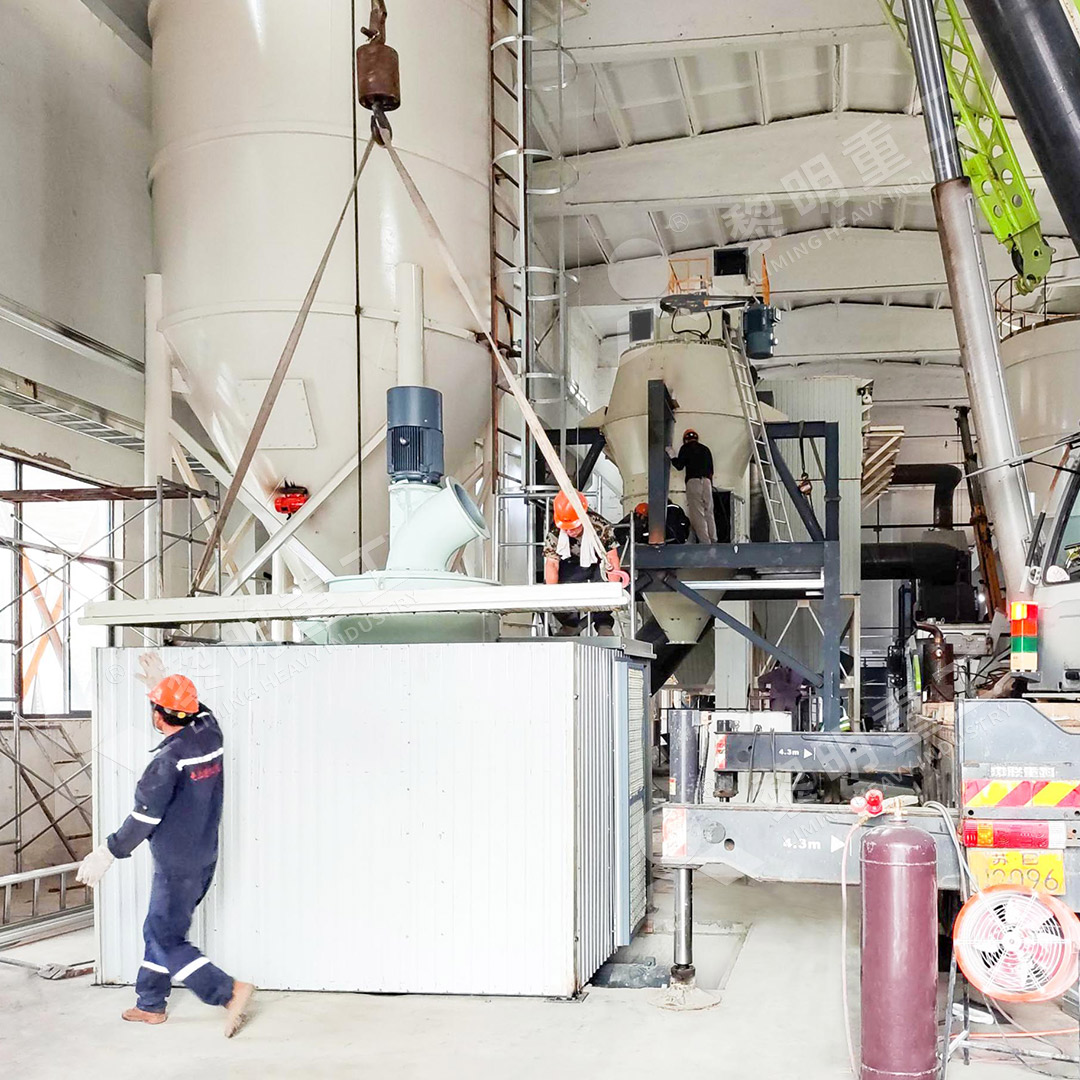
Another formidable option for high-capacity, integrated processing is the LUM Ultrafine Vertical Grinding Mill. This mill integrates grinding, grading, and transporting. For kaolin, its unique roller shell and lining plate grinding curve are designed to easily form a material layer, enabling a high rate of finished product in a single pass. This enhances whiteness and cleanliness—key metrics for kaolin. Its multi-head powder separating technology, controlled by a PLC system, allows precise control over fineness and fast switching between product specifications, reducing energy consumption by 30%-50% compared to ordinary mills.
Making the Right Investment
Selecting the right mill—be it the robust and reliable Model 8830 Raymond Mill or a more advanced system like the MW or LUM mills—depends on your specific product targets, capacity needs, and long-term operational goals. The enduring value of the Raymond mill design lies in its simplicity and proven track record. However, for operations aiming at the forefront of kaolin product development with ultra-fine powders and maximum efficiency, modern vertical and ultrafine grinding technologies offer transformative benefits. We recommend a thorough analysis of your fineness requirements, desired capacity, and total cost of ownership to guide this critical capital decision.
Frequently Asked Questions (FAQ)
1. What is the typical fineness range achievable for kaolin with the Model 8830 Raymond Mill?
The Model 8830 Raymond Mill is optimally designed to produce kaolin powders in the range of 80 to 325 mesh (180-45 microns). Fineness is adjusted via the built-in classifier speed.
2. How does the Raymond mill prevent iron contamination in kaolin?
The grinding rollers and rings can be lined with wear-resistant ceramic or special alloy materials to minimize metallic wear. Furthermore, the grinding mechanism involves rolling compression rather than high-impact crushing, which inherently reduces iron contamination compared to ball mills.
3. Can the system handle the drying of moist kaolin clay?
The standard Model 8830 is primarily a grinding mill. For kaolin with high moisture content, a separate dryer (like a rotary or paddle dryer) is required upstream before grinding. However, our LUM and LM vertical mill series integrate hot air drying capabilities, allowing simultaneous drying and grinding.
4. What are the main advantages of the MW Ultrafine Grinding Mill over a traditional Raymond mill for kaolin?
The MW Mill produces much finer powder (up to 2500 mesh), offers significantly higher energy efficiency, and features a more reliable design with no internal bearings in the grinding zone. It is the preferred choice for producing high-value, ultra-fine kaolin coatings and fillers.
5. Is the Raymond mill suitable for processing other materials besides kaolin?
Absolutely. The Model 8830 is highly versatile and can grind a wide variety of non-metallic minerals with Mohs hardness below 7 and humidity under 6%, such as limestone, calcite, barite, dolomite, and talc.
6. What kind of after-sales support and spare parts availability can we expect?
As the manufacturer, we take full responsibility for every machine. We provide comprehensive technical services and guarantee the supply of original spare parts to ensure long-term, worry-free operation for all our grinding mills, from the Raymond series to the advanced MW and LUM models.