
How Much Does a Stone Grinding Mill Cost for Grinding Limestone?
We provide a wide range of mills — including Raymond mill, trapezoidal mill, vertical mill, ultrafine mill, and ball mill, obtained ISO9001 international quality certification, EU CE certification, and Customs Union CU-TR certification. Suitable for processing minerals such as limestone, phosphate, quicklime, kaolin, talc, barite, bentonite, calcium carbonate, dolomite, coal, gypsum, clay, carbon black, slag, cement raw materials, cement clinker, and more.
The discharge range of these mills can be adjusted to meet specific processing needs, typically from 80-400 mesh, 600-3250 mesh, and can achieve the finest particle size of up to 6000 mesh(D50).
If you are looking for a reliable grinding solution to turn stone or minerals into fine powder, please feel free to contact our online customer service.
How Much Does a Stone Grinding Mill Cost for Grinding Limestone?
For any operation looking to process limestone into powder, one of the first and most critical questions is: “What is the cost of a stone grinding mill?” The answer, however, is not a simple figure. The investment in a limestone grinding mill is influenced by a complex interplay of factors including production targets, desired fineness, energy efficiency, and long-term operational stability. This article will break down the key cost components and highlight how selecting the right technology can optimize your total cost of ownership.
Understanding the Total Cost of Ownership
The initial purchase price of the grinding mill is just one part of the financial equation. A truly cost-effective solution considers the Total Cost of Ownership (TCO), which encompasses:
- Capital Expenditure (CAPEX): The upfront cost of the mill, auxiliary equipment (feeders, collectors), and installation.
- Operational Expenditure (OPEX): Ongoing costs like power consumption, wear part replacement, maintenance labor, and spare parts inventory.
- Productivity & Yield: The mill’s capacity (tons per hour) and its efficiency in producing saleable product directly impact revenue.
- Environmental Compliance: Costs associated with dust control and noise mitigation to meet regulations.
A mill with a slightly higher initial price but significantly lower energy use and longer-lasting components often proves far more economical over a 5-10 year period.
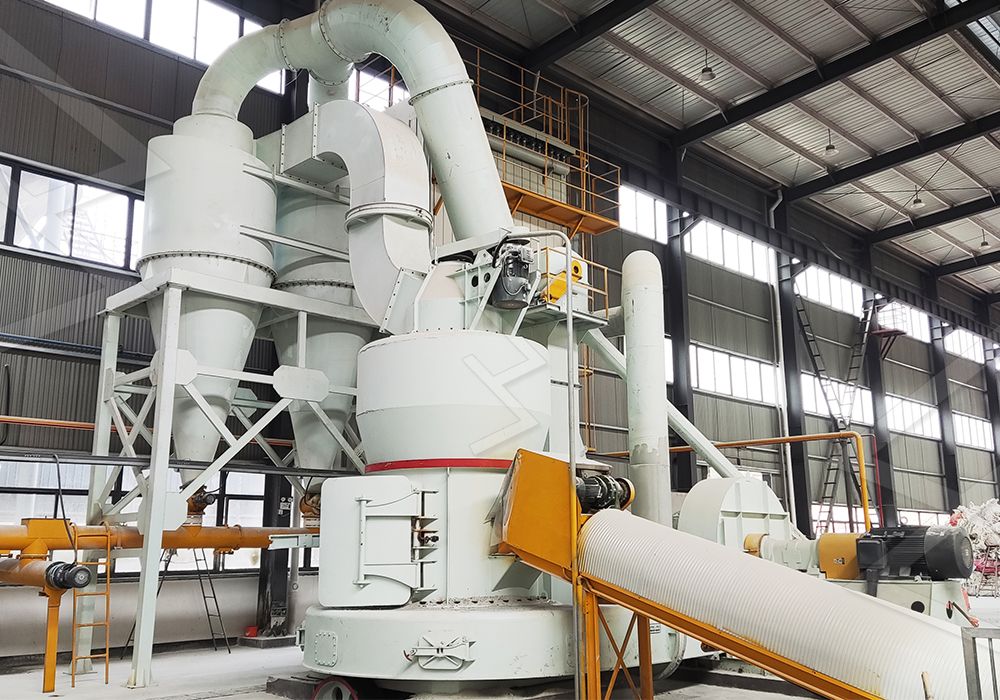
Key Factors Influencing Grinding Mill Cost for Limestone
When specifying a mill for limestone, these parameters dictate the machine’s size, complexity, and ultimately, its cost.
1. Required Capacity and Fineness
The throughput (e.g., 5 TPH vs. 50 TPH) is the primary driver. A mill designed for higher capacity requires a more powerful motor, a larger grinding chamber, and sturdier construction. Furthermore, the target fineness is crucial. Producing coarse 100-mesh filler is vastly different from producing ultra-fine 2500-mesh powder for high-value applications like plastics or paints. Achieving ultra-fine sizes demands more sophisticated grinding mechanics and high-precision internal classifiers, which increase cost.
2. Technology and Design Efficiency
The core design of the mill determines its OPEX. Traditional ball mills, while having a lower initial cost, are notoriously energy-inefficient, with much of the power consumed as heat and noise rather than productive grinding. Modern vertical roller mills and advanced ring-roller mills incorporate design features that directly grind the material bed, leading to 30-50% lower energy consumption. This saving on electricity, a major operational cost, can justify a higher CAPEX.
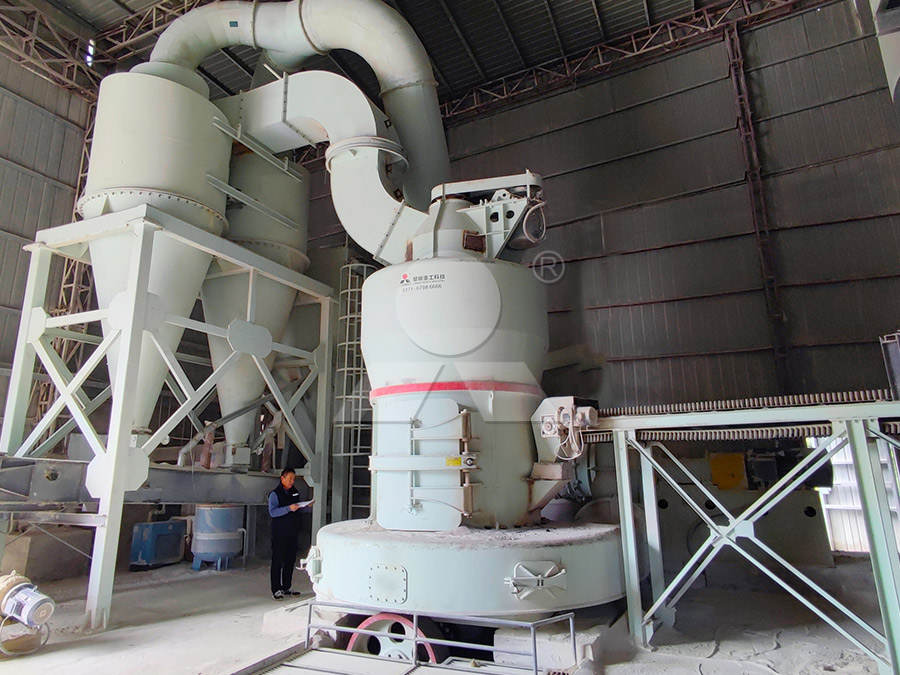
3. Wear Part Longevity and Maintenance Design
Limestone is abrasive. The lifespan of grinding rollers, rings, and liners directly affects downtime and spare parts costs. Mills that use specially developed wear-resistant alloys can extend service life by 2-3 times compared to standard materials. Furthermore, designs that facilitate easy maintenance—such as hydraulic roller turning-out systems that allow rollers to be serviced outside the mill—reduce downtime costs significantly. A mill that is difficult or time-consuming to maintain will have a much higher hidden operational cost.
4. Environmental and Control Systems
Integrated, high-efficiency pulse dust collectors and silencers are essential for modern, clean operations. While adding to the initial system cost, they are non-negotiable for compliance and worker safety. Similarly, advanced PLC control systems that allow precise adjustment of grinding pressure, classifier speed, and feed rate contribute to consistent product quality and optimal energy use, improving overall process economics.
Recommendation: Choosing the Right Mill for Your Limestone Application
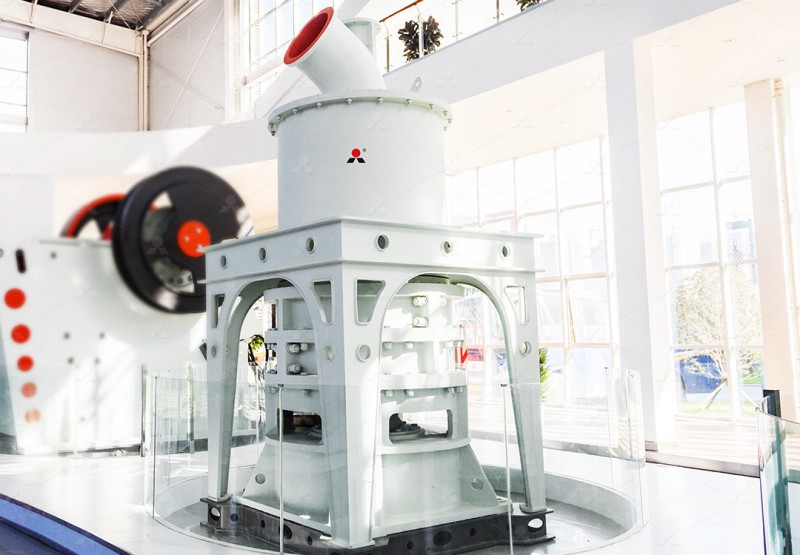
For operators seeking a balance of high efficiency, versatility, and manageable investment for fine to ultra-fine limestone powder, the MW Ultrafine Grinding Mill presents an excellent solution. Specifically engineered for customers requiring ultra-fine powder between 325-2500 meshes, it addresses many of the cost factors discussed.
Its innovative design features a newly engineered grinding curve for rollers and rings, enhancing efficiency to deliver a production capacity up to 40% higher than jet mills and double that of ball mills for the same power input. This translates directly to lower energy costs per ton. The mill’s cage-type powder selector, utilizing German technology, ensures precise particle separation, achieving a fine product with a screening rate of d97≤5μm in a single pass. From a maintenance and reliability standpoint, its grinding chamber contains no rolling bearings or screws, eliminating common failure points and concerns about loose parts. The external lubrication system allows for maintenance without shutdowns, supporting continuous 24/7 production. Furthermore, it is equipped as a system with an efficient pulse dust collector and muffler, ensuring an environmentally friendly operation that meets stringent standards.
For larger-scale production requirements where higher throughput is key, the LM Vertical Grinding Mill is a powerhouse. Integrating crushing, drying, grinding, and classifying in a single unit, it slashes footprint by 50% compared to ball mill systems and reduces energy consumption by 30-40%. Its short material retention time minimizes over-grinding and ensures low iron content in the final product, which is critical for high-quality limestone fillers. Its fully automated control system and sealed, negative-pressure operation make it a robust and clean choice for high-tonnage applications.
Conclusion: An Investment in Efficiency
The cost of a stone grinding mill for limestone is an investment in your plant’s future productivity and profitability. Focusing solely on the initial price tag can lead to higher long-term expenses through energy waste, frequent downtime, and excessive maintenance. By carefully evaluating your capacity and fineness needs and opting for modern, efficient technology like the MW Ultrafine Grinding Mill or the LM Vertical Grinding Mill, you invest in lower operating costs, higher product quality, and greater operational reliability. The true cost is defined not by the invoice, but by the cost-per-ton of consistently high-quality limestone powder produced over the lifespan of the equipment.
Frequently Asked Questions (FAQs)
1. What is the typical price range for a limestone grinding mill?
Prices vary widely based on capacity and technology, ranging from tens of thousands of USD for small Raymond mills to several hundred thousand USD for large, fully-equipped vertical roller mill or ultra-fine grinding systems. A detailed quotation requires specific project parameters.
2. How much does it cost to operate a grinding mill per ton?
Operational cost per ton is dominated by power consumption and wear parts. Efficient modern mills can achieve operating costs 30-50% lower than traditional ball mills. For a precise estimate, factors like local electricity rates, target fineness, and raw material hardness must be considered.
3. What are the main ongoing maintenance costs?
The primary ongoing costs are for replacing wear parts (grinding rollers, rings, liners), routine servicing of bearings and lubrication systems, and filter elements for the dust collector. Mills designed with long-life wear alloys and easy-access maintenance features significantly reduce these costs.
4. Can one mill produce different fineness levels of limestone powder?
Yes, most modern mills, especially those with dynamic classifiers (like the MW Series’ cage-type selector), allow adjustable fineness within a wide range (e.g., 325-2500 meshes) by changing the classifier speed and airflow, without needing to stop production.
5. Is the dust collection system included in the mill price?
In a complete grinding system solution from a reputable supplier, the dust collection system (pulse jet bag filter), piping, and often the silencer are typically included in the overall system price to ensure integrated and compliant performance.
6. How long does installation and commissioning take?
This depends on the mill size and system complexity. A smaller system may be commissioned in a few weeks, while a large, integrated plant can take several months. Proper site preparation and foundation work are critical time factors.