
New Raymond Mill Price for Industrial Powder Processing
We provide a wide range of mills — including Raymond mill, trapezoidal mill, vertical mill, ultrafine mill, and ball mill, obtained ISO9001 international quality certification, EU CE certification, and Customs Union CU-TR certification. Suitable for processing minerals such as limestone, phosphate, quicklime, kaolin, talc, barite, bentonite, calcium carbonate, dolomite, coal, gypsum, clay, carbon black, slag, cement raw materials, cement clinker, and more.
The discharge range of these mills can be adjusted to meet specific processing needs, typically from 80-400 mesh, 600-3250 mesh, and can achieve the finest particle size of up to 6000 mesh(D50).
If you are looking for a reliable grinding solution to turn stone or minerals into fine powder, please feel free to contact our online customer service.
Navigating the Cost of Modern Powder Processing: Beyond Traditional Raymond Mills
The industrial landscape for fine and ultra-fine powder production is evolving rapidly. While the term “Raymond Mill” has long been synonymous with grinding, today’s market demands far more than the first-generation technology can offer. The true question for plant managers and procurement specialists is no longer simply “What is the price of a Raymond mill?” but rather, “What is the total cost of ownership and operational efficiency for my specific powder processing needs?” Modern advancements have redefined performance benchmarks, making factors like energy consumption per ton, fineness control, and environmental compliance critical components of the real price calculation.
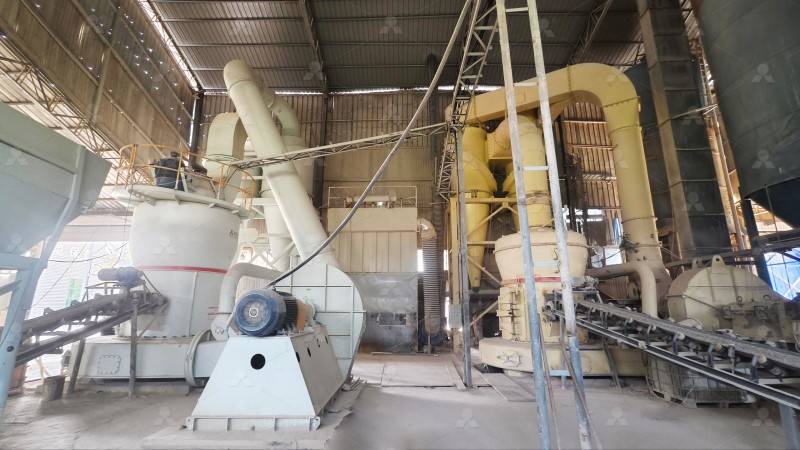
The Evolution of Grinding: From Raymond to Advanced Ultrafine Solutions
Traditional Raymond mills served their purpose, but limitations in fineness range, energy efficiency, and dust control are now significant drawbacks. Contemporary processing of materials like limestone, calcite, dolomite, and specialty chemicals for paints, cosmetics, and food additives requires precision that older designs struggle to achieve. The new generation of mills integrates sophisticated powder selection, digital control systems, and eco-friendly designs that minimize waste and maximize yield. This technological leap means the initial purchase price is just one part of a complex financial equation that includes throughput, power bills, maintenance downtime, and end-product quality.
Key Features Driving Value in Modern Grinding Systems
When evaluating new equipment, several features directly impact long-term cost and performance. Higher yield with lower energy consumption is paramount; some advanced mills can increase capacity by up to 40% while using 30-50% less power compared to older jet or ball mill systems. Adjustable fineness, often between 325 to 2500 meshes, provides crucial flexibility for producing different product grades from a single machine. Furthermore, designs that eliminate internal components like rolling bearings and screws in the grinding chamber drastically reduce the risk of catastrophic failure and unscheduled stoppages. Finally, integrated pulse dust collectors and mufflers are no longer optional extras but essential for meeting global environmental standards and ensuring a clean, safe workplace.
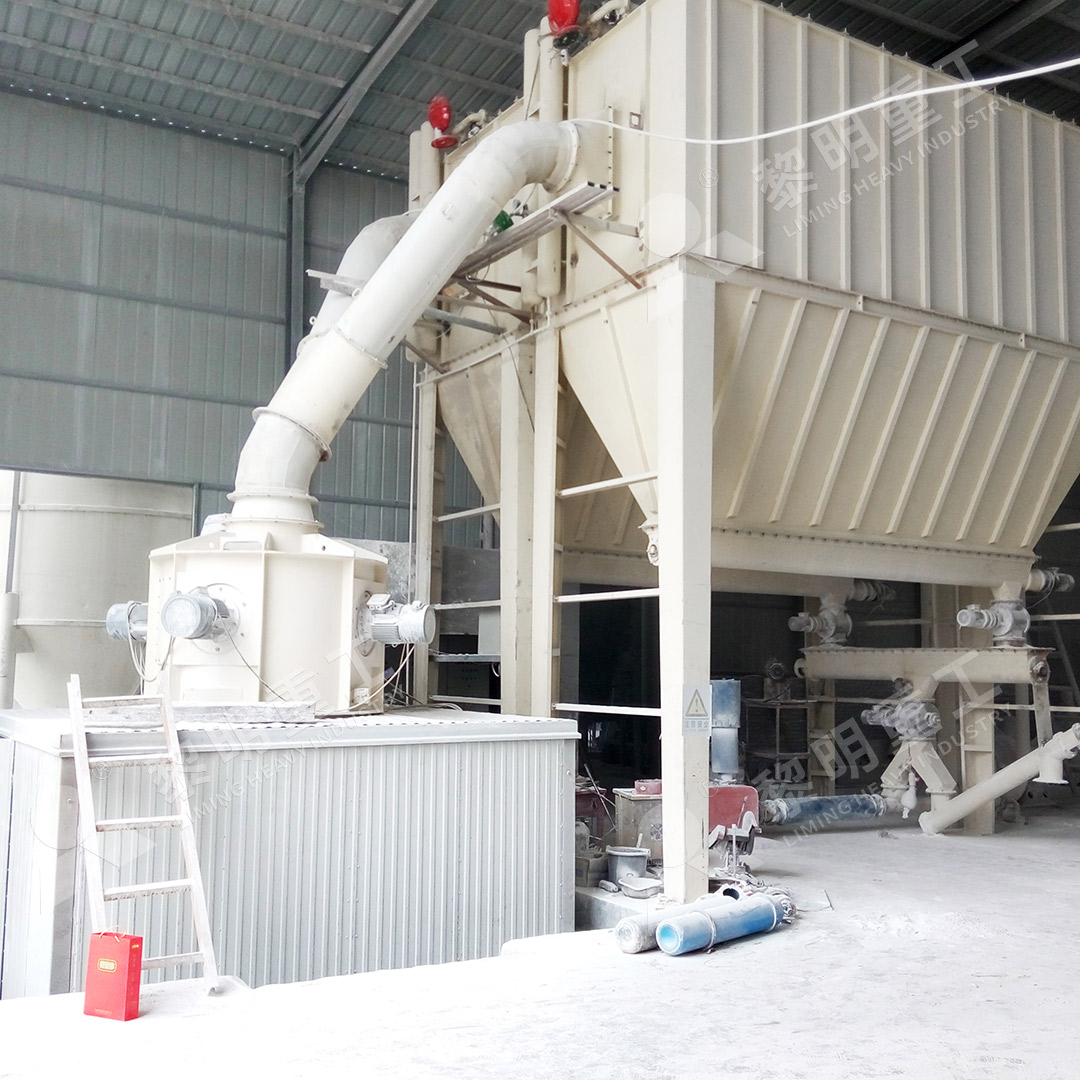
Spotlight on Advanced Solutions: The MW Ultrafine Grinding Mill
For operations requiring superior fineness and efficiency, the MW Ultrafine Grinding Mill represents a significant step forward. Engineered for customers who need to make ultra-fine powder, this machine addresses the core challenges of modern processing. It handles an input size of 0-20 mm with a capacity ranging from 0.5 to 25 tons per hour, making it suitable for a wide scale of production. Its core advantages are transformative: a newly designed grinding curve enhances efficiency, yielding up to 40% higher production capacity than jet mills for the same power input. Its German-technology cage-type powder selector allows precise fineness adjustment between 325-2500 meshes, achieving a d97≤5μm screening rate in a single pass.
Perhaps most critically for operational cost, its chamber contains no rolling bearings or screws, eliminating common failure points. The lubrication system is externally accessed, enabling 24/7 continuous operation. Coupled with its efficient pulse dust collector, the MW Ultrafine Grinding Mill ensures production is not only high-performing but also clean and compliant, turning operational stability and environmental responsibility into tangible economic benefits.
Vertical Integration: The LUM Ultrafine Vertical Grinding Mill Advantage
Another paradigm in powder processing is the vertical roller mill design, exemplified by the LUM Ultrafine Vertical Grinding Mill. This system is ideal for slightly different parameters, with an input size of 0-10 mm and a capacity of 5-18 tph. Its independently designed grinding curve promotes easier material layer formation, enabling a high rate of finished product from a single pass, which enhances whiteness and cleanliness—a vital factor for industries like cosmetics and high-grade fillers. The LUM mill incorporates PLC control and multi-head powder separating technology, solving the dual problems of precise particle cut-point and rapid switching between product demands. Its double position-limiting technology provides exceptional stability, protecting against mechanical shock, while a reversible grinding roller structure simplifies maintenance, reducing downtime and associated losses.
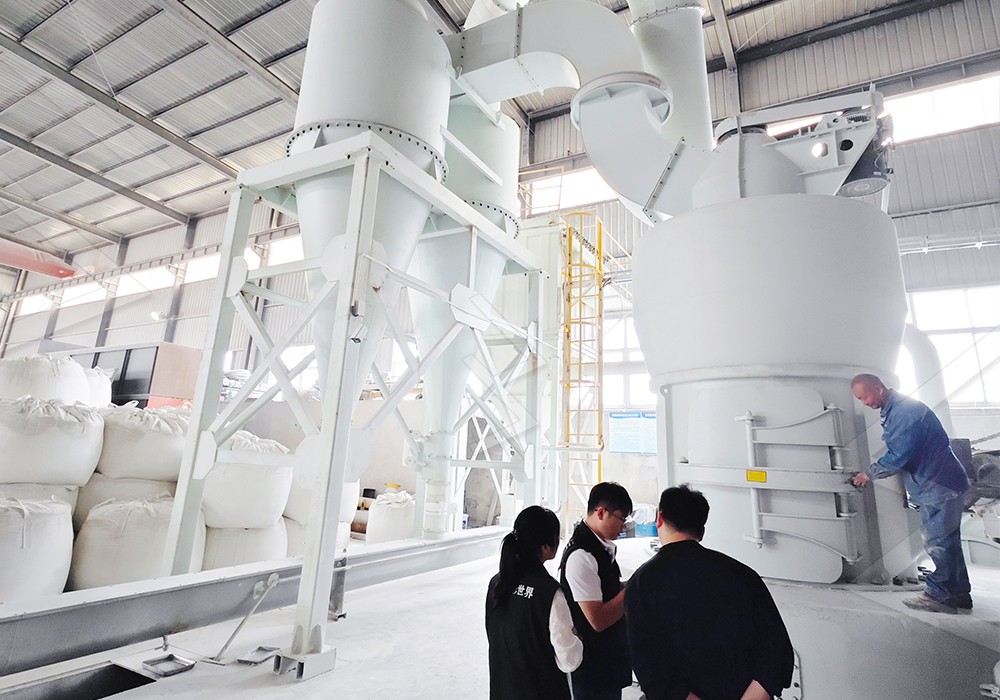
Calculating the Real Price: Total Cost of Ownership
Therefore, the “price” of a new Raymond-style mill must be viewed through the lens of Total Cost of Ownership (TCO). A lower initial investment in outdated technology can be quickly eclipsed by higher energy bills, frequent maintenance, inconsistent product quality, and environmental non-compliance fines. Advanced mills like the MW and LUM series are built with digitalized, high-precision machining and backed by comprehensive spare parts support and technical services. This translates to worry-free operation, predictable maintenance schedules, and sustained high-quality output. The investment secures not just a machine, but a reliable, efficient, and future-proof production process.
Conclusion: Investing in Precision and Efficiency
The market for industrial powder processing equipment offers clear choices. The path to profitability and quality lies in selecting technology that transcends the limitations of traditional designs. By focusing on mills that deliver higher yield, lower energy use, unparalleled fineness control, and robust, eco-friendly operation, businesses can truly optimize their processing costs. The advanced engineering behind mills like the MW Ultrafine Grinding Mill and the LUM Ultrafine Vertical Grinding Mill provides a compelling answer to the modern question of price, defining it not as a simple sticker cost, but as the key to long-term, sustainable production excellence.
Frequently Asked Questions (FAQ)
- What is the primary difference between a traditional Raymond mill and the newer MW Ultrafine Grinding Mill?
The MW Ultrafine Grinding Mill is designed for much finer powder production (up to 2500 mesh) with significantly higher energy efficiency. It incorporates advanced powder selection technology, lacks internal rolling bearings in the grinding zone to prevent major failures, and includes integrated environmental controls, which are not typically found in first-generation Raymond mills. - Can the MW Mill handle hard and abrasive materials?
Yes, it is suitable for a range of medium-hardness materials including limestone, calcite, dolomite, barite, and talc. Its wear-resistant design and absence of vulnerable internal screws and bearings make it robust for continuous processing of such materials. - How does the adjustable fineness work on these advanced mills?
Mills like the MW series use a cage-type powder selector. By adjusting the speed of this selector, the centrifugal force separating fine and coarse particles is controlled, allowing operators to precisely dial in the desired product fineness within the 325-2500 mesh range. - What kind of maintenance should I expect with the MW Ultrafine Grinding Mill?
Maintenance is simplified. Key features like external lubrication allow for servicing without shutdown, and the design eliminates common failure points. Regular maintenance typically involves checking wear parts like grinding rings and rollers, which are easily accessible. - Are these mills suitable for food-grade or pharmaceutical powder production?
The MW and LUM mills, with their high cleanliness, low iron contamination risk, and effective sealed systems with dust collection, are well-suited for industries like food additives and pharmaceuticals where product purity and consistency are critical. Specific material contact parts can be discussed to meet industry standards. - How significant are the energy savings compared to a ball mill?
Savings are substantial. The MW Ultrafine Grinding Mill can achieve the same or higher yield with approximately 30-40% less energy consumption compared to a traditional ball mill system, making it a cost-effective choice over its operational lifetime.