
How Does a Slag Grinding Mill Machine Work?
We provide a wide range of mills — including Raymond mill, trapezoidal mill, vertical mill, ultrafine mill, and ball mill, obtained ISO9001 international quality certification, EU CE certification, and Customs Union CU-TR certification. Suitable for processing minerals such as limestone, phosphate, quicklime, kaolin, talc, barite, bentonite, calcium carbonate, dolomite, coal, gypsum, clay, carbon black, slag, cement raw materials, cement clinker, and more.
The discharge range of these mills can be adjusted to meet specific processing needs, typically from 80-400 mesh, 600-3250 mesh, and can achieve the finest particle size of up to 6000 mesh(D50).
If you are looking for a reliable grinding solution to turn stone or minerals into fine powder, please feel free to contact our online customer service.
How Does a Slag Grinding Mill Machine Work?
In modern industrial processing, particularly in steel manufacturing and construction material production, slag—a byproduct of smelting and refining—presents both a disposal challenge and a valuable resource opportunity. Efficiently grinding this hard, abrasive material into fine powder for use in cement, concrete, or as a soil amendment requires specialized machinery. The core technology enabling this transformation is the vertical slag grinding mill, a sophisticated piece of equipment whose operation is a marvel of mechanical and aerodynamic engineering.
The Core Working Principle: Pressure, Shear, and Air Flow
At its heart, a modern vertical slag mill operates on a bed-grinding principle, which is far more efficient than the impact-based grinding of traditional ball mills. The process is a continuous, integrated system combining drying, grinding, classification, and conveying within a single, compact unit.
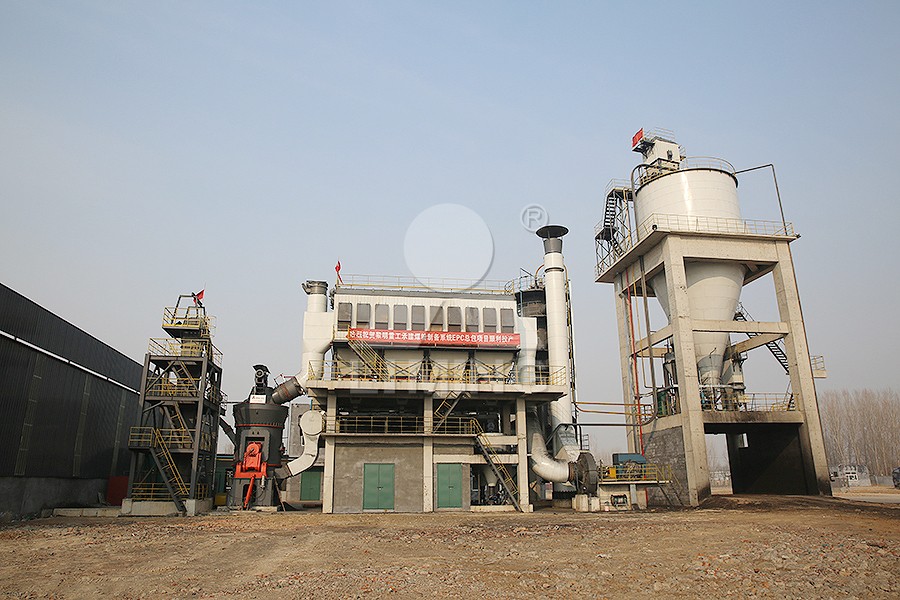
The journey begins with prepared slag, typically crushed to a size below 65mm. This material is fed via a screw conveyor onto the center of a rotating grinding table. As the table rotates, centrifugal force pushes the material outward towards the periphery. Here, it passes under two or more heavy, hydraulically-loaded grinding rollers. These rollers do not touch the table directly; instead, they roll over the bed of material, applying immense pressure. This pressure creates inter-particle crushing and shear forces, pulverizing the slag into finer particles.
Simultaneously, hot gas (often waste heat from a kiln or a dedicated hot air generator) is introduced from the bottom of the mill through a surrounding ‘wind ring’. This hot air serves a dual purpose: it dries the moist slag and transports the ground particles. As the fine particles are created, they are lifted by this upward air stream. Larger, heavier particles that are not yet fine enough fall back onto the grinding table for further processing, creating an internal circulation loop.
The Critical Role of Dynamic Classification
The ground and dried powder-air mixture rises to the top of the mill housing, where it encounters a critical component: the dynamic classifier or separator. This is often a rotating cage with adjustable vanes. Its function is to act as a precision gatekeeper. By controlling the classifier’s speed, operators can define the cut-point for particle size. Coarse particles are rejected by the classifier’s centrifugal action and fall back down for regrinding. Only particles that meet the target fineness (e.g., with a Blaine surface area of over 420 m²/kg for cement applications) pass through and exit the mill with the air flow.
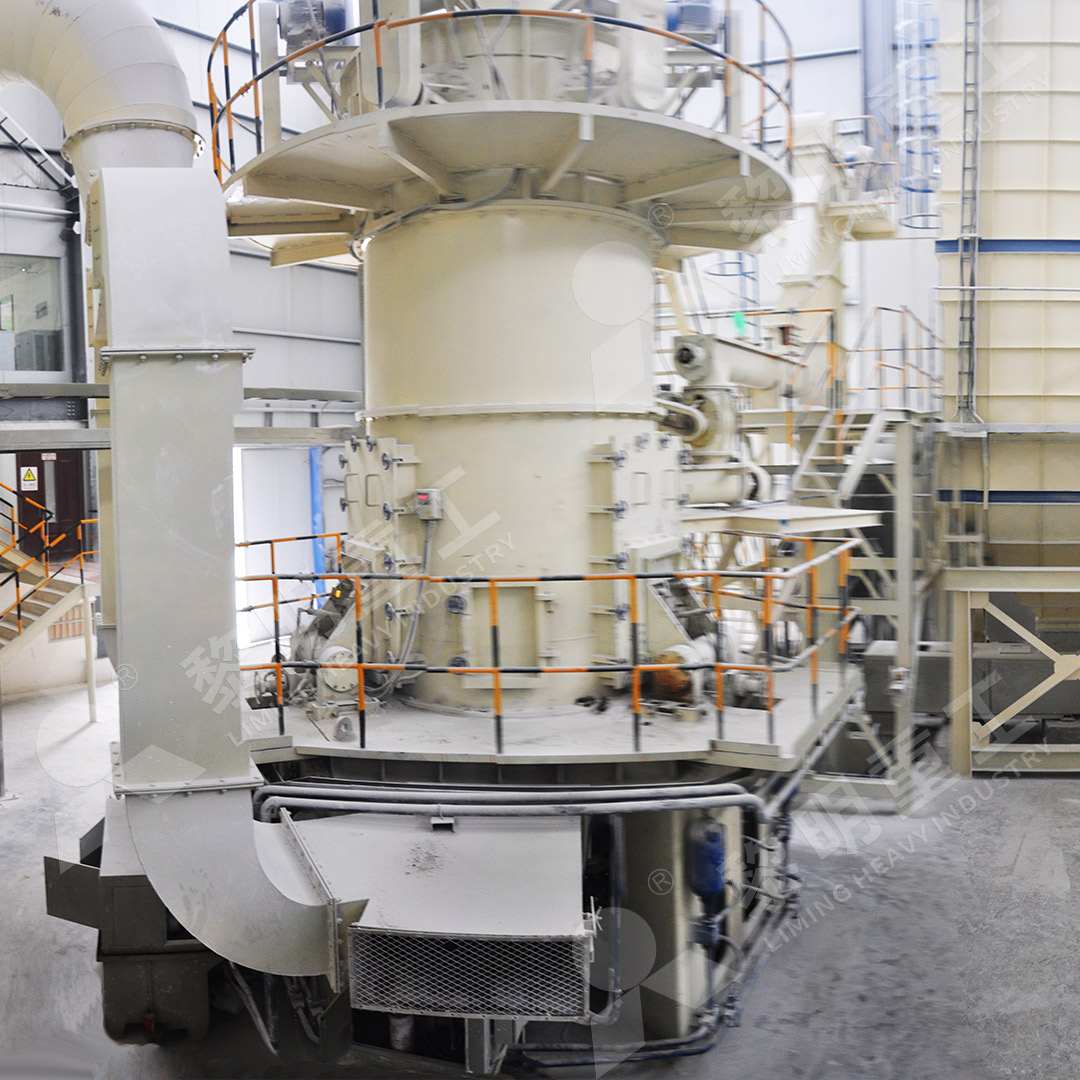
This closed-circuit grinding and classification system within a single machine is key to its energy efficiency and product consistency. It ensures no energy is wasted over-grinding already-fine particles and guarantees a narrow, uniform particle size distribution in the final product.
Advanced Design for Slag-Specific Challenges
Grinding slag is exceptionally demanding on equipment due to its hardness and abrasiveness. Therefore, modern slag mills incorporate specific features to ensure reliability and longevity:
- Wear-Resistant Technology: Grinding rollers and tables are armored with highly durable, replaceable wear plates made from advanced alloys or composite materials.
- Hydraulic System: The grinding pressure is applied via a hydraulic system, allowing for optimal pressure adjustment based on feed rate and material hardness, and enabling the rollers to lift over uncrushable objects.
- Integrated Drying: The ability to handle hot air up to 450°C allows the mill to process slag with moisture content of up to 15-20% in a single pass, eliminating the need for a separate, energy-intensive dryer.
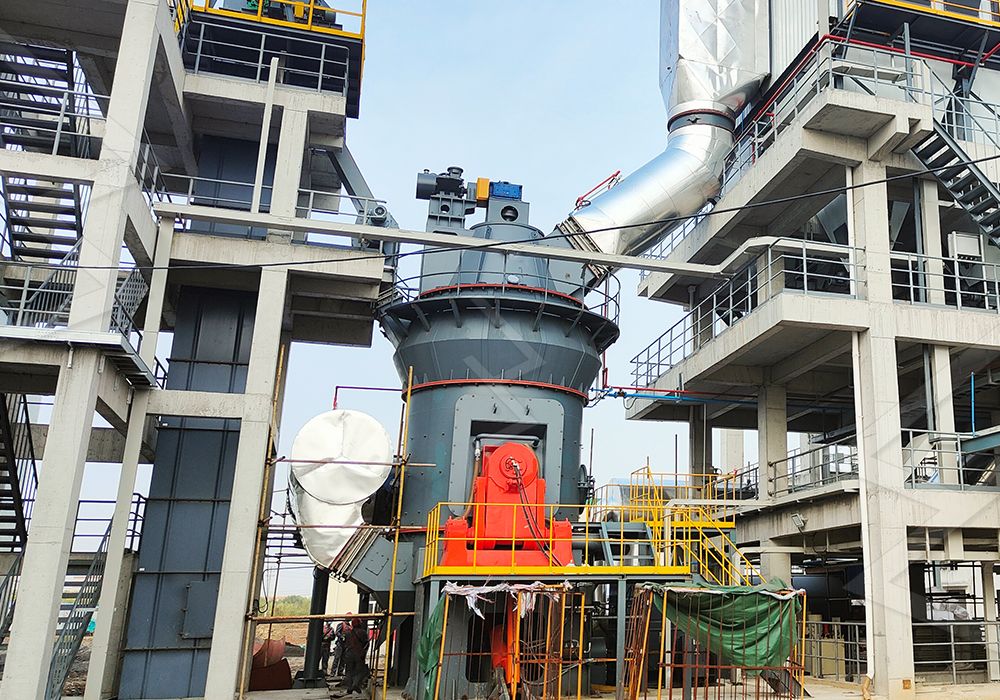
Introducing the LIMING LM Vertical Slag Mill: Engineered for Performance
When selecting equipment for slag grinding, the integration of design, durability, and efficiency is paramount. The LIMING LM Vertical Slag Mill is a purpose-built machine that exemplifies this integration. Specifically designed for grinding industrial wastes like granulated blast furnace slag and steel slag, it transforms these materials into high-value additives.
The LM Vertical Slag Mill integrates drying, grinding, powder selection, and conveying into one coherent system. Its vertical structure reduces the plant footprint by approximately 50% compared to a traditional ball mill system, while its energy consumption is dramatically lower—saving 30% to 40% on power. It handles input sizes of 38-65mm with capacities ranging from 7 to over 100 tons per hour. The mill’s robust construction, featuring high-performance wear-resistant materials for critical components, ensures reliable, continuous operation with minimal maintenance downtime. For operations focused on sustainability and cost-effectiveness in slag valorization, the LM Vertical Slag Mill represents a proven, high-efficiency solution.
From Waste to Resource: The Final Product Journey
The fine powder that successfully passes through the classifier is carried by the air stream out of the mill and into a collection system, typically a baghouse or cyclone dust collector. Here, the product is separated from the air, which is then recycled back into the mill or vented after cleaning. The collected slag powder, now a consistent, fine-grained material, is ready for storage, packaging, or direct injection into the cement production process as a supplementary cementitious material, completing its transformation from industrial byproduct to valuable commodity.
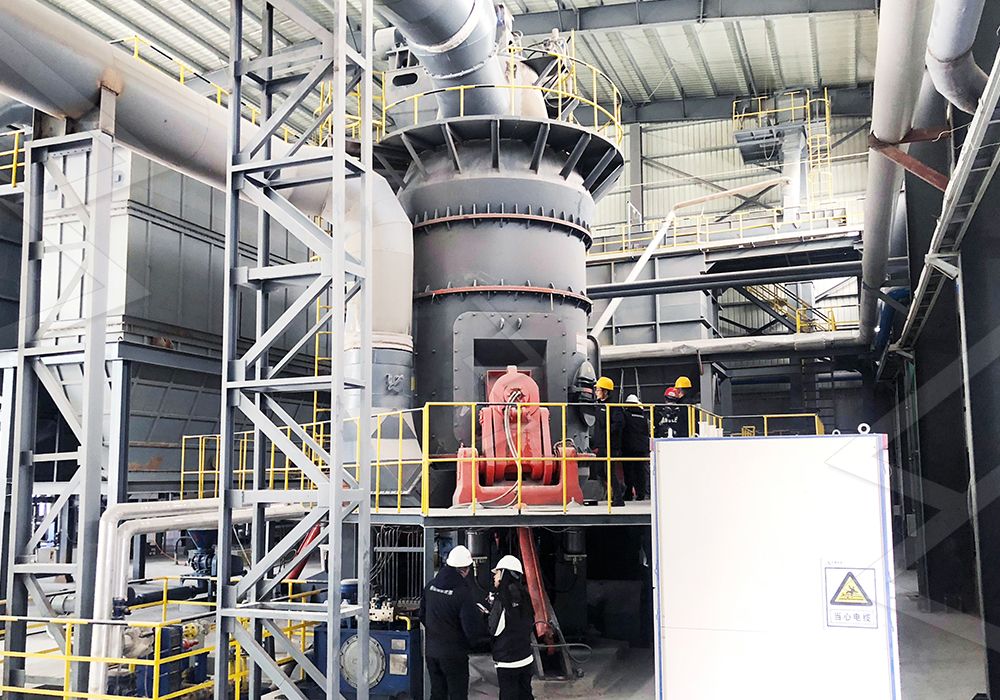
In conclusion, the working principle of a slag grinding mill is a sophisticated symphony of mechanical force, aerodynamic transport, and precision separation. By mastering these elements, modern vertical mills like the LIMING LM series provide an indispensable tool for the circular economy, turning waste into wealth with remarkable efficiency.
Frequently Asked Questions (FAQs)
- What are the main advantages of a vertical mill over a traditional ball mill for slag grinding?
Vertical mills offer significantly higher energy efficiency (30-40% less power consumption), integrated drying capability, a much smaller physical footprint, and better control over product fineness and particle size distribution compared to ball mills. - Can a slag grinding mill handle wet or moist slag feed?
Yes, modern vertical slag mills like the LIMING LM model are designed with integrated drying. They can accept slag with moisture content typically up to 15-20% by utilizing hot gas introduced into the grinding chamber, eliminating the need for pre-drying. - How is the fineness of the final slag powder controlled?
Fineness is primarily controlled by adjusting the speed of the dynamic classifier located at the top of the mill. A higher rotor speed creates greater centrifugal force, allowing only finer particles to pass, resulting in a finer product. - What kind of maintenance do the grinding rollers and table require?
The wear parts (roller tires and table liners) are made from special wear-resistant alloys and are designed to be replaceable. Maintenance involves periodic inspection and eventual replacement based on wear monitoring. Advanced designs feature hydraulic systems that allow rollers to be swung out of the mill for easier servicing. - Is the grinding process environmentally friendly?
Yes. The entire grinding system operates under negative pressure, preventing dust emissions. Furthermore, by valorizing industrial slag into a useful product, the process reduces landfill waste and the carbon footprint associated with cement production when slag replaces a portion of clinker. - What is the typical capacity range for an industrial slag grinding mill?
Capacities vary widely based on model and product fineness. For example, the LIMING LM Vertical Slag Mill offers a range from 7 to over 100 tons per hour, allowing it to serve both medium and large-scale operations.