
New 4R3216 Raymond Mill for Efficient Industrial Powder Grinding
We provide a wide range of mills — including Raymond mill, trapezoidal mill, vertical mill, ultrafine mill, and ball mill, obtained ISO9001 international quality certification, EU CE certification, and Customs Union CU-TR certification. Suitable for processing minerals such as limestone, phosphate, quicklime, kaolin, talc, barite, bentonite, calcium carbonate, dolomite, coal, gypsum, clay, carbon black, slag, cement raw materials, cement clinker, and more.
The discharge range of these mills can be adjusted to meet specific processing needs, typically from 80-400 mesh, 600-3250 mesh, and can achieve the finest particle size of up to 6000 mesh(D50).
If you are looking for a reliable grinding solution to turn stone or minerals into fine powder, please feel free to contact our online customer service.
New 4R3216 Raymond Mill for Efficient Industrial Powder Grinding
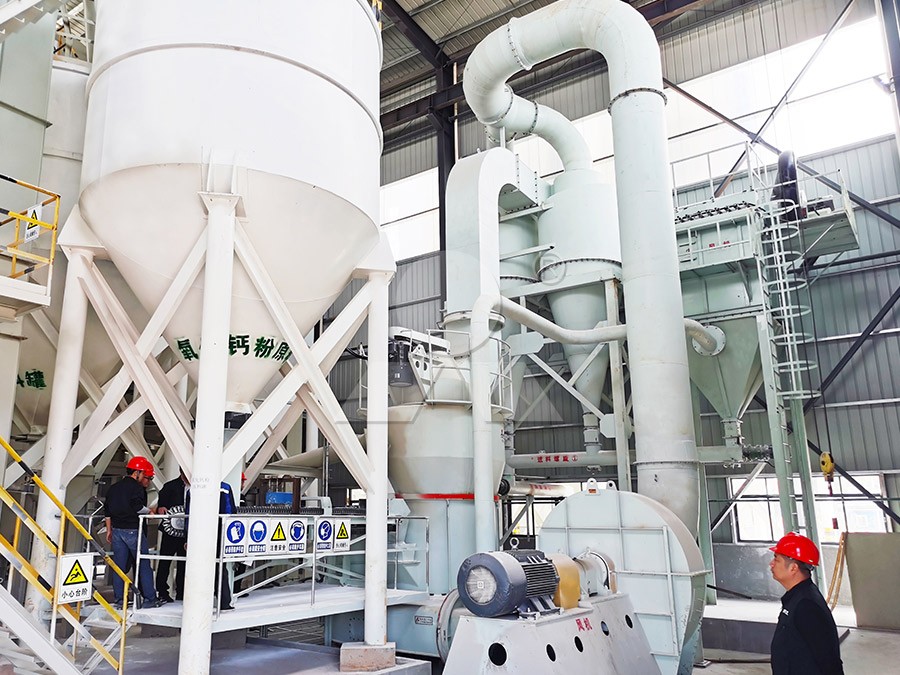
In the demanding world of industrial mineral processing, efficiency, reliability, and precision are non-negotiable. The introduction of the upgraded New 4R3216 Raymond Mill marks a significant leap forward in grinding technology, designed to meet the rigorous needs of modern production lines. This iteration builds upon the legendary durability of the Raymond mill design while integrating contemporary advancements for superior performance in producing fine powders between 80-325 mesh.
Engineered for Enhanced Performance and Reliability
The core of the New 4R3216’s superiority lies in its optimized grinding assembly. It features four grinding rollers, each applying substantial grinding force to the material bed against a durable grinding ring. The centrifugal force ensures consistent contact, leading to uniform particle size reduction. Key components, such as the rollers and rings, are manufactured from high-chromium alloy or other wear-resistant materials, dramatically extending service life and reducing downtime for part replacement. This mill is particularly adept at handling non-flammable and non-explosive materials with Mohs hardness below 7 and humidity under 6%, including but not limited to limestone, calcite, barite, dolomite, feldspar, and talc.
One of the standout features is its improved separator system. The upgraded analytical engine allows for precise control over product fineness. Operators can adjust the speed of the classifier to achieve the desired particle size distribution without stopping the mill, ensuring a continuous and efficient workflow. This dynamic adjustability is crucial for industries where product specifications can vary.
Operational Efficiency and Environmental Consideration
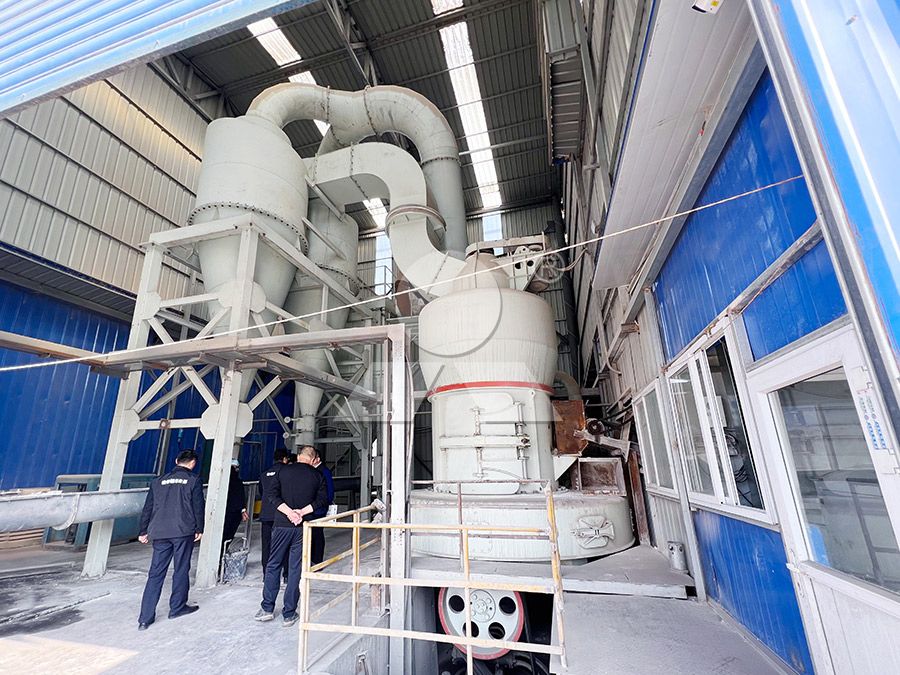
The New 4R3216 is designed with total operational cost in mind. Its transmission system, driven by a reliable gearbox, ensures smooth power delivery with minimal energy loss. The overall system layout is compact, reducing the footprint required for installation compared to traditional ball mills. Furthermore, the mill is designed to work in conjunction with efficient dust collection systems. While the base mill focuses on grinding, pairing it with a high-efficiency pulse dust collector—a standard companion in modern setups—ensures a clean working environment with dust emissions kept well within international standards. The enclosed negative pressure operation prevents dust spillage, protecting both equipment and personnel.
Beyond Traditional Grinding: When to Consider Advanced Solutions
While the New 4R3216 Raymond Mill excels in its range, certain applications demand even finer powders, higher throughput, or specialized handling of ultra-fine materials. For projects requiring product fineness between 325 to 2500 meshes, a dedicated ultrafine grinding platform becomes essential. This is where our advanced MW Ultrafine Grinding Mill demonstrates its unparalleled value.
The MW Series is engineered for customers who need to make ultra-fine powder with exceptional efficiency. It incorporates a German-technology cage-type powder selector that provides remarkable precision in particle separation, achieving a screening rate of d97≤5μm in a single pass. Its design eliminates rolling bearings and screws inside the grinding chamber, removing common failure points and concerns about loose parts. Externally accessible lubrication allows for maintenance without shutdown, supporting true 24/7 continuous production. With an input size of 0-20 mm and a capacity ranging from 0.5 to 25 tph, it is a powerhouse for industries like chemicals, paints, cosmetics, and high-end fillers where ultra-fine particle size is critical.
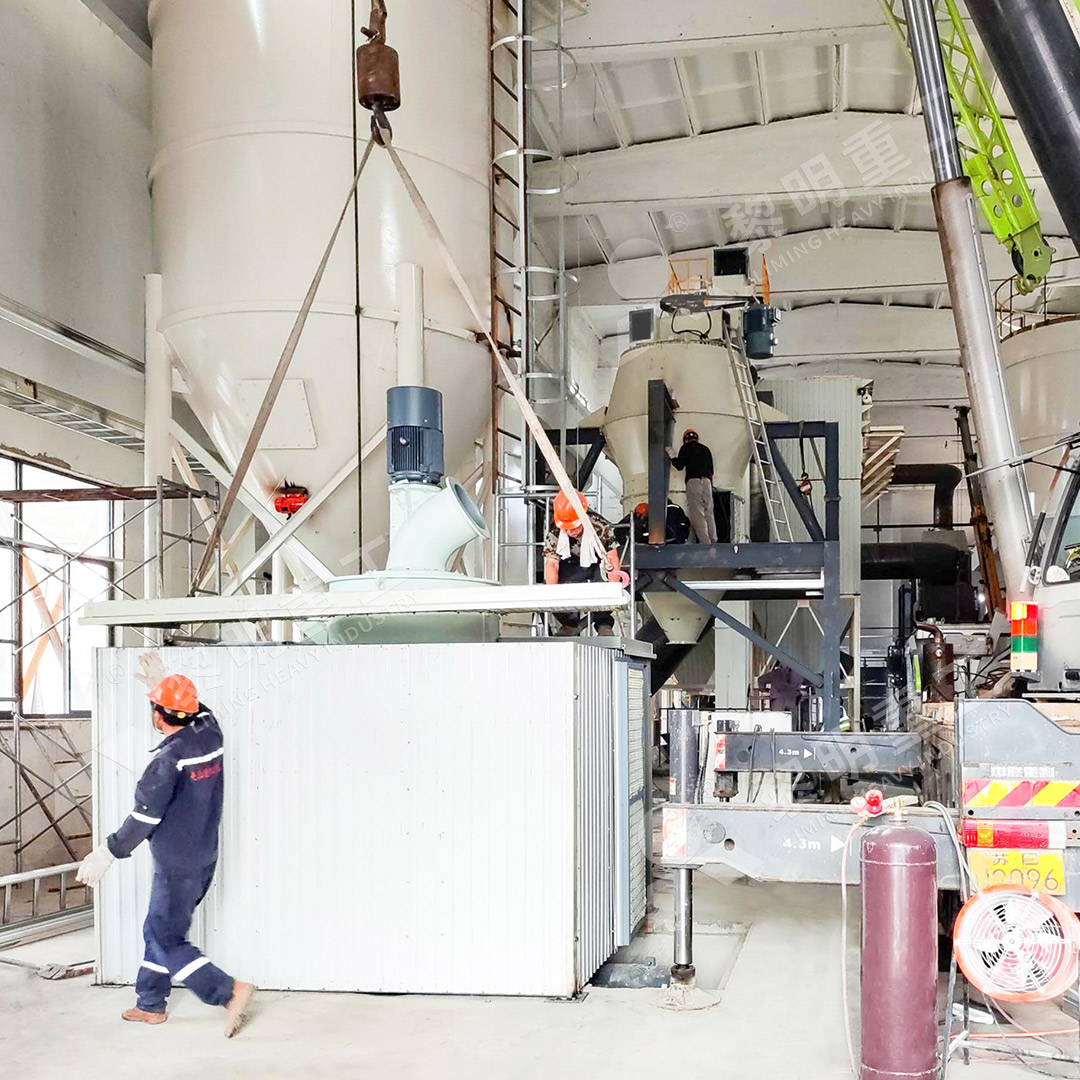
For operations seeking a vertical grinding solution that integrates drying, grinding, classifying, and conveying in a single, space-saving unit, our LUM Ultrafine Vertical Grinding Mill presents a compelling alternative. Integrating the latest grinding roller and powder separating technology, the LUM mill offers exceptional energy savings of 30%-50% compared to ordinary mills. Its unique reversible structure allows the grinding roller to be easily moved out for maintenance, significantly reducing service time and associated losses. It is perfectly suited for producing superfine dry powder from non-metallic ores.
Commitment to Precision and Support
Every mill from our production line, including the New 4R3216, benefits from our commitment to digitalized processing. Core components are machined with high-precision CNC equipment, ensuring perfect fit, stable operation, and longevity. We stand behind every machine with a comprehensive supply of original spare parts and dedicated technical support, guaranteeing worry-free operation throughout the equipment’s lifecycle.
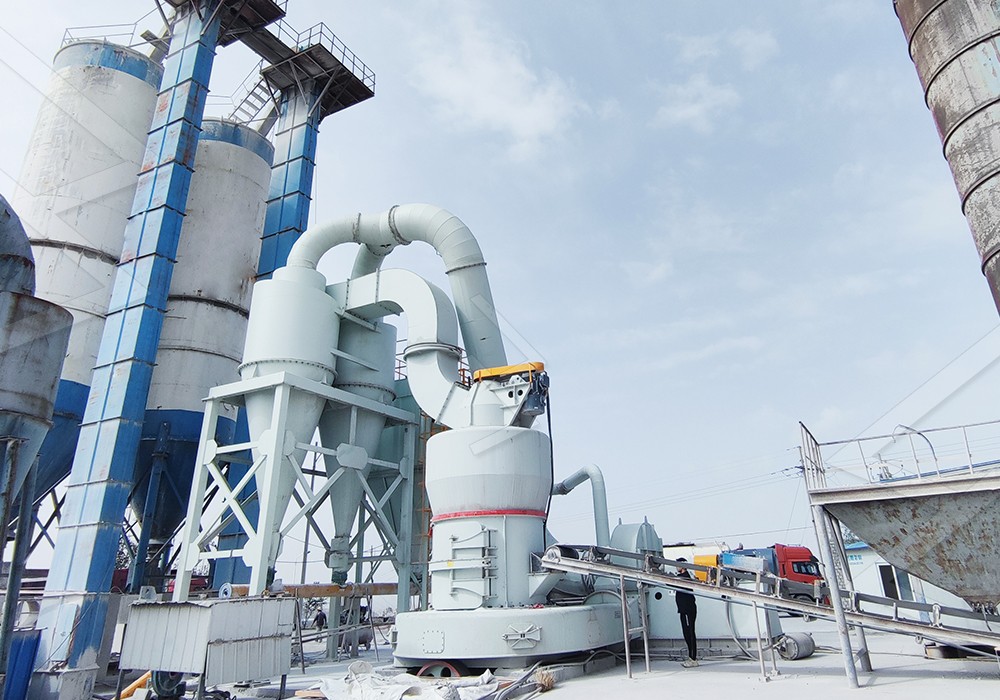
The New 4R3216 Raymond Mill reaffirms its position as a robust and efficient workhorse for standard fine powder production. By understanding its capabilities and knowing when to leverage our more specialized MW or LUM series mills, you can optimize your entire powder processing operation for maximum yield, quality, and profitability.
Frequently Asked Questions (FAQ)
- What is the typical output fineness range of the New 4R3216 Raymond Mill?
The New 4R3216 can reliably produce powders in the range of 80 to 325 mesh (approximately 180 to 45 microns). Adjustments are made via the built-in classifier. - What are the main advantages of the MW Ultrafine Grinding Mill over a traditional Raymond mill?
The MW Mill is designed for much finer grinding (325-2500 mesh), features a no-bearing/no-screw grinding chamber for higher reliability, and includes a high-precision cage-type selector for superior product classification and yield. - Can the LUM Ultrafine Vertical Mill handle moist materials?
Yes, a key advantage of the LUM Vertical Mill is its ability to integrate grinding and drying. With hot air introduced into the mill, it can simultaneously dry and grind materials with certain moisture content, streamlining the process. - How does the dust control work with these milling systems?
Our mills are designed to operate under negative pressure. When connected to a recommended pulse jet dust collector (like the one integrated into the MW series), the system ensures no dust leakage, collecting over 99.9% of process dust for an environmentally friendly operation. - What kind of after-sales support is provided?
We provide complete technical documentation, installation guidance, operational training, and a guaranteed supply of original spare parts. Our service team is available to assist with maintenance planning and troubleshooting. - Is the fineness adjustable during operation?
For the New 4R3216 and our advanced MW/LUM mills, yes. Fineness is adjusted by changing the speed of the analytical separator or classifier, which can typically be done while the mill is running, allowing for flexible production.