
How Much Does an R-type Raymond Mill Cost? Price Guide & Equipment Quotation
We provide a wide range of mills — including Raymond mill, trapezoidal mill, vertical mill, ultrafine mill, and ball mill, obtained ISO9001 international quality certification, EU CE certification, and Customs Union CU-TR certification. Suitable for processing minerals such as limestone, phosphate, quicklime, kaolin, talc, barite, bentonite, calcium carbonate, dolomite, coal, gypsum, clay, carbon black, slag, cement raw materials, cement clinker, and more.
The discharge range of these mills can be adjusted to meet specific processing needs, typically from 80-400 mesh, 600-3250 mesh, and can achieve the finest particle size of up to 6000 mesh(D50).
If you are looking for a reliable grinding solution to turn stone or minerals into fine powder, please feel free to contact our online customer service.
Navigating the Cost of R-type Raymond Mills: A Comprehensive Guide
When it comes to fine powder processing, the R-type Raymond Mill has been a cornerstone of the industry for decades. Its reputation for reliability in grinding non-flammable and non-explosive materials with Mohs hardness below 7 and humidity under 6% is well-earned. However, for any operation considering this investment, the first and most pressing question is invariably: How much does it cost? The answer, as with most industrial machinery, is not a simple figure. The price of an R-type Raymond Mill is influenced by a complex matrix of factors including model specifications, production capacity, technological features, and market dynamics. This guide aims to demystify the cost structure and provide a framework for obtaining an accurate quotation.
Key Factors Influencing Raymond Mill Pricing
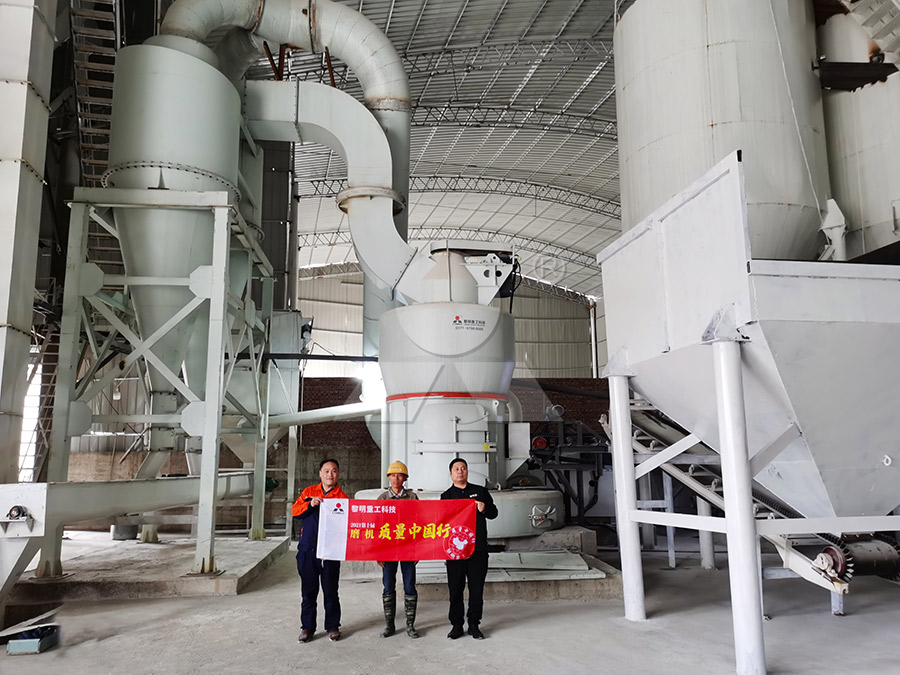
Understanding what you’re paying for is crucial. The base price of a standard R-series Raymond mill can range significantly, typically starting in the tens of thousands of dollars for smaller models and scaling up to several hundred thousand for large, high-capacity systems. This variance is driven by several core components:
- Model & Capacity: The grinding capacity, measured in tons per hour (tph), is a primary cost driver. A mill with a 5 tph capacity will have a fundamentally different price point than one rated for 25 tph. The size of the grinding rollers and ring, the power of the main motor, and the overall build scale directly correlate with cost.
- Technological Enhancements: Modern Raymond mills often incorporate advanced features that impact price. These include high-efficiency pulse dust collectors, automated lubrication systems, PLC control panels, and improved powder classifiers for finer product adjustment. Each upgrade adds value but also increases the initial investment.
- Material & Build Quality: The quality of wear-resistant parts, such as the grinding rollers and rings made from high-chromium alloy or other specialized materials, affects both longevity and cost. A mill built with premium, durable components will command a higher price but offer lower long-term operating costs.
- Ancillary Systems: The quoted price often needs to account for the complete system: jaw crusher for primary size reduction, elevator, vibrating feeder, piping, cyclone collector, and electrical control cabinet. Whether these are included or priced separately must be clarified.
Beyond the Purchase Price: Total Cost of Ownership
A savvy buyer looks beyond the sticker price. The Total Cost of Ownership (TCO) encompasses several ongoing expenses:
- Energy Consumption: The power draw of the main motor and blower is a major operational cost. More energy-efficient designs, while sometimes more expensive upfront, can lead to substantial savings.
- Maintenance & Spare Parts: The frequency and cost of replacing vulnerable parts like grinding rolls, rings, and blades are critical. A reliable supplier with readily available, reasonably priced original spare parts is invaluable.
- Operational Labor & Downtime: Mills designed for easier maintenance, with features like external lubrication points or reversible roller structures, minimize downtime and labor costs.
- Environmental Compliance: Systems with integrated, high-efficiency dust collection and noise reduction may represent a higher initial outlay but prevent future costs associated with environmental fines or additional retrofitting.
Modern Alternatives and Strategic Considerations
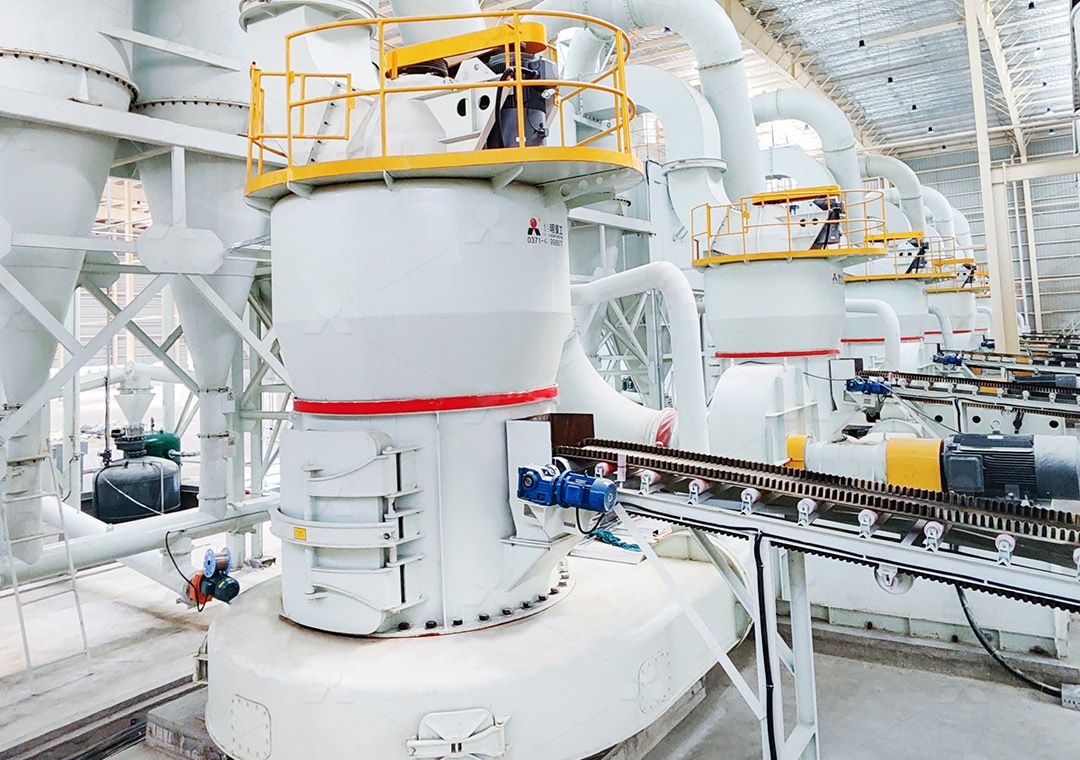
While the traditional R-type Raymond mill remains a viable workhorse, technological evolution has introduced superior alternatives that may offer a better return on investment for specific applications, particularly in the ultra-fine powder domain.
For operations requiring fineness between 325 and 2500 meshes, the MW Ultrafine Grinding Mill presents a compelling, high-efficiency option. Its innovative design eliminates rolling bearings and screws in the grinding chamber, virtually eradicating related failure points. The German-technology cage-type powder selector allows precise adjustment of product fineness. Crucially, its grinding efficiency translates to a production capacity approximately 40% higher than jet mills and double that of ball mills for the same power input, with system energy consumption slashed by up to 70%. When evaluating long-term TCO for ultra-fine grinding, the MW series’ higher yield and lower energy use can justify its investment, making it a future-proof choice for industries like chemicals, cosmetics, and advanced materials.
Another standout is the LUM Ultrafine Vertical Grinding Mill. Integrating grinding, grading, and transportation, it represents the next generation of vertical mill technology. Its multi-head powder separating system, controlled by PLC, allows for high-precision cuts and fast switching between product specifications, reducing energy use by 30-50% compared to common mills. Its double position-limiting technology ensures remarkable operational stability, protecting the mill from vibrational damage. For producers seeking exceptional product whiteness, low iron contamination, and effortless maintenance via its reversible roller structure, the LUM series offers a sophisticated and highly economical solution.
How to Get an Accurate Quotation
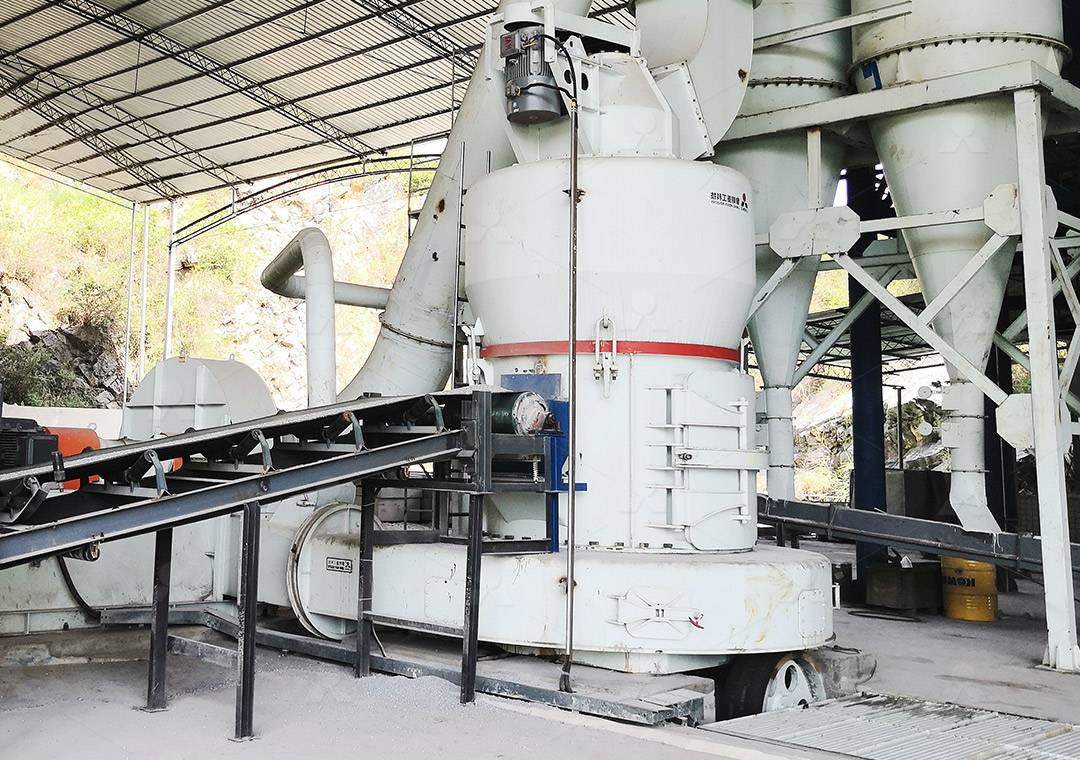
To move from ballpark estimates to a firm quote, you must provide potential suppliers with detailed project parameters:
- Raw Material: Type, hardness (Mohs), moisture content, and input size.
- Product Requirements: Desired output fineness (mesh or micron), required capacity (tph).
- Site Conditions: Available space, power supply, and environmental regulations.
- Scope: Clarify if you need a single mill or a complete turnkey system including crushing, feeding, and collection.
Reputable manufacturers will use this data to recommend the most cost-effective model—whether a traditional Raymond mill or a more advanced system like the MW or LUM—and provide a transparent breakdown of costs for the equipment, spare parts, shipping, and installation guidance.
Conclusion
The cost of an R-type Raymond Mill is an equation balancing initial investment against long-term performance, efficiency, and reliability. In today’s market, it is prudent to consider the full spectrum of grinding technology. While the R-series remains a solid choice for standard applications, advanced mills like the MW Ultrafine Grinding Mill and LUM Ultrafine Vertical Grinding Mill often deliver a superior Total Cost of Ownership through dramatic energy savings, higher yields, and reduced maintenance. The most economical choice is the one that precisely aligns with your material, output, and operational goals for years to come.
Frequently Asked Questions (FAQ)
- What is the typical price range for a complete R-type Raymond mill system?
Prices vary widely based on capacity and configuration. Small systems (1-3 tph) may start around $50,000-$100,000, while large, high-capacity systems with full ancillary equipment can range from $200,000 to $500,000 or more. Only a detailed quotation based on your specific needs can provide an accurate figure. - How does the energy consumption of a traditional Raymond mill compare to newer models like the MW or LUM series?
Newer generation mills are significantly more energy-efficient. For example, the MW Ultrafine Grinding Mill can reduce system energy consumption by up to 70% compared to a jet mill producing the same fineness. The LUM Vertical Mill reports 30-50% lower energy use than common grinding mills, offering substantial operational cost savings. - What are the most significant ongoing maintenance costs for a Raymond mill?
The primary maintenance costs involve replacing wear parts: grinding rollers, rings, and blades. Frequency depends on material abrasiveness. Choosing a mill with durable, high-quality wear parts and a supplier that guarantees original spare parts availability is key to controlling these costs. - Can these mills handle moist materials?
Traditional R-type Raymond mills are designed for materials with humidity below 6%. For higher moisture content, systems with integrated drying capabilities, such as the LM Vertical Grinding Mill series, are required. Always disclose your material’s moisture content to your supplier. - How important is the dust collection system, and is it included in the base price?
It is critical for environmental compliance and worker safety. Modern mills like the MW series come equipped with efficient pulse dust collectors. Whether this is included in the base equipment price or is an add-on must be confirmed with the supplier during the quotation process. - What is the lead time for delivery and installation?
Lead times can range from 30 to 120 days after order confirmation, depending on model complexity, customization, and manufacturer production schedules. Installation and commissioning time varies with system size and should be planned for in the project timeline.