
Limestone Grinding Mill Plant Price and Cost Analysis
We provide a wide range of mills — including Raymond mill, trapezoidal mill, vertical mill, ultrafine mill, and ball mill, obtained ISO9001 international quality certification, EU CE certification, and Customs Union CU-TR certification. Suitable for processing minerals such as limestone, phosphate, quicklime, kaolin, talc, barite, bentonite, calcium carbonate, dolomite, coal, gypsum, clay, carbon black, slag, cement raw materials, cement clinker, and more.
The discharge range of these mills can be adjusted to meet specific processing needs, typically from 80-400 mesh, 600-3250 mesh, and can achieve the finest particle size of up to 6000 mesh(D50).
If you are looking for a reliable grinding solution to turn stone or minerals into fine powder, please feel free to contact our online customer service.
Limestone Grinding Mill Plant Price and Cost Analysis
For any industrial operation requiring fine limestone powder, selecting the right grinding equipment is a critical financial and operational decision. The initial purchase price is just one component of the Total Cost of Ownership (TCO). A comprehensive analysis must consider energy consumption, maintenance requirements, spare parts availability, production yield, and environmental compliance costs. This article delves into the key factors influencing the price and long-term costs of a limestone grinding plant, providing a framework for making an informed investment.
1. Understanding the Cost Components
The capital expenditure (CAPEX) for a grinding mill varies significantly based on its technology, capacity, and level of automation. Traditional ball mills may have a lower upfront cost, while modern vertical roller mills or ultra-fine grinding systems command a higher initial price due to their advanced engineering and integrated systems. However, CAPEX is merely the entry point.
The operational expenditure (OPEX) is where the true financial picture emerges. The dominant OPEX factor is energy consumption, which can account for over 50% of the lifetime cost of a grinding plant. Mills with higher grinding efficiency directly translate to lower power bills. Maintenance and wear parts constitute another major cost center. Equipment that requires frequent shutdowns for bearing changes, screw tightening, or liner replacement incurs not only parts costs but also significant production downtime losses.
2. The Efficiency Imperative: Energy and Yield
Modern grinding technologies have made leaps in reducing specific energy consumption (kWh/ton). The design of grinding curves, the efficiency of powder separators, and the overall system integration are pivotal. For instance, a mill that achieves a 40% higher production capacity than a jet mill at the same power input effectively reduces the energy cost per ton of product. Similarly, achieving the target fineness (e.g., d97 ≤ 5μm) in a single pass eliminates the need for re-circulation, saving energy and increasing throughput.
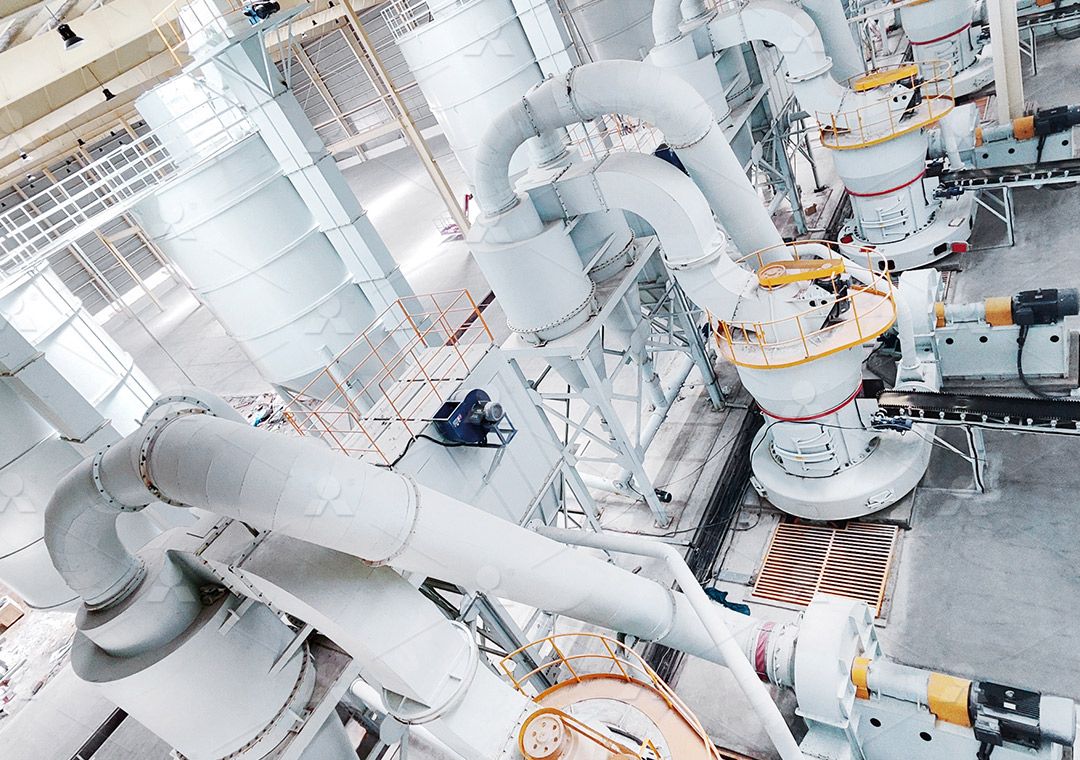
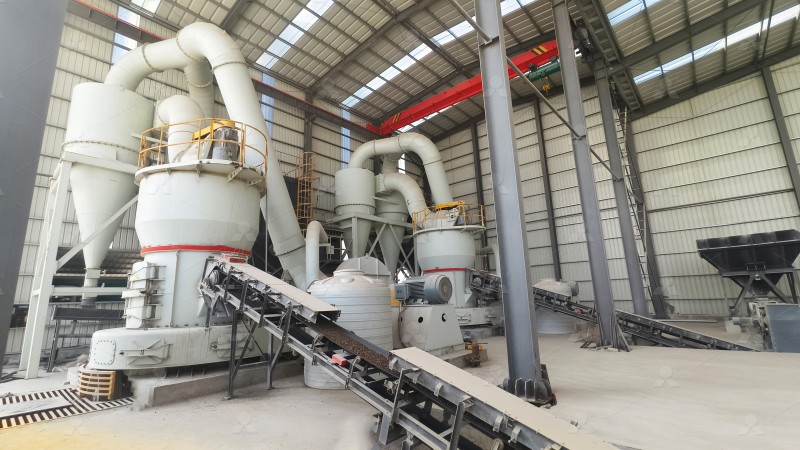
This is where advanced solutions like our MW Ultrafine Grinding Mill demonstrate their value. Engineered for ultra-fine powder production, it features newly designed grinding curves that enhance efficiency. With a capacity range of 0.5-25 tph for materials like limestone, and an adjustable fineness between 325-2500 meshes, it offers higher yield at lower energy consumption. Its cage-type powder selector, based on German technology, ensures precise classification, contributing directly to lower operational costs per unit of output.
3. Hidden Costs: Maintenance, Downtime, and Environment
Reliability is a direct cost driver. A mill designed with simplicity and durability in mind minimizes unplanned stops. Features such as the absence of rolling bearings and screws in the grinding chamber—as seen in the MW Mill—eliminate common failure points. External lubrication systems that allow maintenance without shutdown are invaluable for continuous 24/7 operations, protecting revenue streams.
Environmental compliance is no longer optional. Dust and noise pollution can lead to fines, work stoppages, and community relations issues. Investing in a mill with an integrated, efficient pulse dust collector and silencer system, like the one equipped on the MW Ultrafine Grinding Mill, turns an environmental necessity into an operational advantage, ensuring smooth, uninterrupted production that meets stringent standards.
4. Long-Term Value: Precision and Support
The precision of manufacturing impacts longevity and performance. Digitally controlled machining of core parts ensures perfect tolerances, leading to stable operation, less vibration, and extended component life. Furthermore, the long-term cost is heavily influenced by the manufacturer’s support. A reliable supply of original spare parts and accessible technical service prevents extended downtime and ensures the equipment performs as intended for its entire lifecycle.
For projects requiring high-capacity processing of limestone into superfine powders, another exemplary option is the LUM Ultrafine Vertical Grinding Mill. Integrating the latest grinding roller and powder separating technology, it offers capacities from 5-18 tph. Its reversible structure allows the grinding roller to be easily moved out for maintenance, drastically reducing service time and associated costs. The double position-limiting technology ensures operational stability, protecting the mill from vibrational damage.
5. Making the Strategic Choice
When analyzing price and cost, the cheapest initial option often proves the most expensive in the long run. A holistic TCO analysis that prioritizes energy efficiency, minimal maintenance, high system availability, and environmental compliance will identify the most cost-effective solution. Advanced mills, while sometimes requiring a higher CAPEX, deliver a superior return on investment through dramatically lower OPEX, higher product quality, and guaranteed production continuity.
Ultimately, the optimal limestone grinding plant is one that aligns with your specific fineness requirements, production volume, and sustainability goals while offering the lowest total cost per ton over a decade or more of service.
Frequently Asked Questions (FAQ)
- What are the main factors that determine the price of a limestone grinding mill?
The key factors include the mill type (e.g., Raymond, Vertical, Ultra-fine), its maximum capacity (tph), the fineness range it can achieve, the level of technological advancement (e.g., automated controls, advanced separators), and the comprehensiveness of the auxiliary system (dust collection, feeding, packaging). - Beyond the purchase price, what are the largest ongoing costs for operating a grinding plant?
The largest operational costs are typically electrical power consumption and the replacement of wear parts (e.g., grinding rollers, rings, liners). Maintenance labor and potential costs associated with environmental management (dust, noise) also contribute significantly. - How can I reduce the energy cost of my grinding operation?
Invest in a mill designed for high grinding efficiency, such as vertical roller mills or advanced ultra-fine mills that offer higher yield per kWh. Ensure the powder separator is efficient to avoid over-grinding. Proper system sealing and maintenance also prevent energy losses. - Why is maintenance design important for total cost?
A mill designed for easy maintenance (e.g., external lubrication, reversible rollers) minimizes the duration and frequency of shutdowns. This maximizes production uptime, reduces labor costs for repairs, and ensures a more predictable and lower long-term maintenance budget. - What should I look for to ensure consistent product quality and fineness?
Look for mills with precise, adjustable powder separating technology (like cage-type selectors) and stable grinding mechanics. Digital control systems that allow accurate adjustment of parameters like grinding pressure and separator speed are crucial for consistency. - How important is the manufacturer’s after-sales support?
It is critical. Reliable access to genuine spare parts, expert technical advice, and prompt service ensures your mill operates at peak efficiency for its entire lifespan, protecting your investment and avoiding costly, prolonged downtime.