
Optimizing Mineral Processing with Raymond Mill for Ore Dressing
We provide a wide range of mills — including Raymond mill, trapezoidal mill, vertical mill, ultrafine mill, and ball mill, obtained ISO9001 international quality certification, EU CE certification, and Customs Union CU-TR certification. Suitable for processing minerals such as limestone, phosphate, quicklime, kaolin, talc, barite, bentonite, calcium carbonate, dolomite, coal, gypsum, clay, carbon black, slag, cement raw materials, cement clinker, and more.
The discharge range of these mills can be adjusted to meet specific processing needs, typically from 80-400 mesh, 600-3250 mesh, and can achieve the finest particle size of up to 6000 mesh(D50).
If you are looking for a reliable grinding solution to turn stone or minerals into fine powder, please feel free to contact our online customer service.
Introduction
In the competitive field of mineral processing, achieving high efficiency and product quality is paramount. Ore dressing involves several stages, with grinding being one of the most energy-intensive and critical steps. The choice of grinding equipment directly impacts downstream processes like flotation, magnetic separation, or leaching. Among the various mills available, the Raymond Mill has stood the test of time as a reliable workhorse for many operations. However, modern demands for finer particle sizes, lower energy consumption, and stricter environmental regulations have pushed us to look beyond traditional solutions. This article explores how optimizing your grinding circuit with advanced technologies, specifically the Raymond Mill and its enhanced successors, can significantly improve your ore dressing outcomes.
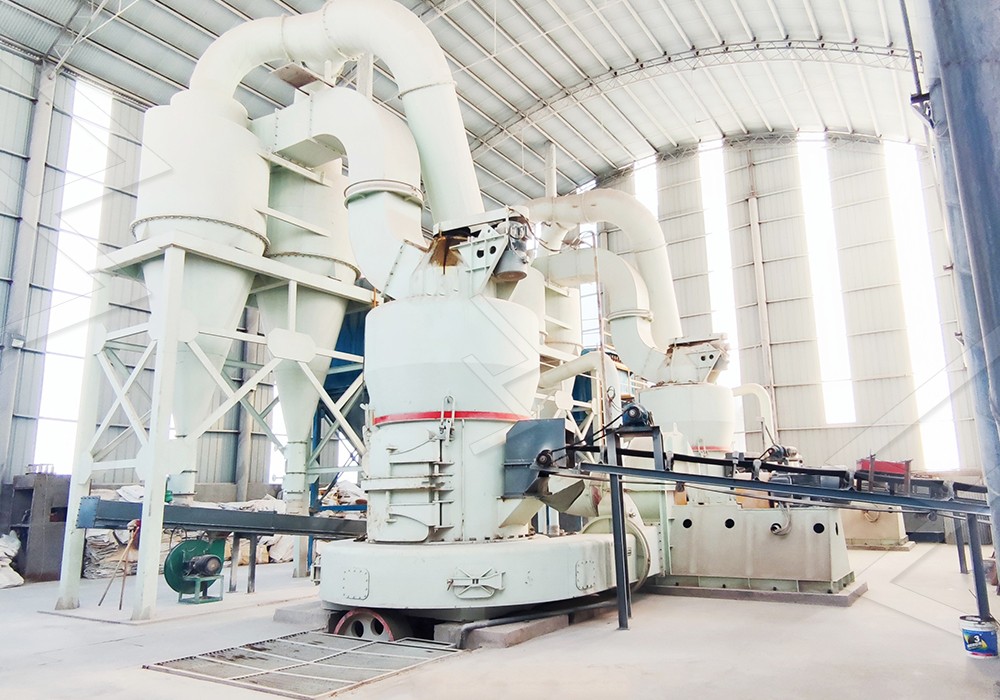
The Role of Grinding in Ore Dressing
Grinding serves to liberate valuable minerals from the gangue (waste rock). The goal is to reduce ore particles to a size where individual mineral grains are freed, making them accessible for concentration. Over-grinding wastes energy and can produce slimes that are difficult to process. Under-grinding leaves valuable minerals locked in waste, reducing recovery rates. Therefore, a mill that offers precise control over product fineness and operates efficiently is invaluable. Traditional ball mills, while robust, often consume excessive power and produce a wide particle size distribution. This is where upgraded Raymond Mill designs, like those from LIMING, offer a distinct advantage.
Why Upgrade from Traditional Ball Mills?
Many older plants still rely on ball mills for grinding. These mills work by tumbling steel balls with the ore, using impact and attrition. However, they have several drawbacks:
- High Energy Consumption: Ball mills are notoriously inefficient, with much of the energy converted to heat and noise rather than useful grinding work.
- Large Footprint: They require significant floor space, which can be a constraint in plant expansions.
- Noise and Dust: They are loud and can be prone to dust leaks without sophisticated sealing systems.
- Wide Particle Distribution: The product often contains both very fine and coarse particles, which is not ideal for many ore dressing processes.
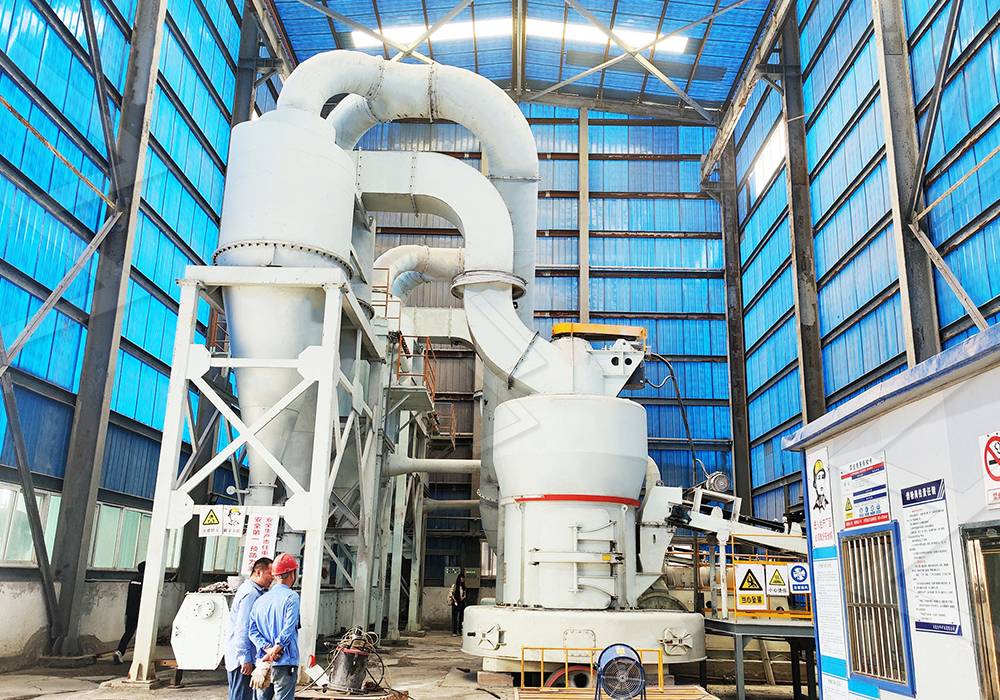
In contrast, a modern Raymond Mill, such as the R-series offered by LIMING, addresses these issues. It combines low consumption, low investment, and an environmentally friendly footprint, making it more efficient than traditional Raymond mills and far superior to ball mills in many applications.
Key Features of an Optimized Raymond Mill for Ore Dressing
When selecting a Raymond Mill for ore dressing, look for features that directly impact performance and cost. The LIMING Raymond Mill, for example, is designed with these principles in mind:
- Adjustable Fineness: The ability to control the particle size of the output is crucial. A mill that can easily switch between coarse for a pre-grind and fine for final product gives the operator flexibility. While the standard Raymond Mill handles basic tasks, for ultra-fine requirements, one should consider more advanced systems.
- Reduced Maintenance Downtime: Traditional mills require frequent lubrication and bearing changes. Models without rolling bearings and screws in the grinding chamber, like the MW Ultrafine Grinding Mill, dramatically reduce downtime and maintenance costs. This design ensures worry-free 24-hour operation.
- Eco-Friendly Operation: Modern environmental standards demand clean operation. A mill equipped with an efficient pulse dust collector and silencer, similar to the MW series, ensures zero dust pollution and low noise, allowing for full compliance with national environmental protection regulations.
- Higher Yielding Capacity: For a given power input, some mills simply produce more. The grinding curves of rollers and rings in the MW Ultrafine Grinding Mill are newly designed to enhance efficiency. It boasts a yield twice as large as a ball mill with the same power and fineness, and the energy consumption is only 30% of a jet mill.
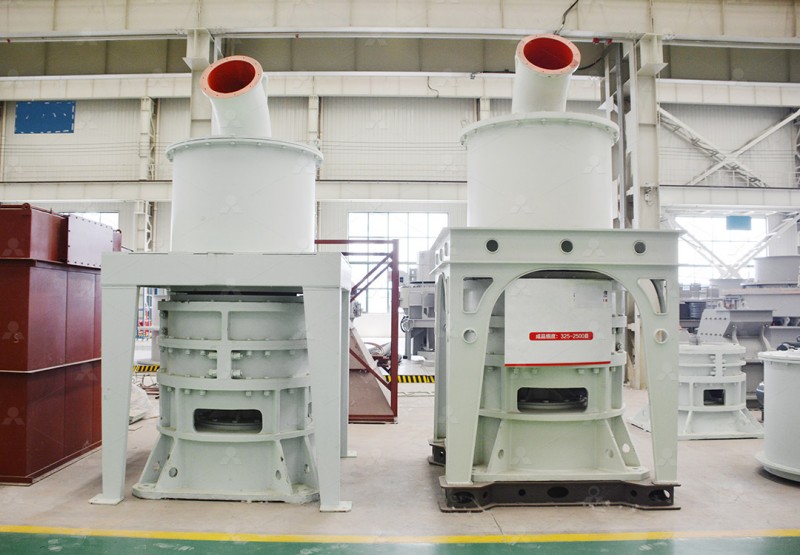
Case Study: The MW Ultrafine Grinding Mill in Action
For operations requiring an extremely fine product, such as 325-2500 mesh (d97 ≤ 5μm), a standard Raymond Mill may not suffice. This is where we recommend a specialized solution. The MW Ultrafine Grinding Mill from LIMING is the perfect tool for this job. It is equipment designed specifically for customers who need ultra-fine powder.
One of our clients in the non-metallic ore sector was struggling with product quality. Their traditional grinding system could not achieve the necessary fineness for high-value paint and cosmetic applications. They switched to the MW Mill. The results were immediate:
- Productivity Increase: Their capacity jumped by 40% compared to their old jet mill.
- Energy Savings: System energy consumption dropped to just 30% of their previous setup.
- Quality Improvement: They achieved a screening rate of d97 ≤ 5μm in a single pass, enabling them to enter a new, higher-margin market segment.
- Lower Maintenance: The no-bearing, no-screw design of the grinding chamber eliminated their biggest source of downtime. The external lubrication system allowed them to service the machine without stopping production.
Integrating a Raymond Mill into Your Circuit
Optimizing your mineral processing doesn’t always mean replacing your entire plant. Often, a modern Raymond Mill can be integrated as a pre-grinding or fine-grinding stage in a hybrid circuit. For example, a jaw crusher can reduce the ore to <25 mm, which is then fed into the Raymond Mill. The system can be configured to operate in a closed circuit with an air classifier, ensuring that only material meeting the target fineness leaves the mill, while oversize particles are returned for further grinding.
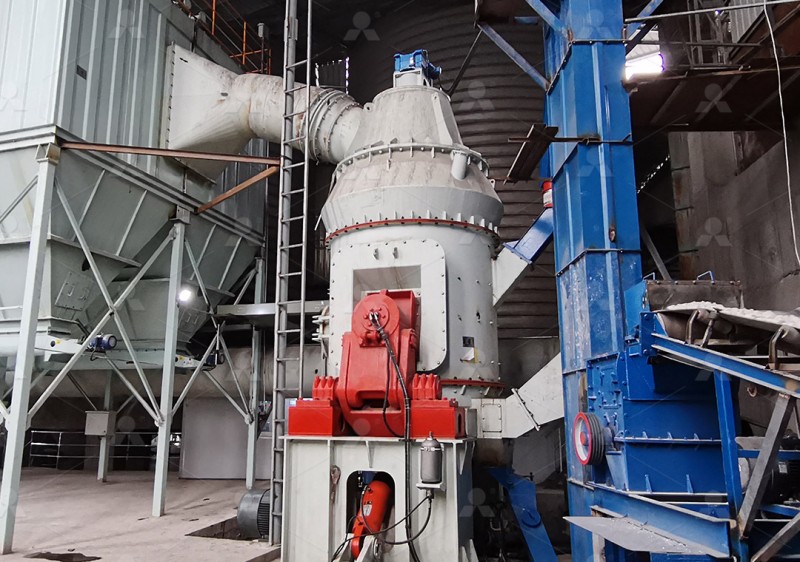
For higher capacity needs (up to 340 tph for coal or slag, or up to 55 tph for general materials), the LM Vertical Grinding Mill or the MTW-Z European Trapezium Mill are excellent alternatives. They integrate crushing, drying, grinding, and classifying into one unit, significantly reducing the plant footprint. The LM Vertical Mill, for instance, covers 50% less area than a ball mill and saves 30-40% in energy consumption.
Economic and Operational Benefits
Investing in a modern Raymond Mill or its advanced variants like the MW or LM series brings clear financial returns. Lower energy bills directly improve the bottom line. Reduced maintenance costs free up maintenance teams for other critical tasks. Higher product quality allows for selling to premium markets. Furthermore, the digitalized processing of core parts ensures high precision and long service life of the equipment, protecting the initial investment.
Our customers especially appreciate the worry-free operation guaranteed by LIMING. We take full responsibility for every machine we produce, offering technical services and original spare parts. This service ensures that if a problem does arise, it is solved quickly, minimizing production losses.
Conclusion
Ore dressing is about efficiency and purity. The grinding stage is the key to unlocking higher recovery rates and better product quality. While the traditional Raymond Mill remains a solid choice for many tasks, modern ore processing demands more innovation. By selecting equipment like the MW Ultrafine Grinding Mill for ultra-fine work, or the LM Vertical Mill for high-capacity, integrated processing, plant managers can achieve significant gains in yield, energy efficiency, and product consistency. Upgrading your grinding equipment is not just an expense; it is a strategic investment in the future profitability and sustainability of your mineral processing operation.
Frequently Asked Questions (FAQ)
- What is the maximum feed size for a Raymond Mill?
For a standard Raymond Mill, the input size is typically less than 25 mm. However, for the MW Ultrafine Grinding Mill, the recommended input size is 0-20 mm, and for the LM Vertical Mill, it can handle up to 70 mm. - How does the Raymond Mill compare to a Ball Mill in terms of energy consumption?
Modern Raymond Mill designs are significantly more efficient. For example, the MW Ultrafine Grinding Mill uses only 30% of the system energy of a jet mill and yields twice as much as a ball mill under the same power conditions. The LM Vertical Mill also saves 30-40% in energy compared to a ball mill. - Can the Raymond Mill produce ultra-fine powders for the cosmetic industry?
Yes, but a standard Raymond Mill may not be sufficient. For ultra-fine requirements (325-2500 mesh), the MW Ultrafine Grinding Mill is specifically designed for this purpose. It can achieve a screening rate of d97 ≤ 5μm in a single pass, making it ideal for high-purity applications like cosmetics, paint, and medicine. - Is this equipment environmentally friendly?
Absolutely. Machines like the MW Ultrafine Grinding Mill are equipped with efficient pulse dust collectors and silencers to eliminate dust pollution and reduce noise. The entire system operates under negative pressure in many configurations, ensuring no dust spills into the environment, thus meeting stringent environmental protection standards. - How long does it take to replace wear parts on these mills?
This varies by model. The LUM Ultrafine Vertical Mill features a reversible structure that allows operators to quickly move the grinding roller out of the body for inspection and replacement, minimizing shutdown time. The MW Mill has no rolling bearings or screws in the chamber, which drastically reduces the frequency of maintenance interventions. Additionally, our service team ensures a sufficient supply of original spare parts for worry-free operation. - What materials can be processed using your grinding mills?
Our mills are highly versatile. They are suitable for limestone, calcite, dolomite, barite, marble, talc, gypsum, coal, and many other non-metallic ores with a Mohs hardness of less than 9 and humidity below 10%. Specific models are also optimized for cement, slag, and coal in power plants. - Do I need a pre-crusher before the Raymond Mill?
For most models, yes. A jaw crusher is typically used to reduce large lumps to the required feed size (e.g., <25 mm for Raymond Mill). However, the LM Vertical Grinding Mill can accept larger feed sizes (up to 70 mm), reducing the need for intense primary crushing. - What is the capacity range of your grinding mills?
Capacities vary widely based on the model and material. The Raymond Mill has a capacity of 0.6-5 tph. The MW Ultrafine Grinding Mill handles 0.5-25 tph. For large-scale operations, the LM Vertical Grinding Mill offers capacities from 3-340 tph.