
Cost Analysis of 2TPH Vertical Mill for 350 Mesh Flue Gas Desulfurization Lime Production
We provide a wide range of mills — including Raymond mill, trapezoidal mill, vertical mill, ultrafine mill, and ball mill, obtained ISO9001 international quality certification, EU CE certification, and Customs Union CU-TR certification. Suitable for processing minerals such as limestone, phosphate, quicklime, kaolin, talc, barite, bentonite, calcium carbonate, dolomite, coal, gypsum, clay, carbon black, slag, cement raw materials, cement clinker, and more.
The discharge range of these mills can be adjusted to meet specific processing needs, typically from 80-400 mesh, 600-3250 mesh, and can achieve the finest particle size of up to 6000 mesh(D50).
If you are looking for a reliable grinding solution to turn stone or minerals into fine powder, please feel free to contact our online customer service.
Cost Analysis of 2TPH Vertical Mill for 350 Mesh Flue Gas Desulfurization Lime Production
Selecting the optimal grinding solution for flue gas desulfurization (FGD) lime production is a critical decision that directly impacts operational profitability and environmental compliance. For a target output of 2 tons per hour (TPH) at a fineness of 350 mesh, a vertical roller mill (VRM) often presents the most compelling economic and technical case. This analysis delves into the key cost factors—capital expenditure (CAPEX), operational expenditure (OPEX), and lifecycle value—specific to this application, providing a framework for informed investment.
1. Capital Expenditure (CAPEX) Considerations
The initial investment in a vertical mill system encompasses more than just the mill itself. For a 2TPH, 350 mesh setup, the CAPEX breakdown typically includes:
- Mill and Drive System: The core grinding unit, motor, and reducer.
- Feed and Conveying System: Crusher, elevator, and vibrating feeder for consistent material supply.
- Classification and Collection: A high-efficiency powder separator and cyclone/pulse bag dust collector are essential for achieving precise 350 mesh cut-point and ensuring dust-free operation.
- Auxiliary Systems: Electrical control cabinet, piping, and soundproofing equipment.
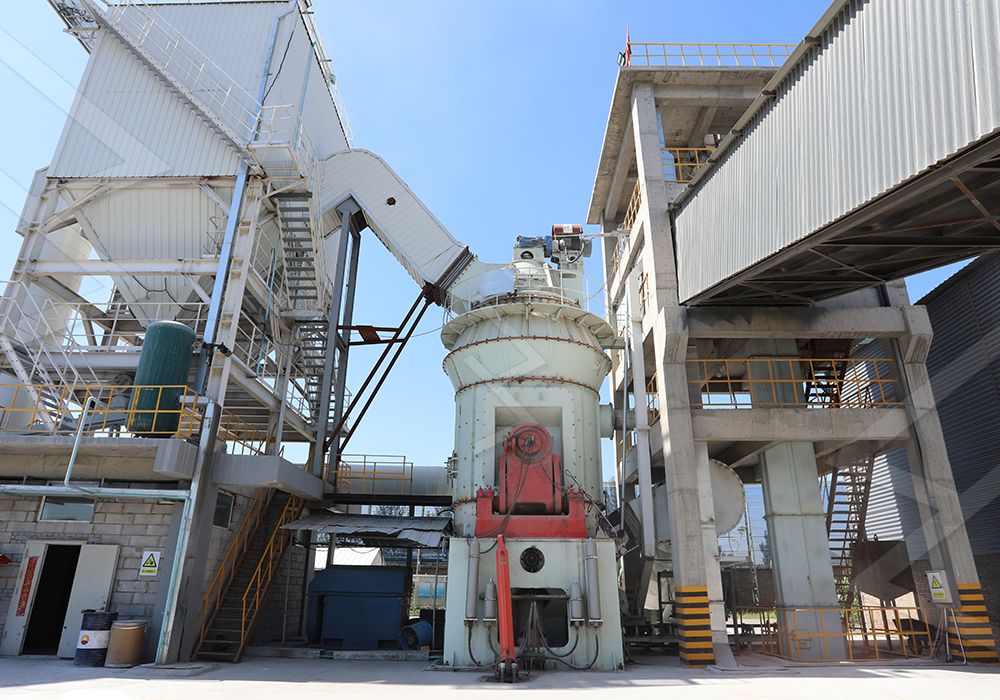
A significant advantage of vertical mills is their compact, integrated design. Compared to traditional ball mill systems, a VRM can reduce the plant’s footprint by up to 50%, leading to lower civil construction costs. When evaluating models, it’s crucial to select one engineered for precise mid-range fineness and reliable, automated operation to minimize long-term overhead.
2. Operational Expenditure (OPEX) Breakdown
OPEX is where vertical mills demonstrate decisive superiority for FGD lime grinding, primarily through energy savings and low maintenance.
2.1 Energy Consumption
Power consumption is the single largest OPEX component. Vertical mills employ a bed-compression grinding principle, which is inherently more efficient than the impact/attrition method of ball mills. For grinding limestone to 350 mesh, a well-designed VRM can reduce specific energy consumption by 30% to 50%. For a 2TPH operation running 24/7, this translates to substantial annual savings on electricity bills.
2.2 Wear Parts and Maintenance
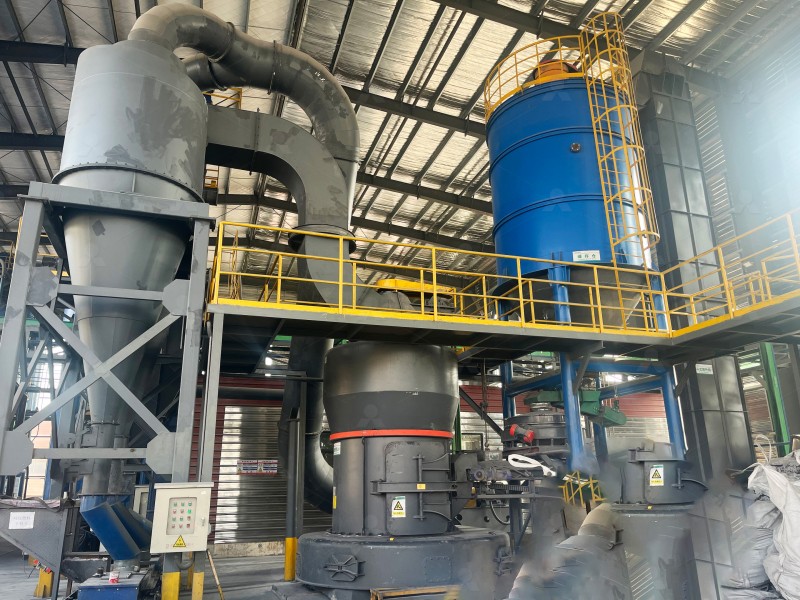
The abrasive nature of limestone demands a robust grinding mechanism. Key wear parts are the grinding rollers and the table liner. Advanced vertical mills feature:
– Reversible Design: Rollers can be turned over or parts reversed to utilize unused wear surfaces, doubling service life.
– External Maintenance: Hydraulic systems allow rollers to be swung out of the grinding chamber for inspection and replacement without dismantling the mill structure, drastically reducing downtime from days to hours.
– No Rolling Bearings in Grinding Zone: Some innovative designs eliminate vulnerable bearings and screws from the high-dust chamber, preventing catastrophic failures and associated repair costs.
2.3 Labor and Automation
Modern vertical mills are equipped with PLC-based control systems enabling fully automatic operation, from start-up to shutdown and fineness adjustment. This reduces the need for constant operator intervention, lowering labor costs and minimizing human error. Remote monitoring capabilities further enhance operational efficiency.
3. The Importance of System Design and Product Selection
Not all vertical mills are created equal for this specific duty. The 2TPH capacity at 350 mesh sits in a range that requires a mill with optimized grinding curves and a precise, low-resistance separator to ensure yield and quality without energy waste. A mill designed for coarser or much finer outputs may operate inefficiently at this point.
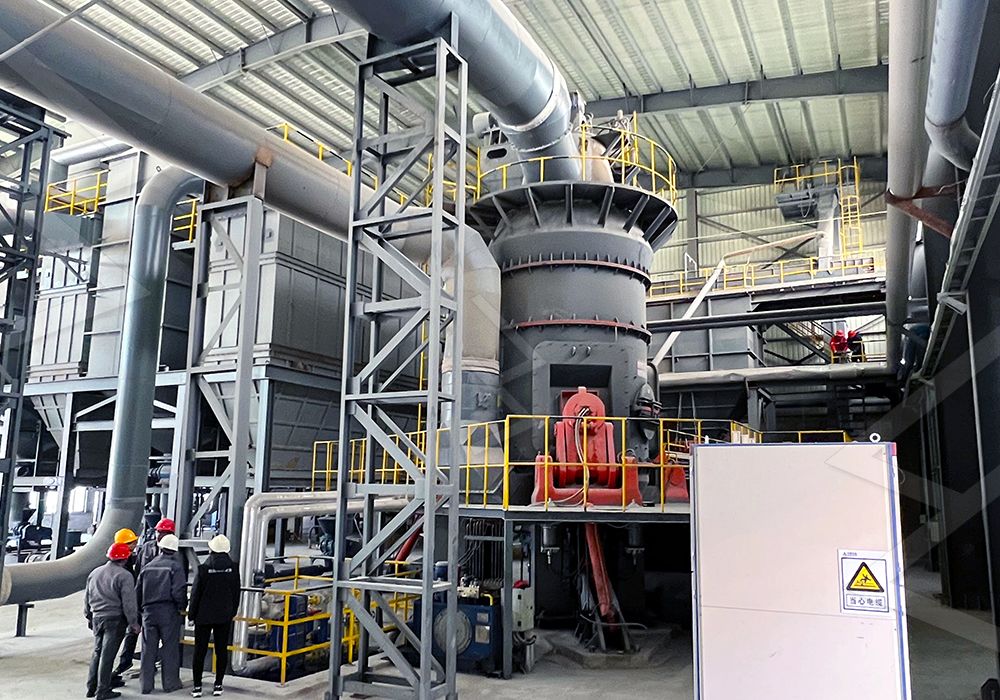
For this application profile, our LUM Ultrafine Vertical Grinding Mill presents an ideal balance. It integrates advanced grinding roller technology with German multi-head powder separating technology, specifically addressing the need for “high-precision cutting point and fast switching.” Its features directly target key cost drivers:
- Higher Yield & Lower Energy: Its unique roller shell curve promotes stable material bed formation, achieving a high once-through milling rate, which enhances efficiency and improves product whiteness—a critical quality metric for FGD lime.
- Double Position-Limiting Technology: This ensures operational stability, preventing destructive vibration and protecting the mill from damage, a direct safeguard against unplanned maintenance costs.
- Reversible Structure: As highlighted, this allows for quick and easy roller servicing, minimizing production losses during planned maintenance intervals.
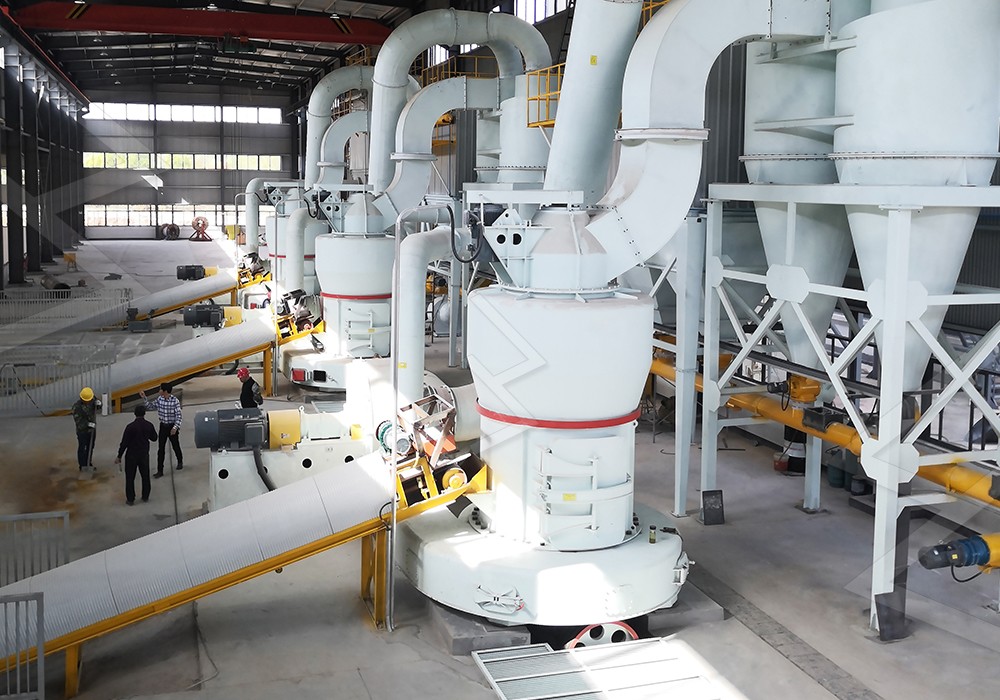
For operations considering future expansion or with variable feedstocks, the MW Ultrafine Grinding Mill offers exceptional flexibility. Its cage-type powder selector allows precise fineness adjustment from 325 to 2500 meshes, making it future-proof. Its design, free of rolling bearings and screws in the grinding chamber, offers unparalleled reliability and worry-free operation, drastically reducing the risk and cost of unscheduled stops.
4. Lifecycle Cost and Return on Investment (ROI)
A comprehensive cost analysis must look beyond the price tag. The Total Cost of Ownership (TCO) for a vertical mill in a 2TPH FGD lime plant is dominated by years of energy consumption and maintenance. While the initial CAPEX for a high-quality VRM may be comparable to or slightly higher than a ball mill system, the dramatic OPEX savings create a rapid payback period—often within 1-2 years.
Furthermore, factors like:
– Product Quality: Consistent 350 mesh product with low iron contamination ensures effective desulfurization and reduces sorbent waste.
– Environmental Compliance: Integrated pulse dust collectors and silencers ensure emissions and noise meet stringent standards, avoiding potential fines.
– Production Uptime: High reliability and easy maintenance translate to greater annual production volume and revenue.
These elements solidify the vertical mill’s position as the most cost-effective long-term investment for dedicated FGD lime production.
Conclusion
For a 2 TPH, 350 mesh FGD lime production line, a technologically advanced vertical roller mill delivers the lowest total cost of ownership. The savings are crystallized in drastically reduced power consumption, minimal and simplified maintenance, high automation, and superior product quality. Selecting a mill engineered for this specific duty cycle, such as the LUM Ultrafine Vertical Grinding Mill or the highly flexible MW Ultrafine Grinding Mill, is not merely an equipment purchase but a strategic investment in plant efficiency, reliability, and long-term profitability.
Frequently Asked Questions (FAQs)
1. Why is a vertical mill preferred over a ball mill for 350 mesh FGD lime?
Vertical mills offer 30-50% lower energy consumption, a 50% smaller footprint, and easier, faster maintenance. Their grinding principle and integrated drying (if needed) are more efficient for fine grinding of non-metallic minerals like limestone, leading to a significantly lower operational cost per ton.
2. How is the 350 mesh fineness precisely controlled in your vertical mills?
Our mills utilize advanced cage-type or multi-head powder separators with PLC control. The separator speed can be adjusted accurately and instantly to change the centrifugal force, allowing precise “cutting” of particle size. This ensures the final product consistently meets the d97 ≤ 45μm (approx. 350 mesh) specification required for effective desulfurization.
3. What is the typical maintenance interval for grinding rollers, and how long does replacement take?
Wear life depends on limestone abrasiveness, but rollers in our LUM and MW mills are designed for extended service. With the reversible design and external hydraulic servicing system, inspecting or replacing roller shells can typically be completed in 8-12 hours, minimizing production downtime compared to week-long outages common with older ball mill systems.
4. Can the system handle variations in limestone feed moisture or hardness?
Yes. Vertical mills have inherent drying capabilities when equipped with a hot air source. The grinding force (pressure) of the rollers can be adjusted hydraulically to compensate for changes in material hardness, ensuring stable output and fineness. The PLC system automatically adjusts parameters to maintain equilibrium.
5. Do you provide support for spare parts and technical service?
Absolutely. As the manufacturer, we maintain a sufficient supply of original spare parts, including wear-resistant alloy rollers and rings. We provide comprehensive technical services, from installation supervision and operator training to remote diagnostic support, ensuring worry-free operation throughout the mill’s lifecycle.