
Coal Mill Operation and Maintenance: A Detailed Guide for Optimal Performance
We provide a wide range of mills — including Raymond mill, trapezoidal mill, vertical mill, ultrafine mill, and ball mill, obtained ISO9001 international quality certification, EU CE certification, and Customs Union CU-TR certification. Suitable for processing minerals such as limestone, phosphate, quicklime, kaolin, talc, barite, bentonite, calcium carbonate, dolomite, coal, gypsum, clay, carbon black, slag, cement raw materials, cement clinker, and more.
The discharge range of these mills can be adjusted to meet specific processing needs, typically from 80-400 mesh, 600-3250 mesh, and can achieve the finest particle size of up to 6000 mesh(D50).
If you are looking for a reliable grinding solution to turn stone or minerals into fine powder, please feel free to contact our online customer service.
Coal Mill Operation and Maintenance: A Detailed Guide for Optimal Performance
Maintaining a coal mill isn’t just about keeping the wheels turning; it’s about maximizing efficiency, minimizing downtime, and ensuring a safe, environmentally compliant operation. Given the abrasive nature of coal and the demanding conditions within a mill, a proactive and informed approach to operation and maintenance (O&M) is absolutely critical for plant managers and technicians. This guide delves into the key aspects of achieving optimal performance from your coal grinding systems.
The Heart of the Process: Reliable Grinding
At its core, a coal mill’s job is to reduce raw coal to a fine powder with a consistent particle size, essential for efficient combustion in kilns or boilers. The grinding process, however, subjects equipment to extreme wear. Traditional ball mills, while robust, are often energy-intensive and can suffer from issues like unbalanced grinding media wear and inconsistent product fineness.
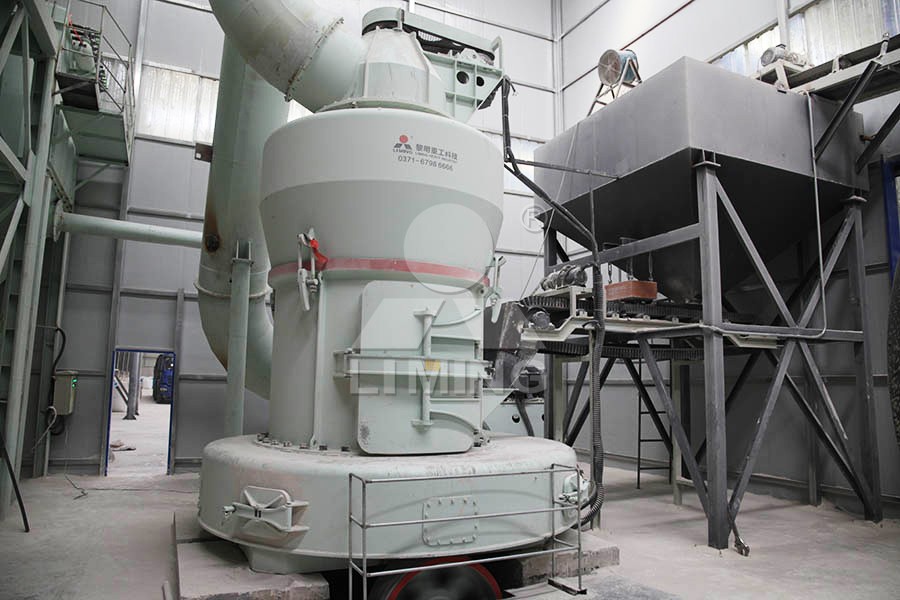
Modern vertical roller mills (VRMs) have adressed many of these challenges. They offer signifigantly lower energy consumption—often 30-40% less than ball mills—and provide superior control over product fineness. Their compact design also reduces the overall footprint of the grinding plant.
Key Operational Challenges and Solutions
- Wear & Tear: Coal is highly abrasive. Regular inspection of grinding rollers, tires, and liners is non-negotiable. Implementing a predictive maintenance schedule based on vibration analysis and material throughput can prevent catastrophic failure.
- Product Fineness: Inconsistent fineness leads to poor combustion. Ensure your mill’s classifier or separator is correctly adjusted and maintained. Modern electronic classifiers offer precise control, a huge step up from older mechanical systems.
- Drying Capacity: Coal often requires drying. Monitor the inlet gas temperature carefully. Too low, and you risk moist coal clogging the system; too high, and you create a fire hazard.
- System Leaks: Air in-leaks disrupt the carefully balanced air-to-fuel ratio, reduce efficiency, and can be a safety concern. Regularly inspect and maintain the seals throughout the system.
Proactive Maintenance is Cheaper Than Reactive Repairs
A stitch in time saves nine, and nowhere is this truer than in heavy industry. Don’t wait for a breakdown.
- Daily Checks: Monitor bearing temperatures, motor amperage, mill differential pressure, and unusual noises.
- Weekly/Monthly Inspections: Check lubricant levels and quality, inspect internal wear parts with endoscopes if possible, and calibrate instrumentation.
- Annual Overhauls: Plan a complete shutdown to replace worn rollers, liners, and classifier blades, check alignments, and overhaul ancillary equipment like feeders and fans.
Leveraging Advanced Technology for a Competitive Edge
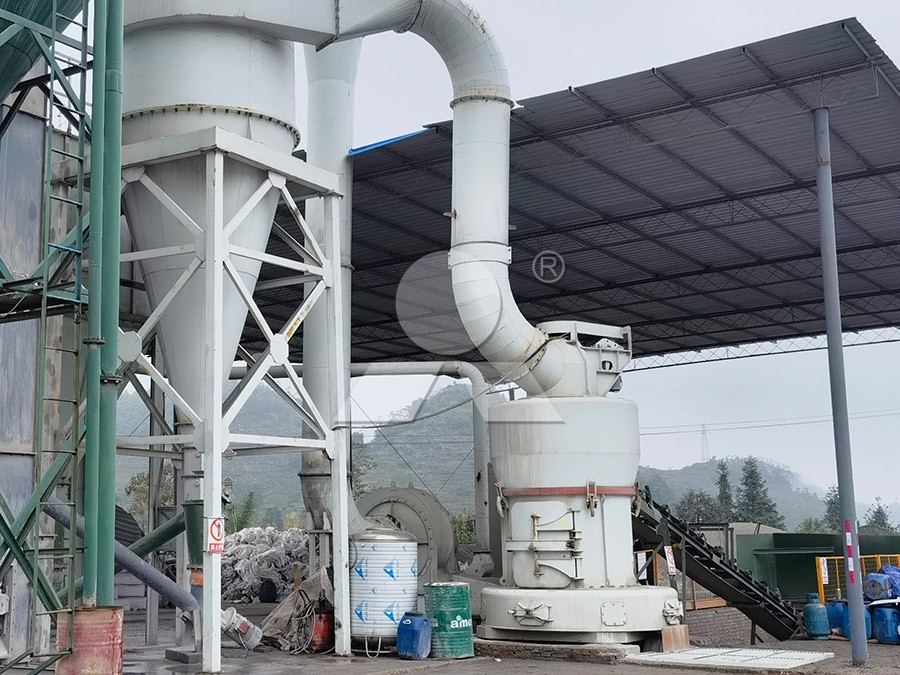
Sticking with outdated technology is a fast track to inefficiency. For operations looking to upgrade their fine and ultra-fine coal grinding capabilities, the MW Ultrafine Grinding Mill presents a formidable solution. This machine is engineered for customers who need to make ultra-fine powder with exceptional efficiency.
Key advantages for coal applications include its Higher Yielding and Lower Energy Consumption – offering 40% higher capacity than jet mills while using only 30% of the energy. Its Adjustable Fineness between 325-2500 meshes allows for precise control over the final product, crucial for specialized applications. A major maintenance benefit is the absence of rolling bearings and screws in the grinding chamber, eliminating common failure points and concerns about loose parts causing damage. Furthermore, its integrated pulse dust collector ensures the entire milling operation is eco-friendly, containing dust and meeting stringent environmental standards. With an input size of 0-20 mm and a capacity range of 0.5-25 tph, it’s a versatile and robust choice for modern coal processing.
Safety and Environmental Compliance
Coal dust is explosive. rigorous housekeeping to prevent dust accumulation is paramount. Ensure all explosion vents are unobstructed and all safety systems are tested regularly. Furthermore, environmental regulations around particulate emissions are tightening globally. Investing in high-efficiency baghouse filters or electrostatic precipitators is no longer optional; it’s a necessity for sustainable operation.
Conclusion
Optimal coal mill performance is a blend of art and science. It requires a deep understanding of the equipment, a disciplined approach to maintenance, and a willingness to adopt new technologies that enhance efficiency and reliability. By focusing on these core principles, operators can ensure their milling circuit remains a reliable, cost-effective, and safe asset for years to come.