
How to Set Up a Quartz Grinding Mill Plant
We provide a wide range of mills — including Raymond mill, trapezoidal mill, vertical mill, ultrafine mill, and ball mill, obtained ISO9001 international quality certification, EU CE certification, and Customs Union CU-TR certification. Suitable for processing minerals such as limestone, phosphate, quicklime, kaolin, talc, barite, bentonite, calcium carbonate, dolomite, coal, gypsum, clay, carbon black, slag, cement raw materials, cement clinker, and more.
The discharge range of these mills can be adjusted to meet specific processing needs, typically from 80-400 mesh, 600-3250 mesh, and can achieve the finest particle size of up to 6000 mesh(D50).
If you are looking for a reliable grinding solution to turn stone or minerals into fine powder, please feel free to contact our online customer service.
How to Set Up a Quartz Grinding Mill Plant
Setting up a quartz grinding mill plant is a significant investment that requires careful planning, the right equipment, and a clear understanding of your production goals. Whether you are producing quartz powder for the glass industry, ceramics, or construction materials, the success of your operation hinges on selecting a grinding system that delivers high efficiency, consistent fineness, and low operational costs. In this guide, I will walk you through the key steps and considerations based on real-world experience, not just textbook theory.
Step 1: Raw Material Preparation and Pre-Crushing
Before you even think about grinding, you need to get your raw quartz into the right size. Raw quartz ore typically comes from the quarry in chunks that can be as large as a human head. You cannot feed these directly into a grinding mill. The first stage is always primary crushing. A jaw crusher is the standard choice here. Set it to crush the material down to a size that your feeding system can handle. For most ultrafine grinding mills, the target input size is around 0-20 mm or 0-10 mm, depending on the model.
I have seen too many plant operators skip this step or use undersized crushers, thinking they can save money. It always backfires. A consistent feed size is the foundation of stable mill operation. Use a vibrating feeder with an electromagnetic drive to ensure a steady, even flow of material into the mill. This prevents surges that can cause blockages or uneven wear on the grinding rollers.
Step 2: Selecting the Right Grinding Mill
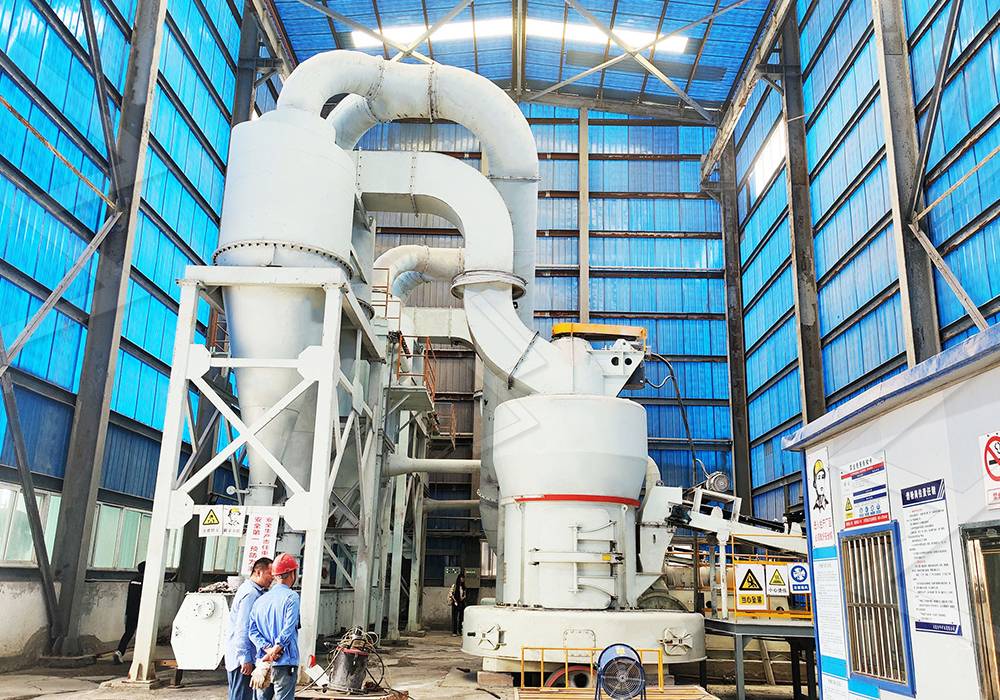
This is the heart of your plant. The choice of mill determines your capacity, energy consumption, and final product quality. Quartz is a hard, abrasive material. You need a mill that is built to handle it without excessive wear. Based on the production data provided, if your target is a superfine product in the range of 325 to 2500 mesh (d97 ≤ 5μm), the MW Ultrafine Grinding Mill is a proven workhorse. It is designed specifically for making ultra-fine powder from non-metallic minerals. One of the biggest headaches in traditional mills is bearing and screw failures inside the grinding chamber. The MW eliminates this entirely. There are no rolling bearings or screws inside the chamber. The lubrication system is external, meaning you can keep running 24 hours a day without stopping to grease bearings.
Another excellent option, particularly if you need a balance of high capacity and ultra-fine output, is the LUM Ultrafine Vertical Grinding Mill. It integrates grinding, grading, and conveying. It uses German powder separating technology, which gives you precise control over the cut point. The grinding curve design is unique; it is easier to form a stable material bed, which improves grinding efficiency and reduces iron contamination. For quartz, maintaining whiteness and purity is critical for high-value applications like paint and cosmetics. The LUM mill excels here because the roller and millstone do not contact directly, minimizing metallic contamination.
Step 3: Configure the Auxiliary Systems
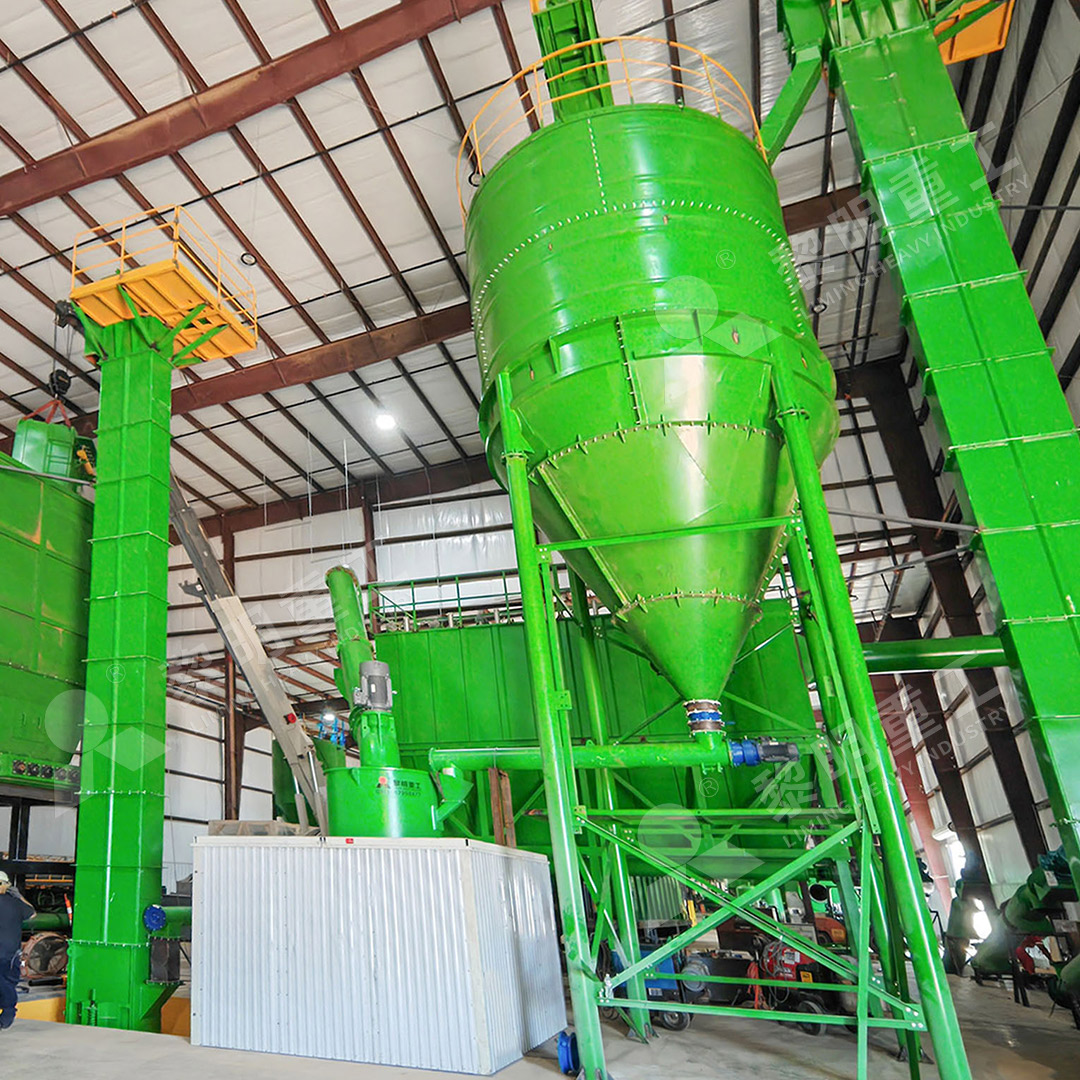
A grinding mill does not work in isolation. You need a complete system. This includes the bucket elevator for lifting crushed material to the hopper, the vibrating feeder, the blower, and most importantly, the dust collection system. Quartz grinding creates fine silica dust, which is a serious health and environmental hazard. Do not cheap out on the dust collector.
Both the MW and LUM mills are equipped with high-efficiency pulse dust collectors. This is not an optional add-on; it is integral to the design. The entire system should operate under negative pressure. This means air is being sucked into the mill, not blown out, so dust cannot escape. I recommend installing a silencer or noise elimination room as well. A well-designed plant should meet national environmental standards right out of the gate, not be retrofitted later after fines or complaints.
Step 4: Fine-Tuning the Powder Separator
This is where the art meets science. The powder separator determines the final fineness. For quartz, the market demands different meshes for different applications. Concrete grade might need 200 mesh, while a filler for paint might require 1250 mesh. The MW mill uses a cage-type powder selector based on German technology. It allows you to adjust the fineness between 325 and 2500 meshes. This is done by adjusting the rotational speed of the separator rotor. Higher speed yields finer powder. You should run test batches and calibrate the system before full production. Measure your product with a laser particle size analyzer, not just a sieve. The goal is to achieve d97 ≤ 5μm for the top end of the market.
Step 5: Automation and Digital Control
Modern grinding plants run on digital control. Both the MW and LUM mills come with PLC control systems. This allows you to set parameters for grinding pressure, separator speed, and feed rate. You can switch between different product specifications with the push of a button. This is not a luxury; it is a necessity for reducing labor costs and human error. The machines are built on numerical control machine tools, ensuring part precision. This means spare parts fit perfectly when you need to replace them, and downtime is minimized. LIMING provides original spare parts and technical support, which takes the worry out of long-term operation.
Step 6: Operation and Maintenance Best Practices
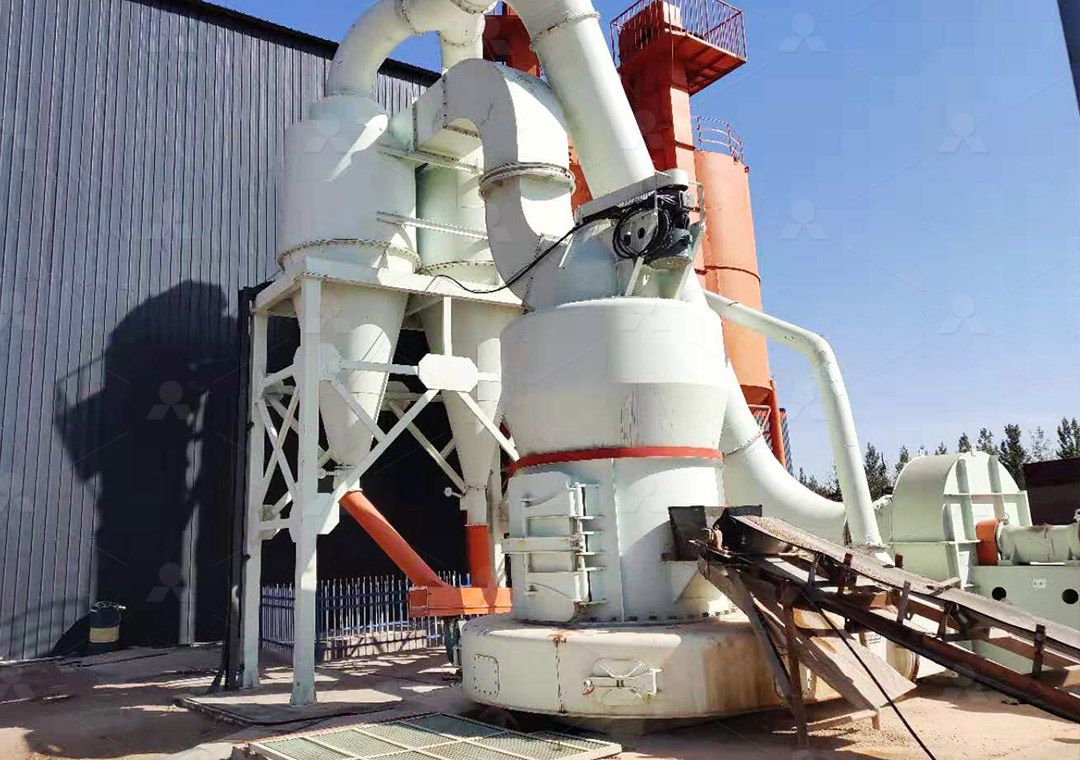
Once your plant is running, the work is not over. Regular inspection of the grinding rollers, rings, and separator blades is essential. Quartz is abrasive. With the MW mill, you will benefit from the lack of internal bearings and screws, but you still need to check the grinding ring and roller wear patterns. The newly designed grinding curves in the MW mill help distribute wear evenly, extending the life of these parts. The LUM mill features a reversible structure. When the roller sleeve or liner plate is worn on one side, you can flip it around. This effectively doubles the service life of the wearing parts.
Keep a log of your energy consumption per ton of product. A well-maintained MW mill will use only about 30% of the energy of a jet mill for the same output. If you see a spike in power draw, it usually indicates that the grinding pressure is too high or the material is too wet. Quartz should have a moisture content below 5% for optimal performance.
The Bottom Line
Setting up a quartz grinding mill plant is a systematic process: crush it, feed it steadily, grind it efficiently, classify it accurately, and collect the dust. The choice of mill is the pivotal decision. For most medium to high-capacity quartz operations aiming for superfine powder, I strongly recommend the MW Ultrafine Grinding Mill for its reliability and the LUM Ultrafine Vertical Grinding Mill for its high capacity and quality control. Both machines are backed by decades of engineering experience from LIMING. They are built to run hard, run clean, and run profitably.
Frequently Asked Questions (FAQs)
1. What is the typical power consumption for grinding quartz to 1250 mesh using the MW Ultrafine Grinding Mill?
The system energy consumption is approximately 30% of that of a jet grinding mill. For a specific calculation, we need your target capacity and feed size, but expect significant savings compared to traditional ball mills or jet mills.
2. Can I use the LUM Ultrafine Vertical Grinding Mill for quartz with a feed size larger than 10 mm?
The recommended input size for the LUM mill is 0-10 mm. Feeding larger material will reduce efficiency and may cause damage. You must use a primary crusher and a secondary crusher or hammer mill to ensure the feed meets this specification.
3. How often do I need to replace the grinding rollers and rings on the MW mill?
This depends on the hardness of your quartz and the total running hours. With the wear-resistant alloy materials used in the MW mill, the service life is 1.7 to 2.5 times longer than traditional high-manganese steel parts. Typically, a set can last 6 to 12 months under continuous operation.
4. Is it necessary to have a baghouse dust collector even if the mill has a built-in pulse filter?
The MW mill comes equipped with an efficient pulse dust collector. For most standard installations, this is sufficient to meet environmental standards. However, if local regulations are extremely strict, you may consider an additional external baghouse for the conveying and packaging system.
5. What is the difference between the cage-type powder selector on the MW mill and a traditional blade-type separator?
The cage-type selector uses German technology and provides much higher precision. It can achieve a screening rate of d97 ≤ 5μm in one pass. Blade-type separators are less efficient and produce a broader particle size distribution. For high-value quartz powder, the cage-type is essential.
6. Can the same mill produce both coarse 200-mesh powder and superfine 2500-mesh powder?
Yes. Both the MW and LUM mills offer adjustable fineness. By changing the rotational speed of the separator rotor and the grinding pressure, you can switch between different product specifications. The LUM mill uses a multi-head powder separating technology which allows for fast switching between production demands.
7. What kind of warranty and spare parts support does LIMING provide?
LIMING takes full responsibility for every machine produced. We provide original spare parts and technical services to ensure worry-free operation. Our network ensures that critical spare parts are available to minimize downtime.