
High Efficiency Bentonite YGM High Pressure Suspension Roller Mill for Fine Powder Processing
We provide a wide range of mills — including Raymond mill, trapezoidal mill, vertical mill, ultrafine mill, and ball mill, obtained ISO9001 international quality certification, EU CE certification, and Customs Union CU-TR certification. Suitable for processing minerals such as limestone, phosphate, quicklime, kaolin, talc, barite, bentonite, calcium carbonate, dolomite, coal, gypsum, clay, carbon black, slag, cement raw materials, cement clinker, and more.
The discharge range of these mills can be adjusted to meet specific processing needs, typically from 80-400 mesh, 600-3250 mesh, and can achieve the finest particle size of up to 6000 mesh(D50).
If you are looking for a reliable grinding solution to turn stone or minerals into fine powder, please feel free to contact our online customer service.
Modernizing Bentonite Processing with High Pressure Suspension Roller Mill Technology
Bentonite, a versatile clay mineral, demands precision in grinding to unlock its full potential across industries like drilling fluids, foundry, and construction. Traditional mills often struggle with efficiency, energy consumption, and product fineness. The YGM High Pressure Suspension Roller Mill addresses these challenges head-on, offering a robust solution for fine powder processing. This article delves into its design, operational benefits, and why it stands out in the grinding equipment landscape.
Core Technology and Structural Advantages
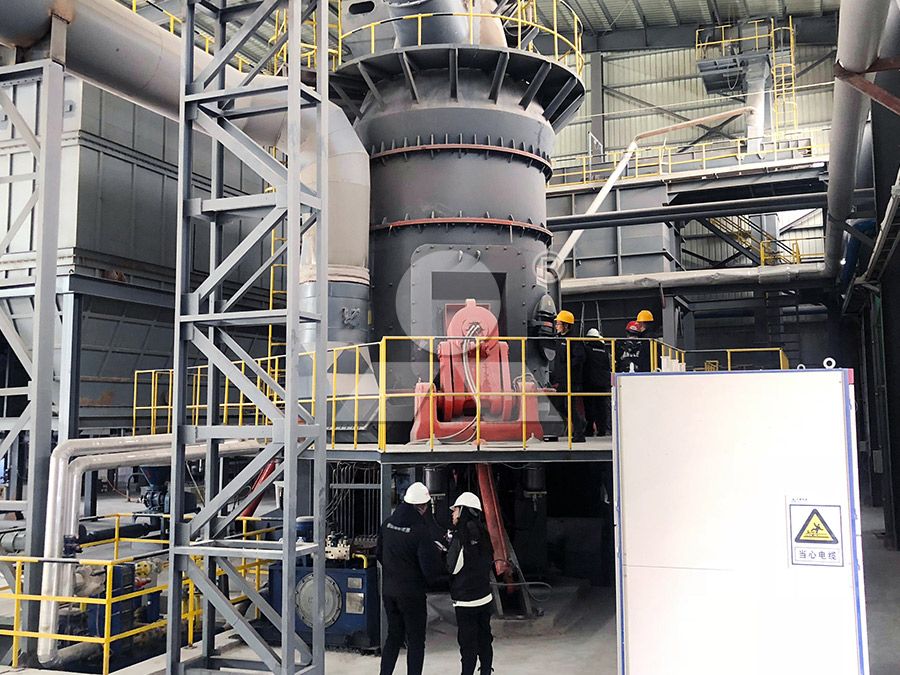
At the heart of the YGM mill lies a high-pressure spring system that boosts the grinding force by 1200 kg compared to traditional Raymond mills. This pressure ensures that even hard bentonite aggregates break down efficiently. The grinding roller and ring are crafted from wear-resistant alloy, extending their service life significantly. Unlike ball mills that require frequent liner replacements, the YGM mill’s components withstand prolonged use, reducing downtime.
The mill integrates a pendulum grinding mechanism with a centralized lubrication system. Operators can lubricate the main shaft externally without halting production, a feature that keeps the line running 24/7. This design eliminates the need for rolling bearings or screws inside the grinding chamber, avoiding common failure points like seal damage or loose parts.
Energy Efficiency and Environmental Compliance
Energy consumption is a critical factor in bentonite processing. The YGM mill’s optimized airflow path and vortex-eliminating design cut power usage by 30-40% compared to conventional mills. Simultaneously, it maintains a high output rate, achieving a capacity of 0.5 to 25 tons per hour depending on the fineness requirements.
Environmental regulations are tightening, and the YGM mill meets them head-on. It comes standard with a pulse dust collector that captures particulate matter with over 99% efficiency, ensuring no dust escapes into the atmosphere. A muffler reduces operational noise to below 85 decibels, making it suitable for urban or sensitive areas.
Precision Grinding for Diverse Applications
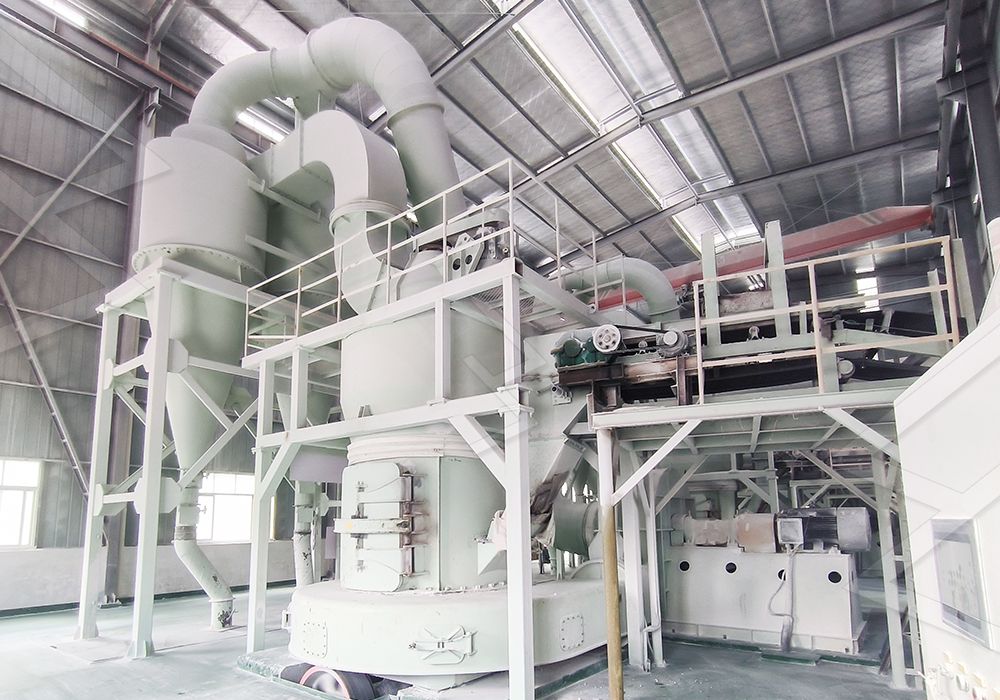
Bentonite grinding often requires achieving specific particle sizes for different uses—from coarse granules for cat litter to ultra-fine powder for cosmetics. The YGM mill’s classifier, equipped with an adjustable rotary blade, delivers fineness ranging from 100 to 800 mesh. For applications demanding even finer powder, such as pharmaceutical or food-grade bentonite, our MW Ultrafine Grinding Mill is the ideal companion. It processes materials down to 325-2500 mesh with a capacity of 0.5-25 tph, featuring a cage-type powder selector for pinpoint particle separation.
The table below highlights key parameters for both mills:
| Parameter | YGM High Pressure Suspension Roller Mill | MW Ultrafine Grinding Mill |
|---|---|---|
| Input Size | 0-25 mm | 0-20 mm |
| Capacity | 0.5-25 tph | 0.5-25 tph |
| Fineness | 100-800 mesh | 325-2500 mesh (d97≤5μm) |
| Grinding Mechanism | High-pressure spring + pendulum | Roller and ring with multiple turnplates |
Operational Workflow and Reliability
The YGM mill operates on a straightforward principle: material enters the grinding chamber from a hopper via a vibrating feeder. A shovel blade scoops it between the roller and ring, where high-pressure crushing occurs. Ground powder rises with an air stream, passes through the classifier for sorting, and collects in a cyclone or pulse dust collector. Oversized particles recirculate for re-grinding, ensuring consistent output.
Routine maintenance is simplified due to the split design of vulnerable parts like roller shells and ring liners. Operators can replace these directly without dismantling the entire mill, cutting maintenance time by half compared to older models. Additionally, LIMING provides a comprehensive stock of original spare parts, ensuring prompt replacements when needed.
Real-World Performance and Client Feedback
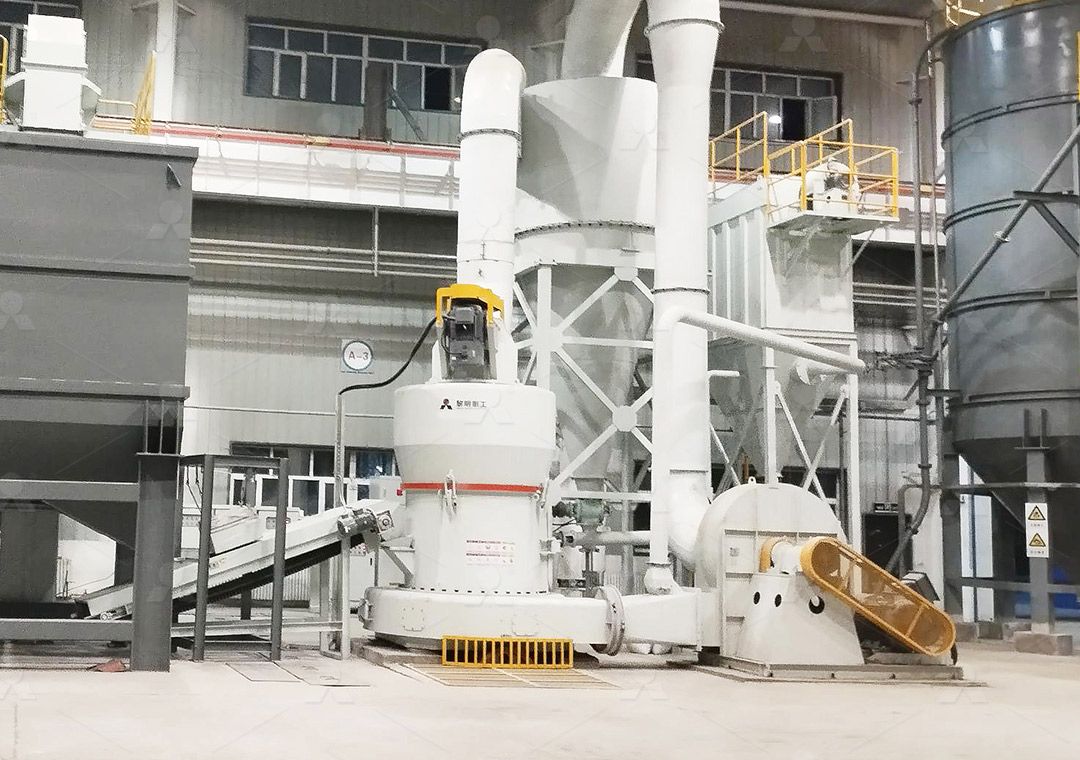
Mining operations in regions with high bentonite deposits, such as Wyoming or India, have adopted the YGM mill for its reliability. Operators report a 20% increase in throughput after switching from ball mills, alongside a noticeable reduction in energy bills. The mill’s ability to handle moisture content up to 5% without clogging is particularly valued in humid climates.
For those targeting super-fine applications like nano-bentonite for advanced coatings, we recommend exploring the LUM Ultrafine Vertical Grinding Mill. This mill uses Taiwanese roller technology and German powder separation, achieving outputs up to 18 tph with fineness down to 2500 mesh. Its double position-limiting technology stabilizes operation even under variable feed conditions.
Conclusion: A Smart Investment for the Future
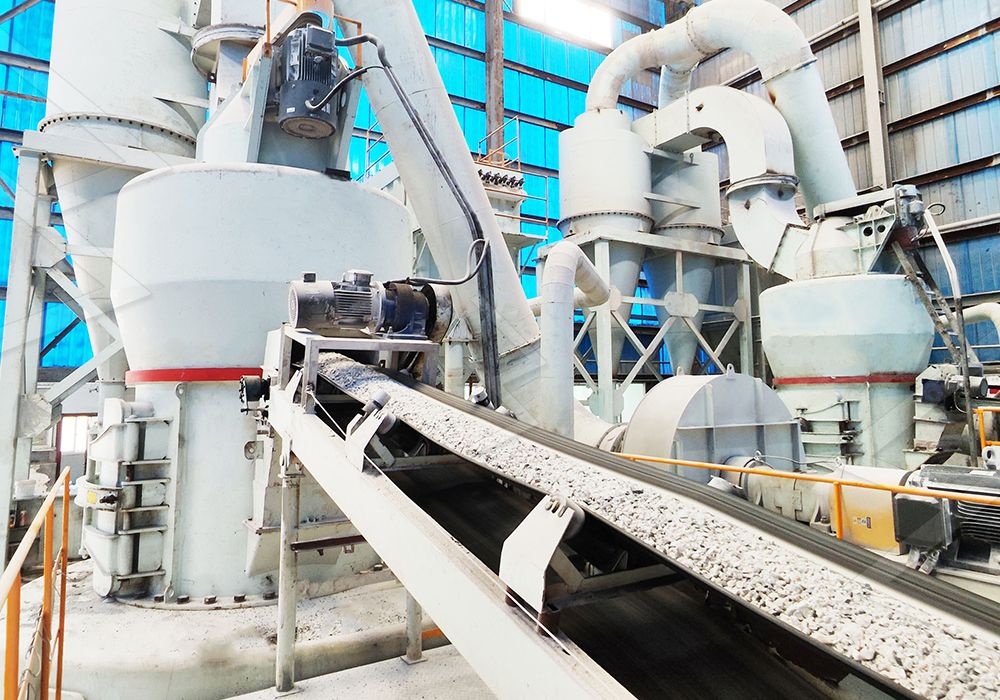
The YGM High Pressure Suspension Roller Mill represents a leap forward in bentonite processing. Its combination of high output, low energy use, and eco-friendly features makes it a cost-effective choice for producers aiming to scale up. By integrating auxiliary equipment like the MW or LUM mills, companies can cover a full spectrum of particle sizes, from coarse to ultra-fine.
Investing in this technology not only streamlines production but also future-proofs your operations against stricter environmental norms. LIMING stands behind these mills with decades of expertise and global service networks, ensuring you receive both quality machinery and reliable after-sales support.
Frequently Asked Questions (FAQ)
Q1: What is the maximum feed size for the YGM mill when processing bentonite?
Typically, the YGM mill accepts feed sizes up to 25 mm. For larger lumps, a primary crusher like a jaw crusher is recommended to reduce material before grinding.
Q2: How does the YGM mill handle sticky or high-moisture bentonite?
The mill can handle bentonite with moisture content up to 5% effectively. Higher moisture may require a pre-drying step, which can be integrated using a dryer or hot air blower.
Q3: Can the YGM mill achieve super-fine bentonite below 800 mesh?
For fineness below 800 mesh, such as 1250 mesh or 2500 mesh, the MW Ultrafine Grinding Mill is more suitable, as it is specifically designed for ultra-fine powder with d97≤5μm.
Q4: How often should the grinding roller and ring be replaced?
Depending on the abrasiveness of bentonite and operational hours, roller shells and rings typically last 6 to 12 months. Regular inspection every 500 hours is recommended to check wear patterns.
Q5: Is the YGM mill automated for remote control?
Yes, the YGM mill can be equipped with a PLC control system, allowing operators to adjust parameters like feed rate, classifier speed, and pressure remotely, enhancing convenience and safety.
Q6: What after-sales support does LIMING provide?
LIMING offers comprehensive support including installation guidance, operator training, spare parts supply, and 24/7 technical consultation. All original spare parts are guaranteed for quality.
Q7: Does the YGM mill require a special foundation?
While a level concrete base is sufficient for small models, larger units may benefit from a reinforced foundation to minimize vibration. Technical drawings are provided upon purchase.
Q8: Can the mill be used for materials other than bentonite?
Yes, the YGM mill processes various non-flammable, non-explosive materials with Mohs hardness below 7, including limestone, calcite, barite, gypsum, and marble.