
Large Stone Universal Grinding Mill: The Ultimate Solution for Industrial Powder Processing
We provide a wide range of mills — including Raymond mill, trapezoidal mill, vertical mill, ultrafine mill, and ball mill, obtained ISO9001 international quality certification, EU CE certification, and Customs Union CU-TR certification. Suitable for processing minerals such as limestone, phosphate, quicklime, kaolin, talc, barite, bentonite, calcium carbonate, dolomite, coal, gypsum, clay, carbon black, slag, cement raw materials, cement clinker, and more.
The discharge range of these mills can be adjusted to meet specific processing needs, typically from 80-400 mesh, 600-3250 mesh, and can achieve the finest particle size of up to 6000 mesh(D50).
If you are looking for a reliable grinding solution to turn stone or minerals into fine powder, please feel free to contact our online customer service.
Introduction: The Evolution of Industrial Grinding
When you walk through a modern mineral processing plant, the first thing you notice is the sheer scale of the operation. Hoppers towering overhead, conveyors moving in endless loops, and the constant, rhythmic hum of machinery working around the clock. At the heart of this operation sits the grinding mill—the machine that transforms massive chunks of raw stone into the fine powders that drive industries from construction to pharmaceuticals. For decades, operators faced a difficult trade-off: choose a mill that delivered high throughput but consumed enormous amounts of energy, or opt for precision grinding that sacrificed capacity for fineness. That compromise no longer exists.
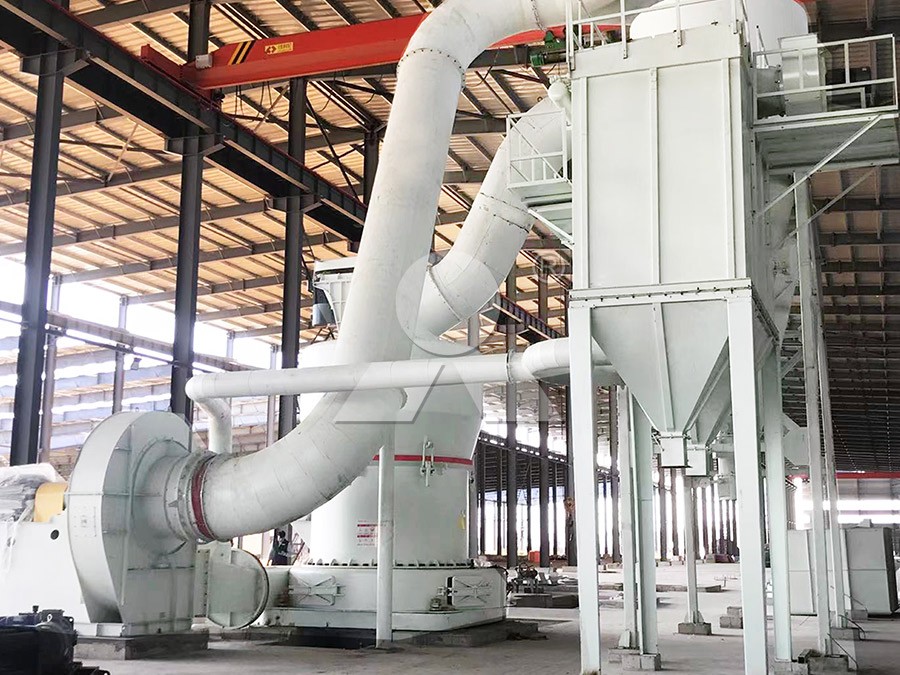
The Large Stone Universal Grinding Mill represents a fundamental shift in how we approach powder processing. Designed for materials with input sizes up to 70 mm and capable of handling capacities ranging from 3 to 340 tph, this equipment integrates crushing, drying, grinding, classifying, and conveying into a single, streamlined system. It does not just do one job well—it does every job efficiently. Whether you are processing limestone for desulfurization, grinding coal for power generation, or producing ultra-fine powders for chemical additives, this mill delivers consistent, reliable results.
Why Universal Grinding Matters in Today’s Market
The economics of mineral processing have changed. Margins are tighter, environmental regulations are stricter, and customers demand higher quality with faster delivery times. A grinding mill that cannot adapt to different materials or operating conditions becomes a bottleneck, not an asset. The universal design philosophy behind this mill means you can switch between applications—from grinding barite for oil drilling to processing gypsum for wallboard—without extensive retooling or downtime. This flexibility directly translates into higher equipment utilization rates and better return on investment.
Consider the operational costs. A traditional ball mill system requires approximately 30-40% more energy to achieve the same throughput as a modern vertical roller mill. Over a year of continuous operation, these savings add up to hundreds of thousands of dollars. The grinding mill achieves this through several design innovations. The grinding roller and millstone do not make direct contact, which reduces mechanical wear and eliminates the iron contamination that plagues other systems. The material bed grinding principle ensures that particles grind against each other, not just against the machine surfaces, which improves efficiency and product quality simultaneously.
Raw Material Flexibility: From Limestone to Slag
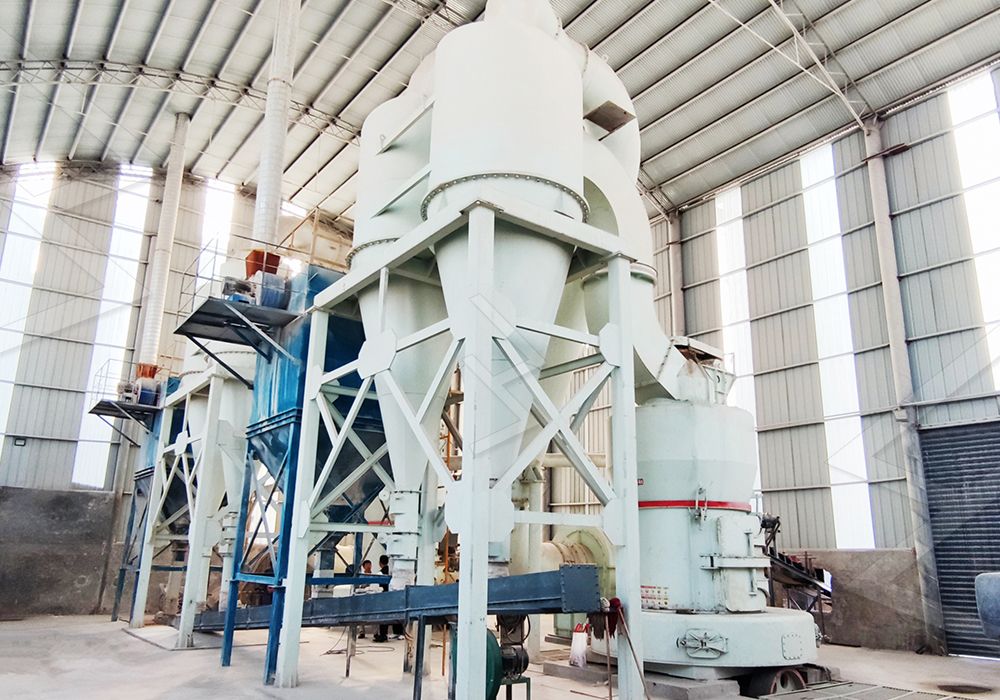
One of the most common questions we hear from plant managers is whether a single mill can handle their diverse feedstocks. The answer is yes. The Large Stone Universal Grinding Mill processes materials with hardness up to 7 on the Mohs scale and moisture content as high as 15%, which covers the vast majority of industrial minerals. Limestone, calcite, dolomite, marble, barite, talc, gypsum, coal, petroleum coke, and various slags all pass through this machine efficiently. For operations handling steel slag or water slag, the mill’s unique grinding device achieves the integration of grinding and powder selection, reducing the occupied area by about 50% compared to ball mill systems and consuming only 30-40% of the energy.
The key to this flexibility lies in the hydraulic system. Operators can adjust the grinding pressure on the rollers in real time, compensating for variations in feed hardness without stopping production. The separator rotor speed is independently controllable, allowing fine-tuning of product fineness between 325 mesh and 2500 mesh. If your customer suddenly needs a finer product for a new application, you do not need to change machines—you just change a setting on the control panel. This level of adaptability is what makes the machine truly universal.
Environmental Compliance Without Compromising Output
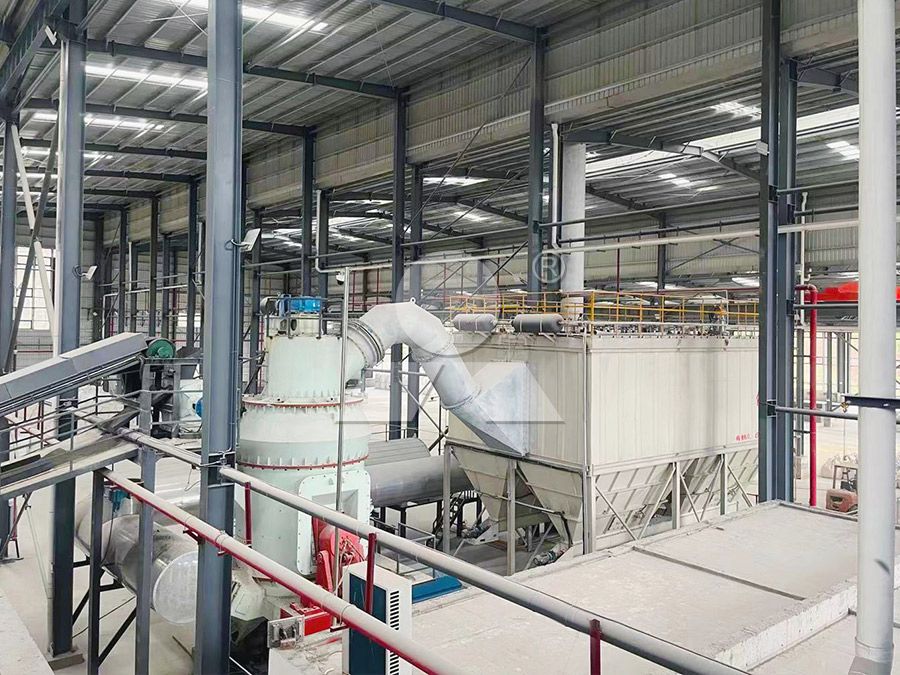
The days of dusty, noisy grinding operations are ending. Environmental agencies worldwide are tightening emission standards, and communities are less willing to tolerate industrial pollution. The Large Stone Universal Grinding Mill was designed with these realities in mind. The entire system operates under negative pressure, meaning no dust escapes into the surrounding environment. The pulse dust collector removes particulates with efficiency far exceeding international standards, and the integrated silencer reduces noise levels to well within acceptable limits for both operators and nearby residents.
But environmental compliance does not have to come at the expense of productivity. The mill’s digital processing capabilities ensure that every operation—from steel plate cutting to final paint spraying—is controlled numerically, producing core parts with exceptional precision. This precision translates directly into longer equipment life, fewer unplanned shutdowns, and consistent product quality. When you combine these features with the automated control system that allows remote operation, you get a grinding solution that is as easy to manage as it is powerful.
Maintenance Designed for Real-World Operations
Every plant manager knows that maintenance costs often exceed the initial purchase price of equipment over its lifetime. The Large Stone Universal Grinding Mill addresses this challenge directly. The grinding chamber contains no rolling bearings or screws, which eliminates two of the most common failure points in traditional mills. The lubricating device is installed externally, allowing maintenance crews to service the main shaft without stopping production. For the grinding rollers, the reversible structure and hydraulic adjustment system let operators move the rollers out of the body for inspection and replacement in minutes, not hours.
Let us highlight two products from our range that exemplify these principles. The LUM Ultrafine Vertical Grinding Mill uses positioning technology that prevents destructive impact between the roller shell and millstone liner, even during vibration events caused by mine explosions or other disturbances. This machine processes materials up to 10 mm with a capacity of 5-18 tph, and its multi-head powder separator technology reduces energy consumption by 30-50% compared to common grinding mills. For larger operations, the LM Vertical Grinding Mill handles input sizes up to 70 mm with capacities reaching 340 tph. Its structure is simple, its layout compact, and it can be installed outdoors to reduce construction costs. Both machines benefit from decades of engineering refinement and are backed by a supply chain that ensures original spare parts are always available.
Working Principle: How It Actually Gets the Job Done
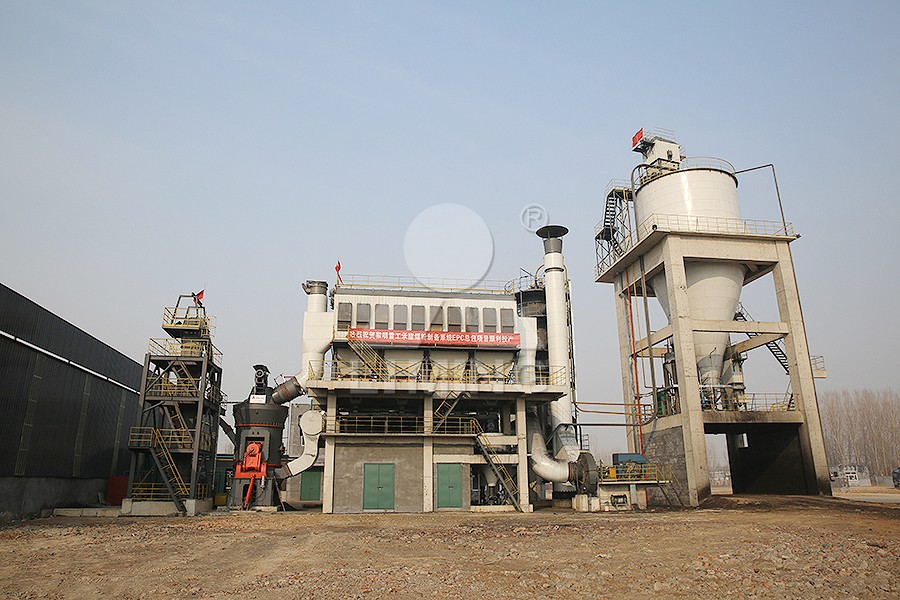
Understanding how the mill works helps operators troubleshoot issues and optimize performance. The main motor drives the millstone to rotate through a reduction box. Air enters through the intake while materials fall onto the center of the millstone. Centrifugal force moves particles from the center toward the edge. In the grinding zone, rollers crush large pieces directly, while smaller particles form a material bed where intergranular grinding occurs. The ground materials continue moving outward until the air current at the air ring carries them upward. Coarse particles fall back to the millstone, while fine particles pass through rotor vanes on the separator. The final product is collected by the powder collector, and any impurities—like iron pieces—fall to the bottom and are discharged through the slag outlet.
This closed-loop system ensures that energy is used only for grinding, not for moving air or materials inefficiently. The result is a machine that delivers high throughput, low energy consumption, and consistent product quality—run after run, year after year.
Conclusion: The Right Choice for Modern Processing
The Large Stone Universal Grinding Mill is not just another piece of equipment. It is a comprehensive solution for companies that need to process a wide variety of materials with maximum efficiency and minimum environmental impact. Whether you are expanding an existing plant or building a new one from scratch, this technology offers the reliability, flexibility, and cost-effectiveness that today’s markets demand. With digital precision manufacturing, robust maintenance features, and a global support network, it represents the future of industrial powder processing.
Frequently Asked Questions
1. What materials can the Large Stone Universal Grinding Mill process?
The mill handles non-metallic minerals such as limestone, calcite, dolomite, marble, barite, talc, gypsum, coal, petroleum coke, and various slags, provided the material hardness is below 7 Mohs and moisture content is less than 15%.
2. How does the mill achieve low iron content in the final product?
The grinding roller and millstone do not make direct contact, so mechanical wear generates minimal iron particles. Any iron that does enter the system is removed through the slag discharge opening, ensuring high whiteness and purity.
3. What is the typical maintenance interval for the grinding rollers?
With the reversible structure and external hydraulic adjustment system, operators can inspect and replace roller shells and liner plates in a few hours. The exact interval depends on material abrasiveness, but many operations run 2000-3000 hours between inspections.
4. How does the mill compare to a ball mill in terms of energy consumption?
The Large Stone Universal Grinding Mill typically uses 30-50% less energy than a ball mill for the same throughput, due to the material bed grinding principle and integrated process design.
5. Can the mill be operated remotely?
Yes. The expert-level automatic control system supports both remote and local control, with free switching between modes. All key parameters—grinding pressure, separator speed, feed rate—are adjustable from the control room.
6. What is the maximum input size the mill can accept?
The standard Large Stone Universal Grinding Mill accepts input sizes up to 70 mm. For finer applications, models like the LUM Ultrafine Vertical Grinding Mill handle up to 10 mm.
7. How does the mill handle materials with high moisture content?
The integrated drying system uses hot air entering through the air intake to dry materials during the grinding process. This allows processing of materials with up to 15% moisture without pre-drying.
8. Is the system environmentally compliant?
Yes. The mill operates under negative pressure with no dust spillage. The pulse dust collector and silencer keep emissions and noise well below international environmental standards.
9. What after-sales support does LIMING provide?
LIMING offers technical services, original spare parts supply, and full responsibility for every machine produced. Replacement parts are available through a global network to minimize downtime.
10. How long does it take to install and commission the mill?
Installation time varies by site but typically ranges from 3 to 6 weeks, depending on foundation work and integration with existing systems. The compact, outdoor-ready design simplifies the process.