
Optimization of Medium-Speed Mill for Garnet Powder Processing
We provide a wide range of mills — including Raymond mill, trapezoidal mill, vertical mill, ultrafine mill, and ball mill, obtained ISO9001 international quality certification, EU CE certification, and Customs Union CU-TR certification. Suitable for processing minerals such as limestone, phosphate, quicklime, kaolin, talc, barite, bentonite, calcium carbonate, dolomite, coal, gypsum, clay, carbon black, slag, cement raw materials, cement clinker, and more.
The discharge range of these mills can be adjusted to meet specific processing needs, typically from 80-400 mesh, 600-3250 mesh, and can achieve the finest particle size of up to 6000 mesh(D50).
If you are looking for a reliable grinding solution to turn stone or minerals into fine powder, please feel free to contact our online customer service.
Introduction
Garnet powder, widely used in waterjet cutting, abrasive blasting, and filtration media, demands consistent particle size distribution and high throughput. The medium-speed mill stands out as a workhorse in this domain, but its performance hinges on careful optimization. Over the years, I have seen operators struggle with energy inefficiency and product contamination. This article explores practical strategies to enhance medium-speed mill output for garnet processing, drawing on field-tested adjustments and equipment upgrades. For those seeking reliable hardware, our MW Ultrafine Grinding Mill offers a robust starting point, with an input size up to 20 mm and capacity ranging from 0.5 to 25 tph.
Key Challenges in Garnet Grinding
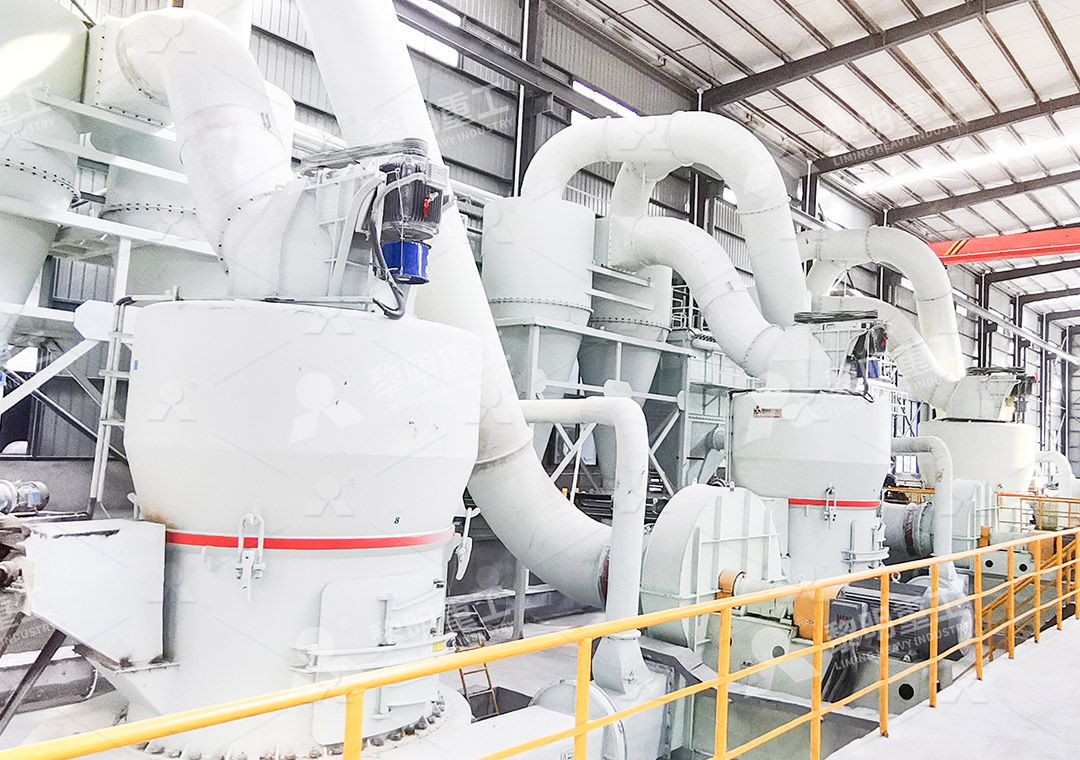
Garnet, with a Mohs hardness of 6.5 to 7.5, poses significant wear on mill components. Traditional ball mills often yield high iron contamination, degrading product purity. Medium-speed mills, like the vertical roller design, mitigate this through material bed grinding, where particles crush each other rather than relying solely on metal contact. However, improper airflow or roller pressure can lead to uneven fineness. I recall a plant in Fujian that reduced downtime by switching to our LUM Ultrafine Vertical Grinding Mill, which incorporates German powder separating technology to achieve d97≤5μm. This mill handles input sizes up to 10 mm and delivers 5-18 tph, making it ideal for garnet fines.
Optimizing Grinding Parameters
To boost efficiency, focus on three variables: roller pressure, classifier speed, and air volume. For garnet, a fineness of 325-800 mesh is typical for abrasive applications. Excessive pressure crushes particles too finely, raising energy consumption. I recommend starting with a moderate hydraulic setting, around 8-10 MPa for the LUM mill, and adjusting based on product samples. The classifier speed should be tuned to cut coarse particles; a cage-type separator, like that in the MW Ultrafine Grinding Mill, allows precise control between 325-2500 mesh. Air volume must balance material transport—too high a flow wastes power, while too low causes accumulation. Monitor the mill differential pressure; a stable reading of 2000-3000 Pa indicates smooth operation.
Reducing Wear and Maintenance
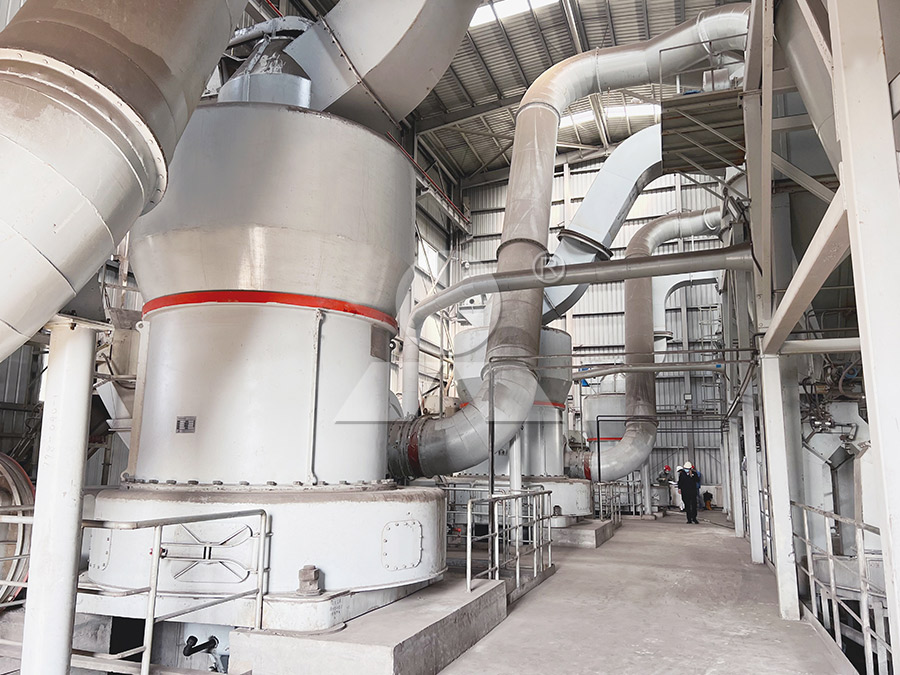
Wear is inevitable with garnet, but smart design choices cut costs. The MW Ultrafine Grinding Mill eliminates rolling bearings and screws in the grinding chamber, removing common failure points. Its external lubrication system allows oil changes without shutdown, supporting 24-hour operation. For the LUM Ultrafine Vertical Grinding Mill, the reversible grinding roller structure simplifies liner replacement, reducing downtime. In practice, I advise scheduling roller shell inspections every 500 operating hours when processing garnet. Using wear-resistant alloy liners, as fitted in both mills, extends service life by up to 2.5 times compared to standard materials. This alone can lower annual spare part expenses by 30%.
Noise and Dust Control
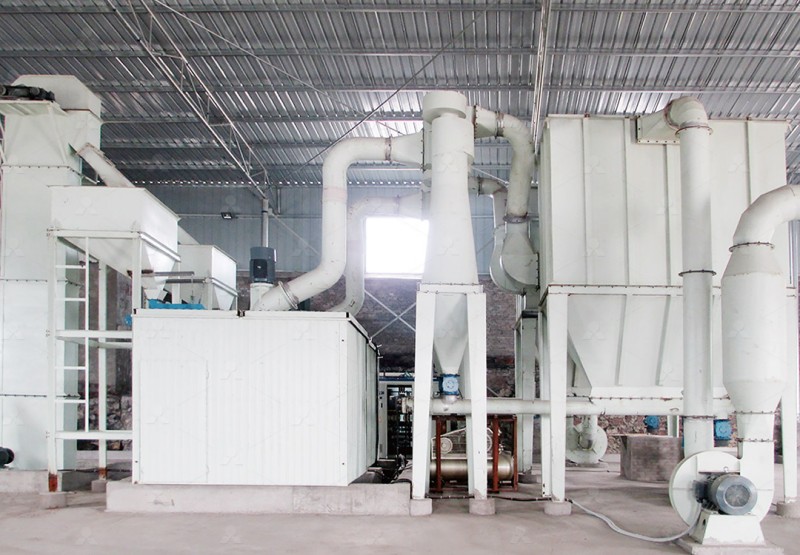
Environmental compliance is non-negotiable in modern plants. Medium-speed mills generate dust and noise, but integrated solutions exist. The MW Ultrafine Grinding Mill includes an efficient pulse dust collector and muffler, meeting national environmental standards. I visited a site in Hebei where this setup reduced noise levels to 75 dB from 95 dB, while dust emissions fell below 10 mg/Nm³. For larger operations, the LUM mill’s sealed negative-pressure system prevents leaks. Always verify that the bag filter has sufficient surface area for your throughput—undersized filters cause backpressure and efficiency losses.
Automation and Process Control
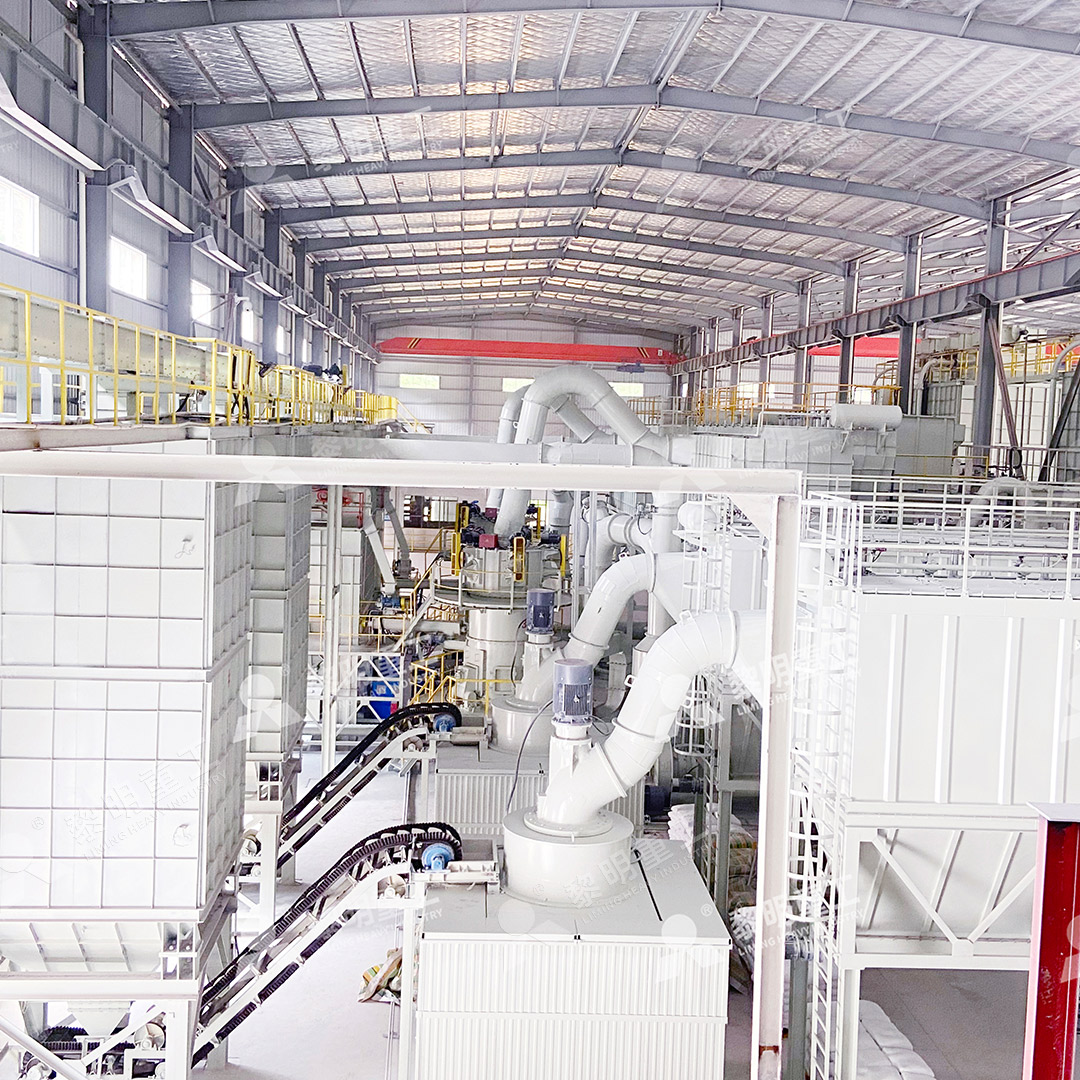
Digital control systems, like those in LIMING’s mills, enhance consistency. The PLC-based setup on the LUM mill adjusts grinding pressure and separator speed in real-time, based on feed rate and product fineness. I have seen plants cut energy use by 30% after automating these loops. For garnet, maintain a feed moisture below 5%; higher levels cause material buildup. Install a moisture sensor upstream to trigger alerts. Remote monitoring, via the control panel, allows operators to tweak parameters from a central room, reducing manual intervention.
Case Study: Garnet Processing Upgrade
A facility in Shandong processing garnet for abrasives replaced their ball mill with an MW Ultrafine Grinding Mill. Before the switch, they struggled with 12% iron contamination and 5 tph capacity. After installation, contamination dropped to 0.5%, and capacity rose to 8 tph at 600 mesh. The pulse dust collector eliminated baghouse issues, and the digital controls simplified batch changes. Total payback period was 14 months, factoring in energy savings of 40%.
Conclusion
Optimizing a medium-speed mill for garnet powder requires balancing roller pressure, classifier settings, and wear management. The MW Ultrafine Grinding Mill and LUM Ultrafine Vertical Grinding Mill provide built-in solutions for these challenges, from dust control to digital automation. By implementing the adjustments discussed, operators can achieve higher yields, purer products, and lower costs. For further guidance, consult with application engineers to tailor parameters to your specific garnet feed.
Frequently Asked Questions (FAQ)
- What is the best fineness for garnet powder in abrasive applications?
Typical fineness ranges from 325 to 800 mesh for waterjet cutting and 100 to 300 mesh for blasting. Finer powders clog nozzles, while coarser particles reduce cut quality. - How often should I replace grinding rollers in a medium-speed mill processing garnet?
With wear-resistant alloy rollers, replacement intervals average 800-1200 hours of operation. Regular inspections every 500 hours help detect premature wear. - Can the MW Ultrafine Grinding Mill handle moist garnet?
It handles feed moisture up to 5% without issues. Higher moisture requires a drying system upstream to prevent material buildup in the grinding chamber. - What causes high iron contamination in garnet powder from medium-speed mills?
Direct contact between rollers and liners generates iron fines. Mills with material bed grinding, like the LUM model, reduce this by promoting particle-on-particle grinding. - How does the pulse dust collector reduce environmental impact?
It captures 99.9% of particles above 1 micron, ensuring emissions below 10 mg/Nm³. This complies with stringent environmental regulations and improves workplace air quality. - Is the LUM Ultrafine Vertical Grinding Mill suitable for small-scale garnet plants?
Yes, with a capacity of 5-18 tph, it fits medium-scale operations. For smaller throughputs, the MW mill with 0.5-25 tph range is more flexible. - What is the energy savings compared to a ball mill for garnet grinding?
Medium-speed mills typically save 30-50% energy. The LUM mill achieves this through optimized roller curves and multi-head powder separation. - Can I automate fineness adjustments during production?
Yes, the PLC control system on LIMING mills allows real-time adjustment of classifier speed and roller pressure, maintaining target fineness without stopping the process.